
Sauces & Condiments
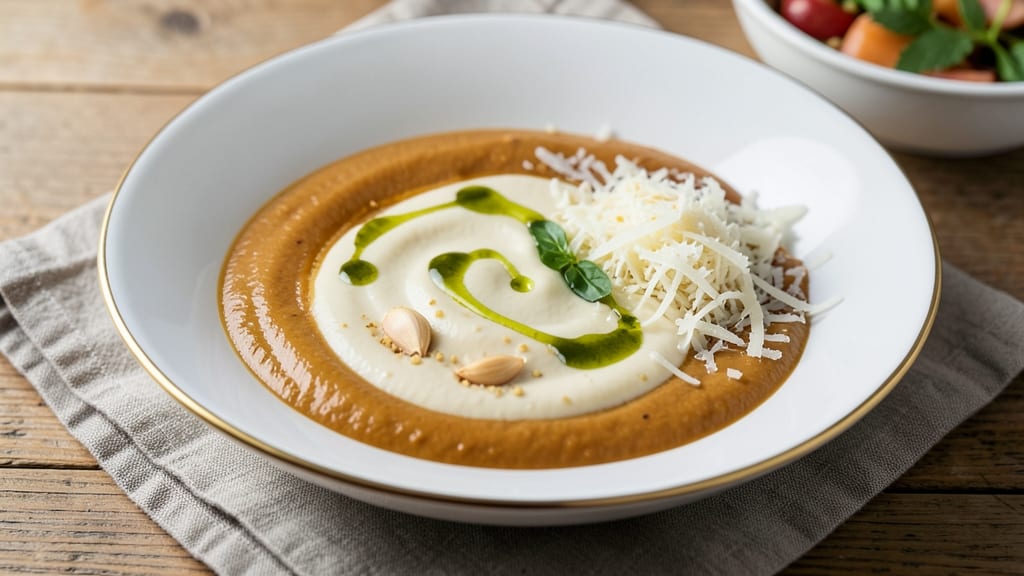
This alfredo sauce recipe small batch delivers velvety, clump-free perfection in just 10 minutes—ideal for tossing with fettuccine or drizzling over grilled chicken. The secret lies in low-and-slow melting of butter and Parmesan, creating a sauce so smooth it clings to every noodle without breaking.
I developed this version after burning through store-bought options that either curdled or left a chalky aftertaste.
The magic happens with simple ingredients you likely already have: butter, heavy cream, freshly grated Parmesan, and a touch of garlic. No roux means no lumps, and no flour means no artificial thickening.
This small batch yields about 1 cup—enough to coat 8 ounces of pasta perfectly, with no leftovers to waste. The sauce stays silky even when reheated, making it ideal for meal prep.
What sets this recipe apart is its restaurant-quality texture—rich, creamy, and deeply savory without being heavy. The Parmesan dissolves completely, leaving no gritty bits, while the garlic infuses just enough aroma to complement rather than overpower.
Unlike traditional recipes that require constant stirring, this version comes together effortlessly with minimal active time.
Store any leftovers in an airtight container in the fridge for up to 5 days, or freeze for 3 months. When ready to use, simply reheat gently over low heat, stirring occasionally until smooth. This sauce transforms ordinary pasta into an elegant, comforting meal with professional-level results every time.
Ingredients for alfredo sauce recipe small batch
Eight essential ingredients transform into restaurant-quality alfredo sauce with no lumps or chalkiness.
| Ingredient | Amount | Notes |
|---|---|---|
| Unsalted Butter 🧈 | ½ cup | Cold, cubed for even melting |
| Heavy Cream 🥛 | ½ cup | Full-fat for maximum richness |
| Freshly Grated Parmesan Cheese 🧀 | ¾ cup | Aged 24+ months preferred |
| Garlic Cloves 🧄 | 2 cloves | Minced for even distribution |
| Extra-Virgin Olive Oil 🫒 | 1 tbsp | For finishing and richness |
| Diamond Crystal Kosher Salt 🧂 | ¼ tsp | Adjust to taste |
| Freshly Ground Black Pepper 🌶️ | ⅛ tsp | Freshly cracked for aroma |
| Whole Milk 🥛 | ¼ cup | Optional for silkier texture |
The Parmesan is non-negotiable—aged 24+ months delivers the deepest, most complex flavor. Whole Foods Market and specialty cheese shops carry the best selections, but any high-quality block will work if freshly grated. For butter, Plugrá or Land O'Lakes unsalted are reliable choices, but European-style cultured butter adds an extra layer of richness. The heavy cream should be full-fat; Hormel or Organic Valley are widely available and perform consistently. Garlic cloves should be fresh—peeled and minced just before use to preserve their aromatic oils.
No heavy cream? Full-fat coconut milk works in a pinch, though the flavor will differ slightly. Substituting Parmesan for Pecorino Romano adds a sharper edge, while Asiago offers a milder alternative. For a dairy-free version, cashew cream (blend soaked cashews with water) mimics the texture remarkably well. The olive oil can be swapped for avocado oil if you prefer a neutral base. If you're sensitive to garlic's intensity, reduce to 1 clove or use garlic powder (½ tsp) as a milder alternative. The optional whole milk can be omitted entirely without compromising the sauce's integrity.
This sauce maintains its silky texture for 5 days refrigerated when stored in an airtight container with a thin layer of olive oil poured over the top to prevent skin formation. For freezing, portion into ice cube trays—3 months maximum—and thaw overnight in the refrigerator. Reheat gently over low heat, stirring occasionally, until warmed through. The sauce thickens slightly upon reheating, so adding 1-2 tbsp milk or water restores its original consistency. Never boil, as this can cause separation.
Why You'll Love This Recipe
- Here’s what sold me: one clove of garlic, lightly toasted in olive oil until it smells like a cozy Italian kitchen. It doesn’t overpower—just deepens the sauce with that je ne sais quoi that makes you want to lick the pan.
- Three-Ingredient Base: I swear by this—just butter, cream, and Parmesan. That’s it. No fancy emulsifiers or powdered shortcuts. The heavy cream thickens beautifully on its own, and the butter adds that silky richness without overpowering.
- Garlic Kiss: Here’s what sold me: one clove of garlic, lightly toasted in olive oil until it smells like a cozy Italian kitchen. It doesn’t overpower—just deepens the sauce with that je ne sais quoi that makes you want to lick the pan.
- Weeknight Hero: This is my go-to when I’m starving but don’t want to slave over dinner. Toss it with store-bought fettuccine, a handful of sautéed spinach, and you’ve got a restaurant-quality meal in under 20 minutes. (Yes, even on a Tuesday night.)
Step-by-step instructions for silky alfredo sauce
Master this small-batch technique for velvety, clump-free sauce every time.
Melt Butter and Infuse with Garlic
In a medium saucepan, melt the 0.5 cup unsalted butter over medium-low heat. I prefer medium-low to prevent burning the butter while ensuring even melting. Once fully melted, reduce heat to low and add the 2 cloves minced garlic. Cook for 1-2 minutes until the garlic becomes fragrant but doesn't brown—this prevents bitterness and ensures a smooth base.
Here's the thing—garlic burns in seconds, so keep a close eye on it. You'll know it's ready when the pan smells intensely aromatic. Remove from heat immediately after the garlic fragrant stage to preserve its delicate flavor. This step creates the aromatic foundation for your sauce.
Gradually Incorporate Cheese and Cream
Return the pan to low heat and slowly sprinkle in the 0.75 cup freshly grated Parmesan Cheese. I use a fine-mesh strainer for this step—it ensures the cheese melts smoothly without creating lumps. Stir constantly for 2-3 minutes until the cheese is completely melted and the mixture becomes thick and glossy.
This gradual addition is critical. Adding cheese too quickly causes clumping because the cheese can't melt evenly. Once the cheese is fully incorporated, pour in the 0.5 cup heavy cream and stir gently. The sauce should begin to thicken immediately, but don't walk away—constant stirring prevents scorching at the bottom of the pan.
Add Milk for Silkiness and Season
Stir in the 0.25 cup whole milk (if using) and the 1 tbsp extra-virgin olive oil. The milk creates a silkier texture while the olive oil adds richness and helps prevent the sauce from breaking. Add the 0.25 tsp Diamond Crystal kosher salt and 0.125 tsp freshly ground black pepper, then taste and adjust the seasoning if needed.
At this point, your sauce should be smooth and coat the back of a spoon. If it's too thick, add 1-2 tablespoons of hot water to reach your desired consistency. For a restaurant-quality finish, strain the sauce through a fine-mesh sieve to ensure absolute smoothness. This final step removes any remaining cheese particles for that ultra-luxurious texture.
Finish with Heat Control
Remove the sauce from heat immediately after adjusting the consistency. Here's why: Alfredo sauce is delicate and can easily curdle if overheated. Keep it warm over very low heat (just enough to maintain temperature) until ready to serve. The sauce should remain velvety and clump-free—never allow it to boil or simmer vigorously.
For best results, toss the sauce with freshly cooked fettuccine immediately. The residual heat from the pasta will gently warm the sauce to perfection. If you need to hold the sauce for more than 15 minutes, keep it in a warm saucepan with the lid slightly ajar to prevent skin formation.
Pro Tips For Making Alfredo Sauce Recipe Small Batch
- Melt Butter Slowly: Start with cold butter—cubed, not melted—and let it simmer on medium-low. I learned this the hard way after splattering hot butter all over my stove (and my shirt). The butter should foam gently, not brown or spit, or you’ll end up with a nutty, overcooked flavor instead of that rich, creamy base.
- Grind Garlic Fine: Use a microplane or fine grater for your garlic—no mincing with a knife. I used to chop it and end up with chunks that sat at the bottom of the sauce like little flavor bombs. A smooth, even distribution means every bite gets that subtle garlic punch without overpowering.
- Strain the Cream: After simmering the cream, strain it through a fine-mesh sieve lined with cheesecloth. Yes, it’s extra work, but it catches any cooked bits that can make your sauce look unappetizing. Trust me, your guests won’t ask what you did differently—they’ll just think you’re a sauce magician.
- Parmesan First, Then Cream: Add half the grated Parmesan to the butter first, let it melt into a paste, then pour in the cream. I was skeptical until I tried it—this step actually prevents clumping and gives the sauce a silkier texture. The cheese dissolves more evenly, and you won’t end up with grainy bits no matter how much you stir.
Serving suggestions for alfredo sauce recipe small batch
Pasta Pairings
This sauce clings beautifully to fettuccine or linguine, but I also love it with chicken tenders or garlic bread for dipping. For a heartier meal, toss it with roasted broccoli or sautéed mushrooms—the earthy flavors balance the richness.
If you're serving to a crowd, angel hair pasta works well since it absorbs sauce without becoming soggy. 🍝
Protein Pairings
Grilled chicken breasts or shrimp skewers become restaurant-worthy with this sauce drizzled on top. I often serve it with seared scallops for a luxurious touch. For a vegetarian option, pair it with roasted eggplant or creamy polenta. The sauce's silkiness complements proteins without overpowering their natural flavors.
Vegetable Boosters
Add sautéed spinach or asparagus for a pop of color and nutrients. I like to wilt 1 cup fresh spinach directly into the warm sauce off the heat—it softens in seconds while retaining vibrant color.
For a smoky twist, stir in ¼ cup caramelized onions or roasted red peppers. These additions elevate the dish while keeping prep simple.
Bread and Dippers
No pasta? Use this sauce as a dipping sauce for garlic bread, mozzarella sticks, or crispy bruschetta. I like to toast baguette slices with garlic butter, then drizzle with warm sauce.
For extra indulgence, top with crumbled bacon or toasted pine nuts. The contrast of crunchy bread and velvety sauce is pure comfort food.
Unexpected Uses
This sauce works surprisingly well as a pizza sauce—spread it thinly over naan or flatbread, top with mozzarella, and broil until bubbly. It also makes an incredible stuffing for ravioli or crepes.
For a quick appetizer, pipe it into mini phyllo cups and bake until golden. The possibilities are endless once you master the base. ✨
Presentation Tips
For restaurant-style plating, drizzle the sauce over pasta in a zigzag pattern and garnish with fresh parsley or black pepper. Serve in warm ceramic bowls to keep the sauce at its best.
If making ahead, store the sauce separately from pasta and toss just before serving to maintain texture. A sprinkle of grated Parmesan on top adds visual appeal and extra flavor. 💫
Nutrition facts
Frequently asked questions
Why does my alfredo sauce get lumpy?
Lumps happen when cheese melts too quickly or butter burns. The key is low heat and gradual stirring—never let the sauce boil. For extra silkiness, strain through a fine-mesh sieve after cooking. Also, use freshly grated Parmesan (pre-shredded has anti-caking agents that cause clumping).
Can I make this sauce without heavy cream?
Yes! Replace the 0.5 cup heavy cream with 0.5 cup whole milk + 2 tbsp butter—it'll be slightly lighter but still creamy. For a dairy-free version, blend 0.5 cup soaked cashews + 0.25 cup water until smooth, then use as a 1:1 sub. The sauce may need 1 extra minute of low heat to thicken.
How do I keep the sauce from separating when reheating?
Reheat over very low heat—never microwave directly. Stir constantly and add 1 tbsp milk or water if it thickens too much. For extra insurance, whisk in 1 tsp cornstarch (mixed with 1 tsp cold water) while reheating. The sauce should never boil—just warm through gently.
What's the best way to store leftovers?
Cool the sauce completely, then store in an airtight container in the fridge for 5 days. For longer storage, freeze in ice cube trays (thaw in fridge overnight). To prevent skin formation, press plastic wrap directly onto the surface before sealing. Reheat gently with a splash of milk to restore creaminess.
Can I make this sauce ahead for a dinner party?
Make it 1 day ahead and reheat gently before serving. For a crowd, double the recipe and keep warm in a slow cooker on "warm"** setting. Pro tip: Reheat just enough to melt the cheese, then finish with a splash of cold cream to reset the texture. This ensures it stays velvety when tossed with hot pasta.