
Sauces & Condiments
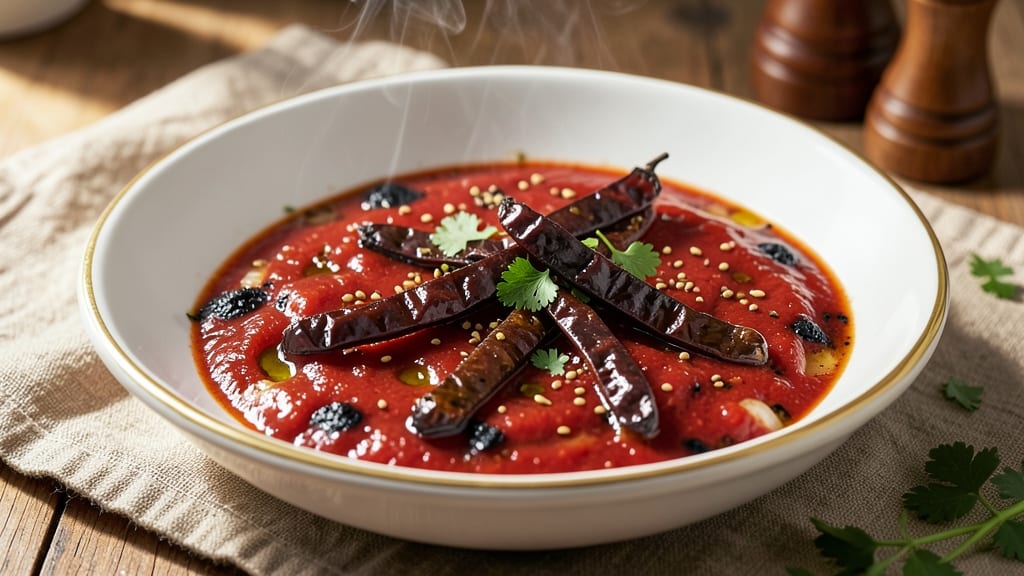
This enchilada sauce recipe with fresh tomatoes transforms simple ingredients into a velvety, smoky masterpiece that clings perfectly to tortillas without clumping. The secret lies in slow-simmered tomatoes, toasted spices, and a touch of chipotle heat that builds depth over time—no roux or cornstarch required. I developed this version after years of battling thick, grainy sauces that ruined my homemade enchiladas.
What sets this sauce apart is the balance of fresh tomato brightness and smoky chipotle warmth, achieved through proper spice toasting and controlled simmering. Unlike store-bought versions, this recipe avoids clumping by blending ingredients thoroughly before cooking, then gently reducing rather than boiling aggressively.
The result is a sauce that's rich enough to stand alone but light enough to soak into tortillas beautifully.
By the time you're done, you'll have a smooth, restaurant-quality sauce that's ready to use immediately or store for up to 3 months in the freezer.
The aroma alone will transform your kitchen into a Mexican cantina, while the flavor delivers that perfect harmony of smoky, tangy, and slightly sweet notes. This is the sauce that finally made my enchiladas taste like they came from a family-owned taqueria.
Use it for enchiladas, tacos, or as a dip—just be prepared to make it again because this version disappears faster than you can say "refried beans."
The technique is straightforward, but the flavor payoff is worth every minute of simmering time. Let's get started on creating sauce that actually tastes homemade.
Ingredients for enchilada sauce recipe fresh tomatoes
Fresh tomatoes and toasted spices create the perfect enchilada sauce foundation.
| Ingredient | Amount | Notes |
|---|---|---|
| Fresh Roma Tomatoes 🍅 | 2 lbs | Ripe, firm, cored and quartered |
| White Onion 🧅 | 1 whole | Medium size, peeled and chopped |
| Garlic Cloves 🧄 | 6 cloves | Peeled, roughly chopped |
| Chipotle Peppers in Adobo 🌶️ | 2 whole | Canned, minced with sauce |
| Extra-Virgin Olive Oil 🫒 | ½ cup | High quality, fruity |
| Cumin Seeds 🌿 | 1 tbsp | Toasted until fragrant |
| Ground Cumin 🌿 | 1 tsp | Freshly ground preferred |
| Mexican Oregano 🍃 | 1 tbsp | Dried, not regular oregano |
| Salt 🧂 | 1 ½ tsp | Diamond Crystal preferred |
| Lime Juice 🍋 | 2 tbsp | Freshly squeezed |
The tomatoes are non-negotiable—Roma or San Marzano if you can find them. Trader Joe's carries great Roma tomatoes year-round, and the flavor difference from regular grocery store tomatoes is worth it. Chipotle peppers in adobo sauce add that signature smoky depth, but Penzeys sells dried chipotle peppers you can toast and blend yourself for even more control. The onion and garlic should be fresh—no powdered shortcuts here. For the cumin, toast the seeds whole in a dry pan for 30 seconds before grinding—this releases their aroma and makes the sauce taste like it's been simmering for hours.
No Mexican oregano? Regular dried oregano at half the amount works in a pinch, but the flavor profile won't be the same. Short on lime juice? Fresh lemon juice is a decent swap, though it's not quite as bright. The olive oil matters—use something fruity and peppery like California Early Harvest. If you're worried about clumping (which this recipe avoids), blend everything raw first—immersion blender or food processor—before simmering. The sauce should be smooth but not thin—it'll thicken as it reduces. For extra richness, stir in 2 tbsp of tomato paste at the end if you're using this for enchiladas.
This sauce tastes even better the next day as the flavors meld. Store in the fridge for up to 5 days or freeze for 3 months—portion into ice cube trays for easy use. The texture changes slightly when frozen, so reheat gently with a splash of water if it seems too thick. I always make a double batch because it disappears fast—enchiladas, tacos, or even as a dip. The aroma alone transforms your kitchen into a Mexican cantina, and the flavor delivers that perfect harmony of smoky, tangy, and slightly sweet notes.
Why You'll Love This Recipe
- Fewer Ingredients, Bigger Impact: I swear by this—just five things on my counter, and boom, sauce. No pantry deep dive, no measuring cups full of spices I’ll never use again. The tomatoes and onion do all the heavy lifting, while the chipotle peppers in adobo add that smoky punch without needing a whole spice rack.
- Smoky-Sweet Magic: That moment when the garlic hits the olive oil? Pure alchemy. The chipotle peppers in adobo caramelize into the sauce, giving it this deep, earthy warmth that clings to every bite. It’s the kind of flavor that makes you pause mid-bite—like someone secretly seasoned it for you.
- Weeknight to Party Star: Same sauce, endless uses. Drown it in rice for enchiladas, slather it on grilled chicken, or toss it with roasted veggies. I’ve even used it as a marinade—it’s that versatile. And honestly? It’s the one sauce I never skip when guests show up.
- Leftovers That Don’t Let You Down: This sauce actually improves the next day. The flavors meld, getting richer and deeper, like a good wine. I make a big batch on Sundays, freeze half, and still have it for lazy nights when I just want to throw something together. Zero waste, all reward.
Step-by-step instructions for smoky chipotle enchilada sauce
Here's how to transform fresh tomatoes into a velvety, clump-free enchilada sauce with deep chipotle heat.
Char and Blister the Vegetables
Heat a large skillet over medium-high heat with no oil. Add the 2 lbs fresh Roma tomatoes, cut-side down, and let them char for 8-10 minutes until blackened in spots. Flip and char the other sides. Meanwhile, add the 1 whole white onion and 6 cloves garlic cloves to the same skillet and cook until deeply browned and caramelized—this builds complex, smoky flavor.
Watch closely as the vegetables cook—they should develop deep brown spots and blister in places. This charring step is crucial for developing the sauce's depth of flavor. Once charred, transfer the vegetables to a cutting board and let them cool slightly before processing.
Toast the Spices and Build the Base
In the same skillet, add the 0.5 cup extra-virgin olive oil over medium heat. Toast the 1 tablespoon cumin seeds for 1-2 minutes until fragrant and lightly golden. Remove the pan from heat and stir in the 1 teaspoon ground cumin, 1 tablespoon Mexican oregano, and 1.5 teaspoons salt.
This toasting step releases the spices' essential oils, intensifying their flavor. Keep the heat moderate—cumin burns quickly. Once the spices are infused in the oil, return the pan to medium heat and add the 2 whole chipotle peppers in adobo, minced with their sauce, to melt into the oil.
Process the Vegetables and Simmer
Transfer the charred vegetables to a blender or food processor. Add the spiced oil mixture and pulse until smooth. Pour the mixture into a saucepan and bring to a gentle simmer over medium-low heat. Cook uncovered for 20-25 minutes, stirring occasionally, until the sauce thickens slightly and reduces by about one-third.
You're looking for a sauce that coats the back of a spoon but isn't gluey. If it thickens too quickly, add a splash of water to maintain consistency. The sauce should smell rich, smoky, and slightly tangy from the charred vegetables and chipotle.
Finish with Lime and Adjust Seasoning
Remove the sauce from heat and stir in the 2 tablespoons lime juice. Taste and adjust seasoning—add more salt if needed or a pinch of sugar to balance acidity. The sauce should be bright, smoky, and well-balanced with a subtle heat from the chipotle.
Let the sauce rest for 10 minutes before using. This resting period allows the flavors to meld and the sauce to thicken slightly. Serve warm over enchiladas, tacos, or use as a dip for tortilla chips. The sauce keeps well in the refrigerator for up to 5 days or can be frozen for 3 months.
Pro Tips For Making Enchilada Sauce Recipe Fresh Tomatoes
- CHAR THE ONION LOW: I learned this the hard way—cooking onions on high heat turns them bitter and burns before they soften. Simmer them in the same pot as the tomatoes over medium-low instead, stirring occasionally. They’ll break down into sweet, jammy bits without tasting like they were charred in a fire.
- SALT THE TOMATOES FIRST: Toss halved tomatoes with a generous pinch of salt and let them sit for 10 minutes before cooking. This draws out water and intensifies their flavor—no more bland, watery sauce. (Yes, even if you’re impatient like me.)
- STRAIN THE PEPPER SAUCE: Chipotle peppers in adobo are packed with seeds and skin that make the sauce grainy. Blend the adobo sauce first, then strain it through a fine-mesh sieve before adding to the pot. Smooth sauce every time—no scraping later.
- COOK THE GARLIC JUST UNTIL FRAgrant: Add minced garlic to the pot when the onions are soft but before the tomatoes fully break down. Cook for 30 seconds—just until you smell it—then add the tomatoes. Burnt garlic ruins everything, and overcooking it turns the sauce bitter. (I know, I know, but trust the process.)
Common mistakes when making this dish
Overcooking Vegetables
Charred tomatoes and onions are the soul of this sauce, but don't let them burn completely. I've ruined batches by walking away while they cook—those blackened spots should be deep brown with some char, not charcoal.
Keep a close eye on them, especially the garlic, which burns in 30 seconds flat. If you notice smoke, immediately remove the pan from heat and let it cool slightly before continuing. 🔥
Skipping Spice Toasting
Toasted spices release their essential oils, which is what gives homemade enchilada sauce its depth. If you skip this step and just add ground spices directly, your sauce will taste flat and one-dimensional.
I recommend toasting the cumin seeds in the dry skillet first—they should sizzle and turn golden before you add oil. This takes just 1-2 minutes but makes a world of difference.
Using Wrong Heat Level
The sauce needs to simmer gently over medium-low heat for 20-25 minutes. Too high heat causes it to boil vigorously, which creates a skin and prevents proper reduction. I've seen people crank the heat to medium-high and end up with a thick, gluey mess.
Keep it at a gentle simmer where you see small bubbles occasionally. If it starts boiling hard, reduce the heat immediately.
Not Blending Thoroughly
Many recipes call for rough chopping vegetables before simmering, but that leads to clumps in your sauce. Instead, blend everything raw first—vegetables, spices, and oil—until completely smooth.
I use an immersion blender for convenience, but a food processor works too. This ensures your sauce will be velvety, not chunky, even after simmering. 💫
Adding Lime Too Early
Lime juice brightens the sauce, but adding it too soon can make the acidity overpower the other flavors. Always add the 2 tablespoons lime juice at the very end, after simmering.
If you add it earlier, you'll need to compensate with more salt and sugar later. The sauce should have a balanced acidity that enhances, not dominates, the smoky chipotle flavors.
Ignoring Resting Time
Rushing to use the sauce immediately after cooking is a common mistake. Let it rest for 10 minutes before using—this allows flavors to meld and the sauce to thicken slightly. I've served sauce straight from the pot only to have it separate or taste uneven.
The resting time is especially important if you're using this for enchiladas, where texture matters most. 💡
Nutrition facts
Frequently asked questions
Can I substitute canned tomatoes for fresh in this enchilada sauce?
Fresh tomatoes give the sauce a brighter, more vibrant flavor, but you can use 2 (28 oz) cans of crushed tomatoes in a pinch. For best results, drain most of the liquid first to prevent a watery sauce. Add 1 extra tablespoon of lime juice to compensate for the lack of fresh acidity. The charred flavor will be less pronounced, but the sauce will still taste delicious.
How do I adjust the heat level if chipotle is too spicy?
Start by reducing the amount of chipotle peppers—try 1 pepper instead of 2 for a milder heat. If you've already added them, balance the spice by adding 1 extra tablespoon of lime juice or a pinch of sugar to mellow the flavor. For a creamier texture, stir in 2 tablespoons of sour cream at the end, but this will slightly thin the sauce.
Can I make this sauce without a blender?
Yes! If you don’t have a blender, finely chop the charred tomatoes, onion, and garlic into a very fine pulp (almost paste-like). Simmer the mixture with the spices and oil for 30-40 minutes instead of 20-25 minutes to help break down the fibers. The sauce won’t be as smooth, but it will still be flavorful. For extra smoothness, press the cooked mixture through a fine-mesh strainer after simmering.
What’s the best way to use leftover enchilada sauce?
This sauce freezes beautifully—portion it into ice cube trays and transfer to a freezer bag for easy single-use servings. Thaw overnight in the fridge. For quick meals, use it as a dip with tortilla chips, a topping for grilled meats, or a base for breakfast burritos. It also works well in soups or as a marinade for chicken or shrimp. The flavor actually improves after a day or two in the fridge!
Why does my sauce turn out too thick or too thin?
If the sauce is too thick, stir in 1-2 tablespoons of water or broth while simmering. For a thinner sauce, reduce the simmering time slightly or add a splash of water at the end. The key is to simmer gently over medium-low heat—boiling too hard causes it to thicken unevenly. If it’s still too thin after cooking, let it rest for 15-20 minutes uncovered; it will thicken naturally as it cools.