
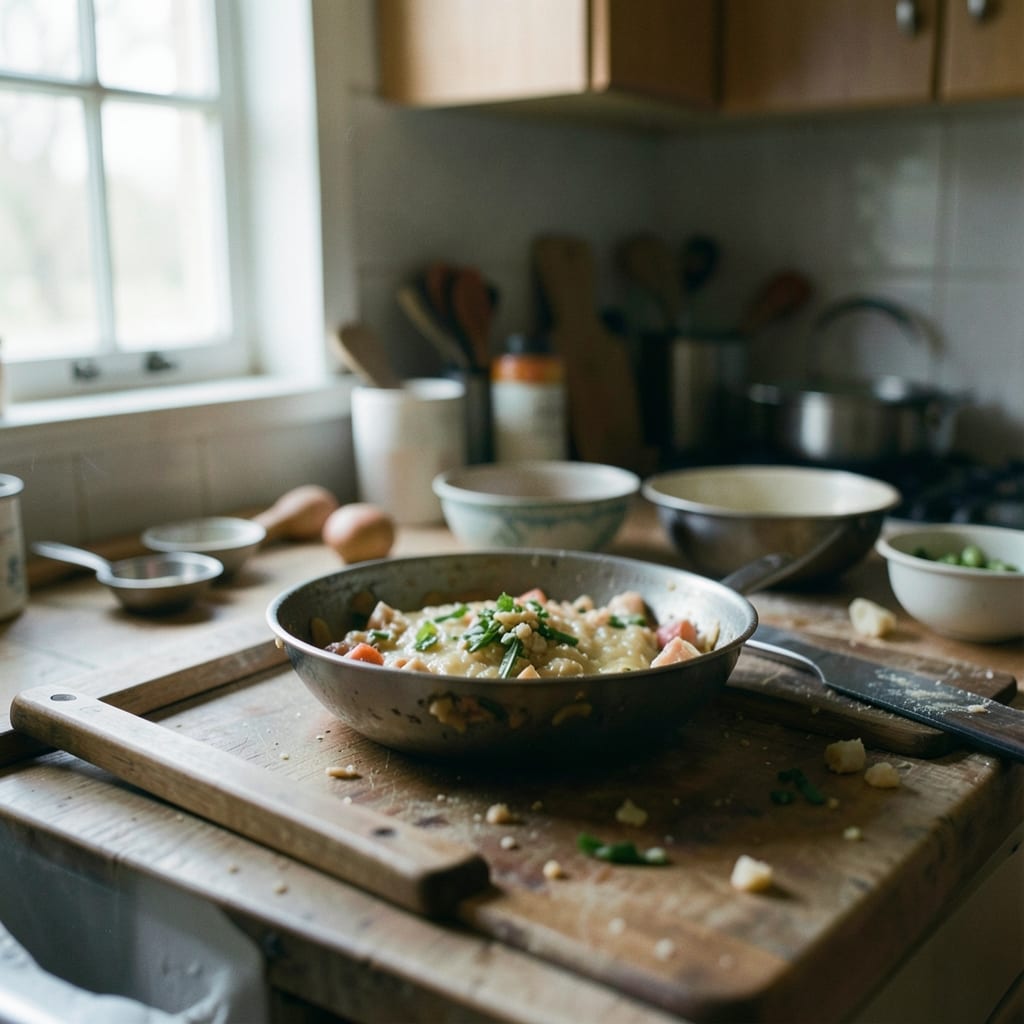
Why this site exists
You’re standing in your kitchen, holding a recipe card that promises bold flavors but delivers something flat. The instructions assume you have a pantry stocked like a restaurant, or that you can eyeball measurements without disaster.
The steps skip the parts that actually matter—the adjustments, the timing, the way a dish changes when you tweak one ingredient.
This site fixes that. Every recipe here starts with the question *‘What would make this work in a real kitchen?’*—not a test lab. No shortcuts, no pretenses. Just the techniques that hold up, the shortcuts that don’t, and the flavors that stick.
Who writes this site

Perry Prescott is the founder and editor.
Do you test every recipe yourself?
Yes. Even the ones I’ve made a hundred times. I remake them with the exact ingredients I’d ask a reader to buy, in the same pot, on the same stove. If it fails once, it’s not published.
What’s the worst mistake you’ve made in a recipe?
Over-salting a tomato sauce and calling it ‘depth of flavor.’ Happened twice. Now I taste as I go, no exceptions.
Why isn’t a specific dish here?
Either I haven’t nailed it yet, or it’s not something I’d make for my own family. If it’s not worth repeating, it’s not worth writing.
There’s a wooden spoon leaning against the stove—it’s chipped from years of stirring sauces that refused to thicken. I keep it there as a reminder: the best recipes aren’t about fancy tools or rare ingredients.
They’re about the things that break, the flavors that linger, and the fact that even a burnt edge can sometimes be saved.
How a recipe is built
A recipe here starts with a question, not a technique. *‘What’s the one thing that makes this dish unforgettable?’* It could be a spice, a resting time, or a trick to hide where you cut corners.
The rest is figuring out how to make that work without a degree in chemistry.
The first draft
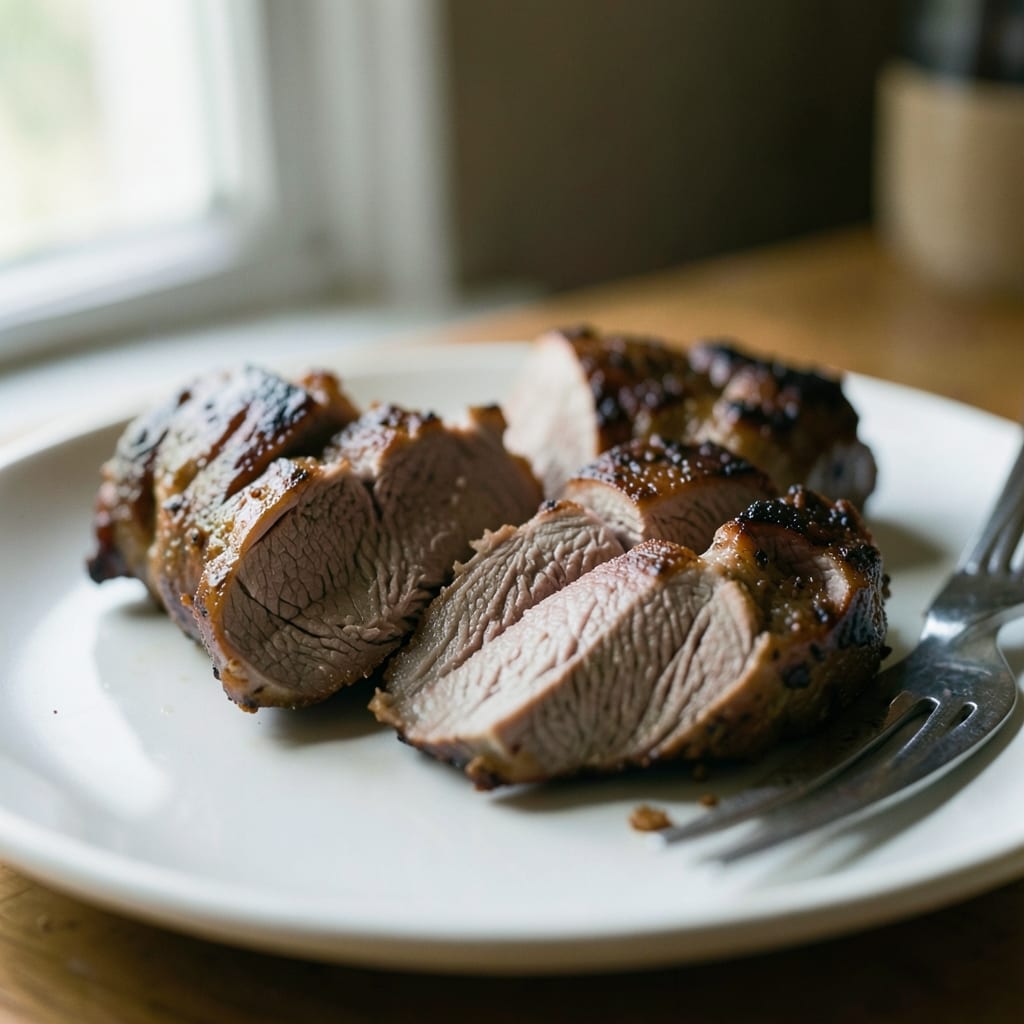
I write the recipe as I cook it—no notes, no second takes. If I realize halfway through that the garlic needs to toast longer, I stop and do it. The first version is always messy. The second version is where the real work begins.
The fixes
Every recipe gets tested three more times. Once with cheap ingredients, once with expensive ones, and once while distracted (because real life happens). The numbers stay the same, but the instructions change—*‘Add the salt at the end’* becomes *‘Taste it now, or you’ll regret it.’*
What we will not do
This site won’t pretend that cooking is always intuitive, that every dish can be rushed, or that a recipe is just a list of steps.
We won’t substitute ‘quick’ for ‘good,’ or ‘easy’ for ‘foolproof.’ And we won’t ignore the fact that sometimes, the best way to learn is by burning something first.
Things you will never find here
- Recipes that require ingredients you can’t find outside a specialty store.
- Steps that assume you’re measuring in grams with a digital scale.
- ‘Secret’ techniques that are just marketing.
- Dishes that take longer to describe than they do to make.
Where to start
Begin with the *Bold Flavors* section if you want dishes that taste like they were made with intention. Check *Timeless Technique* if you’re tired of recipes that fail when you’re tired.
And if you’re lost, use the search—every recipe here is tagged by what it fixes, not just what it is.
Say hello
I like hearing about the dishes you’ve remade, the flavors you’ve argued with, or the pans you’ve ruined trying to get it right. If you’ve got a question or a story, there’s a contact page for that.
The recipes are grouped by category: Appetizers, Beverages, Breakfast & Brunch, Desserts, Main Courses and Reviews.