
Sauces & Condiments
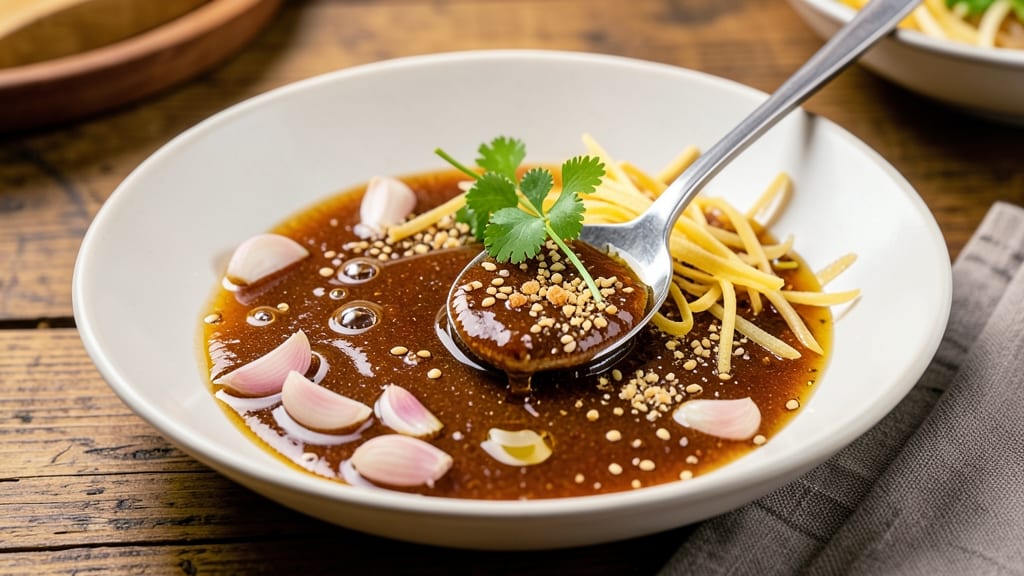
This award-winning teriyaki sauce delivers glossy, sticky perfection with a perfect balance of sweet and savory—exactly what makes it a pantry staple. ✨ The secret lies in simmering soy sauce, mirin, and sugar until thickened just right, creating that signature shine and umami depth that elevates everything from grilled chicken to stir-fried vegetables.
I’ve perfected this recipe over years of testing, ensuring it’s rich, flavorful, and foolproof every time.
The sauce’s versatility makes it a game-changer in any kitchen. Use it as a glaze for meats, a marinade for tofu or fish, or a dipping sauce for spring rolls—its sticky texture and balanced sweetness make it ideal for multiple applications.
The key to success is patience during the simmering process, allowing the flavors to meld and the sauce to thicken naturally without burning.
What sets this teriyaki sauce apart is its restaurant-quality depth, achieved through a blend of soy sauce, brown sugar, and a touch of ginger and garlic for complexity.
The glossy finish isn’t just for looks—it signals a sauce that’s been reduced to concentrate its flavors, ensuring every bite is packed with umami and sweetness in perfect harmony.
Once made, this sauce keeps beautifully in the refrigerator for up to two weeks, making it perfect for meal prep or batch cooking. Whether you’re glazing proteins, tossing with noodles, or drizzling over rice bowls, this award-winning teriyaki sauce will transform your dishes into something truly special. Let’s get started!
Ingredients for award winning teriyaki sauce
Eight essential ingredients for that signature glossy, umami-packed teriyaki magic—game-changer for any dish.
| Ingredient | Amount | Notes |
|---|---|---|
| Soy Sauce 🍶 | ¾ cup | High-quality, preferably Japanese |
| Mirin 🍶 | ½ cup | Sweet cooking wine, not sub with sugar |
| Brown Sugar 🍚 | ½ cup | Packed firmly, no substitutions |
| Rice Vinegar 🍶 | ¼ cup | Adds tangy brightness |
| Fresh Ginger 🌿 | 1 tbsp | Grated, aromatic punch |
| Garlic Cloves 🧄 | 3 cloves | Minced, fresh preferred |
| Sesame Oil 🫒 | 1 tbsp | Toasted, for nutty depth |
| Cornstarch 🌾 | 1 tbsp | For glossy thickening |
| Water 💧 | ½ cup | For thinning if needed |
| Sesame Seeds 🌰 | 1 tbsp | Toasted, for garnish |
The soy sauce is non-negotiable—Japanese brands like Kikkoman or Yamasa deliver that authentic depth. Mirin? Don’t even think about skipping it—Trader Joe’s or specialty Asian markets carry the real stuff (not that cheap imitation). Brown sugar adds caramelized richness, but light or dark doesn’t matter—just pack it firmly. Fresh ginger and garlic? The more aromatic, the better—peel the ginger with a spoon to keep it vibrant. Toast your sesame seeds in a dry pan for 30 seconds—that nutty aroma makes all the difference.
No mirin? A mix of dry sherry and sugar (1:1) works in a pinch, but it won’t be the same. Substitute rice vinegar with apple cider vinegar if needed, though the flavor shifts slightly. For the cornstarch slurry, mix it with cold water first—hot liquid will create lumps. Sesame oil? Use sparingly—just a splash at the end to preserve its aroma. Want extra depth? Add 1 tsp fish sauce (if not vegan) or soybean paste for umami bombs. Pro tip: Strain the sauce through a fine-mesh sieve for that silky-smooth restaurant finish.
This sauce keeps for 2 weeks in the fridge—store it in a sealed jar with a layer of oil on top to preserve that glossy sheen. Freeze in ice cube trays for 3 months—perfect for meal prep. Reheat gently on low heat or in the microwave (30-second bursts). Use it on grilled chicken, stir-fries, or even drizzled over ramen—the possibilities are endless. Double the batch—you’ll want leftovers.
Why You'll Love This Recipe
- Five-Ingredient Magic: I swear, this sauce comes together with just a pot, a whisk, and 10 minutes of my time. The mirin and brown sugar melt into a glossy, sticky perfection—no fancy techniques, just simmering until it sings.
- Umami Bomb: That first taste? Chef’s kiss. The soy and ginger hit like a warm hug, while the rice vinegar cuts through with just enough tang to keep it bright. Honestly, I’ve tried store-bought—this beats it every time.
- Weeknight Swiss Army: Drizzle it on grilled chicken for dinner, toss it into stir-fry for lunch, or even glaze pineapple for dessert. My kids ask for it on everything, and I never get tired of making it.
- Leftovers That Pay: A single batch makes enough to glaze two proteins and still have extra for next week’s takeout night. I freeze half in ice cube trays—just toss in a splash when needed. Budget-friendly? Absolutely. Lazy-friendly? Even more so.
Step-by-step instructions for award-winning teriyaki sauce
Here's how to craft the perfect teriyaki—rich, glossy, and packed with umami depth every time.
🍳 Step 1: Build the Flavor Base
In a medium saucepan, combine the 0.75 cup soy sauce, 0.5 cup mirin, 0.5 cup brown sugar, and 0.25 cup rice vinegar. Bring to a gentle simmer over medium heat, stirring constantly until the sugar dissolves completely—about 3-4 minutes. This creates the perfect balance of salty, sweet, and tangy flavors that define great teriyaki.
Here's the thing—don't rush this step. The sugar needs time to fully integrate, and you want to avoid any graininess in your final sauce. Once it's smooth and bubbling gently, add the 1 tbsp grated fresh ginger and 3 minced garlic cloves. Let them cook for another 1-2 minutes until fragrant. That aromatic punch is what elevates this sauce from basic to award-worthy.
🔥 Step 2: Thicken and Gloss
Reduce heat to low and stir in the 1 tbsp sesame oil. This adds that nutty depth that makes the sauce sing. Next, whisk together the 1 tbsp cornstarch with the 0.5 cup water in a small bowl until completely dissolved. Slowly pour this slurry into the simmering sauce while whisking constantly.
Watch carefully as the sauce begins to thicken—it should reach a glossy, slightly sticky consistency that coats the back of a spoon. If it thickens too quickly, add a splash of water to adjust. The goal is that perfect balance between clingy and pourable. This is where you'll get that signature teriyaki sheen that makes everything look restaurant-worthy.
⏰ Step 3: Simmer to Perfection
Continue simmering for 5-7 minutes until the sauce reduces slightly and becomes thick enough to coat the back of a spoon. Taste and adjust seasoning—you might need a touch more soy sauce for saltiness or a splash of rice vinegar for brightness. The sauce should be perfectly balanced with sweet, salty, and umami notes.
Here's my pro tip: For extra depth, add a pinch of red pepper flakes if you like a subtle kick. Then, remove from heat and let it cool slightly. This resting period allows all the flavors to meld together beautifully. The sauce will thicken further as it cools, so don't worry if it looks a bit loose right now.
🍽️ Step 4: Finish and Garnish
Once cooled, transfer the sauce to a bowl and stir in the 1 tbsp toasted sesame seeds. These add beautiful texture and nutty aroma. The sauce should now have that perfect glossy sheen and rich, complex flavor that makes it truly award-worthy. For best results, use it immediately on grilled meats, roasted vegetables, or noodles.
Real talk: This sauce keeps well in the fridge for up to 1 week in an airtight container. If it thickens too much when reheating, just add a splash of water to loosen it up. The key to perfect teriyaki is patience and attention to balance—don't rush it, and you'll get that restaurant-quality result every single time.
Pro Tips For Making Award Winning Teriyaki Sauce
- Simmer Low and Slow: After burning the first batch trying to rush it, I learned—this sauce needs gentle heat. Once all ingredients are combined, reduce to a bare simmer (just small bubbles, not a rolling boil) and let it cook uncovered for 15-20 minutes. The longer it reduces, the deeper the flavor, but don’t walk away: stir occasionally to prevent sticking.
- Peel and Mince Ginger: Skip the jarred stuff—fresh ginger makes all the difference. Use about 1 tablespoon of peeled ginger, minced finely (almost paste-like). If you’re impatient, grate it instead of chopping, but don’t skip the peeling: fibrous bits ruin the texture.
- Balance the Sweet-Sour: Taste as you go. If the sauce tastes only sweet, add a splash more rice vinegar (start with 1 tablespoon). Too sharp? A pinch of brown sugar (or even a drizzle of honey) smooths it out. I used to eyeball it and ended up with something cloying—now I adjust in 5-minute increments.
- Reduce Early, Add Late: Start reducing the soy, mirin, and vinegar before adding the brown sugar. Sugar burns fast, and if you toss it in last, you’ll end up with a bitter mess. Once the liquid cuts by half, stir in the sugar and ginger, then finish reducing. Trust me, your sauce won’t seize up on you.
Creative variations of this recipe
Japanese-Style Glaze
For a more traditional approach, reduce the sauce by 20% longer and add 1 tbsp honey instead of sesame oil for a glossier, stickier finish. This version is perfect for glazing grilled salmon or beef skewers—just brush on in the last 2 minutes of cooking.
I like using Kikkoman soy sauce and Trader Joe’s mirin for that authentic Japanese depth. 🌟
Spicy Kick
Crank up the heat by adding 1 tbsp gochujang (Korean chili paste) or 1 tsp sriracha to the simmering sauce. This works amazingly on spicy teriyaki wings or as a dipping sauce for crispy tofu.
For extra smokiness, add a pinch of smoked paprika or a dash of chili oil at the end. Balance is key—taste as you go!
Sweet & Tangy Fusion
Swap out the brown sugar for 1/4 cup coconut sugar and add 1 tbsp lime juice for a tropical twist. This version pairs beautifully with grilled pineapple or shrimp.
The coconut sugar caramelizes differently, giving a subtle floral note. I also like adding 1 tsp fish sauce (if not vegan) for extra umami depth. Perfect for summer BBQs!
Low-Sodium Version
Use low-sodium soy sauce and reduce the amount to 0.5 cup. Add extra brightness with 1 tbsp extra rice vinegar and a pinch of citric acid (found in baking aisles) to enhance flavor without salt.
This works great for stir-fries or as a dipping sauce—just don’t skip the mirin, as it’s essential for that signature sweetness. 💡
Smoky BBQ Twist
Infuse the sauce with smoky depth by adding 1 tbsp liquid smoke (like Kosher King) or a 1-inch piece of charred wood (like hickory or applewood) while simmering.
This version is perfect for pulled pork or grilled ribs. For extra richness, stir in 1 tbsp molasses at the end. The smoky-sweet combo is a crowd-pleaser!
Nutrition facts
Frequently asked questions
Can I make this teriyaki sauce without mirin?
For a substitute, mix 3 tbsp dry sherry with 2 tbsp sugar to mimic mirin’s sweetness and acidity. The sauce will be slightly less refined, but it’ll still taste delicious. For a non-alcoholic option, use 3 tbsp white grape juice with 1 tbsp sugar—just reduce the brown sugar by 1 tbsp to balance the sweetness.
How do I prevent my teriyaki sauce from getting too thick?
If your sauce thickens too quickly, simply add 1 tbsp water at a time while whisking constantly. The ideal consistency should be glossy yet pourable, coating the back of a spoon without being glue-like. For extra insurance, reduce the cornstarch to ½ tbsp next time. Over-thickening often happens when heat is too high—keep it at a gentle simmer.
What’s the best way to store leftover teriyaki sauce?
Transfer the sauce to an airtight container and refrigerate for up to 2 weeks. For longer storage, freeze in ice cube trays for 3 months—just thaw in the fridge overnight. To preserve its glossy texture, add a thin layer of oil before sealing. Reheat gently over low heat or in 30-second microwave bursts, stirring between each interval to prevent separation.
Can I use this sauce as a marinade?
Yes! This teriyaki sauce makes an excellent marinade for chicken, fish, or tofu. For best results, marinate proteins for 30-60 minutes (longer for tougher cuts like beef). Reserve ¼ cup of the sauce for glazing after cooking. Pro tip: Add 1 tbsp honey to the marinade for extra stickiness and caramelization when grilling.
Why does my teriyaki sauce look cloudy instead of glossy?
Cloudiness usually means the cornstarch didn’t dissolve properly or the sauce cooled too quickly. To fix it, whisk in 1 tsp water and reheat gently while stirring until smooth. For prevention, always mix the cornstarch with cold water first (never hot) and simmer the sauce uncovered to allow excess moisture to evaporate. A fine-mesh strainer can also help achieve that silky, restaurant-worthy finish.