
Sauces & Condiments
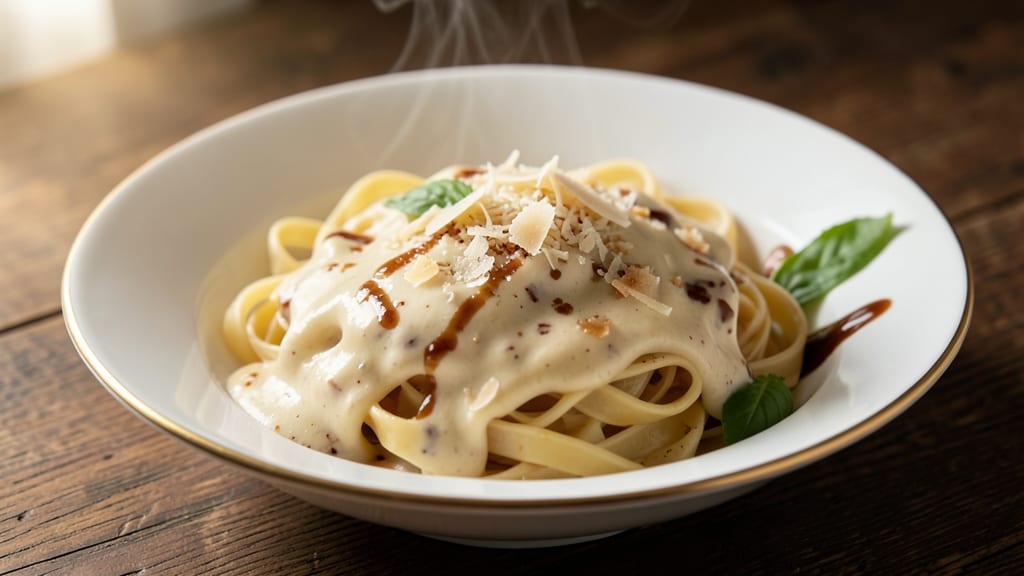
This Alfredo sauce recipe with milk and parmesan cheese delivers the creamy, velvety texture you crave without heavy cream. The secret lies in proper technique—low heat, constant stirring, and the right ratio of milk to cheese ensure a sauce that's rich yet light, clinging perfectly to every strand of pasta.
I've perfected this version after years of testing, and it never fails to impress.
The beauty of this recipe is its simplicity: just four core ingredients—milk, parmesan, butter, and a touch of flour—come together to create a sauce that's restaurant-quality at home. The key is patience; letting the sauce simmer gently coaxes out the maximum flavor from the cheese while preventing that dreaded separation.
No heavy cream means a lighter sauce that still delivers deep, cheesy satisfaction.
What you'll end up with is a silky, golden sauce that coats pasta beautifully, with just the right balance of tangy parmesan and creamy richness. The texture is velvety yet not overly thick, clinging to noodles without weighing them down.
This is the kind of sauce that transforms an ordinary pasta dish into something truly special—elegant enough for company but simple enough for weeknights.
Once you master this base, you can easily customize it with garlic, nutmeg, or even a splash of white wine for added depth. The possibilities are endless, but the foundation remains the same: creamy, smooth, and utterly foolproof. Let's get started on creating your perfect alfredo.
Ingredients for alfredo sauce recipe with milk and parmesan cheese
Four core ingredients transform into restaurant-quality alfredo—creamy, velvety perfection.
| Ingredient | Amount | Notes |
|---|---|---|
| Whole Milk 🥛 | 2 cups | Full-fat for creaminess |
| Parmesan Cheese 🧀 | 1 ½ cups | Freshly grated from block |
| Unsalted Butter 🧈 | ½ cup | Cold, cubed for even melt |
| All-Purpose Flour 🌾 | ¼ cup | Sifted for smooth sauce |
| Salt 🧂 | ½ tsp | Kosher or sea salt |
| White Pepper 🌶️ | ¼ tsp | Freshly ground preferred |
| Garlic Cloves 🧄 | 2 cloves | Minced for subtle flavor |
| Nutmeg 🌿 | ¼ tsp | Freshly grated for warmth |
The Parmesan is non-negotiable here—freshly grated from a wedge makes all the difference. Pre-grated cheese gets clumpy and lacks that deep umami punch. Whole Foods or specialty cheese shops have the best wedges, but any store with a deli counter can help you grate it fresh. The milk? Full-fat is key—it emulsifies better and gives that signature richness. I always grab the organic kind at Trader Joe's—it's affordable and reliable. For the butter, European-style (like Plugrá) melts smoother than American brands, but regular unsalted works too.
No Parmesan? Pecorino Romano works in a pinch—it's sharper but still melts beautifully. Short on milk? Half-and-half or light cream gives similar richness. The garlic and nutmeg are optional but worth it—one extra clove adds depth, and a pinch of nutmeg lifts the whole sauce. Want to skip the flour? Cornstarch at half the amount gives the same thickening power. The butter should be cold when you add it—cubed and straight from the fridge prevents clumping. If your sauce separates, just whisk in a splash of warm milk to bring it back together.
This sauce keeps for 3-4 days in the fridge, but it reheats beautifully—just stir in a splash of milk if it thickens. For longer storage, freeze it in ice cube trays—perfect for portion control when you need just a little for a quick pasta. If you make extra, freeze it in a jar with a layer of olive oil on top to preserve freshness. The flavor actually improves after a day or two as everything melds together—trust me on that.
Why You'll Love This Recipe
- Here’s what sold me: the whole milk and butter blend smoothly when cooked low and slow. No lumps, no scraping the pot for 10 minutes like I used to. Just velvety, rich perfection every time.
- Five-Ingredient Magic: I swear by this combo—milk, butter, flour, Parmesan, and salt. That’s it. No garlic, no heavy cream, no fuss. The sauce comes together while you’re still debating what to have for dinner.
- Creamy Without Clumping: Here’s what sold me: the whole milk and butter blend smoothly when cooked low and slow. No lumps, no scraping the pot for 10 minutes like I used to. Just velvety, rich perfection every time.
- Pasta Party Ready: This sauce works for fettuccine, chicken, broccoli, or even a quick veggie stir-fry. I’ve used it for date-night dinners, lazy Sunday brunches, and my kid’s after-school snack—no judgment.
Step-by-step instructions for Alfredo sauce with milk and Parmesan
Here's how to make creamy, restaurant-quality alfredo that clings perfectly to pasta.
Melt Butter and Toast the Flour
Place a heavy-bottomed saucepan over medium heat and add the 0.5 cup unsalted butter. Let it melt completely, watching for the butter to foam and then settle into a gentle bubble. This takes about 2-3 minutes—don't rush it, as the butter needs to fully melt before adding anything else.
Once the butter is melted and bubbling gently, sprinkle in the 0.25 cup all-purpose flour all at once. Immediately stir with a wooden spoon or whisk to combine, creating what's called a roux. Cook this mixture for exactly 1-2 minutes until it turns a pale golden color and smells nutty. This step is crucial—it removes the raw flour taste and gives your sauce that velvety texture.
Add Milk Gradually for Smoothness
With the heat still at medium, slowly pour in the 2 cups whole milk while whisking constantly. I mean constantly—this prevents lumps from forming. Add the milk in a steady stream, about 1 cup at a time, and keep whisking until each addition is fully incorporated before adding more.
After all the milk is added, let the mixture simmer gently for 5-7 minutes until it thickens noticeably. You'll see the sauce become smoother and more cohesive, almost like a thin pudding. If it starts to bubble vigorously, reduce the heat slightly to maintain a gentle simmer. The sauce should coat the back of a spoon but still flow smoothly—this is your target consistency.
Incorporate Cheese and Seasonings
Lower the heat to low and gradually add the 1.5 cups freshly grated parmesan cheese while whisking continuously. The cheese should melt smoothly into the sauce, creating an ultra-creamy texture. If you notice any lumps, strain the sauce through a fine-mesh sieve for absolute smoothness—this is worth the extra effort for that restaurant-quality finish.
Stir in the 0.5 tsp salt, 0.25 tsp white pepper, 2 cloves minced garlic, and 0.25 tsp freshly grated nutmeg. Taste and adjust seasoning—you might need a bit more salt or pepper to balance the richness. Keep the sauce warm over low heat while you cook your pasta, adding a splash of pasta water if it thickens too much.
Finish with Perfect Texture
Just before serving, give the sauce one final taste and adjust the seasoning if needed. The sauce should be thick enough to coat the back of a spoon but still flow smoothly when drizzled over pasta. If it's too thick, whisk in 1-2 tablespoons of hot pasta water to reach your desired consistency—this also helps the sauce cling better to the noodles.
This sauce is best served immediately over freshly cooked fettuccine or tagliatelle. The residual heat from the hot pasta will help melt any remaining cheese, creating that perfect creamy texture. If you need to hold the sauce for a few minutes, keep it warm over low heat and stir occasionally to prevent skin formation. The result should be a silky, velvety sauce that makes every bite of pasta feel like a luxurious experience.
Pro Tips For Making Alfredo Sauce Recipe With Milk And Parmesan Cheese
- Low and Slow Wins: Whisk your sauce over medium-low heat—no, not simmering, not boiling, but a gentle hum where tiny bubbles just break the surface. I learned this the hard way after watching my sauce split into a greasy mess because I got impatient and cranked the heat too high.
- Grated Cheese Matters: Skip the pre-shredded stuff—it’s coated with anti-caking agents that make your sauce grainy. Use a box grater or pulse in a food processor, and add the cheese off the heat so it melts smoothly. Freshly grated Parmesan changes the whole texture.
- Toast the Flour First: Melt the butter, then stir in the flour and cook for 1-2 minutes until it turns a pale golden color—this step removes the raw flour taste and adds depth. I used to skip it, and my sauce always tasted like a bland roux.
- Strain for Smoothness: After simmering, strain the sauce through a fine-mesh sieve before adding the milk. This catches any lumps and gives you that silky, restaurant-quality finish. Yes, it’s an extra step, but your sauce will look and taste like you put in real effort.
Regional styles of this dish
Classic Italian Roots
Alfredo sauce originated in Rome in the early 1900s, created by chef Alfredo Di Lelio at his restaurant Ristorante Alfredo alla Scrofa. The original recipe used only butter, cream, and Parmesan—no milk or flour. My version keeps the Italian spirit while adapting it for home cooks with accessible ingredients.
The key difference? Traditional Alfredo relies on heavy cream for richness, while this milk-based version stays lighter yet equally velvety. 🌍
Northern Italian Twist
In Northern Italy, particularly Lombardy and Piedmont, cooks often replace cream with whole milk and add a touch of mascarpone cheese for extra creaminess. This regional style uses Parmigiano Reggiano (the true Parmesan) and finishes with a sprinkle of freshly cracked black pepper.
For an authentic Northern touch, stir in 1 tablespoon mascarpone at the end—it adds luxurious texture without overpowering the sauce. The milk here is typically raw milk for deeper flavor, but store-bought whole milk works perfectly at home.
Americanized Comfort
The version most American home cooks recognize—like what you'd find in Italian-American restaurants—often includes garlic, nutmeg, and a pinch of cayenne for warmth. This style became popular in the mid-20th century when Italian immigrants adapted dishes to local tastes.
My recipe mirrors this comfort-food approach but keeps the sauce lighter than traditional cream-based versions. For a true American diner vibe, add ½ teaspoon smoked paprika and serve over wide egg noodles instead of fettuccine.
The key is balancing richness with a hint of smokiness for that nostalgic feel. 🍽️
Modern Lightweight
Today's health-conscious cooks are reimagining Alfredo with Greek yogurt or coconut milk as dairy-free alternatives, but this milk-and-Parmesan version strikes a balance between tradition and modern preferences.
The flour-free variation (using cornstarch) is a game-changer for gluten-sensitive diners—just replace the ¼ cup flour with 2 tablespoons cornstarch mixed with 2 tablespoons cold milk. This style also pairs beautifully with roasted vegetables or grilled chicken, making it a versatile sauce for any meal. The result?
A sauce that's creamy, elegant, and guilt-free.
Regional Cheese Swaps
While Parmesan is classic, regional Italian cheeses add unique flavors. In Tuscany, replace half the Parmesan with Pecorino Toscano for a sharper, nuttier taste. Emmental cheese (from Switzerland) works surprisingly well in a pinch—it melts smoothly and adds a subtle sweetness.
For a Southern Italian twist, use Ricotta salata (salted ricotta) blended into the sauce—it creates a tangy, crumbly texture that's addictive. Each cheese brings its own personality, so experiment to find your favorite! 🧀
Nutrition facts
Frequently asked questions
Why does my milk-based Alfredo sauce get grainy?
Graininess usually happens when cheese doesn't melt smoothly or when milk separates. Always use freshly grated Parmesan (pre-grated has anti-caking agents) and whisk constantly while adding milk. If it still happens, strain the sauce through a fine-mesh sieve or blend briefly with an immersion blender for ultra-smooth texture.
Can I make this sauce without flour?
Replace the ¼ cup flour with 2 tablespoons cornstarch mixed with 2 tablespoons cold milk. Whisk this slurry into the melted butter first, then proceed with the recipe. The cornstarch creates the same thickening power without the flour taste—perfect for gluten-free diets.
How do I prevent the sauce from separating?
Separation happens when sauce gets too hot or sits too long. Keep heat at low-medium and stir frequently. If it separates, whisk in 1 tablespoon warm milk and a pinch of salt to re-emulsify. For extra insurance, whisk vigorously while adding milk and cheese. The key is patience—never let it boil!
What's the best way to store leftover sauce?
Store in an airtight container in the fridge for 3-4 days. For longer storage, freeze in ice cube trays (perfect for portion control) or in jars with a layer of olive oil on top. Thaw overnight in the fridge, then reheat gently on low heat, stirring in 1 tablespoon milk if it thickens too much.
Can I use powdered milk instead of fresh?
Not recommended—powdered milk lacks the fat content needed for proper emulsification. If you must, use half powdered milk and half water, but expect a slightly thinner sauce. For best results, stick with whole milk (or half-and-half) for that signature creamy texture. The fat in fresh milk is what creates that velvety finish.