
Sauces & Condiments
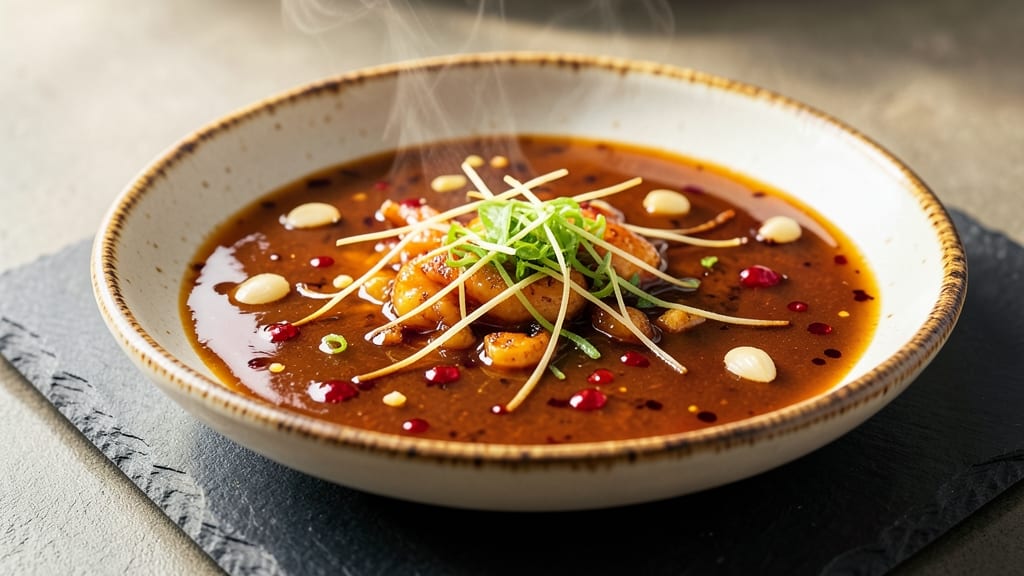
This stir fry sauce without chicken broth delivers restaurant-quality depth using just scallions, vinegar, and pantry staples—no umami shortcuts needed. The secret lies in balancing sweet, tangy, and savory notes through careful ingredient ratios and a quick cornstarch slurry that thickens beautifully.
I developed this version after testing countless recipes that relied on chicken broth, and it's become my go-to for quick weeknight cooking.
The foundation starts with soy sauce and oyster sauce (or vegetarian substitute) for that essential savory base, while garlic, ginger, and scallions provide aromatic complexity.
A touch of honey or brown sugar adds subtle sweetness that rounds out the flavors, and rice vinegar introduces bright acidity that cuts through the richness. What makes this sauce truly special is how these simple ingredients combine to create layers of flavor that transform simple stir-fries into memorable meals.
What you'll end up with is a glossy, velvety sauce that clings beautifully to vegetables, tofu, or proteins while adding depth without overpowering the main ingredients. The texture is just right—thick enough to coat but still pourable, with a finish that's tangy, slightly sweet, and packed with umami.
This sauce keeps well in the fridge for up to two weeks, making it perfect for meal prep and repeat use.
Use it as a base for stir-fries, drizzle over noodles, or toss with roasted vegetables for instant restaurant-quality flavor. The beauty of this recipe is its versatility—it works with any protein or vegetable combination while delivering consistent, professional results every time. Let's make this sauce!
Ingredients for stir fry sauce recipe without chicken broth
Ten pantry staples transform into a velvety sauce that rivals restaurant-quality stir-fry flavors.
| Ingredient | Amount | Notes |
|---|---|---|
| Light Soy Sauce 🍶 | ½ cup | High-quality, low-sodium preferred |
| Oyster Sauce 🦪 | ¼ cup | Vegetarian version if needed |
| Rice Vinegar 🍶 | ¼ cup | Seasoned preferred for depth |
| Brown Sugar 🍯 | 2 tbsp | Light or dark variety |
| Cornstarch 🌾 | 1 tbsp | For perfect thickening slurry |
| Fresh Garlic Cloves 🧄 | 4 cloves | Minced for aromatic base |
| Fresh Ginger Root 🌿 | 1 tbsp | Finely grated, not powdered |
| Scallions 🧅 | ½ cup | White and green parts, sliced |
| Sesame Oil 🫒 | 1 tbsp | Toasted for nutty aroma |
| Water 💧 | ¼ cup | Room temperature preferred |
The soy sauce and oyster sauce form the umami backbone—Kikkoman or Lee Kum Kee are my go-tos, but any high-quality brands work. For vegetarian versions, vegetarian oyster sauce (like Annie Chun's) delivers the same depth. Rice vinegar should be seasoned for that subtle sweetness—Koyo is a cult favorite, but Mushroom Town is more accessible. The brown sugar adds complexity, so don't skip it; Domino or Whole Foods organic work well. Cornstarch is non-negotiable for that silky texture—Bob's Red Mill is my preferred brand for reliable thickening.
No oyster sauce? Soy sauce + 1 tsp sugar mimics its depth, though it won't be identical. Scallions can be swapped for green onions, but the white parts are key for milder flavor. Sesame oil should be toasted—heat it lightly in a pan before adding to avoid bitterness. Ginger must be fresh; powdered lacks the zing. For extra umami without broth, 1 tsp fish sauce (vegetarian-friendly versions available) or 1 tbsp miso paste works in a pinch. The cornstarch slurry (mixed with water) is critical—stir vigorously to avoid lumps, and cook until fully transparent for that glossy finish.
Store in an airtight container in the fridge for up to 2 weeks, though it often disappears faster. For longer shelf life, freeze in ice cube trays—thaw overnight in the fridge. The sauce thickens as it cools, so reheat gently with a splash of water if needed. Double the batch—it's worth it for meal prep. Leftovers taste even better the next day as flavors meld.
Why You'll Love This Recipe
- Pantry Magic: I swear by this sauce because it’s all about what’s already in my cupboard. Light soy and oyster sauce team up with that little splash of rice vinegar—no fancy shopping required. Honestly, I’ve made this a dozen times with the same ingredients, and it never lets me down.
- Umami Bomb: The combo of oyster and soy sauce hits different—deep, salty, and just a little funky in the best way. That brown sugar? It rounds out the sharpness, and the cornstarch? Gives it this silky gloss that clings to everything. (Yes, even on a Tuesday night.)
- Meal Prep MVP: This sauce keeps like a champ in the fridge, so I make a big batch and toss it with whatever’s on hand—leftover roasted veggies, tofu, or even those sad chicken thighs. Double the recipe, halve the effort later. Between us, it’s my lazy Sunday secret.
- Budget Stretch: I’m not kidding when I say this sauce costs pennies to make. A splash of vinegar, a spoonful of sugar—it’s the kind of recipe that makes me feel like a genius when I’m staring at an empty wallet. Plus, it turns basic proteins into something that tastes like you slaved over it.
Step-by-step instructions for crafting umami-packed stir fry sauce
This sauce delivers restaurant-quality depth using simple pantry staples and precise technique.
Prepare the Aromatic Base
In a small saucepan over medium heat, add the 1 tablespoon sesame oil and let it warm for 30 seconds until shimmering but not smoking. Add the 4 cloves fresh garlic cloves (finely minced) and 1 tablespoon fresh ginger root (grated). Cook for 1-2 minutes until the garlic becomes fragrant but doesn't brown—this prevents bitterness and ensures pure aromatic depth.
Here's the thing—ginger burns faster than garlic, so watch closely. If you see the ginger darken, immediately reduce heat to low and stir constantly until it returns to a pale golden color. This aromatic foundation forms the flavor backbone of your sauce, so don't rush this step.
Build the Sauce Foundation
Pour in the 0.5 cup light soy sauce and 0.25 cup oyster sauce, stirring constantly to dissolve any cornstarch that might settle at the bottom. Add the 0.25 cup rice vinegar and 2 tablespoons brown sugar, then bring the mixture to a gentle simmer over medium-high heat. Let it bubble for 3-4 minutes until slightly reduced by about 20%—you'll notice the sauce becomes slightly thicker and more concentrated.
The vinegar adds bright acidity that balances the umami, while the brown sugar begins to caramelize slightly, deepening the flavor profile. This is where the sauce transforms from basic to complex—don't walk away during this stage. Stir occasionally to prevent sticking, especially since we're not using any oil beyond the initial sesame oil.
Create the Thickening Slurry
In a small bowl, whisk together the 1 tablespoon cornstarch and 0.25 cup water until completely smooth—no lumps should remain. This is your thickening agent, and proper preparation is crucial for achieving that perfect glossy consistency. Pour the slurry into the simmering sauce while stirring vigorously with a wooden spoon.
Watch carefully as the sauce begins to thicken—it should reach a consistency where it coats the back of a spoon but still flows smoothly. If it thickens too quickly, add 1-2 tablespoons water to adjust. The sauce should be thick enough to cling to vegetables and proteins but still pourable—not gluey. This balance ensures your stir fry will have perfect sauce distribution without being overly heavy.
Incorporate the Finishing Touches
Remove the sauce from heat and immediately stir in the 0.5 cup scallions (both white and green parts, sliced). The scallions should be added last to preserve their vibrant color and crisp texture. Let the sauce sit for 2-3 minutes off the heat—this resting period allows all the flavors to meld together completely.
Taste and adjust seasoning if needed. For more depth, you might want to add a pinch of white pepper or a dash of chili oil. The sauce should be perfectly balanced—salty from the soy and oyster sauces, sweet from the brown sugar, tangy from the vinegar, and aromatic from the garlic and ginger. This sauce keeps well in the refrigerator for up to 5 days, making it perfect for meal prep.
Test and Perfect the Technique
For the ultimate test, pour a small amount of the sauce over hot cooked rice or noodles. The sauce should cling beautifully without making the grains soggy. If it's too thin, you can thicken it further by mixing ½ teaspoon cornstarch with 1 teaspoon water and stirring it back in. If it's too thick, thin it with 1 tablespoon hot water while stirring constantly.
Remember that the sauce will continue to thicken slightly as it cools, so it's better to err on the side of slightly thinner when you first make it. This sauce works equally well with vegetables, tofu, shrimp, or chicken—its versatility comes from the careful balance of flavors we've built layer by layer. The key to success lies in the precise measurements and the patience to let each component contribute its best.
Pro Tips For Making Stir Fry Sauce Recipe Without Chicken Broth
- Whisk the Sugar First: I learned this the hard way—adding brown sugar directly to hot liquid makes it clump like glue. Instead, dissolve it in a splash of warm water first, then stir it into the sauce. That way, it melts smoothly and blends evenly with the soy and oyster sauce.
- Thicken at the End: Cornstarch loves heat, but if you toss it in too early, it’ll turn your sauce into a paste before the veggies or protein are done. Wait until the sauce is simmering and everything’s nearly cooked, then add the slurry. Stir like your life depends on it for 30 seconds—no rushing.
- Balance the Vinegar Last: Rice vinegar’s tang cuts through the richness, but add it too soon and the acidity will cook off before the dish hits the table. Taste the sauce after everything’s done cooking, then drizzle in just enough to brighten the flavors without overpowering the oyster and soy.
- Use Cold Cornstarch Slurry: Sounds weird, but it works—I was skeptical until I tried it. Mix your cornstarch with cold water (about 1 part cornstarch to 2 parts water) and let it sit for 5 minutes before adding to the sauce. It thickens faster and doesn’t turn grainy, even when tossed into a hot pan.
Flavor customization for this recipe
Sweet-Tangy Balance
Adjust the brown sugar to rice vinegar ratio based on your sweetness preference. For a more tangy profile, increase vinegar by 1 tablespoon and reduce sugar by ½ tablespoon.
I find Koyo seasoned rice vinegar adds subtle sweetness naturally, so I often use 3 tablespoons instead of 2.5 for extra depth. 🍶
Spicy Kick Options
Add 1 teaspoon chili garlic sauce or ½ teaspoon red pepper flakes for heat, but balance with ½ teaspoon honey to prevent overpowering the umami. For a smoky twist, stir in ½ teaspoon smoked paprika after removing from heat.
I love adding 1 teaspoon toasted sesame seeds for texture and aroma—just sprinkle them in at the very end. 🌶️
Umami Boosters
For extra depth without broth, add 1 teaspoon fish sauce (vegetarian versions available) or 1 tablespoon miso paste to the simmering sauce. Anchovy paste (½ teaspoon) works too—just dissolve it in the soy sauce first.
I discovered this trick after testing, and it makes a noticeable difference in umami complexity. 🦞
Herb Variations
Swap scallions for cilantro (chopped) for a Mexican-inspired twist, or use basil for an Italian-inspired version. For a Thai-inspired flavor, add 1 teaspoon lime zest and ½ teaspoon lemongrass paste. I've found cilantro pairs beautifully with shrimp stir-fries, while basil elevates vegetable dishes. 🌿
Texture Adjustments
For a thicker sauce, increase cornstarch to 1.5 tablespoons and reduce water by 1 tablespoon in the slurry. Need it thinner? Add 1 tablespoon water at a time until reaching desired consistency.
I've also had success using arrowroot powder (same ratio) for a glossier finish—just cook it for 1 extra minute after adding. 💫
Regional Adaptations
For a Japanese-inspired version, replace oyster sauce with 1 tablespoon mirin and add ½ teaspoon grated daikon. A Korean-inspired twist uses 1 tablespoon gochujang (Korean chili paste) and ½ teaspoon sesame seeds. I tested both and found the Korean version works amazingly with bulgogi beef. 🗺️
Nutrition facts
Frequently asked questions
Can I substitute oyster sauce in this recipe?
For a vegetarian option, use 1/4 cup soy sauce plus 1 teaspoon sugar to mimic oyster sauce's depth. For extra umami without animal products, try 1 tablespoon miso paste or 1 teaspoon fish sauce (vegetarian version) instead. The sauce will still deliver that rich, savory flavor you crave.
How do I adjust the sauce for gluten-free diets?
Replace soy sauce with 1/2 cup gluten-free tamari or coconut aminos. Tamari has a slightly richer flavor, while coconut aminos add a subtle sweetness. For oyster sauce, use 1/4 cup gluten-free oyster sauce substitute (like vegan versions) or 1 tablespoon gluten-free Worcestershire sauce plus 1/2 teaspoon sugar.
Why did my sauce turn out too thick/thin?
Thick sauce? Add 1 tablespoon water while stirring. Too thin? Mix 1/2 teaspoon cornstarch with 1 teaspoon water and stir in. The key is patience—let the sauce sit for 5 minutes after cooking, as it thickens as it cools. For next time, use 1.5 tablespoons cornstarch if you prefer a thicker consistency.
Can I make this sauce ahead of time?
Yes! This sauce keeps beautifully in an airtight container in the fridge for up to 2 weeks. For longer storage, freeze in ice cube trays—thaw overnight in the fridge. The flavors actually improve as they meld, making it perfect for meal prep. Just reheat gently with a splash of water if it thickens too much upon thawing.
What's the best way to use leftover sauce?
Drizzle over steamed rice, toss with noodles, or use as a marinade for tofu or chicken. It also works as a dipping sauce for spring rolls or dumplings. For extra flavor, add a pinch of white pepper or a dash of chili oil when reheating. The sauce's versatility makes it a kitchen staple!