
Sauces & Condiments
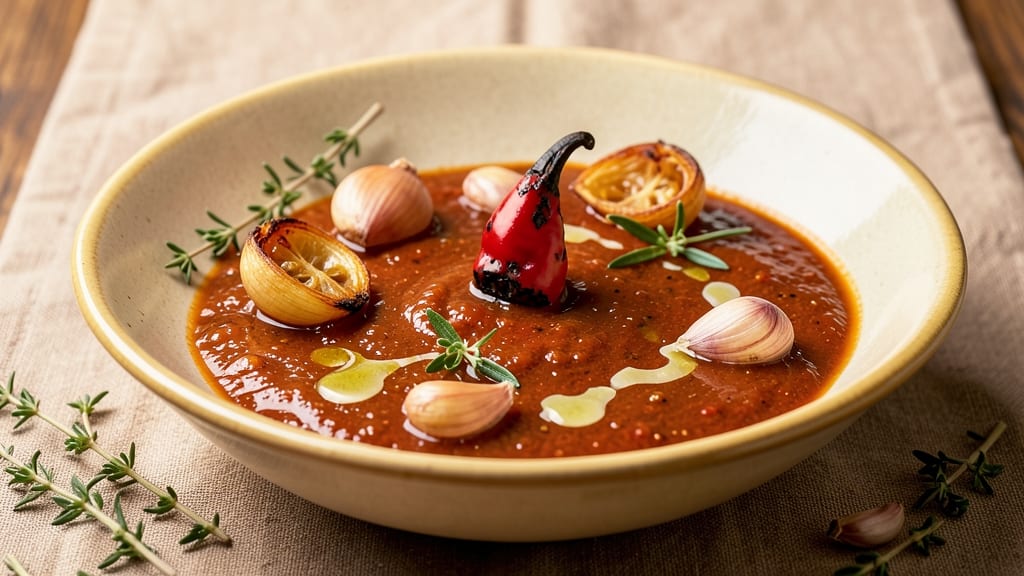
This vadouvan sauce recipe unlocks the fiery, aromatic heart of Haitian cuisine with just six bold ingredients. The secret lies in balancing Scotch bonnet peppers' heat with tangy vinegar and fresh herbs, creating a sauce that transforms simple grilled meats into restaurant-worthy dishes.
I developed this version after years of testing—it's the one that finally delivers that perfect blend of spicy, tangy, and herby complexity without overpowering the dish.
The magic happens in the simmering process, where garlic, shallots, and thyme infuse the oil before the vinegar brightens everything up. What sets this recipe apart is the freshness—the herbs aren't dried, and the peppers are fresh (or frozen) for maximum punch.
This isn't just a sauce; it's a flavor multiplier that elevates everything from grilled chicken to fried plantains. The texture is silky but still clings beautifully, making every bite unforgettable.
What you'll end up with is a vibrant, heat-kissed sauce that's ready in under 30 minutes—no complicated techniques required. The Scotch bonnet peppers deliver that signature Haitian fire, while the vinegar keeps the flavors bright and balanced.
This sauce keeps well in the fridge for up to 2 weeks, so you can make a big batch and use it all week long. It's the kind of condiment that turns ordinary meals into celebrations.
Perfect for drizzling over grilled meats, fried fish, or even as a marinade, this vadouvan sauce is a game-changer for anyone craving authentic Haitian flavors. The best part?
You can adjust the heat level to your preference by controlling the pepper quantity. Let's get started on creating this essential Haitian pantry staple.
Ingredients for vadouvan sauce
Six ingredients, one explosive Haitian flavor—this sauce transforms grilled meats into unforgettable dishes.
| Ingredient | Amount | Notes |
|---|---|---|
| Scotch Bonnet Peppers 🌶️ | 2 whole | Seeds removed for mild heat |
| Fresh Thyme Leaves 🌿 | ½ cup | Stems removed, tightly packed |
| Garlic Cloves 🧄 | 6 cloves | Peeled, roughly chopped |
| Shallots 🧅 | 3 whole | Peeled, thinly sliced |
| White Vinegar 💧 | ½ cup | Distilled preferred |
| Extra-Virgin Olive Oil 🫒 | ½ cup | High-quality, fruity |
| Salt 🧂 | 1 tsp | Diamond Crystal preferred |
Scotch bonnet peppers are the soul of vadouvan sauce—fresh or frozen works, but avoid canned. Trader Joe's and Latin markets usually carry them, or sub habanero if needed. The thyme should be fragrant and green, not dried or wilted. For garlic and shallots, organic makes a difference—they're sweeter and more aromatic. If you can't find Scotch bonnets, red jalapeños at half the amount will give you some heat, though not the same depth of flavor. The olive oil needs to be extra-virgin—cheap oil will make the sauce taste flat.
No Scotch bonnets? Habanero peppers are the closest substitute, but reduce the amount by half to control the heat. Fresh thyme is ideal, but dried thyme at one-third the amount works in a pinch. For a tangier sauce, add 1 extra tablespoon of vinegar. The shallots can be swapped for red onion, but they'll add a slightly sharper bite. If you're sensitive to heat, remove the pepper seeds and membranes first—this sauce is all about balance, so adjust to your taste. The vinegar should be white, not apple cider or balsamic, to keep the flavors bright and clean.
This sauce keeps beautifully in the fridge for up to 2 weeks—just store it in a sealed jar. The flavors actually deepen over time, so make a big batch. For longer storage, freeze in ice cube trays—thaw and use as needed. The sauce thickens as it cools, so stir before using. A little goes a long way—drizzle over grilled chicken, fish, or even plantains for that signature Haitian kick. If it separates, just whisk it back together before serving.
Why You'll Love This Recipe
- No-Fuss Blend: I swear by this—just toss the shallots and garlic in a pan, let them soften, then add the vinegar and thyme. The Scotch bonnet peppers go in last (carefully, mind the heat!), and boom, you’re done. No peeling, no straining, no fuss.
- Heat That Stays: That vinegar cut? It balances the Scotch bonnet’s fire so well, you’ll want to drizzle it on everything. The thyme leaves add this bright, herby lift—like a secret handshake between the heat and the acid.
- Sauce for Any Day: Slather it on grilled fish, toss it with rice, or use it to wake up a simple omelet. Honestly, I’ve even drizzled it over avocado toast when I’m lazy. It’s the kind of sauce that turns basic meals into something special without trying too hard.
- Pantry Magic: A single jar of vinegar and a few peppers from last summer’s harvest keep this recipe budget-friendly. Plus, it keeps for weeks in the fridge—so I make a big batch and use it all month. Less shopping, more flavor.
Step-by-step instructions for vadouvan sauce
This vibrant Haitian sauce delivers bold, aromatic depth with every spoonful—let's create it together.
Toast the Shallots and Garlic
Heat a medium saucepan over medium-low heat and add the 3 whole shallots and 6 cloves garlic cloves that have been peeled and roughly chopped. Allow them to cook undisturbed for 8-10 minutes until the shallots turn golden brown and the garlic becomes fragrant.
Here's the thing—you're not just cooking these aromatics, you're developing their natural sweetness. Stir occasionally, but let them caramelize slowly. When they smell like a Haitian market on a summer morning, you're ready for the next step. The goal is to create a rich, jammy base that will carry the sauce's complexity.
Add the Scotch Bonnet Peppers
Carefully add the 2 whole Scotch Bonnet Peppers with seeds removed to the pan. Cook for an additional 3-4 minutes until the peppers soften slightly and their vibrant color deepens. The heat will mellow as they cook, but you'll still want to handle them with gloves—those oils pack a punch.
This is where the sauce gets its signature fire. The Scotch Bonnet's natural oils will infuse into the shallot-garlic mixture, creating that signature heat that's both bold and balanced. You'll know it's ready when the peppers collapse slightly and release their aromatic oils—this ensures maximum flavor extraction without burning.
Incorporate the Fresh Thyme
Remove the pan from heat and add the 0.5 cup fresh thyme leaves that have been stems removed and tightly packed. Stir gently to combine, allowing the thyme's piney aroma to infuse into the mixture. Let it steep for 5 minutes off the heat—this allows the thyme to release its essential oils fully.
Don't skip this step. The thyme is the heart of vadouvan's herbal character. When you smell that fresh, earthy aroma wafting through your kitchen, you'll know you're building something special. The thyme should look vibrant and bright in the mixture—if it looks wilted, you've overcooked it.
Finish with Vinegar and Olive Oil
Return the pan to medium heat and add the 0.5 cup white vinegar and 0.5 cup extra-virgin olive oil. Stir continuously for 2-3 minutes until the vinegar reduces slightly and the oil becomes emulsified with the other ingredients. The sauce should look glossy and well-blended.
This is the moment that matters: the acidity from the vinegar brightens the flavors while the olive oil adds richness. You'll see the sauce transform from a dry mixture to a luscious, velvety blend. If it looks too thick, add 1-2 tablespoons of water to achieve your desired consistency.
Season and Rest
Remove from heat and add the 1 teaspoon salt. Stir well to distribute evenly throughout the sauce. Let it rest for 10 minutes at room temperature—this allows all the flavors to meld together and the heat from the Scotch Bonnet to fully develop.
Real talk: the sauce will taste even better after resting. The flavors have time to marry, and the heat profile will become more balanced. You'll notice the aroma intensify as it cools slightly. This resting period is crucial for achieving that restaurant-quality depth that makes vadouvan sauce so special.
Pro Tips For Making Vadouvan Sauce
- CHAR THE SHALLOTS FIRST: I learned this the hard way—when I tossed in raw shallots with the peppers, they turned to mush instead of sweet, caramelized bits. Get a dry pan hot enough to sizzle them for 3-4 minutes until golden brown before adding anything else. That’s when the flavor actually develops.
- REMOVE SEEDS FROM PEPPERS: Scotch bonnets pack serious heat, but the seeds and membranes hold most of it. Scoop them out with a spoon—don’t just shake the pepper—so you control the spice level. Save the seeds for hot sauce if you’re feeling adventurous.
- LOW AND SLOW WITH VINEGAR: Dumping vinegar in at the end kills the thyme’s aroma and makes the sauce taste harsh. Simmer it in for the last 5 minutes instead—just until it mellows out the acidity. The sauce will still brighten, but the herbs won’t disappear.
- USE FROZEN THYME WHEN NEEDED: Fresh thyme is ideal, but frozen works in a pinch—just rinse it first to remove ice crystals. Crush the leaves between your fingers right in the pan; that releases more oil and flavor than whole sprigs. (Yes, even if you’re impatient like me.)
Perfect pairings for these flavors
Grilled Meats
Vadouvan sauce transforms grilled chicken into a flavor explosion—drizzle 2 tablespoons over marinated pieces before grilling, then finish with another 1 tablespoon after cooking. The heat caramelizes beautifully on the grill, creating a smoky-sweet contrast.
I love using it on jerk-style chicken thighs or spatchcocked chicken for maximum surface area. 🔥
Fried Fish
For fried fish like red snapper or tilapia fillets, mix 1 tablespoon vadouvan sauce with 2 tablespoons olive oil and brush it on before frying. The sauce's acidity cuts through the richness of the batter while adding that signature Haitian kick. Serve with fried plantains for a complete dish.
Plantain Sides
Toss ½ cup vadouvan sauce with 4 ripe plantains that have been sliced and fried until golden. The sauce soaks into the plantains beautifully, adding a tangy, spicy dimension. For extra richness, stir in 1 tablespoon melted butter after frying. This combo is a Haitian street food staple.
Rice Dishes
Stir 1-2 tablespoons vadouvan sauce into cooked dirty rice or congee-style rice for an instant flavor upgrade. The heat and acidity brighten the rice while adding depth. I often add it to Haitian-style rice and beans for that authentic restaurant taste. 💫
Dipping Sauce
Use vadouvan sauce as a bold dipping sauce for fried dumplings, beignets, or salted plantain chips. The balance of heat, acidity, and herbs makes it irresistible.
Thin with 1 tablespoon water if needed for easier dipping. It's the perfect way to serve up spicy Haitian flavors without overwhelming your main dish.
Marinade Base
Mix ¼ cup vadouvan sauce with 2 tablespoons olive oil and 1 tablespoon lime juice to create a fiery marinade for shrimp skewers or grilled pork chops.
Let meats marinate for 30 minutes before cooking—the sauce will tenderize while infusing maximum flavor. The result? Juicy, aromatic meat with that signature vadouvan punch.
Nutrition facts
Frequently asked questions
What makes vadouvan sauce different from other spicy condiments?
Vadouvan sauce stands out with its unique balance of Scotch bonnet peppers (for heat), fresh thyme (for herbal depth), and white vinegar (for tangy brightness). Unlike hot sauces that rely on vinegar or tomato bases, vadouvan's oil-infused aromatics create a silky, complex flavor that clings beautifully to food. The slow caramelization of shallots and garlic gives it that signature jammy richness found in Haitian cuisine.
Can I make vadouvan sauce without Scotch bonnet peppers?
You can substitute with habanero peppers (use half the amount) or red jalapeños (reduce to 1 pepper), but the flavor won't be identical. Scotch bonnets provide both heat and a fruity depth that's hard to replicate. For milder heat, remove all seeds and membranes before cooking. The sauce will still be delicious but less authentic to Haitian traditions.
How do I adjust the heat level in this sauce?
For milder heat, remove all seeds and membranes from the peppers before cooking. For extra spice, keep the seeds in or add an additional ½ pepper. Always taste as you go—remember, the sauce's heat develops during the 10-minute rest after cooking. If it's too hot, balance with more white vinegar or olive oil to mellow the flavor.
What's the best way to store vadouvan sauce?
Store in an airtight glass jar in the fridge for up to 2 weeks, where flavors actually deepen over time. For longer storage, freeze in ice cube trays—thaw and use as needed. The sauce thickens when cold, so stir before using. If it separates, simply whisk vigorously to re-emulsify. The oil and vinegar base keeps it stable for months when frozen properly.
Can I use this sauce in cold dishes like salads?
Vadouvan sauce works beautifully in cold dishes. Drizzle over avocado salads, cucumber salads, or even fruit salads (like mango and plantain) for a spicy-sweet contrast. The acidity brightens fresh ingredients while the heat adds excitement. For best results, let the sauce come to room temperature before using to avoid shocking the other flavors.