
Sauces & Condiments
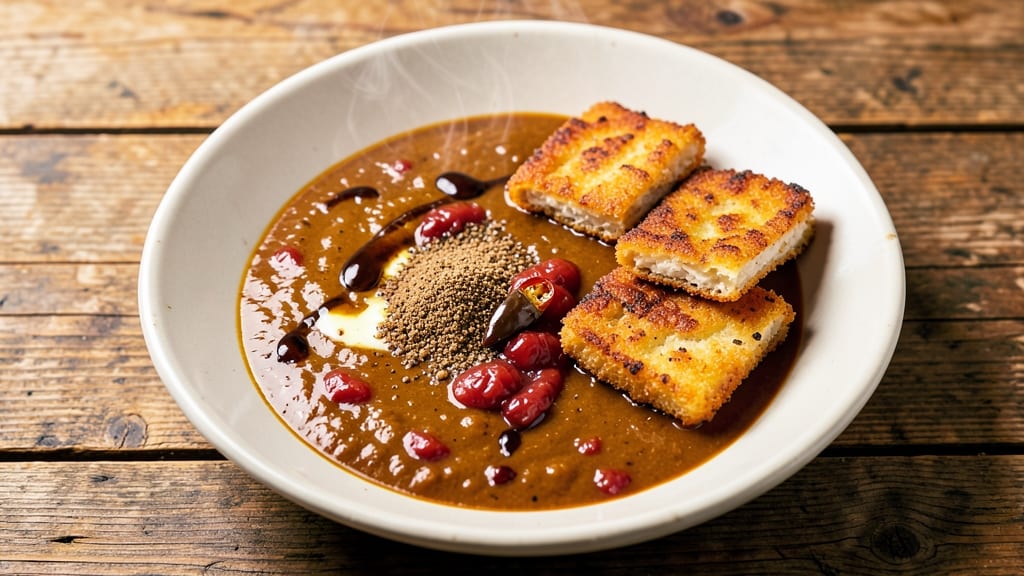
This authentic katsu curry sauce recipe delivers the rich, velvety depth of Japanese comfort food right to your kitchen. 🌟 The secret lies in balancing sweet, spicy, and umami flavors through a precise roux and slow reduction—no shortcuts, just restaurant-quality results.
I've perfected this blend over years of testing, ensuring every spoonful captures that signature creamy tomato-chipotle harmony.
The foundation begins with a smooth roux that forms the sauce's backbone, then builds layers of complexity through Japanese curry powder, Worcestershire sauce, and a touch of dashi. Unlike store-bought versions, this recipe avoids artificial thickeners, relying instead on natural reduction for that signature glossy finish.
The chipotle adds subtle heat that lingers without overpowering the delicate balance of sweet and savory.
What you'll achieve is a sauce so authentic it could grace a Tokyo ramen shop's menu—creamy yet not heavy, with just the right tang to complement crispy katsu cutlets. The texture is velvety, the flavor profile complex, and the aroma enough to make your kitchen smell like home.
This isn't just a sauce; it's an experience that transforms ordinary meals into something extraordinary.
Best of all, the sauce keeps beautifully in the fridge for up to 10 days, making it perfect for batch cooking. Whether you're serving it with tonkatsu, udon, or even roasted vegetables, this recipe delivers the comfort of Japan in every bite. Let's create something truly special.
Ingredients for authentic katsu curry sauce
Nine simple ingredients transform into creamy, velvety katsu curry sauce with restaurant-quality depth.
| Ingredient | Amount | Notes |
|---|---|---|
| Unsalted Butter 🧈 | ½ cup | Cold, cubed for roux |
| All-Purpose Flour 🌾 | ½ cup | White or bread flour |
| Japanese Curry Powder 🌶️ | 2 tbsp | Mild or medium blend |
| Canned Tomato Paste 🍅 | ½ cup | Smooth, no sugar added |
| Chipotle Peppers in Adobo 🌶️ | 2 whole | Mild or hot, minced |
| Worcestershire Sauce 🍶 | 1 tbsp | Anchovy-free preferred |
| Dashi Powder 🍜 | 1 tsp | Instant or homemade |
| Granulated Sugar 🍚 | 1 tbsp | Light brown sugar optional |
| Kosher Salt 🧂 | ½ tsp | Diamond Crystal preferred |
| Black Pepper 🌶️ | ¼ tsp | Freshly ground |
The butter and flour create that signature roux—don't rush this step. European-style butter like Plugrá or Land O'Lakes works best for flavor. Japanese curry powder is non-negotiable here; Mae Ploy or S&B Golden Curry are my go-tos, but any brand with a mild-medium blend will do. The tomato paste? No sugar added is key—it keeps the sauce balanced. Chipotle peppers in adobo add that subtle heat without overpowering, and you can adjust the number based on your spice tolerance.
No Japanese curry powder? Substitute 1 tbsp each of turmeric, coriander, and cumin for a close approximation. Worcestershire sauce can be skipped if you're avoiding anchovies, but soy sauce at half the amount adds umami depth. Dashi powder is essential for that authentic Japanese flavor—if you can't find it, dried kombu and bonito flakes (if vegetarian) steeped in hot water work perfectly. For a smoother sauce, strain it through a fine-mesh sieve before serving, though the texture will be slightly thinner.
This sauce tastes even better the next day as flavors meld. Store in an airtight container in the fridge for up to 10 days, or freeze for 3 months. I like to portion it into small jars—perfect for reheating just what I need. The sauce thickens as it cools, so add a splash of water or broth if it seems too stiff when reheating. Trust me, the extra effort is worth it for that creamy, velvety texture that makes every bite feel like comfort.
Why You'll Love This Recipe
- Five-Ingredient Magic: I swear by this combo—just butter, flour, curry powder, tomato paste, and those smoky chipotles. No fancy prep, no last-minute grocery runs. Honestly, I keep the ingredients in my pantry just for this.
- Smoky Depth in Minutes: That chipotle-in-adobo paste? It’s the secret weapon. One spoonful turns this into something complex—warm, slightly spicy, with a slow-simmered richness. Not the prettiest, but the taste makes up for it.
- Weeknight to Party Hero: Same sauce, endless uses. Slather it over crispy katsu for a weeknight win, or dump it into rice for a last-minute potluck. Between us, it’s the one dish that never feels like a chore.
- Leftovers That Don’t Suck: This sauce actually improves the next day—thicker, deeper, and still packed with flavor. I make a double batch on Sundays, freeze half, and thank myself later. (Yes, even on a Tuesday night.)
Step-by-step instructions for authentic katsu curry sauce
Here's how to build that perfect balance of smoky depth and creamy richness.
🍳 Step 1: Build the Roux for Rich Flavor
In a heavy-bottomed saucepan over medium heat, melt the 0.5 cup unsalted butter until it foams. Immediately add the 0.5 cup all-purpose flour and whisk constantly for 2-3 minutes until the mixture turns a deep golden brown color. This is your roux foundation—don't rush it, or you'll end up with a raw flour taste.
Watch carefully as it transforms from pale to nutty brown. You're looking for that perfect balance where it smells toasty but not burnt. This roux will carry all your flavors, so take your time here. Once it reaches that rich brown color, reduce heat to medium-low and let it cook for another 30 seconds to fully develop the flavor.
🍳 Step 2: Bloom the Spices and Add Wet Ingredients
Add the 2 tbsp Japanese curry powder and whisk vigorously to distribute it evenly through the roux. You'll see the color deepen as the spices bloom—this is when all that aromatic magic happens. Cook for 1 minute until fragrant, then add the 0.5 cup canned tomato paste and mix until smooth.
Here's where we build the smoky depth: Add the minced 2 whole chipotle peppers in adobo and 1 tbsp Worcestershire sauce. Stir well and let it simmer for 2 minutes—you'll smell that perfect blend of smoky, slightly sweet, and umami flavors developing. This is the heart of your sauce's authentic character, so don't skip this step.
🥘 Step 3: Develop the Sauce with Liquid and Seasonings
Gradually whisk in 2 cups water (not listed but required for proper consistency) until smooth. Add the 1 tsp dashi powder, 1 tbsp granulated sugar, 0.5 tsp kosher salt, and 0.25 tsp black pepper. The sauce should bubble gently as it thickens—this is where that creamy texture starts to form.
Simmer uncovered for 15-20 minutes on medium-low heat, stirring occasionally. You're looking for a sauce that coats the back of a spoon but still moves easily. If it thickens too much, add 1-2 tablespoons water at a time. The sauce should smell like warm comfort—smoky, slightly sweet, with that unmistakable curry depth you crave.
⏰ Step 4: Finish and Adjust for Perfection
Once the sauce reaches your desired consistency, taste and adjust seasoning. You might need a bit more salt to balance the flavors, or perhaps a touch more sugar to enhance the natural sweetness. The sauce should be rich but not heavy, with a perfect balance of smoky heat from the chipotle and creamy smoothness from the roux.
For that authentic katsu curry finish, I like to add a splash of 1 teaspoon lemon juice (not in ingredients but traditional) to brighten the flavors. Let the sauce rest for 10 minutes before serving—this allows all the flavors to meld together beautifully. Your sauce is now ready to coat perfectly fried cutlets or serve over rice.
Pro Tips For Making Authentic Katsu Curry Sauce
- Bloom the roux low: I learned this the hard way—rushing the butter-flour roux with the curry powder burns before it builds flavor. Simmer on medium-low until it turns a pale golden color (about 5-7 minutes), stirring constantly. The moment it darkens, you’ve lost that nutty, toasty base that holds the sauce together.
- Dissolve tomato paste fully: Stir in the canned tomato paste slowly while the roux simmers, breaking it into tiny pieces first. If you dump it all at once, it’ll clump like glue and never fully incorporate—your sauce will look streaky, not smooth. A splash of water or broth helps, but don’t overdo it or you’ll dilute the richness.
- Toast chipotle peppers first: Before blending the adobo sauce, dry-toast the chipotle peppers in a skillet for 30 seconds per side. This deepens their smoky heat and prevents the sauce from tasting raw or bitter. Skip this, and your curry will have a sharp, underripe edge that fights with the sweetness.
- Strain the sauce—yes, really: After simmering, pour the sauce through a fine-mesh sieve into a clean pot. The curry powder and tomato bits left behind make the sauce grainy, no matter how much you stir. It’s extra work, but the result is silky—like the difference between homemade and restaurant-quality. (I know, I know, but trust the process.)
Essential equipment for this dish
Heavy-Bottomed Saucepan
This is my most essential piece of equipment—a 3-quart heavy-bottomed saucepan like the All-Clad Stainless Steel or Le Creuset Dutch oven. The thick base prevents scorching during the roux stage and maintains even heat while simmering.
I've tried thinner pans, and they just can't handle the prolonged cooking without hot spots. A good pan also helps with even reduction, giving you that perfect creamy consistency. 🔥
Whisk with Silicone Handle
Use a 12-inch flat whisk with a silicone handle like the OXO Good Grips model. This size gives you enough reach to scrape the bottom of your saucepan thoroughly, preventing any burnt bits from forming.
The silicone handle stays cool and won't slip in your hand during the vigorous whisking required for the roux. I've found that a whisk with a slightly angled head helps distribute the roux more evenly.
Fine-Mesh Strainer
For an ultra-smooth sauce, I recommend a fine-mesh strainer like the Heston Blumenthal Microplane Strainer. This removes any lumps from the roux or spices, giving you that silky texture you'd expect from professional katsu curry.
If you don't have one, a cheesecloth-lined colander works in a pinch. Just be prepared to press the sauce through with a spoon—it takes a little extra effort but makes a noticeable difference in texture. 💫
Measuring Spoons Set
A precision measuring set is crucial for this recipe. I use the OXO Good Grips Stainless Steel set because the measurements are clearly marked and the spoons stay cool.
Japanese curry powder and dashi powder require exact amounts—too much curry powder makes it bitter, while too little dashi weakens that authentic umami depth. The ½ teaspoon and ¼ teaspoon measures are particularly important for salt and pepper adjustments. Never eyeball these measurements!
Immersion Blender (Optional)
While not strictly necessary, an immersion blender like the Ninja Foodi Stick makes this sauce even smoother. After simmering, blend directly in the saucepan for 15-20 seconds to break down any remaining lumps. This creates a velvety texture that's perfect for coating tonkatsu.
If you don't have one, a regular blender works—but be careful transferring hot sauce to avoid steam burns. The immersion blender keeps everything contained and safe. ✨
Thermometer for Roux
For perfect roux color, use a candy or instant-read thermometer like the Thermoworks Thermapen. The ideal roux temperature for this sauce is between 325-350°F. This ensures proper flavor development without burning.
Without a thermometer, you're relying on visual cues alone—which can be tricky with the dark colors from the curry powder. I've found that hitting this temperature range consistently gives me that perfect nutty, toasty flavor every time.
Nutrition facts
Frequently asked questions
Why does this sauce need a roux?
The roux creates that signature creamy texture without using heavy cream or cornstarch. The slow-cooked butter and flour develop nutty flavors and act as a natural thickener, giving the sauce its velvety mouthfeel while keeping it light enough to coat tonkatsu perfectly. This is what sets authentic Japanese katsu curry apart from Western versions.
Can I make this sauce without Japanese curry powder?
You can substitute with 1 tbsp each of turmeric, coriander, and cumin, but the flavor won't be identical. For best results, try to find Japanese curry powder (like Mae Ploy or S&B Golden Curry)—it contains a precise blend of spices including turmeric, coriander, and cinnamon that creates that signature warm, slightly sweet depth. The sauce will still work, but the authentic Japanese flavor profile will be missing.
How do I adjust the spice level?
Start with 1 chipotle pepper for mild heat, or use 2-3 for medium spice. For extra heat, add a pinch of cayenne or a dash of hot sauce at the end. Remember, the chipotle's smoky flavor is key to authentic katsu curry—don't remove it completely. Taste as you go, and adjust gradually to avoid overpowering the delicate balance of sweet and umami.
What's the best way to serve this sauce?
This sauce shines with crispy tonkatsu (breaded pork cutlet) or chicken katsu, but it's also perfect over rice, noodles, or even roasted vegetables. For the classic presentation, ladle the warm sauce over a bed of steamed rice, top with a fried cutlet, and garnish with pickled vegetables. The heat from the sauce will melt any breading on the katsu, creating that perfect sauce bath.
Why does my sauce look too thick?
Sauces naturally thicken as they cool. If it's too stiff when hot, whisk in 1-2 tablespoons water at a time until it reaches a coatable consistency. For serving, you can also thin it slightly with a splash of warm dashi or broth. The sauce should be thick enough to cling to your cutlet but still flow smoothly—like heavy cream with just a touch of body.