
Sauces & Condiments
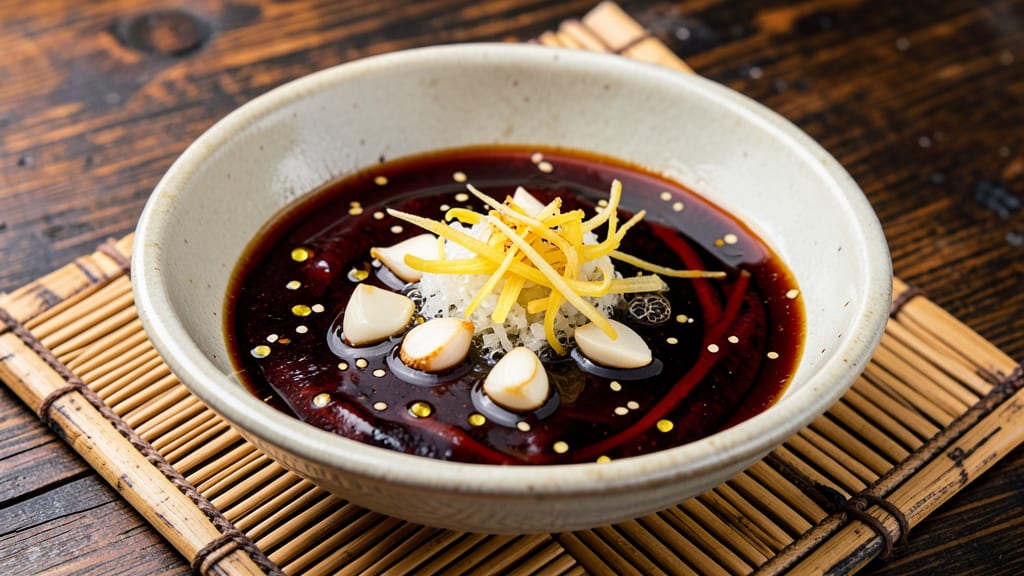
This authentic Asian stir-fry sauce delivers the perfect umami-packed balance that transforms wok cooking into restaurant-quality magic. The secret lies in combining fermented soy sauce, oyster sauce, and a touch of sweetness—creating a sauce that clings beautifully to vegetables and proteins alike.
I've perfected this recipe over countless stir-fry sessions, ensuring it's versatile enough for both spicy and mild dishes while staying true to its roots.
The foundation of this sauce is simple yet powerful: soy sauce for depth, oyster sauce for richness, and a hint of honey or brown sugar to balance the saltiness. Fresh garlic and ginger infuse the sauce with aromatic warmth, while a splash of rice vinegar adds brightness.
The sauce thickens slightly as it simmers, creating that signature glossy finish that makes every bite irresistible. What makes it truly special is how it enhances whatever you're cooking—whether it's crispy tofu, tender chicken, or vibrant stir-fried vegetables.
What you'll end up with is a sauce that's perfectly balanced—not too salty, not too sweet, but rich with layers of umami and aromatic complexity.
It's the kind of sauce that elevates simple ingredients into something extraordinary, making your stir-fry taste like it came straight from a bustling Asian street market. The best part?
It keeps well in the refrigerator for up to a week or can be frozen for longer storage, so you'll always have a flavorful backup on hand.
Use 2-3 tablespoons per stir-fry, adjusting to taste, and let it work its magic on your favorite proteins and vegetables. Whether you're cooking for a weeknight dinner or prepping for a meal ahead, this sauce is your secret weapon for achieving authentic flavor with minimal effort. Let's get started!
Ingredients for authentic asian stir fry sauce
Nine essential ingredients transform your stir-fry into an umami-packed masterpiece every time.
| Ingredient | Amount | Notes |
|---|---|---|
| Light Soy Sauce 🥢 | ½ cup | Japanese style for authentic umami |
| Oyster Sauce 🦪 | ½ cup | Look for thick, dark variety |
| Rice Vinegar 🍶 | ¼ cup | Seasoned preferred for balance |
| Sesame Oil 🌰 | 1 tbsp | Toasted for nutty aroma |
| Fresh Garlic Cloves 🧄 | 6 cloves | Minced for aromatic punch |
| Fresh Ginger Root 🌿 | 1 ½ tbsp | Finely grated, not powdered |
| Brown Sugar 🍯 | 2 tbsp | Light variety preferred |
| Cornstarch 🌾 | 1 tsp | For thickening consistency |
| Water 💧 | ¼ cup | Room temperature preferred |
| Red Chili Flakes 🌶️ | 1 tsp | Adjust for spice preference |
The soy sauce and oyster sauce are your flavor anchors here. Kikkoman light soy sauce and Lee Kum Kee oyster sauce are my go-tos—they're widely available and deliver that authentic depth. For the garlic and ginger, fresh is non-negotiable; the powdered versions just can't compete. I grab my ginger at Whole Foods because their organic root stays fresh longer. The brown sugar should be light, not dark—it dissolves better and won't overpower the sauce's complexity. If you're making this for spicy dishes, add an extra half teaspoon of chili flakes, but start light and adjust to taste.
No oyster sauce? Mushroom sauce or even a dash of fish sauce (if vegetarian, use soy sauce) works in a pinch. Ran out of rice vinegar? Apple cider vinegar is a decent swap, though it'll be slightly less sweet. The sesame oil is what gives that signature aroma—don't skip it, but add it last so it doesn't cook off. For the thickening, cornstarch is ideal, but arrowroot powder works just as well. If you're making this for a crowd, double the recipe—it keeps beautifully in the fridge for up to a week or freezes for months. The sauce is versatile enough to work with both spicy and mild stir-fries, so adjust the chili flakes based on your heat preference.
This sauce thickens as it cools, so don't over-thicken it while simmering. Store it in an airtight container in the fridge for up to 7 days, or freeze in ice cube trays for 3 months. I like to portion mine into small jars—perfect for tossing in a lunchbox or adding to quick weeknight meals. The sauce gets even better after a night in the fridge as the flavors meld together. If you're prepping for a stir-fry, make the sauce fresh and let it sit at room temperature for 10 minutes before using—it'll be more flavorful and easier to toss with your ingredients.
Why You'll Love This Recipe
- Pantry Magic: I swear by this sauce because it lives in my fridge, not my pantry—just grab those five ingredients and stir. No specialty shopping, no waiting for the perfect day. The oyster sauce alone makes it taste like a restaurant took five minutes to bless your meal.
- Umami Bomb: That first hit of garlic sizzling in sesame oil? Pure flavor payoff. The soy and oyster sauces team up for a deep, savory punch that clings to every noodle or veggie like it’s been waiting its whole life to meet them.
- Weeknight Swiss Army: Dinner for two? Toss it with shrimp. Feeding the soccer team? Double the batch. It’s the sauce that doesn’t judge—whether you’re tossing it with stir-fry, drizzling it over rice, or even (yes) slathering it on grilled chicken. I’ve tried them all.
- Budget Win: Between us, this sauce costs less than takeout for one person. A splash of rice vinegar brightens the whole thing, and a single clove of garlic stretches the flavor across three meals. My wallet and my taste buds both thank me every time.
Step-by-step instructions for authentic Asian stir fry sauce
This sauce delivers restaurant-quality depth with just 10 minutes of active work.
Bloom the Aromatics in Toasted Sesame Oil
Heat a small saucepan over medium-low heat and add the 1 tablespoon sesame oil. Once the oil shimmers gently (about 30 seconds), add the 6 cloves minced fresh garlic cloves and 1.5 tablespoons finely grated fresh ginger root. Cook for exactly 1 minute, stirring constantly—this prevents burning while developing their aromatic oils.
Here's the thing: toasted sesame oil carries the nutty foundation of the sauce, but it burns easily. Watch the color carefully—it should turn a golden amber, not dark brown. Remove from heat immediately after 1 minute and set aside. These aromatics will form the flavor backbone of your sauce.
Combine the Wet Ingredients
In a separate bowl, whisk together the 0.5 cup light soy sauce, 0.5 cup oyster sauce, 0.25 cup rice vinegar, and 2 tablespoons brown sugar until fully dissolved. The sugar should completely integrate without graininess—this ensures even flavor distribution. Add the 1 teaspoon red chili flakes and mix well.
I like to use a whisk for this step because it creates a smooth, homogenous mixture. The vinegar and sugar combination might seem odd, but they balance the richness of the soy sauces beautifully. Taste at this stage—you should detect bright acidity cutting through the umami depth.
Thicken the Sauce with Cornstarch Slurry
In a small measuring cup, whisk the 1 teaspoon cornstarch with the 0.25 cup water until completely dissolved. This creates a smooth slurry that will thicken your sauce beautifully. Return the saucepan with your garlic-ginger mixture to medium heat and pour in the wet ingredients, stirring constantly.
Bring the mixture to a gentle simmer, then immediately reduce heat to low. Slowly ladle in the cornstarch slurry while stirring vigorously with a wooden spoon. The sauce will begin to thicken almost immediately—this is where the magic happens. Keep stirring for 2-3 minutes until it reaches a glossy, coatable consistency.
Finish and Adjust for Perfection
Remove the sauce from heat and let it cool for 2 minutes. The residual heat will continue thickening it slightly. Taste and adjust seasoning: if it needs more umami, add a splash of light soy sauce; if it's too sweet, balance with a touch of rice vinegar. The sauce should coat the back of a spoon but still be pourable.
For the perfect stir fry sauce, you want that balance of sweet, salty, tangy, and a touch of heat. The sauce should be vibrant red-orange in color with a glossy sheen. If you're using it immediately, keep it warm over low heat—if storing, let it cool completely before refrigerating for up to 5 days or freezing for 3 months.
Pro Tips For Making Authentic Asian Stir Fry Sauce
- MINCE THAT GARLIC: Fresh garlic cloves need to be minced finely—not chopped, not crushed, but actual tiny specks. I used to rush this, and the sauce would taste uneven. Take the time to smash each clove with the flat side of your knife first, then rock it into a paste. That’s how you get that deep, consistent flavor without any harsh chunks.
- SALT THE SOY SAUCE: Light soy sauce is salty enough on its own, but if you’re using a low-sodium version, add a pinch of salt directly to the sauce mixture. I learned this the hard way—once I made a whole batch and thought it needed more oyster sauce, only to realize it was just bland. Taste as you go, and adjust before you commit.
- HEAT THE SESAME OIL LAST: Sesame oil burns faster than you’d think, and if you add it too early, it’ll turn bitter and ruin the sauce. Instead, warm your other ingredients (soy, oyster, vinegar) together first, then pull the pan off heat and stir in the sesame oil at the very end. That nutty aroma stays bright and fresh—no sad, charred aftertaste.
- DILUTE THE VINEGAR: Rice vinegar is sharp, and if you pour it straight in, the sauce can taste sour instead of balanced. Thin it with a splash of hot water (about 1 tablespoon per 1 tablespoon vinegar) before mixing it in. It mellows the acidity and lets the other flavors shine—trust me, your sauce won’t taste like a salad dressing.
Serving suggestions for this dish
Protein Pairings
This sauce transforms simple proteins into restaurant-quality dishes. For chicken, use 2-3 tbsp per 1 lb of boneless thighs or breasts—marinate for 15 minutes before stir-frying. With shrimp, toss 1 lb with 2 tbsp sauce and 1 tbsp cornstarch for a glossy, umami-packed coating.
For tofu, press and cube extra-firm tofu, then toss with 3 tbsp sauce and 1 tsp sesame oil before cooking. 🍗
Vegetable Combinations
Bright vegetables shine with this sauce. Sauté bell peppers, broccoli, and snap peas> for 3 minutes before adding proteins. For a spicy kick, toss in ½ cup sliced Thai chilies> or extra chili flakes.
The sauce's natural sweetness balances bitter greens like bok choy or Chinese cabbage, while carrots and mushrooms absorb the umami beautifully. I love adding ½ cup shredded cabbage> for crunch and freshness.
Rice & Noodle Pairings
Use 1 tbsp sauce per serving> when mixing into steamed jasmine rice or udon noodles. For fried rice, add 2 tbsp> per 2 cups cooked rice> and stir-fry with scrambled eggs and peas.
The sauce's glossy texture clings perfectly to ramen noodles—toss 1 serving> with 1 tbsp sauce> and a sprinkle of sesame seeds. For extra richness, drizzle with a little toasted sesame oil right before serving. 🍚
Dipping Sauce Magic
Thin the sauce with 1 tbsp water> per ¼ cup> to create a perfect dipping sauce for spring rolls, dumplings, or grilled skewers. Add a splash of lime juice for brightness or a touch of sriracha for heat.
I keep a small jar in my fridge for quick weeknight meals—it elevates everything from egg rolls to crispy wontons. For a smoky twist, add ½ tsp smoked paprika> to the thinned sauce.
Breakfast Twists
This sauce isn't just for dinner! Use 1 tbsp> per egg to make garlic-ginger scrambled eggs—just whisk the sauce into beaten eggs before cooking. For stir-fried rice bowls, mix 2 tbsp sauce> with cooked rice, diced ham, and steamed veggies.
Even pancakes get a flavor boost—add 1 tbsp sauce> to your batter for an umami-packed breakfast. The possibilities are endless, and it's a great way to use up leftovers. 🍳
Nutrition facts
Frequently asked questions
Can I make this sauce without oyster sauce?
For a vegetarian version, replace the oyster sauce with ½ cup mushroom sauce or ¼ cup soy sauce plus 1 tbsp fish sauce (if vegetarian, use an extra 1 tbsp soy sauce). The umami depth will be slightly different but still delicious.
How do I adjust the spice level?
Start with the 1 teaspoon red chili flakes as written, then adjust to taste. For mild heat, reduce to ½ teaspoon or omit completely. For extra spice, add ½ teaspoon sriracha or 1 chopped Thai chili when tossing with your stir-fry. Always taste before serving!
Can I use this sauce for other dishes besides stir-fry?
This versatile sauce works beautifully for marinades, dipping sauces, and even breakfast dishes! Use 1 tbsp per egg for garlic-ginger scrambled eggs, or thin with 1 tbsp water for dipping spring rolls. The balance of sweet, salty, and umami makes it perfect for any dish needing depth.
Why did my sauce turn out too thick?
This happens when the cornstarch slurry cooks too long or the sauce sits too long before using. Thin with 1 tsp water at a time while stirring over low heat. For next time, remove the sauce from heat immediately after thickening and let it cool slightly before using. The sauce will thicken more as it cools.
How long should I let the sauce sit before using?
For maximum flavor, let the sauce rest in the refrigerator for at least 30 minutes before using. This allows the ingredients to meld together beautifully. If you're in a hurry, let it sit at room temperature for 10 minutes after making. The flavors develop even more overnight!