
Sauces & Condiments
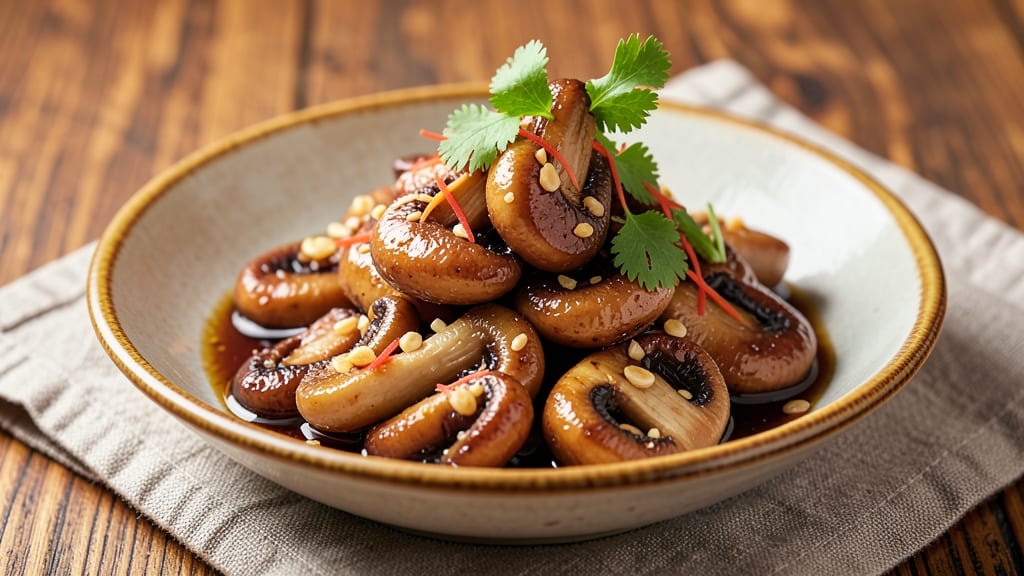
This Asian mushroom sauce recipe transforms simple ingredients into a rich, umami-packed glaze that elevates stir-fries, noodles, and more in just 15 minutes. The secret lies in sautéing mushrooms until deeply caramelized, then blending them with aromatic garlic, ginger, and a savory soy-fish sauce base.
I developed this recipe after years of testing—it’s the one sauce that consistently delivers that restaurant-quality depth without requiring hours of simmering.
The sauce starts with a quick sear of mushrooms (shiitake or cremini work best) to build natural sweetness and umami. A splash of mirin and a touch of cornstarch slurry create that signature glossy finish while keeping the texture silky smooth.
What makes this sauce truly versatile is its balance: tangy, savory, and slightly sweet, with just enough heat to linger. It clings perfectly to noodles, meats, or vegetables, making it a weeknight game-changer.
What you’ll end up with is a glossy, aromatic sauce that’s packed with layers of flavor—deep from the mushrooms, bright from the ginger, and rich from the umami bomb of soy and fish sauce.
The beauty of this recipe is its flexibility: use it as a stir-fry glaze, a dipping sauce for spring rolls, or a quick marinade for grilled proteins. It keeps well in the fridge for up to a week, so you can make a batch and use it all week.
The best part? No fancy techniques required. With just a few pantry staples and a blender, you’ll have a sauce that rivals takeout. Let’s get started—your next meal is about to get a serious flavor upgrade.
Ingredients for asian mushroom sauce
Nine simple ingredients create this restaurant-quality sauce in minutes.
| Ingredient | Amount | Notes |
|---|---|---|
| Fresh Shiitake Mushrooms 🍄 | 8 oz | Stems removed, sliced thin |
| Cremini Mushrooms 🍄 | 4 oz | Sliced for extra depth |
| Garlic Cloves 🧄 | 4 cloves | Minced for aromatic punch |
| Fresh Ginger 🌿 | 1 ½ tbsp | Grated, no need to peel |
| Soy Sauce 🥢 | ½ cup | Use high-quality like Kikkoman |
| Fish Sauce 🍶 | 1 tbsp | Red Boat brand preferred |
| Mirin 🍶 | 2 tbsp | Sweet rice wine, not imitation |
| Sesame Oil 🫒 | 1 tbsp | Toasted, for nutty finish |
| Cornstarch 🌾 | 1 tsp | For glossy texture |
| Water 💧 | 2 tbsp | For cornstarch slurry |
The mushrooms are the star—shiitake and cremini give you that deep umami punch. Trader Joe's usually has pre-sliced shiitake, but if you're buying whole, slice them thin for even cooking. Look for firm, dry mushrooms with no slimy spots. I always grab extra because they keep well in the fridge for 5-7 days. For garlic, fresh is non-negotiable—jarred garlic just doesn't cut it here. Ginger? Buy the whole knob and grate just what you need—pre-grated gets rubbery fast.
No shiitake? Oyster mushrooms or portobello work in a pinch—they've got that meaty texture. Running low on mirin? Dry sherry or a splash of honey gets you close, though mirin's that perfect balance of sweet and tangy. Fish sauce missing? Worcestershire sauce at half the amount adds some umami, though it won't be identical. Sesame oil out of stock? Toasted sesame seeds sprinkled on top at the end give that nutty aroma without the flavor. The cornstarch slurry is key for that glossy finish—don't skip it, even if you're not worried about presentation.
This sauce keeps for up to 1 week in the fridge, and honestly tastes better the next day as flavors meld. I always make a double batch—one for immediate use, one to freeze in ice cube trays for quick portions later. The frozen cubes last 3 months and are perfect for last-minute stir-fries. Store it in a jar with a tight lid, and if it thickens too much when refrigerated, just add a splash of water or broth to loosen it up. The sauce reheats beautifully—just warm it gently on the stove or microwave until steaming.
Why You'll Love This Recipe
- No-Chop Night: I swear by this one—just slice the mushrooms (no peeling!) and let the garlic and ginger do the work. Honestly, the hardest part is deciding whether to use the food processor or knife for the mushrooms, and honestly? Either works. The sauce comes together while you’re still debating.
- Umami Bomb: That combo of shiitake and cremini mushrooms? It’s like a flavor explosion in your mouth. The soy sauce ties it all together with this deep, savory punch—crispy edges on the mushrooms, soft centers, and that ginger-garlic aroma? Dangerously addictive.
- Leftovers That Shine: This sauce keeps like a champ in the fridge for up to five days, and it only gets better. Toss it over rice, noodles, or even scrambled eggs—my lazy Sunday brunch isn’t complete without it. (Yes, even on a Tuesday night.)
- Budget Magic: Mushrooms are cheap, and this recipe stretches a little soy sauce far. Between us, I’ve made this for date nights, family dinners, and solo movie nights—no fancy ingredients, just pure flavor. It’s my go-to when the grocery budget’s tight but the cravings aren’t.
Step-by-step instructions for Asian mushroom sauce
This umami-packed sauce comes together faster than you can say "stir-fry."
Sauté the Aromatics Until Fragrant
Heat a large skillet or wok over medium-high heat until hot. Add the 1 tablespoon sesame oil and swirl to coat the pan. Toss in the 4 cloves minced garlic cloves and 1.5 tablespoons grated fresh ginger, stirring constantly for 30 seconds until you can smell that bright, zesty aroma.
Watch closely—ginger and garlic burn fast. You want them to sizzle and soften just enough to release their flavors, not turn brown. If they start to darken, reduce heat slightly. This step builds the sauce's aromatic foundation, so don't rush it.
Cook the Mushrooms Until Golden
Add the 8 ounces sliced fresh shiitake mushrooms and 4 ounces sliced cremini mushrooms to the pan. Stir-fry for 4-5 minutes until the mushrooms release their moisture and develop golden-brown spots. You'll see the mushrooms soften and shrink slightly as they cook.
I like to break up any large mushroom pieces with my spatula to ensure even cooking. The mushrooms should be tender but still hold their shape—overcooking turns them mushy. If the pan gets too dry, add a splash of water, but try to keep the moisture from the mushrooms themselves.
Build the Sauce Base
Pour in the 0.5 cup soy sauce, 1 tablespoon fish sauce, and 2 tablespoons mirin. Stir everything together and let the sauce simmer for 2-3 minutes until it reduces slightly and coats the mushrooms. You'll notice the sauce darkens and thickens as it cooks down.
Here's where the magic happens—the combination of soy sauce, fish sauce, and mirin creates that perfect balance of salty, umami, and slightly sweet. Taste the sauce now—it should be tangy and savory. If it's too strong, add a splash of water to mellow it out. If it needs more depth, let it reduce another minute.
Thicken the Sauce to Perfection
In a small bowl, whisk together the 1 teaspoon cornstarch and 2 tablespoons water until smooth. Pour this slurry into the simmering sauce and stir constantly for 1-2 minutes until the sauce thickens to a glossy, coatable consistency.
You're looking for a sauce that clings to the mushrooms and has a silky finish—not too thick, not too thin. If it's still too runny, add another ½ teaspoon cornstarch mixed with 1 teaspoon water and stir until thickened. The sauce should coat the back of a spoon and leave a slight sheen.
Finish and Serve
Remove the sauce from heat and let it sit for 1 minute to cool slightly. Taste and adjust seasoning if needed—add a touch more soy sauce for saltiness, mirin for sweetness, or fish sauce for umami. The sauce should be balanced with all flavors working together.
This sauce is incredibly versatile—toss it with noodles, drizzle over grilled meats, or use as a dip for spring rolls. The mushrooms add a meaty texture and deep umami flavor that makes this sauce stand out. Store any leftovers in an airtight container in the fridge for up to 5 days—it only gets better as the flavors meld!
Pro Tips For Making Asian Mushroom Sauce
- Sear Mushrooms in Batches: Don’t overload the pan—crowding steams instead of browns. I learned this the hard way when my first batch turned out soggy and pale. Use two heats if needed: start with shiitakes (they’re denser) at high heat for 3-4 minutes, then add creminis. You want caramelized edges, not sad, limp mushrooms.
- Slice Ginger Paper-Thin: Forget the grater—use a sharp knife. Thin, translucent slices (almost like rice paper) dissolve into the sauce without bitterness. Thick chunks? They’ll linger like a bad aftertaste. If you’re impatient, julienne it, but the knife method guarantees even cooking.
- Deglaze with Soy Sauce Last: Save half your soy sauce for deglazing—add it after the garlic and ginger have softened but before the pan dries out. If you dump it all in early, the sauce will taste flat. The last splash? That’s when the magic happens—let it bubble for 30 seconds to concentrate the umami.
- Finish with a Splash of Water: The sauce thickens as it cools. If it’s too stiff, add 1-2 tablespoons of water or even a splash of rice wine. Sounds weird, but it works—your future self will thank you when the sauce isn’t gluey. Stir gently and taste; you’re aiming for a glossy, clingy consistency, not a puddle.
Essential equipment for this dish
Skillet Essentials
Start with a 10-inch carbon steel wok or stainless steel skillet—both distribute heat evenly for that perfect sear. I swear by my Made In wok for stir-fries, but a All-Clad stainless works too.
Avoid nonstick unless you're using it just for reheating—those coatings can't handle the high heat needed for caramelizing mushrooms. 🔥
Blender for Silky Texture
A high-speed blender like the Ninja BN601 is my go-to for breaking down mushrooms into a smooth, velvety sauce. If you don't have one, a immersion blender (like the Magic Bullet) works in a pinch—just blend right in the pan.
For a rustic texture, skip blending entirely and leave the mushrooms slightly chunky.
Measuring Tools
Precision matters with sauces! Use a digital kitchen scale for mushrooms (8 oz = ~227g) and a silicone spatula to scrape every last drop of flavor from the pan.
A small measuring cup with markings for tablespoons ensures your cornstarch slurry is perfect every time. I keep my OXO Good Grips tools within arm's reach when making sauces.
Sauce Thickener Kit
Keep a small bowl and whisk handy for mixing your cornstarch slurry—this prevents lumps that can ruin your sauce. A fine-mesh strainer helps if you prefer a smoother texture, though this recipe's ingredients blend beautifully without straining.
For extra gloss, add 1 teaspoon rice vinegar at the end—it brightens the sauce without altering texture.
Storage Containers
Transfer leftovers to glass mason jars with tight-sealing lids for fridge storage. For freezing, use silicone ice cube trays—each cube makes a perfect single-serving portion. I label mine with the date and sauce name (this one's "Mushroom Umami Glaze") so I don't forget what's inside. ✨
Optional Upgrades
Want restaurant-quality results? Invest in a thermometer to monitor pan temperature (ideal range: 375-400°F). A microplane gives you perfectly grated ginger without the stringy bits. For extra depth, toast 1 teaspoon sesame seeds in the same pan before adding oil—sprinkle them on top at the end for crunch.
Nutrition facts
Frequently asked questions
Can I make this sauce without a blender?
Skip blending and leave the mushrooms slightly chunky for texture. Just stir-fry them until tender and mix all ingredients directly in the pan. The sauce will have a rustic, hearty feel perfect for noodles or dumplings. For extra smoothness, mash a few mushrooms with a fork before adding liquids.
What's the best way to store leftover sauce?
Transfer to an airtight container and refrigerate for up to 5 days. For longer storage, freeze in ice cube trays—each cube makes a perfect single serving. Thaw overnight in the fridge and stir before using. If the sauce thickens when refrigerated, add a splash of water or broth to loosen it.
Can I substitute fish sauce with something else?
Yes! Use Worcestershire sauce at half the amount (½ tbsp) for a milder umami, or 1 tbsp soy sauce plus ½ tsp sugar to mimic the balance. For vegetarian versions, try 1 tsp mushroom powder or vegetarian fish sauce. Taste as you go—fish sauce adds depth that's hard to replicate.
Why did my sauce turn out too salty?
Fish sauce and soy sauce are both salty—reduce either by ½ teaspoon at a time until balanced. If it's still too strong, add 1-2 teaspoons water or broth to dilute. For future batches, start with ½ tbsp fish sauce and adjust to taste. The mirin helps balance saltiness with its natural sweetness.
What are the best proteins to pair with this sauce?
This sauce shines with grilled chicken, shrimp, or tofu—all absorb the flavors beautifully. For beef, use lean cuts like flank steak. It also works as a marinade (coat proteins and let sit 15-30 minutes) or a dipping sauce for spring rolls. The mushrooms' umami complements seafood especially well.