
Sauces & Condiments
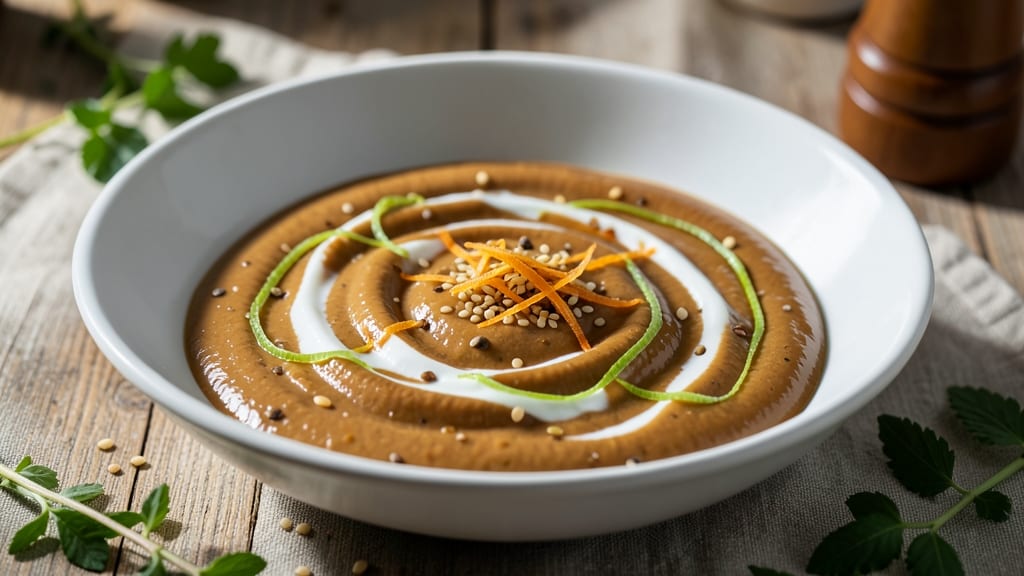
This Annie Chun's peanut sauce recipe delivers that signature nutty-smooth flavor you crave in stir-fries, satay, and dipping bowls. The secret lies in balancing creamy peanut butter with tangy lime and savory soy sauce, creating a sauce that's rich yet versatile.
I've perfected this version to stay smooth after blending and thick enough to cling beautifully to noodles or proteins.
The magic happens when you combine natural peanut butter with warm spices like ginger and garlic, then emulsify everything with a touch of coconut milk. This isn't just a copycat recipe—it's a foolproof method that delivers restaurant-quality results at home.
The sauce keeps well in the fridge for up to 2 weeks, making it perfect for meal prep.
What you'll end up with is a velvety peanut sauce that's boldly flavorful but not overpowering—ideal for drizzling over grilled chicken, tossing with noodles, or serving with fresh spring rolls. The texture is perfectly smooth, with just enough body to coat every bite without being greasy.
Use it as a marinade for tofu or chicken, a dipping sauce for veggies, or the star of your next stir-fry. The possibilities are endless, and the prep takes just 10 minutes. Let's make this sauce!
Ingredients for annie chun's peanut sauce
Nine simple ingredients transform into that iconic Annie Chun's peanut sauce.
| Ingredient | Amount | Notes |
|---|---|---|
| Natural Peanut Butter 🥜 | ½ cup | Creamy, unsweetened preferred |
| Coconut Milk 🥥 | ¼ cup | Full-fat for creaminess |
| Lime Juice 🍋 | 2 tbsp | Freshly squeezed, seeds removed |
| Soy Sauce 🍶 | 2 tbsp | Light or regular, not low-sodium |
| Garlic Cloves 🧄 | 2 cloves | Fresh, minced or grated |
| Fresh Ginger 🌿 | 1 tbsp | Grated, not powdered |
| Brown Sugar 🍯 | 1 tbsp | Light or dark, packed |
| Sesame Oil 🫒 | 1 tsp | Toasted, for aroma |
| Water 💧 | ¼ cup | Room temperature |
| Salt 🧂 | ½ tsp | Kosher or sea salt |
Peanut butter is the star—natural, unsweetened gives the best flavor without sugar masking the nuttiness. Trader Joe's and Whole Foods carry great options, but any store-brand creamy peanut butter works. Fresh ginger and garlic are non-negotiable here; powdered spices just won't cut it. The coconut milk adds that signature smoothness, so grab the full-fat can for maximum creaminess. Lime juice should be freshly squeezed—bottled juice lacks that bright tang.
No peanut butter? Almond butter or cashew butter works in a pinch, though texture will differ slightly. Short on lime? Lemon juice at the same amount gets you close, but the flavor won't be identical. The soy sauce can be tamari for gluten-free, but traditional soy adds that umami depth. Sesame oil is optional but worth the extra minute—it adds that nutty aroma that makes this sauce sing. For a sweeter sauce, add an extra teaspoon of brown sugar. The water is key for thinning—start with less and add as needed for your desired consistency.
This sauce keeps beautifully—2 weeks in the fridge sealed in a jar. For longer storage, freeze portions for up to 3 months. I like to double the batch and portion it into small containers so I always have sauce on hand. The sauce thickens as it chills, so give it a quick stir before using. Perfect for meal prep—just grab and drizzle!
Why You'll Love This Recipe
- Five-Ingredient Magic: I swear by this—just peanut butter, coconut milk, lime, soy sauce, and garlic. That’s it. No fancy techniques, no hidden spices, yet it’s the kind of sauce that makes you pause mid-bite and go, "Wait, how did this taste so good?"
- Savory-Sweet Balance: The lime cuts through the richness of the peanut butter like a breath of fresh air, while the soy sauce and garlic add depth that’s anything but boring. It’s the kind of flavor that sticks with you—creamy, tangy, and just a little addictive.
- Meal Prep MVP: This sauce keeps for days in the fridge, so I make a big batch and use it on stir-fries, noodles, or even as a dip. Honestly, it’s my go-to for lazy nights when I don’t want to cook but still crave something flavorful.
- Budget-Friendly Powerhouse: Natural peanut butter and coconut milk are pantry staples that won’t break the bank, and a little goes a long way. I’ve fed a crowd with this—just double the recipe—and still had leftovers for days. No guilt, all satisfaction.
Step-by-step instructions for Annie Chun's peanut sauce
Here's how to make the iconic peanut sauce—creamy, nutty, and packed with bold flavors.
Warm the Peanut Butter and Coconut Milk
In a medium saucepan, combine the 0.5 cup natural peanut butter and 0.25 cup coconut milk. Heat over medium-low heat, stirring constantly with a silicone spatula. You want the mixture to warm gently—about 3-4 minutes—until the peanut butter melts completely and becomes smooth. The sauce should look like a thick, creamy paste with no lumps.
Here's the thing—peanut butter can scorch easily, so keep the heat low and stir often. If you see any brown spots forming, immediately reduce the heat to the lowest setting. This step is the foundation of your sauce, so don't rush it. The warm peanut butter will release its rich, nutty flavor that ties everything together.
Add Aromatics and Sweeteners
Once the peanut butter mixture is fully melted, add the 2 cloves minced garlic, 1 tbsp grated fresh ginger, 1 tbsp brown sugar, and 0.5 tsp salt. Stir well to combine, letting the mixture simmer gently for 1-2 minutes. You'll notice the aroma change—it becomes more complex, with a hint of garlic's sharpness and ginger's warmth.
This is where the sauce starts to develop its depth. The brown sugar helps balance the savory flavors while adding just enough sweetness to complement the peanut butter. Don't let the mixture boil—just a gentle simmer is all you need. If it starts to bubble vigorously, reduce the heat slightly. The goal is to infuse the flavors without cooking them dry.
Incorporate Lime Juice and Soy Sauce
Remove the saucepan from heat and let it cool for 1 minute. Then, stir in the 2 tbsp lime juice and 2 tbsp soy sauce. The lime juice will brighten the sauce, cutting through the richness of the peanut butter, while the soy sauce adds umami depth. The mixture will look slightly thinner and more vibrant.
I know it seems weird to add the lime juice off the heat, but this prevents the sauce from curdling. The acidity in the lime reacts with the heat, so cooling it first ensures a smooth, silky texture. Stir well to distribute everything evenly—you should see the sauce come together with a glossy sheen.
Thin with Water and Sesame Oil
Return the saucepan to low heat and slowly pour in the 0.25 cup water while stirring constantly. This thins the sauce to a dipping or stir-fry consistency—it should coat the back of a spoon but still be pourable. Add the 1 tsp sesame oil and stir one last time. The sesame oil adds a nutty aroma and a subtle toasty note that ties everything together.
Taste the sauce and adjust the seasoning if needed. If it's too thick, add a splash more water. If it needs more tang, add a little extra lime juice. The sauce should be balanced—sweet, savory, nutty, and slightly tangy. Real talk: this is the moment that matters. The sauce should be versatile enough for dipping or tossing with stir-fried veggies and proteins.
Cool and Use Immediately
Transfer the sauce to a bowl and let it cool for 5-10 minutes before using. The flavors will meld even more as it sits, but don't let it sit too long—this sauce is best used fresh. If you're not using it immediately, store it in an airtight container in the refrigerator for up to 5 days. The texture will thicken slightly when chilled, so stir it well before using.
This sauce is incredibly versatile—dip spring rolls in it, toss it with noodles, or drizzle it over grilled meats. The key is to use it while it's still warm and vibrant. If you're making it ahead, just remember to give it a good stir before serving. Enjoy the nutty-smooth velocity that makes this sauce a crowd-pleaser!
Pro Tips For Making Annie Chun'S Peanut Sauce
- Toast the Peanuts: Skip the raw peanut butter—lightly toast a handful of whole peanuts in a dry pan for 3-4 minutes until fragrant, then grind them into the sauce. The nutty depth cuts through the coconut milk’s sweetness and balances the lime’s sharpness. (Yes, even if you’re using natural peanut butter—this makes a real difference.)
- Whisk in Stages: Don’t dump everything in at once. Start with peanut butter and coconut milk, whisking until smooth, then add lime juice and soy sauce gradually. This prevents clumping and lets you taste-adjust without scrambling. I learned this the hard way—lumpy sauce is a nightmare to fix.
- Roast the Garlic: Wrap the garlic cloves in foil and roast at 400°F (200°C) for 10 minutes before mincing. The mellow, caramelized flavor integrates better than raw garlic and adds a subtle sweetness that rounds out the sauce. (Your future self will thank you.)
- Balance the Lime: Taste the sauce after adding lime juice, then let it sit for 5 minutes before adjusting. The acidity mellows slightly—adding more lime upfront can turn the sauce sour. Start with 1 tablespoon, then tweak. (I was skeptical until I tried it.)
Common mistakes when making this recipe
Skipping the Warm Step
One of the biggest mistakes is skipping the warm peanut butter and coconut milk step. Cold peanut butter can create lumps that never fully dissolve, no matter how much you blend later.
I've made this sauce with cold peanut butter, and trust me—it ruins the smooth texture you're going for. The 3-4 minutes of gentle warming ensures everything melts into a silky base. 🥜
Overheating the Mixture
Peanut butter burns faster than you'd think, especially when combined with coconut milk. I've seen people crank the heat too high, and suddenly you've got a bitter, scorched mess instead of a rich, nutty sauce.
Keep the heat at medium-low and stir constantly. If you see any brown spots forming, immediately reduce the heat or remove the pan from the stove. The goal is warmth, not cooking.
Adding Lime Juice Too Early
Adding lime juice while the sauce is still hot is a recipe for disaster—it can cause the sauce to curdle and separate. The acidity reacts with the heat, breaking the emulsion that makes the sauce smooth.
Always let the sauce cool for 1 minute before adding the lime juice. This small pause makes all the difference in achieving that creamy, cohesive texture. 🍋
Ignoring the Water Ratio
Many people either skip the water entirely or add too much too quickly. The ¼ cup water is crucial for achieving the perfect consistency—thick enough to coat but still pourable. I've had batches turn out too thick to drizzle or too thin to cling to food.
Start with the full amount and adjust as needed, adding just 1 tablespoon at a time until you reach the ideal texture.
Using Powdered Spices
Fresh ginger and garlic are non-negotiable for this sauce. Powdered versions lack the depth and complexity that come from freshly grated or minced aromatics. I've tried using powdered ginger, and while it adds some warmth, it just doesn't compare to the bright, zesty punch of fresh.
Take the extra 2 minutes to grate the ginger and mince the garlic—your taste buds will thank you. 🌿
Not Tasting as You Go
Many recipes stop at "follow the instructions," but this sauce needs constant tasting. After adding the lime juice and soy sauce, give it a taste and adjust the balance. Too sweet? Add a splash of lime. Too salty? Thin it with a little more water.
The sauce should be sweet, savory, nutty, and tangy all at once. I can't stress enough how important this step is—don't skip it! The final product should be versatile enough for dipping or tossing with stir-fried veggies and proteins.
Nutrition facts
Frequently asked questions
Can I make this peanut sauce without coconut milk?
Yes, but the texture will be thicker and less smooth. Replace the coconut milk with ¼ cup water or light coconut cream—just know it won't be as creamy. For a dairy-free alternative, use ¼ cup unsweetened almond milk, but expect a slightly lighter body. The sauce will still taste great, just with a different consistency.
How do I adjust the spice level?
Start with the recipe as written for a balanced flavor. For extra heat, add ½ teaspoon of chili flakes or 1 teaspoon of sriracha after blending. If you prefer milder sauce, reduce the soy sauce to 1 tablespoon or add ½ teaspoon of honey to balance the tang. Always taste as you go!
Can I use this sauce as a marinade?
This sauce works perfectly as a marinade for chicken, tofu, or shrimp. Let the protein sit in the sauce for 30 minutes to 2 hours in the fridge before cooking. For best results, grill or bake at 375°F for 15-20 minutes (chicken) or 10-12 minutes (shrimp). The sauce will caramelize beautifully.
Why did my sauce separate?
Separation usually happens from overheating or adding lime juice too early. Always cool the sauce for 1 minute before adding acid (like lime). If it separates, whisk in 1 tablespoon of coconut milk or water while stirring vigorously. For stubborn separation, blend briefly with an immersion blender to re-emulsify.
How can I make this sauce thicker or thinner?
For a thicker sauce, simmer uncovered for 2-3 minutes to reduce. For a thinner consistency, add 1 tablespoon of water at a time until pourable. If it's too thick after chilling, reheat gently while stirring. The ideal texture should coat the back of a spoon but still drizzle smoothly.