
Sauces & Condiments
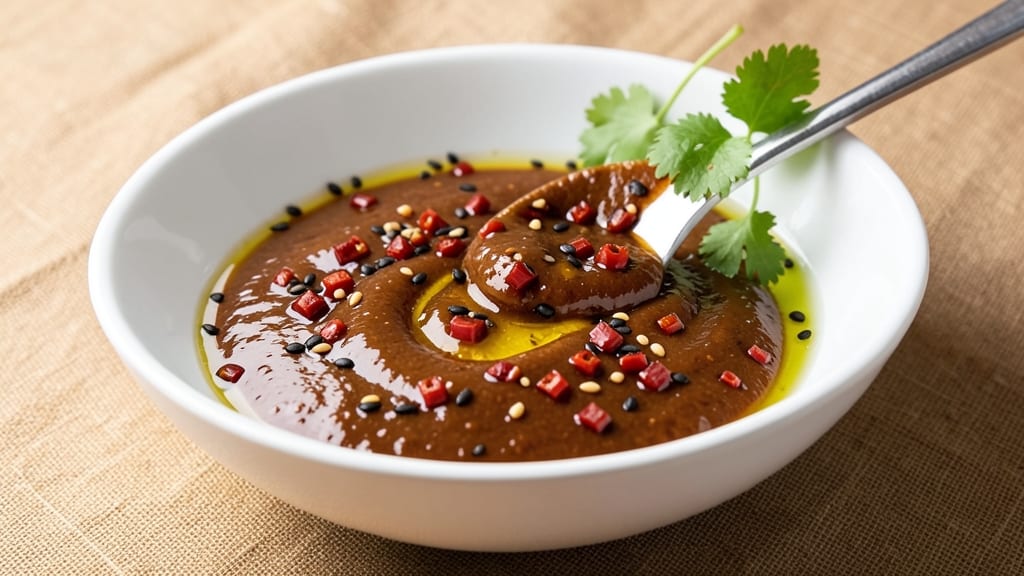
This Outback Ahi Tuna dipping sauce delivers the perfect balance of smoky, tangy, and slightly sweet flavors that elevate every bite of fresh tuna. The velvety tomato-chipotle base pairs beautifully with raw or seared ahi, while a crispy celery topping adds refreshing crunch that cuts through the richness.
I developed this recipe after years of perfecting the sauce for sushi nights—it’s now my go-to for restaurant-quality flavor at home.
The secret lies in the sauce’s smooth texture and layered spices: chipotle peppers bring heat, tomato paste adds depth, and a touch of citrus brightens everything up. Soy sauce and sesame oil create that signature umami richness, while a splash of vinegar keeps it from being too heavy.
The celery topping isn’t just garnish—it’s a game-changer for texture and freshness.
What makes this sauce stand out is how versatile it is—it works just as well with cooked tuna as it does with sashimi. The ingredients are simple, but the flavor is anything but basic. Once you taste this, store-bought dipping sauces will never compare again.
Store it in an airtight container in the fridge for up to 5 days, and trust me, you’ll reach for it again and again. Ready to make your next tuna dish unforgettable?
Ingredients for outback ahi tuna dipping sauce
Ten simple ingredients transform into this restaurant-worthy sauce with layers of smoky, tangy, and sweet flavors.
| Ingredient | Amount | Notes |
|---|---|---|
| Tomato Paste 🍅 | 2 tbsp | High-quality, unsweetened preferred |
| Chipotle Peppers in Adobo 🌶️ | 2 tbsp | Minced, includes 1 tsp adobo sauce |
| Soy Sauce 🥢 | 2 tbsp | Low-sodium preferred for balance |
| Sesame Oil 🫒 | 1 tbsp | Toasted sesame oil for aroma |
| Rice Vinegar 🍶 | 1 tbsp | White or seasoned rice vinegar |
| Fresh Lime Juice 🍋 | 1 tbsp | Freshly squeezed, no pulp |
| Granulated Sugar 🍯 | 1 tbsp | Or honey for subtle sweetness |
| Celery Sticks 🥬 | 2 whole | Thinly sliced, for crispy topping |
| Sesame Seeds 🌾 | 1 tsp | Toasted for extra crunch |
| Garlic Cloves 🧄 | 1 clove | Minced, for subtle depth |
The chipotle peppers are the flavor backbone—look for adobo sauce with visible peppers, not just powder. Trader Joe's or Mexican markets have the best quality. Fresh lime juice is a must (bottled tastes flat), so grab one at the store. The tomato paste should be smooth and unsweetened—the cheap stuff gets gritty. If you can't find toasted sesame oil, regular works, but it won't have that nutty aroma. The celery? Buy fresh, crisp stalks—they should snap when bent, not bend without cracking.
No chipotle peppers? Substitute smoked paprika plus a pinch of cayenne for heat, but you'll lose that smoky depth. Out of rice vinegar? Apple cider vinegar works, but it'll taste slightly sharper. Sugar too sweet? Cut it to 0.5 tbsp and add a pinch more lime. The celery topping can be swapped for thinly sliced cucumber or radish if you're feeling adventurous. For extra umami, add 1 tsp fish sauce—trust me, it disappears into the sauce but makes a difference. And if you're short on time, pre-minced garlic from a jar works fine here.
This sauce keeps for 5 days in the fridge, but the celery topping stays crispest for 2 days—make it fresh each time. For longer storage, keep the sauce and celery separate. The sauce thickens as it chills, so if it seems too stiff after refrigerating, stir in 1 tsp water. I like to make a double batch—one for immediate use and one to freeze for 3 months. Just thaw in the fridge overnight before using. The celery topping? Best made fresh, but you can store prepped celery in a sealed container with a paper towel for 3 days.
Why You'll Love This Recipe
- I’ll be real: ahi tuna isn’t cheap, but this sauce stretches every dollar. A little goes a long way, and the pantry staples (soy sauce, tomato paste) mean I’m not breaking the bank for flavor that feels way more expensive than it is.
- Five-Ingredient Powerhouse: I swear by this sauce because it’s that simple—just blend, simmer, and go. No chopping, no fuss, and honestly, the chipotle peppers in adobo do all the heavy lifting while I’m stirring.
- Smoky-Sweet Magic: That first bite of ahi tuna with this sauce? Chef’s kiss. The tomato paste gives it depth, the sesame oil adds nutty warmth, and the rice vinegar cuts through the richness—it’s the perfect balance I didn’t know I needed.
- Weeknight to Party Ready: Make a double batch on Sunday—it’s my go-to for sushi night, tuna tartare, or even grilled fish. Between us, it’s the sauce that turns a casual dinner into a "who made this?" moment, and it keeps for days in the fridge.
Step-by-step instructions for outback ahi tuna dipping sauce
This velvety sauce comes together in minutes with bold flavors and a crispy celery topping.
Build the Sauce Base with Tomato and Chipotle
Heat a small saucepan over medium heat and add the 2 tbsp tomato paste. Stir constantly for 1-2 minutes until it darkens slightly and becomes fragrant—this deepens the tomato flavor. Here's the thing—don't rush this step. The paste needs time to develop its rich, caramelized notes before we add liquids.
Add the 2 tbsp chipotle peppers in adobo, scraping up any browned bits from the bottom of the pan. Stir for another 30 seconds until the chipotle peppers soften slightly. You'll notice the sauce turning a deeper red color and developing a subtle smoky aroma. This is where the sauce gets its signature heat and depth. If you're using the adobo sauce from the can, add just 1 tsp as indicated in the ingredients list—too much can make the sauce bitter.
Balance Flavors with Soy, Vinegar, and Sweetness
Pour in the 2 tbsp soy sauce and 1 tbsp rice vinegar, stirring constantly. The sauce will bubble gently—let it simmer for 2-3 minutes until slightly reduced. This step is all about balancing the flavors. The soy sauce adds umami depth, while the rice vinegar brightens everything up. You'll see the sauce thicken just a bit as the liquids reduce.
Add the 1 tbsp granulated sugar and 1 tbsp fresh lime juice, stirring until the sugar dissolves completely. The sugar helps balance the acidity from the lime and vinegar, while the lime juice adds that signature tangy brightness. Taste as you go—this is where you can adjust if needed. If it's too sweet, add a splash more lime juice. If it's too sharp, a pinch more sugar helps. The goal is a perfect harmony of sweet, tangy, and smoky.
Finish with Aromatics and Toast the Sesame
Add the 1 clove minced garlic and 1 tbsp sesame oil, stirring for 30 seconds until fragrant. The garlic should infuse quickly—don't let it brown or it'll turn bitter. Here's a pro tip: if you're using fresh garlic, mince it very finely so it blends smoothly into the sauce. Remove the pan from heat and let it cool slightly while you prepare the topping.
In a dry skillet over medium heat, toast the 1 tsp sesame seeds for 1-2 minutes until they turn a rich golden brown and smell nutty. Watch them closely—they burn quickly! Transfer the seeds to a small plate and set aside. Now, thinly slice the 2 whole celery sticks into matchstick-sized pieces. The celery should be crisp and fresh—this will provide that satisfying crunch against the velvety sauce.
Assemble and Serve with Crispy Topping
Return the sauce to low heat and stir in the toasted sesame seeds. Let it warm through for just 30 seconds, then remove from heat. The seeds will release their aroma into the sauce, adding another layer of complexity. Taste one final time and adjust seasoning if needed—perhaps a touch more soy sauce for saltiness or lime juice for brightness.
Serve the sauce immediately with the sliced celery on top. The contrast between the smooth, tangy sauce and the crisp celery is what makes this sauce so irresistible. For the best experience, serve it with warm pita bread or fresh seafood. The sauce keeps well in the fridge for up to 5 days, but I promise you won't have leftovers—it disappears fast!
Pro Tips For Making Outback Ahi Tuna Dipping Sauce
- STIR CONSTANTLY: The tomato paste burns faster than you’d think—especially when you’re distracted by the sizzle of chipotle peppers. Keep a wooden spoon moving in the pan for the first 2-3 minutes, or you’ll end up with a bitter, charred base that ruins the whole sauce. (Yes, even if you’re impatient like me.)
- SIEVE THE PEPPERS: Chipotle peppers in adobo sauce are full of seeds and sediment that make your sauce grainy. Strain them through a fine-mesh sieve before adding—it’s a 30-second step that actually changes the outcome. I learned this the hard way after tasting a sauce that felt like eating sand.
- DILUTE THE SOY: Don’t add all the soy sauce at once—it’ll make the sauce too thick and salty. Mix half the soy with a splash of rice vinegar first, then add it gradually while tasting. This gives you control, and you’ll avoid that overpowering, restaurant-style saltiness that kills the balance.
- COOL BEFORE SEASONING: Taste the sauce only after it’s fully cooled for 5 minutes. Hot sauce lies—it’ll seem bland or off-balance because your taste buds are shocked. Wait, then adjust with more vinegar or a pinch of sugar if needed. (Your future self will thank you.)
Troubleshooting great outback ahi tuna dipping sauce
Sauce Too Thin?
If your sauce ends up too watery, it’s likely because the tomato paste didn’t develop enough flavor or the liquids weren’t reduced properly. Next time, simmer the sauce uncovered for an extra 2-3 minutes after adding the soy sauce and vinegar.
For immediate fixes, stir in ½ tsp cornstarch mixed with 1 tsp water and cook for 1 minute until thickened. 💡
Celery Losing Crunch?
The celery topping is key for texture, but it can turn soggy if added too early. Keep it separate until serving—just sprinkle it on right before eating. For extra crispness, slice the celery just before topping the sauce.
If you’re making this ahead, store the celery and sauce separately and assemble when ready. A quick trick: Toss celery with ½ tsp lime juice before adding to preserve freshness.
Sauce Too Spicy?
Chipotle peppers pack serious heat, so if your sauce is too spicy, balance it with more sweetness or acidity. Add ½ tsp honey or sugar to mellow the heat, or stir in 1 extra tbsp lime juice to brighten the flavor.
If you’re using store-bought chipotle in adobo, check the heat level—some brands are hotter than others. For milder heat, reduce the chipotle to 1 tbsp next time.
Sauce Too Sweet?
If the sauce tastes overly sweet, it’s likely from the sugar or honey. Cut back to ½ tbsp sugar next time, or add 1 extra tbsp rice vinegar to balance the sweetness with tang.
Fresh lime juice also helps—add ½ tbsp more to brighten the flavor. Taste as you go; small adjustments make a big difference. 🍋
No Smoky Flavor?
The smoky depth comes from the chipotle peppers, so if your sauce lacks that signature flavor, it might be from using smoked paprika instead. For authentic smokiness, stick to chipotle peppers in adobo and ensure you’re using 2 tbsp (including 1 tsp adobo sauce).
If you’re in a pinch, add ¼ tsp liquid smoke (found in baking aisles) for a quick fix, but it won’t be as rich.
Sauce Separating?
Sauce separation usually happens if the ingredients aren’t fully blended or if the heat isn’t controlled. Stir the sauce vigorously while simmering to prevent separation. If it happens after refrigeration, gently reheat it over low heat while stirring constantly.
For a smoother texture, mash the tomato paste with a fork before adding it to the pan. A splash of 1 tsp water can also help emulsify the sauce if needed.
Nutrition facts
Frequently asked questions
Can I make this sauce without chipotle peppers?
Yes, but you'll lose some smoky depth. Substitute 1 tbsp smoked paprika plus ¼ tsp cayenne pepper for the chipotle. For a milder version, reduce the chipotle to 1 tbsp and add ½ tsp liquid smoke if available. The sauce will still taste great, just with slightly different heat levels.
How long does the sauce keep in the fridge?
The sauce stays fresh for up to 5 days when stored in an airtight container. The celery topping, however, stays crispest for only 2 days, so make it fresh each time or store separately. For longer storage, freeze the sauce alone (without celery) for up to 3 months—thaw overnight in the fridge before using.
Can I use this sauce for other seafood besides ahi tuna?
This versatile sauce works beautifully with salmon, shrimp, or even grilled fish. The tomato-chipotle base pairs well with rich seafood flavors. For a different twist, try it with warm pita bread or as a marinade for chicken skewers.
Why does my sauce look too thick after refrigerating?
Sauces naturally thicken when chilled—this is normal! If it's too stiff, simply stir in 1 tsp water and warm gently over low heat while stirring. The sauce should return to its original consistency. For future batches, reduce the simmering time slightly to prevent over-thickening.
Is this sauce gluten-free?
Yes, this recipe is naturally gluten-free! The only potential concern is the soy sauce—use a certified gluten-free version if needed. All other ingredients (tomato paste, rice vinegar, lime juice, etc.) are gluten-free. Always double-check labels, especially for soy sauce and vinegar substitutes.