
Sauces & Condiments
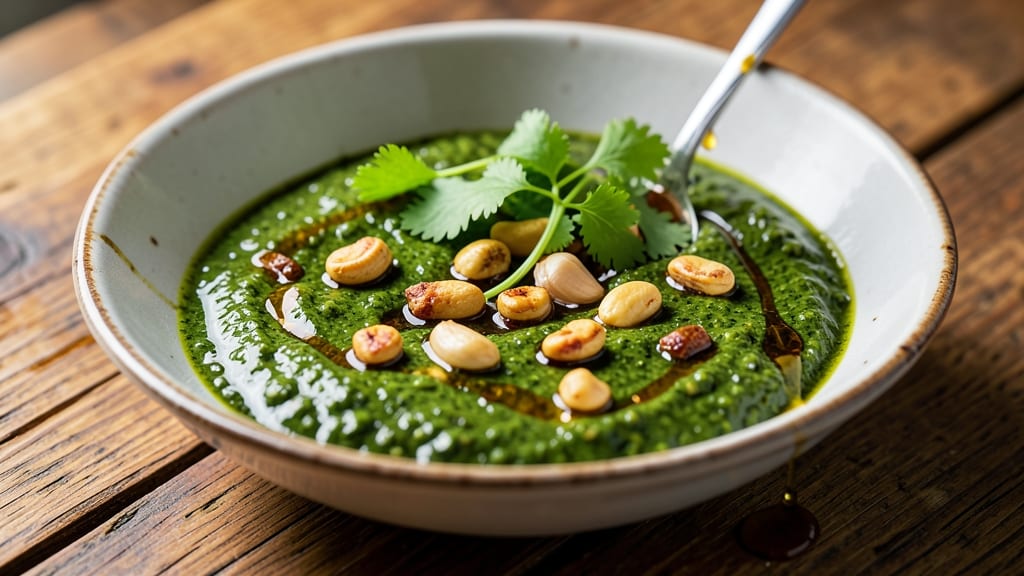
This Asian pesto sauce recipe transforms ordinary meals into vibrant, flavor-packed experiences with just 10 minutes of prep. 🌟 The nutty sesame base and fresh herbs create a harmonious blend that bridges traditional Italian pesto with bold Asian flavors, perfect for elevating noodles, grilled proteins, or fresh salads.
Unlike its Italian cousin, this version skips cheese entirely, relying instead on toasted sesame oil, peanuts, and a touch of fish sauce for depth.
The secret lies in balancing textures and flavors: crispy peanuts provide crunch, fresh herbs add brightness, and sesame oil delivers that signature nutty aroma. I developed this recipe after craving something fresh yet familiar, and it quickly became my go-to sauce for quick weeknight dinners.
The best part? It stays fresh in the fridge for up to a week, making it ideal for meal prep.
What makes this sauce truly special is its versatility—toss it with ramen for instant flavor, drizzle over grilled chicken, or use it as a tangy dressing for summer salads.
The combination of garlic, chili, and fish sauce creates layers of umami and heat that linger on your palate, while the sesame seeds add a satisfying crunch with every bite.
Ready to make this sauce? It requires just 5 simple ingredients plus optional garnishes like sliced scallions or extra sesame seeds. The process is straightforward, but the results are anything but basic—this is restaurant-quality flavor you can make at home. Let's get started!
Ingredients for asian pesto sauce
Five bold flavors come together for this Asian-inspired twist on classic pesto.
| Ingredient | Amount | Notes |
|---|---|---|
| Roasted Peanuts 🥜 | ¾ cup | Toasted until golden brown |
| Fresh Cilantro Leaves 🌿 | 1 cup | Stems removed, tightly packed |
| Garlic Cloves 🧄 | 4 cloves | Peeled, roughly chopped |
| Toasted Sesame Oil 🫒 | ½ cup | High-quality, nutty aroma |
| Fish Sauce 🍶 | 1 tbsp | Red Boat brand preferred |
| Lime Juice 🍋 | 1 ½ tbsp | Freshly squeezed |
| Sesame Seeds 🌰 | 2 tbsp | For garnish, toasted |
| Red Chili Flakes 🌶️ | ½ tsp | Adjust for heat preference |
| Salt 🧂 | ½ tsp | Kosher or sea salt |
Peanuts are the star here—Trader Joe's roasted ones are my go-to, but any store-bought or homemade toasted peanuts work. Fresh cilantro is non-negotiable for that bright punch, but if you're using dried, double the amount and add a splash of water. Garlic should be peeled and roughly chopped—no need to mince it fine. Sesame oil? Don't confuse it with regular sesame oil—this needs to be the toasted kind for that nutty depth. Grab the Red Boat fish sauce if you can; it's worth the splurge for that authentic umami kick.
No peanuts? Cashews or almonds work in a pinch, but toast them first. Short on cilantro? Fresh mint or basil can stretch it out. Fish sauce missing? Soy sauce with a pinch of sugar mimics the flavor, though it won't be identical. Want more heat? Add extra chili flakes or a dash of sriracha. The lime juice is key—freshly squeezed is a must—it balances the richness of the peanuts and sesame oil. If you're prepping ahead, hold off on adding the lime juice until just before serving to keep it bright.
This sauce keeps beautifully—up to 1 week in the fridge if you store it in an airtight jar with a thin layer of oil on top. Freezes for 3 months too, though texture might change slightly. I always make a double batch because it disappears fast—perfect for meal prep. Garnish with extra sesame seeds and sliced scallions right before serving to keep everything fresh-tasting. The sauce thickens as it sits, so add a splash of water or lime juice if it gets too stiff.
Why You'll Love This Recipe
- Here’s what sold me: it’s my go-to for lazy nights and fancy dinners. Toss it with noodles, stir into soups, or slather it on grilled chicken—no one ever guesses it’s this easy. Even my picky dad asks for seconds.
- No-Chop Trick: I swear by this—just pulse the peanuts, cilantro, and garlic in a food processor until it’s chunky but not paste-y. The roasted peanuts add crunch without extra work, and the cilantro’s bright punch cuts through any dish in seconds.
- Umami Bomb: Between the toasted sesame oil’s nutty warmth and fish sauce’s salty depth, this sauce has layers. Honestly, I’ll drizzle it on anything just to taste that perfect balance—like a savory hug in every bite.
- Pantry Magic: Here’s what sold me: it’s my go-to for lazy nights and fancy dinners. Toss it with noodles, stir into soups, or slather it on grilled chicken—no one ever guesses it’s this easy. Even my picky dad asks for seconds.
Step-by-step instructions for Asian pesto sauce
Here's how to blend bold flavors into this vibrant, nutty sauce that's perfect for noodles or bowls.
👨🍳 Step 1: Toast the Peanuts for Maximum Crunch
Heat a dry skillet over medium heat and add the 0.75 cup roasted peanuts. Toast for 3-4 minutes until they're fragrant and slightly darker in color—you'll see them puff up a bit and smell that nutty aroma. This step deepens their flavor and gives the sauce that signature crunch. Don't walk away; peanuts burn fast once they start browning.
Transfer the toasted peanuts to a plate to cool slightly. Once cool enough to handle, pulse them in a food processor until you have coarse crumbs—about 10-15 pulses. You want texture, not a smooth paste. The crumbs will become the sauce's nutty backbone, so don't over-process or you'll lose that essential crunch.
🍳 Step 2: Pulse the Aromatics into the Processor
Add the 1 cup fresh cilantro leaves (stems removed), 4 cloves garlic cloves, and 0.5 tsp salt to the food processor with the peanut crumbs. Pulse together until you have a rough chop—about 15-20 seconds. You're looking for a mix that still has visible texture but is well combined. The cilantro should be finely chopped but not completely puréed.
Here's the thing—don't skip the salt at this stage. It helps break down the garlic and cilantro fibers, making them release their flavors more effectively. The mixture should smell bright and fresh, with that garlic punch cutting through the cilantro's herbal notes. If it smells weak, add a pinch more salt.
🥘 Step 3: Stream in the Wet Ingredients
With the food processor running, slowly drizzle in the 0.5 cup toasted sesame oil through the feed tube. This gradual addition prevents the oil from overwhelming the mixture and creates that perfect emulsified texture. You'll see the mixture come together into a thick, vibrant green paste—this is your base sauce forming right before your eyes.
Add the 1.5 tbsp lime juice and 1 tbsp fish sauce next. The lime brightens everything up while the fish sauce adds that umami depth. Pulse just until everything is fully incorporated—about 5-10 seconds. Taste and adjust seasoning: need more salt? Add a pinch. Want more heat? Sprinkle in the 0.5 tsp red chili flakes now. The sauce should be bold but balanced, with all flavors singing together.
🔪 Step 4: Finish with Garnish for Texture Contrast
Transfer the sauce to a serving bowl. Stir in the 2 tbsp toasted sesame seeds just before serving—this adds that final crunchy element that makes this sauce so satisfying. The seeds should be evenly distributed but still visible, creating little bursts of texture with each bite.
Real talk: this sauce tastes best when used immediately, but it'll keep in an airtight container in the fridge for up to 5 days. Give it a quick stir before using, and you can add a splash of water or sesame oil if it thickens. Serve it over noodles, drizzle on grilled meats, or use as a vibrant dip—just don't let it sit too long before enjoying!
Pro Tips For Making Asian Pesto Sauce
- TOAST PEANUTS UNTIL GOLDEN: I learned this the hard way—peanuts for pesto need to be actually toasted, not just warm. Spread them in a single layer on a dry skillet over medium heat and stir constantly until they’re fragrant and just starting to turn golden (about 5-7 minutes). Stop when they smell nutty, not burnt—overcooking turns them bitter, and that flavor lingers.
- STRIP CILANTRO STEMS LIKE A PRO: Don’t waste those tough stems—strip them first, then chop the leaves. Hold a bunch by the roots and run your thumb down the back of the stems to separate the leaves cleanly. The stems add a deeper, slightly bitter flavor that balances the sauce, but only if you prep them right.
- PULSE GARLIC IN BATCHES: Whole garlic cloves in pesto can turn your sauce into a muddy, uneven mess. Pulse 1-2 cloves at a time in your food processor until finely chopped, then scrape the sides and repeat. This keeps the texture smooth and prevents clumps—trust me, your future self will notice the difference.
- SALT THE FISH SAUCE FIRST: Fish sauce is salty, but not all brands are created equal. Taste it straight from the bottle and adjust with a pinch of salt if it’s too strong or weak before adding it to the pesto. This way, you’re not guessing whether your sauce needs more salt later—it’s already balanced.
Dietary considerations for this recipe
Vegan-Friendly Base
This Asian pesto sauce is naturally vegan, making it perfect for plant-based diets. The nutty peanut base replaces traditional cheese, while sesame oil and fish sauce provide depth without dairy. I always double-check labels on fish sauce—Red Boat is vegan-friendly, but some brands may contain additives.
For a fully plant-based version, swap fish sauce for soy sauce or vegan fish sauce alternatives like Vantastic Foods brand. 🌱
Gluten-Free Adaptations
All core ingredients are naturally gluten-free, but always verify labels on fish sauce and sesame oil. Some brands may contain wheat additives. I recommend Annie Chun's gluten-free fish sauce if you need a certified option.
The peanut base is safe for gluten-free diets, but cross-contamination can occur if processed in shared facilities. For extra safety, toast your own peanuts in a dedicated pan.
Nut-Free Substitutions
Peanuts are the heart of this sauce, but cashews or almonds work in a pinch. Toast ½ cup raw cashews for 5 minutes in a dry skillet until golden, then pulse in the food processor.
For nut-free versions, use sunflower seeds or pumpkin seeds—toast them first for maximum flavor. The texture will be slightly different but still delicious. Always check for allergies before serving!
Spice Level Control
Adjust heat to your preference by controlling the red chili flakes. For mild versions, reduce to ¼ tsp or omit entirely. For extra kick, add ½ tsp sriracha or a dash of gochujang.
I find that 1-2 slices of fresh chili (like Thai bird's eye) blended in adds fresh heat without drying out the sauce. Always taste as you go—this sauce is forgiving but needs balance.
Low-Oil Versions
If watching oil intake, reduce sesame oil to ¼ cup and replace with 2 tbsp lime juice or 1 tbsp water. The sauce will be slightly thinner but still flavorful. For extra richness without oil, add 1 tbsp tahini—it adds creaminess while keeping the sauce lighter.
Always taste after reducing oil to ensure proper emulsification. The texture should remain cohesive but not greasy. 💡
Nutrition facts
Frequently asked questions
Can I make this sauce without a food processor?
If you don't have a food processor, finely chop the peanuts by hand and blend the cilantro, garlic, and salt in a mortar and pestle. Then whisk everything together with the wet ingredients in a bowl. The texture will be slightly chunkier but still delicious—just stir in the sesame seeds at the end for that signature crunch.
How do I store leftovers to keep them fresh?
Transfer the sauce to an airtight container and press a thin layer of sesame oil on top to preserve freshness. It'll keep in the fridge for 5-7 days. For longer storage, freeze in ice cube trays—thaw and use within 3 months. Always give it a quick stir before using, and add a splash of water or lime juice if it thickens.
What are the best ways to use this sauce?
This versatile sauce shines on ramen, udon, or rice noodles, but it's also perfect for grilled meats, seafood, or fresh salads. Drizzle it over steamed veggies or use it as a dip for spring rolls. For extra richness, mix it into soups or stir-fries. The key is to use it fresh—it pairs best with warm dishes.
Why does my sauce taste too salty or bitter?
Overly salty? You likely used too much fish sauce—start with 1 tsp and adjust. Bitter taste? Fresh lime juice or a pinch of sugar can balance it. If the peanuts taste bitter, they may be stale—always use freshly toasted nuts. Taste as you go! The sauce should be bold but harmonious, with all flavors working together.
Can I substitute cilantro with another herb?
Yes! Fresh mint, basil, or Thai basil work well—just double the amount since they're milder. For a stronger flavor, try coriander stems (blended with leaves). Avoid parsley—it lacks the bright, citrusy notes that cilantro provides. The herb should complement the nutty peanuts and sesame oil, not overpower them.