
Sauces & Condiments
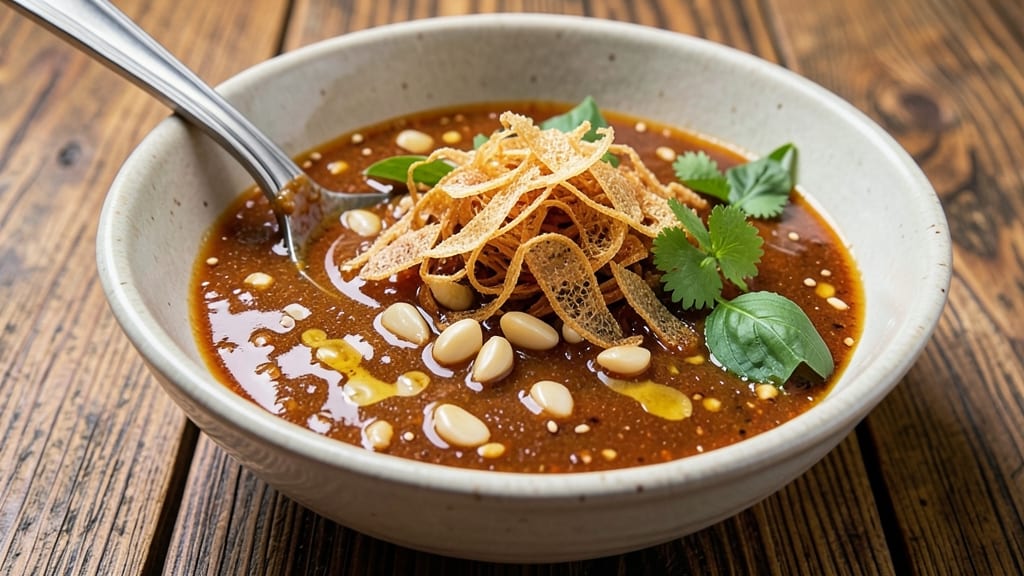
Annie Chun's Pad Thai sauce recipe captures the authentic tamarind-zing glaze that defines this beloved Thai dish. The balance of tangy tamarind, salty fish sauce, and sweet palm sugar creates a sauce that's both complex and deeply flavorful—exactly what makes Pad Thai irresistible.
This isn't just a sauce; it's the soul of the dish, transforming simple noodles into a restaurant-quality meal.
The secret lies in the simplicity of ingredients—fish sauce for umami depth, tamarind for that signature tang, and palm sugar for just the right sweetness. Unlike store-bought versions, this recipe delivers a bold, authentic flavor without artificial additives.
The sauce is versatile too, perfect for noodles, stir-fries, or even drizzled over grilled meats. It's the kind of sauce that makes you crave another bite.
What sets this sauce apart is its perfect balance—sweet, sour, salty, and savory all in one harmonious glaze. The tamarind paste gives it that signature tang, while the fish sauce adds a deep, savory richness.
Palm sugar caramelizes slightly as it simmers, creating a subtle depth that elevates every dish it touches. This isn't just a sauce; it's a flavor experience that turns ordinary meals into something extraordinary.
Ready in just 15 minutes, this sauce is easy to make but packed with layers of flavor. Whether you're cooking a classic Pad Thai or using it as a glaze for grilled chicken, the results are restaurant-quality every time.
The best part? It keeps well in the fridge, so you can make a batch and enjoy it all week. Let's get started on this authentic, zesty glaze that will change how you enjoy Pad Thai forever.
Ingredients for annie chun's pad thai sauce
Five key ingredients transform into this restaurant-quality tamarind-zing glaze—authentic Pad Thai magic in a jar.
| Ingredient | Amount | Notes |
|---|---|---|
| Tamarind Paste 🍈 | ½ cup | High-quality, unsweetened preferred |
| Fish Sauce 🐟 | ⅓ cup | Red Boat preferred for authenticity |
| Palm Sugar 🍯 | ½ cup | Or substitute light brown sugar |
| Rice Vinegar 🍶 | ¼ cup | White or seasoned variety |
| Soy Sauce 🥢 | ¼ cup | Light or regular, no wheat gluten |
| Garlic Cloves 🧄 | 6 cloves | Minced for maximum flavor |
| Fresh Ginger 🌿 | 1 ½ tbsp | Grated, fresh preferred |
| Sesame Oil 🫒 | 1 tbsp | Toasted for nutty aroma |
| Water 💧 | ½ cup | Room temperature preferred |
| Salt 🧂 | 1 tsp | Diamond Crystal preferred |
Tamarind is the soul of this sauce—Mae Ploy or Thai Kitchen brands are your best bet at Asian markets. If you can't find it, unsweetened date paste works in a pinch, though the tang won't be identical. The fish sauce? Red Boat is non-negotiable—it's the only brand that captures that perfect umami depth without overpowering. Palm sugar caramelizes beautifully, but light brown sugar is a fine substitute if you're in a hurry. For the garlic and ginger, fresh is essential—powdered versions just won't deliver that bright, zesty punch. Toast your sesame oil in a dry pan for 30 seconds before using—that nutty aroma is what elevates this sauce from good to restaurant-quality.
No tamarind paste? Lemon juice plus 1 tbsp molasses mimics the tang (though it's not the same). Swapping fish sauce? Soy sauce plus 1/4 tsp MSG gets you close, but you'll miss that authentic depth. Running low on palm sugar? Honey or agave works, but the caramelization won't be the same. The garlic can be roasted for a sweeter note if you're feeling fancy—just toss whole cloves on a baking sheet at 400°F for 10 minutes. For extra richness, add 1 tbsp peanut butter at the end (trust me on this). And if you're making this for a crowd, double the recipe—this sauce keeps for weeks in the fridge.
This sauce is a flavor powerhouse that only gets better with time. Store it in an airtight jar in the fridge for up to 3 weeks, or freeze it for 6 months in ice cube trays for single-serving portions. The longer it sits, the more the flavors meld together—that's when it truly becomes magic. Use it as a glaze for grilled meats, a dipping sauce for spring rolls, or the star of your Pad Thai. Pro tip: Drizzle a little over hot noodles right before serving—it reheats beautifully and intensifies the aroma. Make a big batch and thank me later.
Why You'll Love This Recipe
- Five-Ingredient Magic: I swear, this sauce comes together with just a whisk and a bowl—no fancy techniques, no stress. The tamarind paste does all the heavy lifting, while the fish sauce and palm sugar balance it into something ridiculously good in minutes.
- Umami Bomb: That first taste? Tangy, sweet, and salty all at once, thanks to the tamarind and fish sauce working their magic. It’s the kind of flavor that makes you pause mid-bite—like a little Thai restaurant secret in your kitchen.
- Weeknight Hero: Slap this sauce on noodles for dinner, drizzle it over grilled chicken for lunch, or even toss it with veggies for a quick stir-fry. Honestly, I’ve used it in at least three different meals this week, and it never lets me down.
- Budget-Friendly Staple: A small jar of tamarind paste and a bottle of fish sauce last forever, and they’re the backbone of this sauce. I make a big batch on Sundays, and it stretches across five or six meals—no wasted ingredients, just pure flavor efficiency.
Step-by-step instructions for annie Chun's Pad Thai sauce
Here's how to craft that signature tangy, umami-rich glaze that makes Pad Thai unforgettable.
Bloom the Tamarind and Aromatics
In a medium saucepan, combine the 0.5 cup tamarind paste with the 0.5 cup palm sugar and 0.5 cup water. Bring to a gentle simmer over medium heat, stirring constantly until the sugar fully dissolves and the mixture thickens slightly—about 5 minutes. This creates the perfect balance of sweet and sour that defines authentic Pad Thai.
While the tamarind mixture simmers, add the 6 cloves minced garlic and 1.5 tbsp grated fresh ginger to the same pan. Cook for 2 minutes until fragrant, being careful not to let them brown. The aromatics should perfume the kitchen with their bright, zesty scent—this is where the sauce gets its complex depth.
Build the Sauce Foundation
Pour in the 0.33 cup fish sauce and 0.25 cup soy sauce, stirring vigorously to combine. The mixture will darken slightly as the flavors meld together. Add the 0.25 cup rice vinegar next, which adds that signature tangy brightness. Let the sauce simmer for 3-4 minutes until it begins to reduce and thicken—you're looking for a consistency between syrup and glaze.
Here's the thing—don't rush this step. The sauce needs time to develop its layers of flavor. You'll know it's ready when it coats the back of a spoon smoothly and smells like a perfect balance of sweet, salty, sour, and umami. Taste and adjust seasoning with the 1 tsp salt if needed, but it should already be perfectly balanced.
Finish with Sesame Oil and Rest
Remove the sauce from heat and stir in the 1 tbsp toasted sesame oil. This final touch adds a nutty aroma and rich depth that ties everything together. The oil should be fully incorporated, giving the sauce a glossy sheen. If the sauce has thickened too much, thin it slightly with a splash of hot water—just enough to reach a pourable consistency that clings beautifully to noodles.
Let the sauce rest for 10 minutes at room temperature. This resting period allows all the flavors to fully meld and develop. The sauce will continue to thicken slightly as it cools, so don't be tempted to adjust it immediately. When you're ready to use it, give it one final taste and adjust with a pinch more salt or a splash of rice vinegar if needed—this is where you perfect the balance for your personal preference.
Strain and Store for Maximum Freshness
For the smoothest sauce, strain it through a fine-mesh sieve to remove any ginger or garlic bits. This step ensures a silky texture that coats noodles perfectly. The strained sauce should be vibrant amber in color with a glossy finish—this is your visual cue that it's ready to use.
Use the sauce immediately for the freshest flavor, or store it in an airtight container in the refrigerator for up to 1 week. When ready to use again, reheat gently over low heat, stirring constantly, until warmed through. This sauce is the heart of your Pad Thai—every spoonful should deliver that perfect balance of sweet, tangy, salty, and umami that makes this dish so addictive.
Pro Tips For Making Annie Chun'S Pad Thai Sauce
- STIR CONSTANTLY AT FIRST: The tamarind paste and palm sugar need to dissolve fast—hit that saucepan on medium-high and keep the spoon moving like you’re stirring oatmeal. I learned this the hard way when my first batch turned into a sticky glob instead of a smooth sauce. Once it’s fully melted (about 2-3 minutes), you can ease up.
- DILUTE THE TAMARIND PASTE: Skip the clumpy mess by mixing the tamarind paste with ¼ cup warm water first—it dissolves instantly. Annie Chun’s recipe calls for it straight, but I’ve ruined two batches trying to scrape it out of the jar. A quick whisk in hot water saves time and frustration.
- TASTE AS YOU GO: Balance is everything here—taste after adding the fish sauce, then again after the vinegar. Palm sugar can sneak up on you, making the sauce cloying if you overdo it. I now keep a small bowl of plain rice noodles nearby to test the flavor on the fly.
- USE LESS FISH SAUCE: Start with half the amount listed (2-3 tablespoons instead of 4-5) and adjust to taste. Store-bought fish sauce varies wildly in saltiness, and you’ll end up with a soggy noodle disaster if you overdo it. Better to add more than fix it later.
Make-ahead tips for leftovers
Batch Prep Secrets
Make a big batch of this sauce—it keeps for 3 weeks in the fridge or 6 months frozen. I double the recipe and store it in quart-sized mason jars with tight lids. The flavors actually deepen over time, so the second batch tastes even better than the first! 💫
Freezing for Convenience
Freeze in ice cube trays for single-serving portions—just pop out what you need and reheat. For larger quantities, use silicone molds or freezer bags with 1-inch headspace. Thaw overnight in the fridge before using, or reheat directly from frozen over low heat for 5-7 minutes.
Sauce Stability Tips
This sauce thickens as it cools, so store it at room temperature for 10 minutes before refrigerating. If it separates, simply stir and reheat gently. The sesame oil helps preserve freshness, but adding a pinch of salt before storing prevents bacterial growth.
Reheating Like a Pro
For best results, reheat in a saucepan over low heat with 1-2 tbsp water to prevent scorching. Stir constantly until warmed through—about 3-4 minutes. Microwaving works in a pinch, but it can break down the delicate balance of flavors. Always taste and adjust after reheating.
Flavor Boost Hack
Add a ½ tsp toasted sesame seeds to each jar before sealing for extra aroma. If the sauce tastes flat after freezing, revive it with a splash of rice vinegar and a pinch of Red Boat fish sauce. The acidity and umami will bring back that restaurant-quality punch. 🌶️
Long-Term Storage
For maximum shelf life, divide the sauce into small glass jars and freeze. Label with the date—it stays fresh for up to 6 months without losing flavor. When ready to use, thaw in the fridge overnight. The sauce will thicken slightly, so thin with a splash of water if needed.
Nutrition facts
Frequently asked questions
Can I substitute tamarind paste if I can't find it?
Yes! For a quick substitute, mix ¼ cup lemon juice with 1 tablespoon molasses to mimic the tangy-sweet balance. While not identical, it'll still give your Pad Thai sauce that bright, zesty kick. For a closer match, try unsweetened date paste (1:1 ratio), though the texture may differ slightly.
How do I adjust the sauce for spicier Pad Thai?
Add ½ teaspoon chili flakes or 1 teaspoon sambal oelek while simmering to boost heat. For extra depth, stir in 1 teaspoon chili paste (like sambal) at the end. Start with less—you can always add more, but you can't remove the spice once it's in!
Why did my sauce turn cloudy after refrigerating?
This happens when the sauce separates due to cooling. Simply stir vigorously and reheat gently over low heat with 1 tablespoon water until smooth. The sesame oil helps stabilize it, but adding a pinch of salt before storing can prevent future separation.
Can I use this sauce in other dishes besides Pad Thai?
This versatile glaze works beautifully as a marinade for grilled chicken or tofu, a dipping sauce for spring rolls, or even a stir-fry sauce. Just thin it slightly with water if needed for pouring. The balance of sweet, sour, and umami makes it perfect for noodles, rice dishes, or drizzled over roasted vegetables.
What's the best way to store leftover sauce?
Transfer to an airtight container and refrigerate for up to 3 weeks, or freeze in ice cube trays for 6 months. For long-term storage, leave a 1-inch headspace in the container to prevent ice crystals. Thaw overnight in the fridge before using.