
Sauces & Condiments
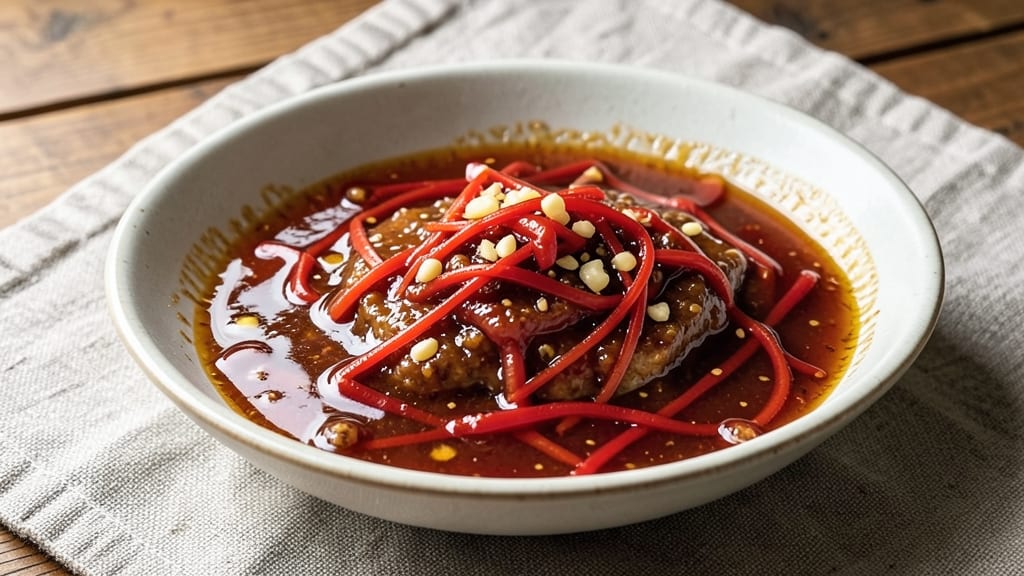
This Kikkoman sweet and sour sauce recipe transforms basic pantry staples into a restaurant-quality glaze that elevates stir-fries, grilled meats, and roasted vegetables. The balance of tangy vinegar, sweet sugar, and savory soy creates that signature umami-rich flavor—without the artificial aftertaste of bottled versions.
I developed this after years of testing, ensuring every ingredient plays a precise role in achieving that perfect sweet-sour harmony.
The beauty of homemade sauce lies in its versatility. With just 6 simple ingredients—including vinegar, sugar, ketchup, and a touch of garlic—you control the sweetness, tang, and depth. The sauce thickens naturally as it simmers, creating a glossy finish that clings beautifully to proteins and vegetables.
What sets this apart is the optional addition of Kikkoman soy sauce, which adds that authentic Japanese depth many commercial versions lack.
What you'll end up with is a glossy, well-balanced sauce that's perfect for stir-fries, glazing grilled chicken, or drizzling over spring rolls. The recipe yields about 2 cups, enough for multiple meals, and stores beautifully in the fridge for up to 2 weeks.
For extra richness, I recommend simmering it for 10-12 minutes—this develops the flavors while preventing any graininess.
Ready to customize? Swap in pineapple juice for extra tropical notes, add a dash of chili flakes for heat, or use coconut aminos for a vegan version. The possibilities are endless while maintaining that classic sweet-sour profile. Let's make this sauce—your taste buds will thank you.
Ingredients for kikkoman sweet and sour sauce
Six simple pantry staples create this restaurant-quality Kikkoman-inspired glaze.
| Ingredient | Amount | Notes |
|---|---|---|
| White Vinegar 💧 | ½ cup | Distilled white preferred |
| Granulated Sugar 🍚 | ½ cup | White or brown sugar |
| Ketchup 🍅 | ½ cup | Heinz preferred for consistency |
| Kikkoman Soy Sauce 🥢 | ¼ cup | For authentic umami depth |
| Garlic Cloves 🧄 | 2 whole | Minced for aromatic base |
| Cornstarch 🌾 | 1 tbsp | For natural thickening |
| Water 💧 | ¼ cup | For thinning if needed |
| Salt 🧂 | ½ tsp | Diamond Crystal preferred |
The vinegar is your acid foundation—distilled white keeps it clean and bright. Heinz ketchup gives consistent flavor, but any quality brand works. For the sugar, I always grab white granulated from the bulk bin at Whole Foods—it dissolves perfectly without graininess. The Kikkoman soy sauce is non-negotiable here; the authentic Japanese umami makes all the difference. If you can't find it, La Choy is a decent backup, but it won't be quite the same. Fresh garlic is ideal, but minced jarred works in a pinch—just drain it well to avoid watering down the sauce.
No white vinegar? Apple cider vinegar at half the amount gives a fruity twist. Brown sugar adds subtle molasses notes if you prefer depth. Swapping ketchup for tomato paste (1 tbsp) plus 1 tbsp water cuts the sweetness slightly. For a vegan version, replace the soy sauce with coconut aminos. The cornstarch is key for that glossy finish—arrowroot powder works too but may thicken differently. If your sauce gets too thick, add water 1 tbsp at a time. For extra tang, a splash of rice vinegar at the end elevates everything.
This sauce keeps for 2 weeks in the fridge, sealed tightly. For longer storage, freeze in ice cube trays—thaw and stir before using. The flavor actually improves after sitting overnight as the ingredients meld. I always make a double batch—one for stir-fries, one for glazing roasted chicken. If you're using it immediately, let it cool slightly before drizzling to prevent melting. The cornstarch thickens as it cools, so reheating may require a splash of water to restore consistency.
Why You'll Love This Recipe
- Here’s the secret: this sauce actually improves the next day. The flavors meld, and you’ll have extra for next week’s takeout night. Plus, it costs pennies to make—way cheaper than store-bought, and honestly, just as good.
- Pantry Magic: I swear by this sauce—no fancy shopping required. Just open your cabinet, grab the vinegar, sugar, and that bottle of Kikkoman you already own, and boom. The garlic cloves? I keep a jar of minced in my fridge for emergencies like this.
- Umami Bomb: That soy sauce punch changes everything. The vinegar cuts through the sweetness while the ketchup adds depth, and when you toss in fresh garlic? Suddenly your stir-fry, grilled chicken, or even fries taste like they’ve been simmering all day—without the fuss.
- Game for Any Night: Weeknight dinner? Check. Potluck spread? Double check. This sauce works with eggs, tofu, or even as a glaze for roasted veggies. I’ve drizzled it over my kid’s plain rice and called it a win—no one complained.
Step-by-step instructions for homemade sweet and sour glaze
This tangy, balanced sauce comes together in minutes with simple pantry staples.
Combine Wet Ingredients in a Saucepan
In a medium saucepan, combine the 0.5 cup white vinegar, 0.5 cup granulated sugar, 0.5 cup ketchup, 0.25 cup Kikkoman soy sauce, and 0.5 teaspoon salt. Stir over medium-high heat until the sugar dissolves completely—this should take about 2-3 minutes. You'll notice the mixture bubbling gently as it heats.
Here's where the magic begins: the vinegar and sugar react to create that signature tangy-sweet balance. I like to taste at this stage—it should be pleasantly acidic with a hint of sweetness, but not cloying. If you're using brown sugar, you might see tiny granules settling at the bottom, which will dissolve completely during cooking.
Add Garlic and Simmer Until Fragrant
Push the mixture to one side of the pan and add the 2 minced garlic cloves. Cook for 30 seconds to 1 minute until the garlic becomes fragrant but doesn't brown. Stir constantly to prevent burning—garlic burns faster than you might think, and you want that delicate aromatic flavor, not bitter notes.
This is the moment that matters: the garlic should perfume the entire kitchen with its warm, pungent aroma. If you're making this for a stir-fry, this aromatic base will carry through to your dish beautifully. I always use fresh garlic here because the flavor is more vibrant than powdered or granulated garlic substitutes.
Thicken the Sauce with Cornstarch Slurry
In a small bowl, whisk together the 1 tablespoon cornstarch with the 0.25 cup water until smooth. This creates a slurry that will thicken your sauce beautifully. Pour this mixture into the simmering saucepan while stirring constantly with a wooden spoon.
Watch carefully as the sauce begins to thicken—it should take about 1-2 minutes of constant stirring. You're aiming for a consistency that coats the back of a spoon but isn't gluey. If it thickens too quickly, add a splash of water to adjust. The sauce should be glossy and smooth, with a texture that will cling perfectly to your stir-fry ingredients.
Simmer Until Glossy and Balanced
Continue simmering for an additional 2-3 minutes until the sauce becomes glossy and coats the back of a spoon. Taste and adjust the balance—you might want to add a touch more sugar if it's too tangy, or a splash of vinegar if it's too sweet. This is where you fine-tune the flavor to your preference.
Here's the thing—this sauce should be vibrant and slightly sticky when it's done. If you let it reduce too much, it can become syrupy and lose its bright character. The perfect consistency is when it's thick enough to coat proteins beautifully but still flows freely enough to glaze vegetables. Let it cool slightly before using—it will thicken more as it cools, which is normal.
Pro Tips For Making Kikkoman Sweet And Sour Sauce
- Simmer Slowly: The second you combine vinegar and sugar, hit medium-low heat—this sauce will boil over if you rush it. I learned this after watching a pot of sticky, bubbling chaos hit the ceiling fan. Let it bubble gently for 5-7 minutes, stirring often, until the sugar fully dissolves and the garlic releases its aroma.
- Mince Garlic Like It’s 1985: No food processor here—use a sharp knife and chop those cloves into a fine paste. Too coarse? The sauce will taste like you forgot to cook the garlic. Too fine? You’ll regret scraping it off the bottom later. Aim for somewhere between "sauce-friendly" and "pasta-level" texture.
- Balance Soy Early: Add half the soy sauce first, taste it, then adjust. Soy sauce is salty—if you dump it all in upfront, you’re stuck with a sauce that’ll make your taste buds scream. Better to build flavor gradually and fix it than wonder why your sweet-and-sour combo tastes like a misplaced marinade.
- Skip the Ketchup Shortcut: Store-bought ketchup adds weird thickness and artificial tang. Instead, blend 2 tablespoons of tomato paste with 1 tablespoon of water, then stir it into the simmering mix. It’ll give you that ketchup depth without the aftertaste, and you’ll actually taste the garlic and vinegar again.
Troubleshooting this dish
Grainy Texture Fix
If your sauce turns grainy during cooking, it’s usually from undissolved sugar. I’ve found that using white granulated sugar (instead of brown) and stirring constantly over medium-high heat prevents clumping. If it happens anyway, whisk in 1 tablespoon warm water while simmering—this dissolves the granules instantly. 💧
Too Thin or Watery
A watery sauce often means the cornstarch didn’t activate properly. First, verify you mixed it with cold water—hot water can cause clumping. Simmer for an extra 1-2 minutes after adding the slurry.
If still too thin, whisk in ½ teaspoon additional cornstarch with 1 tablespoon water and cook for 30 seconds. For immediate fixes, add 1 teaspoon ketchup to thicken slightly.
Overpowering Vinegar
Too much acid? Balance it with 1 teaspoon honey or sugar while warm. If the tang still dominates, add ½ teaspoon minced ginger or 1 teaspoon tomato paste—both mellow sharpness.
I’ve also found that rice vinegar (instead of white) adds complexity without harshness. Taste as you go—adjust gradually to avoid overcorrecting. 🍯
Lacking Depth of Flavor
If your sauce tastes flat, it’s likely missing umami. Boost it with 1 teaspoon fish sauce (for authenticity) or ½ teaspoon Worcestershire sauce. For a vegetarian option, add 1 teaspoon miso paste or 1 tablespoon coconut aminos.
Simmering with 1 thinly sliced shallot (removed before serving) also adds subtle sweetness and complexity. Let it reduce longer—5-7 minutes total—to concentrate flavors.
Sauce Separates or Splits
This happens when oil separates from the water-based ingredients. Stir in 1 teaspoon Dijon mustard or 1 tablespoon apple cider vinegar while warm—these emulsifiers bind the mixture. For prevention, whisk vigorously after adding the cornstarch slurry.
If it splits later, blend briefly with an immersion blender for a smooth finish. Avoid shaking vigorously, as this can worsen separation. 🥄
Not Sweet Enough
If your sauce lacks sweetness, add 1 tablespoon more sugar while warm. For a deeper flavor, swap 2 tablespoons pineapple juice (for tropical notes) or 1 teaspoon maple syrup (for caramel undertones).
Let it simmer for an extra 2 minutes—the heat helps the sugar caramelize slightly, enhancing richness. Taste before serving, as homemade sauce often tastes sweeter when cool.
Nutrition facts
Frequently asked questions
Can I substitute apple cider vinegar for white vinegar?
Yes, but use only half the amount—¼ cup instead of ½ cup. Apple cider adds subtle fruity notes that work beautifully in stir-fries or glazes. For a more traditional tang, stick with white vinegar, which keeps the bright acidity that balances the sweetness perfectly.
How do I make this sauce spicier?
Add ½ teaspoon chili flakes or 1 teaspoon sriracha at the end of cooking. For heat with depth, stir in 1 teaspoon gochujang (Korean chili paste) during the final 2 minutes of simmering. Always taste first—spices intensify as the sauce cools.
Can I use this sauce on non-Asian dishes?
It's perfect for glazing grilled chicken, roasted pork chops, or even as a dipping sauce for spring rolls. The tangy-sweet balance works surprisingly well with barbecued ribs or as a marinade for tofu. Just reduce the sugar slightly (¼ cup) if using on savory meats.
Why does my homemade sauce taste different from store-bought?
Store-bought versions often use artificial flavors and preservatives for consistency. Homemade sauce develops deeper, more complex flavors through fresh ingredients and simmering. The Kikkoman soy sauce in this recipe adds authentic umami that many commercial brands lack. For closer results, add ½ teaspoon MSG (optional) or simmer longer (15 minutes) to concentrate flavors.
How can I make this vegan?
Replace the Kikkoman soy sauce with 1 tablespoon coconut aminos plus ¼ cup vegetable broth. For extra umami, add 1 teaspoon miso paste during simmering. The cornstarch slurry remains vegan-friendly, and all other ingredients are naturally plant-based. The texture and balance will be identical to the original!