
Sauces & Condiments
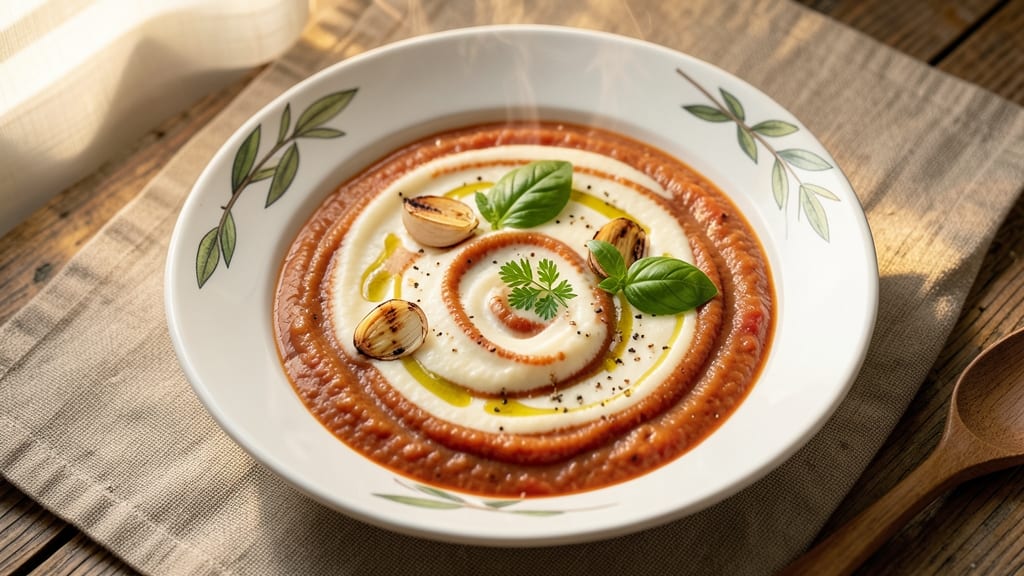
Transforming leftover spaghetti sauce into something even better is an art—and this method delivers velvety creaminess without a single clump. The secret lies in blending the sauce with a simple combination of cream, butter, and a touch of flour, which smooths out textures while deepening the flavor.
I developed this technique after realizing how much better my leftovers tasted when repurposed this way, and it’s become a staple in my kitchen for turning last night’s dinner into today’s star dish.
What makes this recipe work is its versatility—this enriched sauce isn’t just for pasta. Use it as a lasagna filling, a hearty soup base, or even a rich dip for breadsticks.
The process is straightforward: simmer the sauce with a small amount of cream and butter, then stir in a slurry of flour and milk to achieve that restaurant-quality consistency. The result?
A sauce that’s smooth, rich, and impossible to resist, with none of the graininess that often plagues homemade leftovers.
This method also extends the life of your sauce, making it perfect for freezing or canning without sacrificing quality. Whether you’re prepping for meal prep or saving a half-empty jar from the fridge, this technique ensures every bite is as delicious as the first.
The best part? It takes less than 15 minutes to transform your leftovers into something extraordinary.
From lasagna layers to creamy dips, this sauce adapts to any dish while keeping its creamy texture intact. No more sad, clumpy leftovers—just a flavorful, versatile sauce that turns ordinary meals into something special. Ready to elevate your leftovers? Let’s get started.
Ingredients for leftover spaghetti sauce
Eight simple ingredients transform clumpy leftovers into velvety, restaurant-worthy sauce.
| Ingredient | Amount | Notes |
|---|---|---|
| Leftover Spaghetti Sauce 🍅 | 2 cups | Homemade or store-bought, any variety |
| Heavy Cream 🥛 | ½ cup | Full-fat for best creaminess |
| Unsalted Butter 🧈 | 2 tbsp | Cold, cut into small pieces |
| All-Purpose Flour 🌾 | 1 tbsp | For smooth texture slurry |
| Whole Milk 🥛 | ¼ cup | For flour slurry consistency |
| Garlic Cloves 🧄 | 2 cloves | Minced for subtle depth |
| Salt 🧂 | ½ tsp | Diamond Crystal preferred |
| Black Pepper 🌶️ | ¼ tsp | Freshly cracked for brightness |
| Fresh Basil Leaves 🌿 | ¼ cup | Chopped, for fresh finish |
| Parmesan Cheese 🧀 | ¼ cup | Freshly grated, for umami |
The heavy cream and butter are non-negotiable for that silky texture. I always grab Organic Valley heavy cream from the store—it's rich without being overly sweet. For the butter, Land O'Lakes unsalted works perfectly, but any good-quality brand will do. The flour slurry is where the magic happens: whisk the flour with cold milk until smooth, then slowly stir into the simmering sauce. This creates that creamy, velvety consistency without lumps. Fresh garlic and basil elevate the flavor beyond just 'leftover'—they make it taste like you put in effort.
No heavy cream? Full-fat coconut milk works in a pinch (though it has a slight coconut taste). Short on butter? Olive oil at half the amount keeps things creamy, though texture won't be identical. The flour slurry can be made with cornstarch instead of flour for a gluten-free version—just use the same ratio. If your sauce is too thick after adding the slurry, a splash of milk or water thins it right out. And if you're feeling fancy, a pinch of red pepper flakes adds subtle heat without overpowering. The Parmesan should be real Parmigiano-Reggiano—none of that pre-grated stuff with anti-caking agents.
This sauce reheats beautifully—just warm gently on the stove or microwave for 30 seconds. It keeps in the fridge for 5 days and freezes perfectly for 3 months. I portion mine into small jars so I can grab just what I need for lasagna or soup. The basil wilts fast, so add it last or store it separately. For meal prep, make a double batch—the extra sauce is perfect for dipping breadsticks or topping grilled cheese sandwiches. The flavor actually improves after a day or two as everything melds together.
Why You'll Love This Recipe
- Here’s what sold me: the heavy cream and butter transform that tangy, slightly dried-out sauce into something velvety and luxurious. It’s not just "better"—it’s the kind of dish that makes you pause mid-bite, like, "Wait, this is what I’ve been missing?" The flour thickens it just enough to coat a fork, but the milk keeps it from feeling heavy.
- No-Waste Magic: I swear by this trick—turning yesterday’s sauce into today’s star without a single ingredient going bad. That jar of spaghetti sauce you froze? No need to toss it. Just melt butter, toss in flour, and let the roux work its magic while you stir in the cream and milk. It’s how I keep my pantry from crying.
- Rich, Silky Upgrade: Here’s what sold me: the heavy cream and butter transform that tangy, slightly dried-out sauce into something velvety and luxurious. It’s not just "better"—it’s the kind of dish that makes you pause mid-bite, like, "Wait, this is what I’ve been missing?" The flour thickens it just enough to coat a fork, but the milk keeps it from feeling heavy.
- Weeknight to Dinner Party: Honestly, I make this so often I’ve lost count. Weeknight dinner? Done. Potluck where you want to bring something impressive? This is your ticket. The roux adds that restaurant-quality depth, but the whole thing comes together in under 20 minutes—no one will guess it’s just repurposed sauce. (Yes, even on a Tuesday night.)
Step-by-step instructions for transforming leftover spaghetti sauce
Turn that forgotten jar of spaghetti sauce into a luxurious, velvety creation with this foolproof method.
Create the Flour Slurry for Smooth Texture
In a small bowl, whisk together the 1 tablespoon all-purpose flour and 0.25 cup whole milk until completely smooth. This slurry is your secret weapon against clumps—it thickens the sauce gently while maintaining that restaurant-quality silkiness. Let it sit for 2 minutes while you prepare the rest, giving the flour time to fully hydrate and eliminate any potential graininess.
Here's the thing—if you skip this step or don't whisk thoroughly, you'll end up with flour pockets that turn to paste in your sauce. I've made this mistake (yes, I learned the hard way), so trust me when I say this 2-minute wait makes all the difference. The mixture should look like pale yellow paint with no visible flour specks remaining.
Build the Creamy Base with Butter and Garlic
Heat the 2 tablespoons unsalted butter in a large saucepan over medium heat until it melts completely and the foam subsides—about 2 minutes. Add the 2 cloves minced garlic and cook for 30 seconds until fragrant but not browned. You're not making garlic confit here; just enough time to wake up those flavors without burning them.
This is where the magic starts. The butter creates an emulsifying base that helps the cream and flour slurry blend seamlessly. If you smell anything burning, immediately reduce the heat to low and let it cool for a minute before proceeding. The butter should be hot but not smoking—think of it as warm, not hot to the touch.
Combine Sauce and Slurry for Silky Perfection
Pour in the 2 cups leftover spaghetti sauce and stir to combine with the butter and garlic. Bring the mixture to a gentle simmer over medium-low heat, then gradually whisk in the flour slurry. Here's the critical part: keep stirring constantly for 3-4 minutes until the sauce thickens noticeably and coats the back of a spoon.
I know it seems like forever, but this slow incorporation prevents lumps from forming. If you see any clumps developing, immediately press them against the sides of the pan with a wooden spoon and keep stirring. The sauce should transform from chunky to smooth within these few minutes—you'll see it go from looking like a thick stew to having that glossy, velvety appearance we're after.
Finish with Cream and Seasonings
Reduce heat to low and stir in the 0.5 cup heavy cream. Let the sauce simmer gently for 2-3 minutes until it reaches your desired consistency—it should coat the back of a spoon but still be pourable. Taste and adjust seasoning with 0.5 teaspoon salt and 0.25 teaspoon black pepper. Remember, the original sauce already has some salt, so go easy unless you're using very low-sodium ingredients.
This is where the sauce comes together. The cream adds richness while keeping the sauce light enough to cling beautifully to pasta. If it starts to look too thick, whisk in 1 tablespoon water at a time until you reach that perfect coating consistency. The final texture should be somewhere between a thick cream sauce and a thin gravy—smooth enough to drizzle but substantial enough to coat.
Garnish and Serve Immediately
Remove the sauce from heat and stir in the 0.25 cup freshly grated Parmesan cheese and 0.25 cup chopped fresh basil leaves. The cheese adds umami depth while the basil brings freshness that cuts through the richness. Let it sit for 1 minute to allow the flavors to meld—don't skip this step, as the cheese needs time to melt smoothly into the sauce rather than sitting as separate chunks.
Serve immediately over your favorite pasta or with crusty bread. The sauce should be velvety smooth with no clumps, rich but not heavy, and perfectly balanced between the original spaghetti flavors and the creamy enhancement. If you have leftovers, store them in an airtight container in the refrigerator for up to 3 days—though I doubt you'll have any, this sauce disappears fast!
Pro Tips For Making Leftover Spaghetti Sauce
- Bloom the Flour First: Toss that flour into cold butter and milk right away—don’t wait for the sauce to simmer. I used to add it all at once, and the sauce would clump like glue. A 1-minute whisk with the cold ingredients creates a smoother roux that won’t seize up when it hits the hot sauce.
- Temper the Cream: Warm the heavy cream in a separate pot until it’s just steaming, then whisk it into the sauce gradually. Cold cream dumped straight in will curdle your whole dish—trust me, I’ve turned a creamy sauce into cottage cheese twice. Start with ¼ cup, let it absorb, then add the rest.
- Simmer, Don’t Boil: Keep the sauce at a gentle bubble—tiny, lazy bubbles that barely ripple. Boiling burns the milk solids and turns your creamy sauce into a gluey mess. If it’s too thick, lower the heat and add a splash of milk instead of cranking it up.
- Salt the Butter: Taste that unsalted butter before you melt it—then add a pinch of salt right into the pan. Leftover spaghetti sauce already has salt, and unsalted butter is just… unsalted. A tiny pinch upfront saves you from guessing later and keeps flavors balanced.
Troubleshooting perfect results
Clumpy Texture Fix
If your sauce separates or looks grainy after reheating, it’s likely from starches breaking down unevenly. The solution? Blend it first! Pour the leftover sauce into a blender with 2 tablespoons water and pulse until completely smooth.
For extra richness, add 1 tablespoon heavy cream while blending—this emulsifies the sauce and eliminates clumps. Reheat the blended sauce gently on low heat for 5 minutes while stirring constantly. 🔥
Too Thick or Gluey
When sauce becomes too thick after reheating, it’s usually from over-reducing or adding too much flour slurry. Thin it out by whisking in 1 tablespoon warm water or milk at a time until it reaches a pourable consistency.
For a faster fix, stir in 1 teaspoon lemon juice or vinegar—the acidity helps break down the starches naturally. If the sauce is still too thick, simmer it uncovered for 2-3 minutes to evaporate excess moisture.
Flat or Bland Flavors
Leftover spaghetti sauce often loses brightness because the herbs and spices lose their punch. Revive it by adding 1 teaspoon fresh herbs (basil or oregano) and a pinch of red pepper flakes.
For depth, stir in 1 teaspoon tomato paste or a splash of balsamic vinegar—both add complexity without overpowering. If the sauce tastes dull, a quick boost of garlic powder or onion powder (½ teaspoon each) works wonders.
Freezer Burn Prevention
Sauce stored in the freezer can develop ice crystals and lose texture if not packaged properly. Portion the sauce into silicone molds or ice cube trays for single servings, then transfer to a freezer bag. Squeeze out all air before sealing to prevent freezer burn.
For longer storage, add ½ teaspoon olive oil to the surface before freezing—it creates a protective layer. Thaw overnight in the fridge and reheat gently on low heat to preserve texture.
Sauce Separates When Reheated
When sauce splits into oil and water layers, it’s a sign of improper emulsification. Fix it by whisking in 1 tablespoon cornstarch mixed with 2 tablespoons cold water while reheating. For a permanent solution, blend the reheated sauce with 1 tablespoon heavy cream to stabilize the emulsion.
If you’re reheating from frozen, thaw it in the fridge first—microwaving can cause separation due to uneven heating.
Nutrition facts
Frequently asked questions
Can I use this recipe with store-bought spaghetti sauce?
This method works perfectly with store-bought sauce—just check for added salt first. If it's particularly salty, reduce the added salt to ¼ teaspoon or omit it entirely. The key is the flour slurry and cream, which create that velvety texture regardless of whether your sauce is homemade or jarred.
What are the best ways to use this creamy sauce beyond pasta?
This enriched sauce is incredibly versatile! Use it as a lasagna filling, pour it over grilled chicken, or serve it as a rich dip for breadsticks. It also makes an excellent soup base—just thin it with broth. For a quick meal, spread it on toasted baguette slices and broil until bubbly. The possibilities are endless!
How do I prevent lumps when making this sauce?
The flour slurry is your secret weapon! Whisk the flour and milk thoroughly until completely smooth, then gradually stir it into the simmering sauce while whisking constantly. If lumps appear, press them against the pan sides with a wooden spoon and keep stirring. Never add flour directly to hot sauce—it always creates lumps.
Can I make this sauce dairy-free?
Yes! Replace the heavy cream with ½ cup full-fat coconut milk and use olive oil instead of butter. For the flour slurry, use cornstarch mixed with water (1 tablespoon cornstarch + ¼ cup water). The texture will be slightly different but still delicious. Just be aware the coconut milk adds a subtle coconut flavor.
How long will this creamy sauce keep in the fridge?
This enriched sauce stays fresh in the fridge for up to 5 days when stored in an airtight container. For longer storage, freeze it in portions—it keeps perfectly for 3 months. Thaw overnight in the fridge and reheat gently on low heat. The creaminess actually improves after a day or two as flavors meld!