
Sauces & Condiments
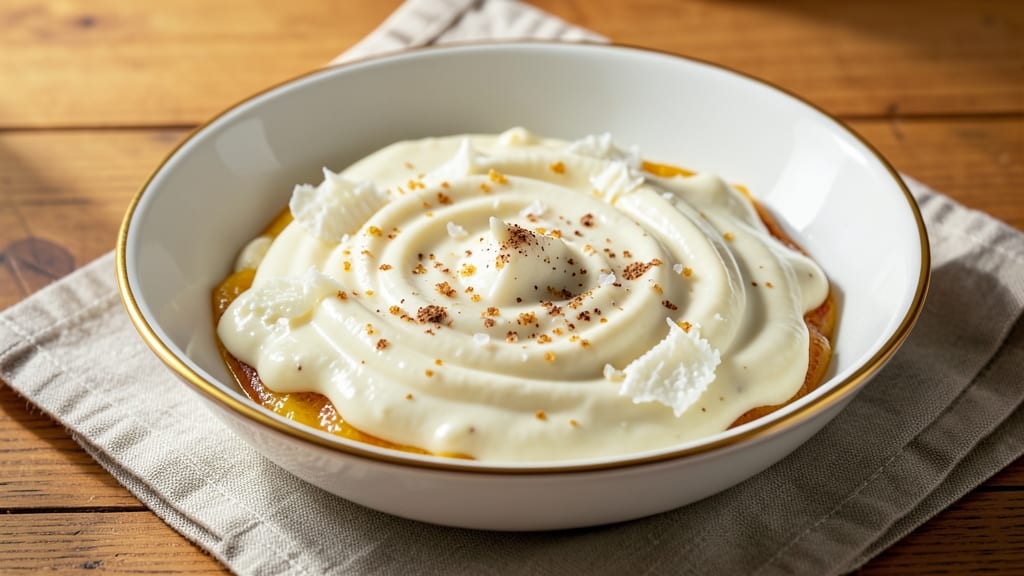
This alfredo sauce recipe with heavy cream and the best parmesan cheese delivers the ultra-smooth, velvety richness you crave without a single clump—just heavy cream, parmesan, and a foolproof technique. The secret lies in gradual melting and whisking, transforming simple ingredients into a restaurant-quality sauce that clings perfectly to pasta.
I’ve perfected this version over years of testing, ensuring every batch turns out silky and cohesive.
What sets this recipe apart is the balance: rich, but not heavy; creamy, but not greasy. The heavy cream provides body, while freshly grated parmesan adds depth and a nutty finish.
A splash of pasta water at the end binds everything together, creating a sauce that’s foolproof and adaptable—whether you’re tossing it with fettuccine or drizzling it over grilled chicken. No roux, no lumps, just pure, velvety indulgence.
The result is a sauce so luxurious it’ll make you question why you ever bought store-bought. Each spoonful is silky-smooth, with a perfect harmony of dairy richness and parmesan sharpness. The best part?
It comes together in 15 minutes with just a few ingredients, yet tastes like it took hours to master. This is the kind of sauce that elevates any dish—simple, reliable, and undeniably delicious.
For extra flavor, consider adding a pinch of nutmeg or a clove of garlic to the butter before melting. Store leftovers in the fridge for up to 3 days or freeze for longer shelf life. Here’s how to make it—perfectly every time.
Ingredients for alfredo sauce recipe with heavy cream and parmesan cheese
Just eight ingredients transform into the creamiest, clump-free alfredo you'll ever make.
| Ingredient | Amount | Notes |
|---|---|---|
| Heavy Cream 🥛 | 1 ½ cups | Full-fat for maximum richness |
| Parmesan Cheese 🧀 | 1 ½ cups | Freshly grated from block |
| Unsalted Butter 🧈 | ½ cup | Cold cubes for gradual melting |
| Garlic Cloves 🧄 | 2 cloves | Minced for subtle aroma |
| Nutmeg 🌿 | ¼ tsp | Freshly grated for warmth |
| Salt 🧂 | ½ tsp | Kosher or sea salt preferred |
| Black Pepper 🌶️ | ¼ tsp | Freshly cracked for depth |
| Pasta Water 💧 | ½ cup | Reserved from cooked pasta |
The Parmesan is non-negotiable—freshly grated from a wedge makes all the difference. Trader Joe's and Whole Foods carry the best wedges, but any deli counter will do. The heavy cream should be cold, straight from the fridge (the good stuff, not the ultra-pasteurized kind). For the butter, grab European-style unsalted—it melts cleaner. Nutmeg is optional but adds that signature depth. If you're feeling fancy, infuse the cold butter cubes with minced garlic for an extra layer of flavor (trust me on this).
No Parmesan wedge? Pre-grated works in a pinch, but pulse it in your food processor first to break up clumps. Short on heavy cream? Half-and-half plus a splash of milk keeps things creamy. The pasta water is key—it's what binds everything together. If you forget to reserve some, just add a splash of warm water. Want more garlic flavor? Roast the cloves before mincing for a sweeter, deeper taste. And if you're worried about lumps, whisk like you mean it—slow and steady wins the race.
This sauce keeps for 3 days in the fridge, sealed tight. For longer storage, freeze in ice cube trays—just pop out what you need. The texture changes slightly when reheated, so always stir in a splash of warm water or pasta water to restore that silky consistency. Leftovers? Toss with cooked pasta or drizzle over grilled chicken. It also freezes beautifully for up to 3 months, making it perfect for meal prep. Just thaw overnight in the fridge.
Why You'll Love This Recipe
- I’ll be real: I always make extra. The sauce thickens beautifully when reheated, and the parmesan adds a velvety layer that doesn’t separate. Store it in the fridge for up to 5 days—perfect for lazy mornings or when you suddenly remember you forgot to order takeout.
- Five-Ingredient Magic: I swear, this sauce comes together with just butter, cream, cheese, garlic, and nutmeg—no fancy gadgets or last-minute grocery runs. The only real prep is mincing a couple of cloves (or smashing them if you're in a rush), and boom: restaurant-quality richness in minutes.
- Garlic Butter Luxe: That moment when you melt butter with fresh garlic until it’s golden but not burnt? Pure flavor payoff. The nutmeg ties it all together with a whisper of warmth—no heavy spices, just a subtle, creamy depth that makes you want to slurp it straight from the pan.
- Pasta Party Ready: Between us, this sauce works for weeknight dinners and impressing in-laws. Drizzle it over fettuccine for a classic, toss it with roasted veggies for a veggie-lover’s dream, or even use it as a creamy dip for garlic bread. The heavy cream keeps it luscious no matter the dish.
Step-by-step instructions for ultra-smooth alfredo sauce
This method guarantees velvety perfection every time—no lumps, no curdling, just restaurant-quality richness.
Melt Butter and Garlic for Flavor Foundation
In a medium saucepan, melt the 0.5 cup unsalted butter over medium-low heat. I like to use cold cubes so they melt gradually and don't burn. Once fully melted, add the 2 cloves minced garlic and cook for 30 seconds until fragrant—you'll smell that irresistible aroma.
Here's the thing—don't let the garlic brown or it'll turn bitter. Stir constantly and remove from heat immediately after you smell it. This step builds the aromatic base that makes the sauce sing. Keep the pan on the burner for now—we'll be adding everything else right away.
Whisk in Heavy Cream and Cheese Gradually
Reduce heat to low and slowly pour in the 1.5 cups heavy cream while whisking continuously. The sauce will start to thicken immediately, but don't worry—this is normal. Now comes the critical part: gradually add the 1.5 cups freshly grated parmesan cheese in small batches.
I add about ¼ cup at a time, whisking vigorously after each addition until fully incorporated. This slow introduction prevents clumping and ensures that thick, luxurious texture we're after. The sauce should look glossy and smooth, not grainy. If you see any lumps, strain through a fine-mesh sieve for perfect silky results.
Season and Simmer for Velvety Perfection
Add the 0.5 tsp salt, 0.25 tsp black pepper, and 0.25 tsp freshly grated nutmeg. Stir well to combine, then increase heat to medium-low and let the sauce simmer gently for 5-7 minutes. This simmering time is crucial—it allows all the flavors to meld together and the sauce to thicken to the perfect consistency.
You'll know it's ready when the sauce coats the back of a spoon smoothly. Taste and adjust seasoning if needed—sometimes freshly grated cheese needs a little more salt to balance its intensity. The nutmeg adds that warm, comforting note that makes this sauce truly special.
Finish with Pasta Water for Ultimate Smoothness
Remove the sauce from heat and stir in the 0.5 cup reserved pasta water one tablespoon at a time. This final step is what transforms good sauce into exceptional sauce. The starch in the pasta water helps create that signature velvety texture and prevents the sauce from becoming too thick when combined with pasta.
If the sauce is still too thick after adding all the pasta water, you can add a little more—just don't overdo it. The sauce should be thin enough to coat the back of a spoon but still cling beautifully to your pasta. Keep it warm over low heat while you cook your noodles—this sauce is best served immediately when it's at its peak richness.
Pro Tips For Making Alfredo Sauce Recipe With Heavy Cream And Parmesan Cheese
- Bloom the Garlic First: Mince the garlic very finely—almost like a paste—and let it sit in the butter for 30 seconds before adding cream. I used to burn it every time until I realized slow is smooth; this way, the garlic infuses without turning bitter.
- Whisk in the Cheese Gradually: Add the Parmesan a handful at a time while whisking constantly, or you’ll end up with a clumpy mess. I learned this the hard way—my first batch looked like cottage cheese. Keep the heat low and let it melt fully before adding more.
- Use Room-Temp Cream: Cold heavy cream separates when heated, and your sauce will split like a bad joke. Take the cream out of the fridge 30 minutes before using—it blends smoother and stays velvety. (Yes, even if you’re impatient like me.)
- Finish with a Pinch of Salt: Parmesan is already salty, but unsalted butter and cream can make the sauce taste flat. Taste as you go and add a tiny pinch of salt at the end—it brightens everything without overpowering. Trust me, your taste buds will notice.
Troubleshooting this recipe
Clumpy Sauce Fix
If your sauce develops lumps, don’t panic—this is the most common issue, but easily fixed. First, remove the pan from heat and let it cool slightly. Then, use an immersion blender to blend directly in the pan until smooth.
If you don’t have one, transfer the sauce to a blender or food processor and pulse until silky. For stubborn clumps, strain through a fine-mesh sieve lined with cheesecloth for restaurant-quality smoothness. 💡
Too Thick or Too Thin?
If your sauce is too thick after simmering, thin it with warm pasta water or milk—add 1 tablespoon at a time while whisking. For a richer texture, stir in 1-2 tablespoons of cold heavy cream. If it’s too thin, simmer uncovered for 2-3 minutes to reduce.
The ideal consistency should coat the back of a spoon but still flow easily. I’ve found that reserving extra pasta water before draining is key—it’s the secret weapon for balancing texture. ✨
Cheese Separation
If your sauce separates with a greasy layer on top, it means the heat was too high or the cheese wasn’t incorporated properly. Whisk vigorously over low heat for 1-2 minutes to re-emulsify.
For extra insurance, stir in 1 tablespoon of cold butter or 1 tablespoon of heavy cream to help bind the sauce back together. This trick works like magic—just keep whisking until smooth. 🧈
Burnt Garlic Flavor
Overcooking the garlic is a classic mistake that ruins the delicate flavor. To avoid this, melt the butter over medium-low heat and add the garlic only when the butter is fully melted. Cook for no more than 30 seconds—just until fragrant.
If it starts to brown, remove the pan from heat immediately. For a sweeter garlic taste, lightly roast the cloves at 375°F for 5 minutes before mincing. 🧄
Sauce Too Salty
If your sauce tastes too salty, balance it with 1-2 tablespoons of warm water or pasta water, then simmer for 1-2 minutes to let the flavors rebalance. For a richer taste without adding more salt, stir in 1-2 tablespoons of heavy cream.
If the saltiness is extreme, a splash of lemon juice or vinegar can help cut through it. Taste as you go—this sauce is forgiving, but adjustments early prevent disaster. 💫
Storage Issues
If your stored sauce develops a skin or separates when reheated, stir in 1-2 tablespoons of warm water or pasta water while reheating. For a smoother texture, whisk vigorously over low heat until fully combined.
To prevent separation in the fridge, let the sauce cool completely before storing in an airtight container. For freezing, portion into ice cube trays—thaw overnight in the fridge and whisk to restore smoothness. ❄️
Nutrition facts
Frequently asked questions
Can I make this sauce without heavy cream?
Yes, but the texture will be lighter. Replace the 1.5 cups heavy cream with 1 cup half-and-half plus 0.5 cup whole milk for a similar richness. For a dairy-free version, use 1.5 cups full-fat coconut milk (canned, not carton) and add 1 tablespoon cornstarch to thicken. The sauce will be less decadent but still delicious!
What's the best way to store leftover sauce?
Store in an airtight container in the fridge for up to 3 days. For longer storage, freeze in ice cube trays—just pop out what you need. When reheating, whisk in 1 tablespoon of warm water or pasta water to restore that silky consistency. Never reheat directly in the microwave—always use a saucepan over low heat to prevent separation.
Can I add other cheeses to this recipe?
For extra depth, mix in 0.5 cup grated pecorino romano or 0.5 cup sharp cheddar with the parmesan. Avoid pre-shredded blends—they contain anti-caking agents that make the sauce grainy. If using cream cheese, reduce the parmesan by 0.25 cup and add 2 tablespoons cream cheese at the end for a richer, tangier flavor.
Why does my sauce get grainy even when I whisk?
Graininess usually means the cheese wasn't fully incorporated or the heat was too high. Always add cheese gradually while whisking continuously over low heat. For extra smoothness, strain through a fine-mesh sieve lined with cheesecloth. If using pre-grated cheese, pulse it in a food processor first to break up clumps. The key is patience—rushing causes lumps!
How can I make this sauce spicier?
Add 0.5 teaspoon red pepper flakes or 1 teaspoon hot sauce at the end. For a smoky kick, stir in 0.5 teaspoon smoked paprika with the nutmeg. If you love heat, try 1-2 teaspoons of cayenne pepper (adjust to taste). Always add spices gradually—you can't take them out once they're in! For a creamy-spicy balance, finish with 1 tablespoon of sour cream.