
Sauces & Condiments
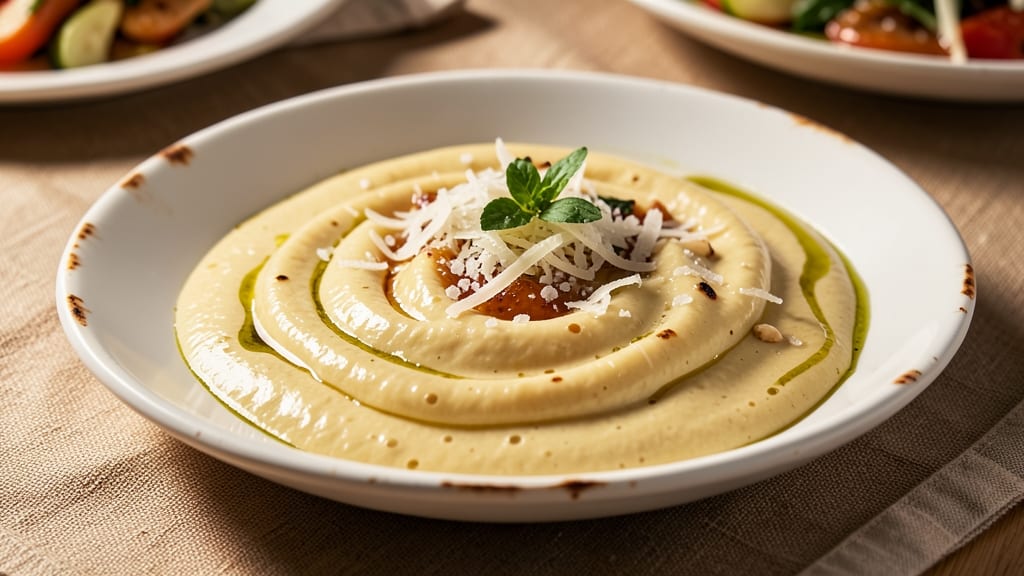
The foundation starts with equal parts butter and heavy cream, simmered until just before boiling to create a stable base. Then comes the parmesan—finely grated and added gradually while whisking vigorously to prevent clumping.
A fine-mesh strainer ensures silky texture, while a splash of pasta water keeps the sauce clinging to every noodle. This isn't just sauce; it's a flavor experience that transforms simple meals into restaurant-quality dishes.
What makes this recipe stand out is its versatility—pair it with fettuccine, toss it with grilled chicken, or drizzle it over roasted vegetables. The sauce maintains its luxurious consistency even after reheating, making it perfect for meal prep.
Each ingredient plays a crucial role: butter adds richness, heavy cream creates body, and parmesan delivers that unmistakable cheesy depth.
Ready in just 15 minutes, this sauce requires minimal effort but delivers maximum flavor. The key is patience—letting the cheese melt completely and whisking continuously to avoid separation. Once mastered, you'll never go back to store-bought versions. Here's how to make it perfectly every time.
Ingredients for alfredo sauce recipe with heavy cream butter and parmesan cheese
Three essential ingredients transform into velvety Alfredo perfection—no clumps, no lumps, just restaurant-quality richness.
| Ingredient | Amount | Notes |
|---|---|---|
| Unsalted Butter 🧈 | ½ cup | Cold, cut into small cubes |
| Heavy Cream 🥛 | ½ cup | Full-fat for maximum richness |
| Parmesan Cheese 🧀 | 1 ½ cups | Freshly grated, finely meshed |
| Extra-Virgin Olive Oil 🫒 | 1 tbsp | For finishing, fruity variety |
| Garlic Cloves 🧄 | 2 cloves | Minced, for subtle depth |
| Diamond Crystal Kosher Salt 🧂 | ½ tsp | Fine grain for delicate seasoning |
| Freshly Ground Black Pepper 🌶️ | ¼ tsp | Coarsely cracked for texture |
| Pasta Water 💧 | ¼ cup | Reserved from cooking pasta |
| White Wine (optional) 🍷 | ¼ cup | Dry, for deglazing |
The butter and heavy cream form the sauce's luxurious foundation. European-style unsalted butter like Plugrá or Land O'Lakes Cultured Butter delivers superior flavor, while heavy cream from Organic Valley or Horizon ensures maximum body. For the parmesan, Parmigiano-Reggiano is non-negotiable—grate it yourself using a fine-mesh microplane. Pre-grated cheese contains anti-caking agents that create those dreaded clumps. The garlic should be fresh, never jarred. Whole Foods or specialty Italian markets carry the best quality. If you're short on time, Trader Joe's sells pre-minced garlic in tubes that work perfectly here.
No heavy cream? Half-and-half or whole milk works in a pinch, though the sauce will be lighter. Substituting butter with olive oil (equal parts) creates a lighter version, though it lacks richness. For the parmesan, Pecorino Romano adds a sharper bite. Want extra depth? Add 1 tbsp nutritional yeast for a cheesy boost without dairy. The white wine, if using, should be dry—Sauvignon Blanc or Pinot Grigio work best. If you're avoiding alcohol, use an equal amount of chicken stock. The pasta water is crucial—it contains starch that helps the sauce cling to noodles. Reserve it while cooking your pasta.
This sauce maintains its velvety texture for up to 5 days refrigerated when stored in an airtight container. For longer storage, freeze in ice cube trays—thaw and reheat gently on low heat. The sauce thickens as it cools, so add a splash of warm water or milk when reheating. For meal prep, portion into glass containers to preserve freshness. If you make extra, freeze portions for up to 3 months. Always reheat gently to prevent separation. The sauce reheats beautifully, making it perfect for batch cooking.
Why You'll Love This Recipe
- Five-Ingredient Magic: I swear by this combo—just butter, cream, parmesan, garlic, and olive oil. No fancy gadgets, no measuring cups that make you question your life choices. The sauce comes together while you wait for pasta to boil, and honestly? That’s the kind of multitasking I can get behind.
- Rich Without the Guilt: The heavy cream and butter make this sauce dangerously creamy, but here’s the twist: a splash of olive oil keeps it from feeling too heavy. The parmesan adds that sharp, salty punch, and the garlic? Oh, it’s there—just enough to make you nod in approval without gagging. It’s comfort food that doesn’t leave you in a food coma.
- Pasta Party Starter: This sauce is my secret weapon for last-minute gatherings. Drizzle it over fettuccine for a weeknight dinner, toss it with roasted veggies for a veggie-lover’s feast, or even slather it on garlic bread (yes, I’ve done it). It’s the kind of versatile sauce that turns a simple meal into something that feels special—without the stress.
- Leftovers That Still Shine: Between us, I always make extra. The sauce thickens beautifully when reheated—just add a splash of cream or a pat of butter if it gets too stiff. It keeps for days in the fridge, and honestly? My kids ask for it more than takeout. That’s the kind of practical win I didn’t know I needed.
Step-by-step instructions for ultra-smooth Alfredo sauce
Here's how to create a velvety, clump-free Alfredo that clings perfectly to pasta.
Melt Butter and Infuse with Garlic
In a medium saucepan over medium-low heat, add the 0.5 cup unsalted butter cut into small cubes. Let it melt completely, then reduce heat to low to prevent burning. Add the 2 cloves minced garlic and cook for 1-2 minutes until fragrant but not browned—this ensures subtle flavor without bitterness.
Real talk: Don't rush this step. Garlic burns quickly, and you want to preserve its delicate sweetness. Stir occasionally to distribute the garlic evenly through the melted butter. The mixture should look like a pale golden emulsion with tiny garlic specks suspended throughout.
Gradually Incorporate Parmesan
Remove the saucepan from heat and immediately add 1 cup of the 1.5 cups parmesan cheese, whisking vigorously to create a smooth paste. Return to low heat and let the mixture warm for 1 minute before adding the remaining 0.5 cup parmesan cheese. This gradual addition prevents lumps by allowing the cheese to melt into the butter gradually.
Here's the thing—adding all the cheese at once creates a thick, grainy mixture that's nearly impossible to fix. By splitting the addition, you ensure each increment dissolves completely before introducing the next. The sauce should begin to thicken slightly but remain pourable.
Simmer with Cream and Season
Pour in the 0.5 cup heavy cream and whisk constantly for 2-3 minutes until the sauce thickens to a velvety consistency. Add the 0.5 tsp diamond crystal kosher salt and 0.25 tsp freshly ground black pepper, whisking until fully incorporated. If using, deglaze with 0.25 cup white wine, scraping up any browned bits from the bottom of the pan.
Watch the sauce carefully—it should coat the back of a spoon but still flow smoothly. If it thickens too much, whisk in 1-2 tablespoons of pasta water to reach your desired consistency. The wine, if used, adds brightness that cuts through the richness of the cream and butter.
Finish with Olive Oil for Emulsion
Remove the sauce from heat and stir in the 1 tbsp extra-virgin olive oil. This final step creates an emulsion that prevents separation, giving your sauce that signature glossy finish. The olive oil also adds a fruity depth that balances the richness of the cream and butter.
Taste and adjust seasoning if needed. The sauce should be rich, creamy, and properly balanced—salty enough to enhance flavor without overpowering, with just a hint of peppery heat. If you find it too thick after cooling, simply whisk in additional pasta water to reach the perfect consistency for tossing with pasta.
Pro Tips For Making Alfredo Sauce Recipe With Heavy Cream Butter And Parmesan Cheese
- Bloom the Garlic First: Toss your minced garlic into the olive oil before the butter hits the pan—this prevents burning. I used to add it with the butter and ended up with bitter, browned bits instead of fragrant, golden garlic. Two minutes in oil, then add butter—simple fix.
- Whisk in Parmesan Gradually: Don’t dump all the grated parmesan at once or you’ll end up with lumps. Start with a handful, whisk until smooth, then add the rest while the sauce simmers—this melts it in evenly. (Yes, even if you’re impatient like me.)
- Simmer, Don’t Boil: Alfredo sauce curdles faster than you can say “fettuccine.” Keep the heat at a gentle simmer—tiny bubbles, not rolling—so the heavy cream doesn’t scramble. I learned this after one disastrous batch that looked like cottage cheese.
- Salt the Heavy Cream: The heavy cream needs salt before it hits the pan—unsalted butter and parmesan won’t cut it. A pinch (½ tsp) while warming the cream prevents flat, bland sauce. Trust me, your taste buds will notice the difference.
Serving suggestions for leftovers
Pasta Pairings
This ultra-smooth Alfredo sauce clings perfectly to fettuccine or tagliatelle, but don't limit yourself—it works beautifully with linguine, pappardelle, or even egg noodles. For extra indulgence, toss with chicken tenders or shrimp for a seafood twist.
I love pairing it with freshly made pasta because the sauce coats every strand effortlessly. 🍝
Protein Additions
Transform your Alfredo into a complete meal by adding grilled chicken breast, seared scallops, or crispy bacon. For vegetarian options, try roasted mushrooms, sautéed spinach, or white beans for a hearty texture.
The sauce's richness balances the protein perfectly—just toss in the last 2 minutes of cooking to keep it warm and creamy.
Vegetable Toppings
Brighten the dish with sautéed garlic spinach, roasted asparagus, or caramelized onions. A sprinkle of fresh parsley or basil adds freshness, while sun-dried tomatoes bring a tangy contrast.
For a pop of color, add cherry tomatoes or bell peppers—they hold their shape when tossed in at the end.
Garnish Ideas
Elevate your plate with toasted breadcrumbs, crispy prosciutto, or shaved parmesan on top. A drizzle of extra-virgin olive oil adds a glossy finish, while red pepper flakes give a subtle heat.
For a restaurant-worthy touch, add edible flowers or microgreens—they look stunning and add a fresh bite. ✨
Bread Service
Serve with garlic bread or crusty Italian bread on the side—it's perfect for soaking up any leftover sauce. I like to brush the bread with garlic butter and toast it until golden.
For a lighter option, offer baguette slices or ciabatta—they're sturdy enough to handle the creamy sauce without falling apart.
Dessert Twist
Yes, you read that right! This sauce can be used for dessert—drizzle it over vanilla ice cream, panna cotta, or warm chocolate chip cookies.
The creamy richness pairs surprisingly well with sweet treats. Just reduce the salt slightly and add a pinch of cinnamon or vanilla extract for a dessert-worthy flavor. 💛
Nutrition facts
Frequently asked questions
Why does my Alfredo sauce get grainy or clumpy?
Clumps happen when cheese melts too quickly or isn't incorporated properly. To prevent this, always grate your parmesan cheese finely and add it gradually while whisking constantly over low heat. Removing the pan from heat before adding cheese helps control the temperature. If clumps appear, strain the sauce through a fine-mesh sieve for a silky finish.
Can I make this Alfredo sauce without heavy cream?
Yes! Substitute with half-and-half for a lighter version, or use whole milk for a thinner consistency. For extra richness, blend 1/4 cup sour cream with your milk substitute. The sauce will be less velvety but still delicious. Adjust seasoning since dairy substitutes can alter flavor balance.
How do I keep my Alfredo sauce from separating when reheating?
Sauce often separates when heated too quickly. Always reheat over low heat while whisking constantly. If it thickens too much, add 1-2 tablespoons of warm water or pasta water to restore creaminess. For extra insurance, stir in 1/2 teaspoon cornstarch mixed with 1 tablespoon water while heating. This creates a smooth emulsion that prevents separation.
What's the best pasta to use with this rich Alfredo?
Fettuccine or tagliatelle are classic choices because their flat surfaces catch the sauce beautifully. For extra indulgence, try pappardelle or linguine. Avoid thick, dense pastas like rigatoni—they won't absorb the sauce as well. Cook your pasta 1 minute less than package instructions for al dente texture that holds up to the creamy sauce.
Can I make this sauce ahead of time?
Store in an airtight container in the fridge for up to 5 days. For longer storage, freeze in ice cube trays—thaw overnight in the fridge and reheat gently. The sauce thickens as it cools, so add a splash of warm water or milk when reheating. For best results, reheat only until warm, then finish with a whisk to restore smoothness.