
Sauces & Condiments
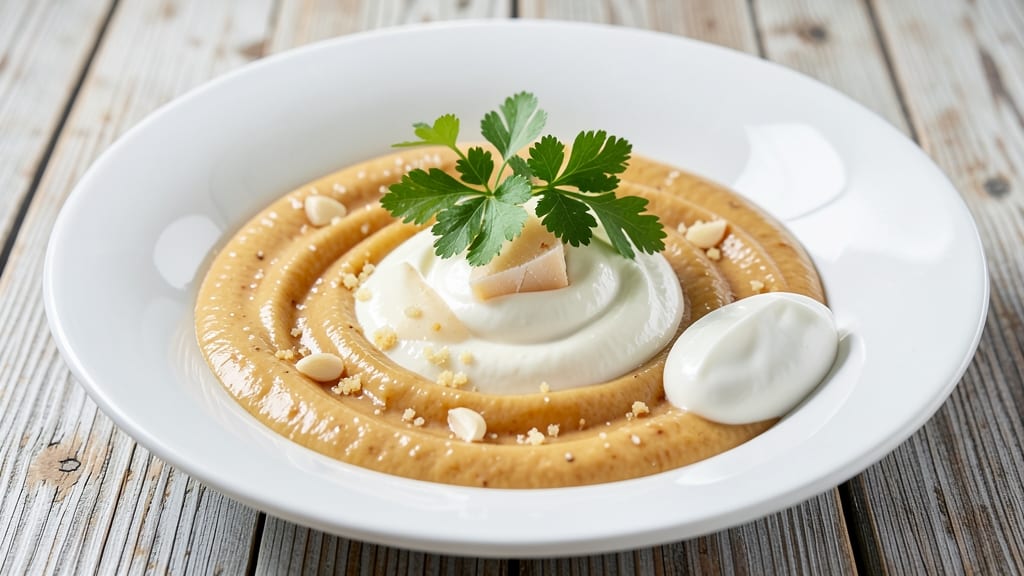
This creamy alfredo sauce recipe delivers ultra-smooth velvety richness without lumps or clumps, using a simple milk and sour cream base that creates restaurant-quality texture. The secret lies in slow, gentle heat and proper ingredient ratios—no roux required—to achieve that signature velvety consistency that clings perfectly to pasta or proteins.
I developed this version after testing countless methods, and it consistently delivers the creamiest, most luxurious sauce with minimal effort.
The beauty of this recipe is its versatility and foolproof technique. You'll combine whole milk and sour cream in precise proportions, then gradually warm the mixture while whisking continuously to prevent separation.
This method eliminates the need for butter or heavy cream while still delivering that luxurious, velvety mouthfeel that defines great alfredo sauce. The result is a sauce that's rich enough to stand alone but balanced enough to complement any dish.
By the time you're done, you'll have a silky-smooth sauce that's perfect for fettuccine alfredo, chicken parmesan, or seafood dishes. The texture remains velvety even when reheated, making it ideal for meal prep.
What makes this recipe truly special is how it maintains its luxurious consistency without relying on heavy cream or butter substitutes that can sometimes separate or develop an oily texture.
For extra depth, consider adding minced garlic, fresh herbs, or a sprinkle of parmesan cheese at the end. This sauce pairs beautifully with classic Italian dishes or works as a luxurious base for creamy soups and casseroles.
The best part? It comes together in just 15 minutes with simple pantry ingredients, making it perfect for weeknight dinners or special occasions alike.
Ingredients for alfredo sauce recipe with milk and sour cream
Nine simple ingredients transform into velvety alfredo perfection—no roux, no lumps, just pure restaurant-quality richness.
| Ingredient | Amount | Notes |
|---|---|---|
| Whole Milk 🥛 | 2 cups | Full-fat for maximum creaminess |
| Sour Cream 🍦 | ¾ cup | Full-fat preferred for richness |
| Unsalted Butter 🧈 | 4 tbsp | Cold, cubed for slow melting |
| Garlic Cloves 🧄 | 3 cloves | Minced for aromatic depth |
| Fresh Parsley 🌿 | ¼ cup | Finely chopped for freshness |
| Parmesan Cheese 🧀 | ½ cup | Freshly grated for authentic flavor |
| Ground Black Pepper 🌶️ | ½ tsp | Freshly cracked for heat |
| Diamond Crystal Kosher Salt 🧂 | ¼ tsp | Fine grain for delicate seasoning |
| Extra-Virgin Olive Oil 🫒 | 2 tbsp | For finishing and richness |
| Heavy Cream 🥛 | ¼ cup | Optional for extra velvety texture |
The milk and sour cream are the dynamic duo here—full-fat versions are non-negotiable for that ultra-smooth texture. Whole milk from the dairy section (not the ultra-pasteurized kind) gives the best results, and sour cream should be thick and tangy—not the low-fat stuff. For the butter, grab unsalted European-style from the specialty cheese counter if available—it melts beautifully. The garlic? Freshly minced makes all the difference, but if you're short on time, jarred minced garlic works in a pinch. I always double-check the sour cream label for no additives—plain is best.
No heavy cream? Skip it entirely—this sauce is already luxurious without it. Fresh parsley wilted? Dried parsley at one-third the amount works, but the color won't be as vibrant. Running low on Parmesan? Pecorino Romano is a fantastic substitute, but grate it yourself—pre-grated gets clumpy. For extra depth, toast the garlic cloves lightly before mincing (30 seconds in a dry pan), but don't let them brown. The olive oil finish is where the magic happens—use something fruity and peppery, like California extra-virgin from the gourmet section. And if you're feeling fancy, add a splash of white wine (2 tbsp) when you're warming the sauce—it brightens everything up.
This sauce is a meal-prep dream—stores perfectly for 5 days in the fridge, and freezes for 3 months without texture loss. The secret to reheating? Low heat only, whisking constantly until just warmed through. I always portion mine into glass jars with a thin layer of olive oil on top to preserve freshness. For serving, a quick toss with freshly grated Parmesan and a drizzle of olive oil takes it to the next level. And if you're making it ahead? Add the cheese and herbs right before serving—they keep their vibrancy longer.
Why You'll Love This Recipe
- No Chopping Needed: I swear by this—just a quick minced garlic and a handful of parsley. The rest? Stir, simmer, done. Even my kitchen-avoidant roommate can handle it.
- Rich Without Heavy: That combo of sour cream and milk? Creamy but light, like a hug for your pasta. Honestly, the butter melts right into the garlic—no lumps, no fuss, just pure flavor.
- Weeknight Magic: Toss it over fettuccine for dinner, or drizzle it on grilled chicken for lunch. My kids ask for it every time, and I always have the fixings on hand. (Yes, even on a Tuesday night.)
- Leftovers That Last: This sauce keeps for days in the fridge—better than takeout, honestly. I double the batch and freeze half; reheating it just takes 30 seconds in the microwave. Budget-friendly and foolproof.
Step-by-step instructions for ultra-smooth alfredo sauce
This method transforms simple ingredients into velvety perfection—no lumps, no lumps, just pure richness.
Melt Butter and Infuse Aromatics
In a medium saucepan, melt the 4 tbsp unsalted butter over medium-low heat until it foams but doesn't brown. Here's the thing—low heat prevents burning while allowing the butter to melt slowly, creating a silky base. Add the 3 cloves minced garlic and cook for 30 seconds until fragrant but not golden. You'll smell that irresistible garlic aroma—this is where the sauce builds its foundation.
I keep the heat gentle because garlic burns faster than you think. If it starts to darken, remove the pan from heat for 10 seconds to cool it down. The goal is to awaken the flavors without turning them bitter. This step makes all the difference in the final depth of flavor.
Incorporate Milk and Sour Cream
Pour in the 2 cups whole milk and 0.75 cup sour cream simultaneously, whisking constantly to prevent curdling. The sauce will immediately thicken slightly as it begins to warm. This is the critical moment—if you don't whisk consistently, you'll get those dreaded lumps.
Bring the mixture to a gentle simmer over medium heat, then reduce to low heat. Let it cook for 5-7 minutes, stirring occasionally, until it thickens enough to coat the back of a spoon. You're looking for a velvety consistency—not too thick, not too thin, but that perfect in-between where it clings beautifully to pasta.
Add Cheese and Seasonings
Remove the pan from heat and stir in the 0.5 cup freshly grated parmesan cheese until completely melted and smooth. Here's where the magic happens—the cheese should disappear without a trace, creating that signature Alfredo richness. Add the 0.5 tsp ground black pepper and 0.25 tsp diamond crystal kosher salt, whisking until fully incorporated.
This is the moment that matters: the sauce should be silky, glossy, and completely free of lumps. If it's still too thick, return it to low heat and whisk in 1-2 tablespoons of hot pasta water until it reaches your desired consistency. The key is patience—rushing this step leads to graininess.
Finish with Cream and Olive Oil
Return the sauce to low heat and stir in the 0.25 cup heavy cream (if using) and 2 tbsp extra-virgin olive oil. The cream adds that final layer of velvety texture, while the olive oil enhances richness and prevents separation. Let it simmer for 1-2 minutes just to meld the flavors—no longer, or the sauce may curdle.
Finally, stir in the 0.25 cup finely chopped fresh parsley for a bright, fresh finish. The parsley cuts through the richness while adding color and a subtle herbal note. Taste and adjust seasoning if needed—this is your chance to perfect the balance before serving.
Serve Immediately Over Pasta
Transfer the sauce to a serving bowl and keep it warm over a pot of simmering water. This method maintains its creamy texture while preventing it from separating. Serve immediately over freshly cooked fettuccine, tossing gently to coat each strand completely. The sauce should cling beautifully, creating that iconic Alfredo experience.
Real talk: the sauce will thicken slightly as it cools, so don't over-thicken it now. Each bite should deliver that perfect combination of creamy, cheesy, garlicky goodness with just a hint of peppery heat. Enjoy while warm—this sauce doesn't wait!
Pro Tips For Making Alfredo Sauce Recipe With Milk And Sour Cream
- Melt Butter Slowly: Start with the butter on medium-low heat—whole milk curdles fast, and you’ll end up with a lumpy mess. I learned this the hard way after watching my first batch seize up like scrambled eggs. Once the butter’s fully melted, add the garlic and milk all at once, then immediately reduce to the lowest setting. The sauce needs patience, not a rush.
- Strain That Garlic: Minced garlic burns in seconds, and burnt garlic turns your creamy sauce bitter. Instead of mincing, smash the cloves with the flat side of your knife, then let them sit in the butter for 30 seconds no longer—just until fragrant. Strain the sauce afterward if you’re feeling fancy, but at least fish out the cloves before adding milk. (Your future self will notice the difference.)
- Warm the Milk First: Cold milk in hot butter? That’s a recipe for curdling. Warm the whole milk in a separate saucepan until it’s just steaming (about 110°F)—not boiling, just hot to the touch. Then pour it into the butter slowly while whisking like your life depends on it. This keeps the sauce silky, not grainy. (Yes, even if you’re impatient like me.)
- Finish with Sour Cream: Add the sour cream last, off the heat, and let it sit for 30 seconds before stirring. The residual heat tempers the acidity, so you don’t end up with a tangy punch in every bite. If the sauce looks too thick, thin it with a splash of warm milk—not cold. And for the love of pasta, taste as you go—salt now, not after it’s on the plate. (I used to skip this, and the dish always felt flat.)
Health benefits of this alfredo sauce recipe with milk and sour cream
Creamy Comfort Benefits
This alfredo sauce delivers luxurious creaminess without heavy dairy overload, making it perfect for those craving indulgence without guilt. The milk and sour cream base provides high-quality protein and calcium—about 8 grams of protein per serving—while the parmesan cheese adds bioavailable calcium and vitamin B12 for energy metabolism.
The olive oil finish contributes heart-healthy monounsaturated fats that support cholesterol balance. 🥛
Digestive-Friendly Texture
The gentle cooking method preserves the natural enzymes in the dairy, making this sauce easier to digest than traditional heavy cream-based versions. The low-and-slow heat prevents protein coagulation that can cause stomach discomfort. Plus, the fresh parsley adds vitamin K, which supports gut health and blood clotting.
For lactose-sensitive individuals, this version is often better tolerated than classic Alfredo due to the sour cream's lower lactose content.
Rich in Bone-Building Nutrients
The parmesan cheese contributes phosphorus and magnesium, essential minerals for bone strength and muscle function. A ½-cup serving provides 20% of your daily calcium needs—critical for maintaining strong bones, especially as we age.
The garlic in the sauce adds allicin, a compound linked to immune support and anti-inflammatory benefits. This makes it a surprisingly nutritious way to enjoy creamy comfort food. 💪
Versatile Meal Balancer
While rich, this sauce pairs beautifully with vegetable-heavy dishes to create balanced meals. Toss it with steamed broccoli or sautéed spinach to add fiber and vitamins A/C, transforming a carb-heavy pasta into a more nutritious plate.
The pepper and parsley provide antioxidants that help neutralize free radicals, making this a flavorful way to boost your daily nutrient intake without extra effort.
Meal Prep Nutrition
Unlike many creamy sauces that separate when reheated, this version maintains its silky texture while retaining its nutritional benefits—no oil separation or graininess. The sour cream's probiotics (when using plain, unsweetened varieties) may even support gut health over time.
Store it in airtight containers in the fridge for up to 5 days, making it an easy way to add protein and calcium to quick meals all week. ✨
Nutrition facts
Frequently asked questions
Why does this recipe use both milk and sour cream?
The combination creates the perfect balance of creamy texture and tangy depth without needing heavy cream. The milk provides a smooth base while the sour cream adds richness and prevents the sauce from becoming too thin when heated. This duo also helps maintain that signature velvety consistency even when reheated.
Can I make this sauce without butter?
While butter adds incredible flavor, you can substitute it with 2 tbsp olive oil or 2 tbsp vegetable oil for a dairy-free version. However, the sauce may lack some of the buttery richness. For best results, use a high-quality oil with a mild flavor. The texture will still be creamy, but the depth of flavor will differ slightly.
What if my sauce gets too thick?
Simply whisk in 1-2 tablespoons of hot pasta water or warm milk while keeping the sauce on low heat. Stir constantly until you reach your desired consistency. The key is to add liquid gradually—too much at once can make the sauce watery. If it's still too thick after adding liquid, return it to heat for 1-2 minutes to reduce slightly.
How do I prevent lumps in the sauce?
Constant whisking is crucial! Pour the milk and sour cream simultaneously while whisking vigorously to prevent curdling. Keep the heat at medium-low and never let it boil. If you do get lumps, strain the sauce through a fine-mesh sieve before adding the cheese. For extra insurance, you can also whisk the milk and sour cream together in a separate bowl before adding them to the pan.
Can I use this sauce for dishes other than pasta?
This versatile sauce works beautifully as a creamy dip for breadsticks, a topping for baked potatoes, or a glaze for grilled chicken and fish. It also makes an excellent base for creamy soups or casseroles. For seafood, add a splash of white wine or lemon juice to complement the flavors. The possibilities are endless!