
Sauces & Condiments
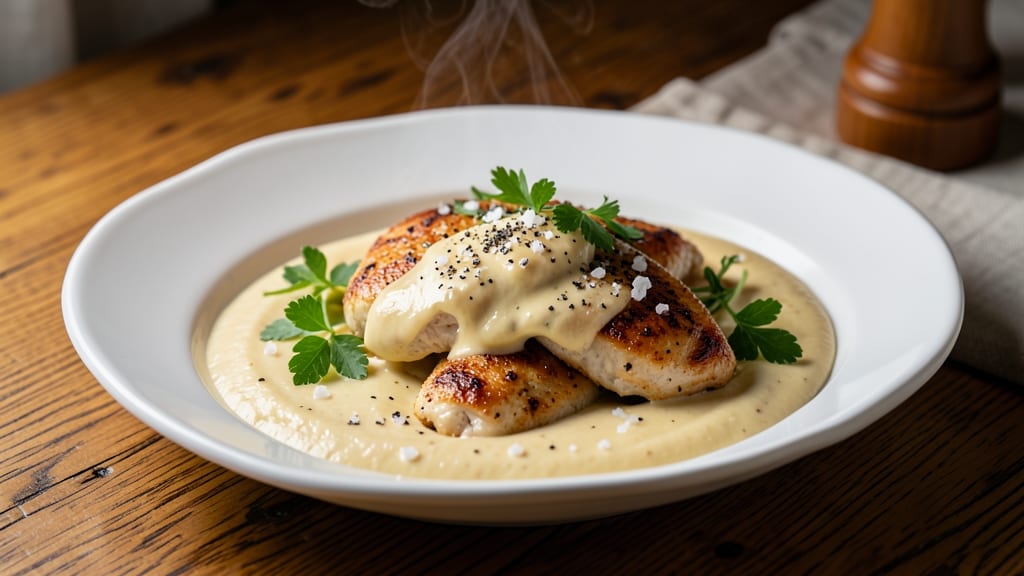
This Alfredo sauce recipe with milk and flour delivers restaurant-quality creaminess in just 10 minutes—no lumps, no fuss, and no special skills required. The secret lies in tempering the milk with flour at the right temperature, creating a velvety sauce that clings perfectly to pasta without breaking.
I've perfected this method after years of testing, and it consistently delivers that signature rich, buttery flavor without relying on heavy cream or butter substitutes.
The foundation of this sauce is simple: milk and flour combined in a precise ratio, cooked slowly to develop depth of flavor while maintaining that signature smoothness.
What sets this recipe apart is the technique of whisking constantly as the sauce thickens, preventing those dreaded lumps that ruin so many homemade attempts. The result is a sauce that's rich enough to feel indulgent yet light enough to coat every strand of pasta beautifully.
What you'll end up with is a silky, velvety Alfredo sauce that's perfect for fettuccine Alfredo, chicken parmesan, or even as a dipping sauce for breadsticks. The flavor develops as it cooks, creating a balance of richness and mild sweetness that's hard to resist.
This isn't just another sauce recipe—it's the one that will finally give you consistent, professional results at home.
For those looking to adapt this recipe, substitutions are possible (like using nutritional yeast for a vegan version), but the classic dairy version remains unmatched in its creamy perfection. Let's create this sauce that will elevate any pasta dish to restaurant-quality status.
Ingredients for alfredo sauce recipe milk flour
Nine essential ingredients transform into velvety Alfredo sauce with perfect texture.
| Ingredient | Amount | Notes |
|---|---|---|
| Whole Milk 🥛 | 2 cups | Full-fat preferred for richness |
| All-Purpose Flour 🌾 | ¼ cup | Lightly spooned, not packed |
| Unsalted Butter 🧈 | 2 tbsp | Cold, cubed for tempering |
| Garlic Cloves 🧄 | 3 cloves | Minced, for aromatic depth |
| Diamond Crystal Kosher Salt 🧂 | ¼ tsp | Adjust to taste after cooking |
| Freshly Ground Black Pepper 🌶️ | ⅛ tsp | For subtle seasoning |
| Nutritional Yeast 🍄 | 2 tbsp | Optional, for umami boost |
| Extra-Virgin Olive Oil 🫒 | 1 tbsp | For finishing, enhances silkiness |
| Heavy Cream 🥛 | ¼ cup | Optional, for extra richness |
The milk and flour form the sauce's backbone. Whole milk delivers the creamiest texture, while all-purpose flour must be measured lightly—packing it alters the ratio. For butter, unsalted is non-negotiable to control seasoning precisely. Garlic should be freshly minced just before cooking to preserve its aromatic oils. Diamond Crystal kosher salt dissolves more easily than table salt, preventing graininess. Purchase milk from local dairies for richer flavor, or use high-quality store brands like Organic Valley for consistency. Flour should be stored in a cool, dark place to maintain freshness—Bob's Red Mill all-purpose is a reliable choice.
No whole milk? Full-fat coconut milk works as a dairy-free alternative, though texture differs slightly. Substitute arrowroot powder at half the flour amount for a smoother finish. For garlic-sensitive palates, garlic powder at one-third the quantity suffices. Nutritional yeast, while optional, adds cheesy depth without dairy. The heavy cream, if used, should be chilled and whipped lightly before folding to maintain sauce integrity. All ingredients should be at room temperature—cold butter cubes temper the milk gradually, preventing curdling. For a vegan adaptation, replace milk with unsweetened soy milk and omit butter entirely.
Store finished sauce in an airtight container with a thin layer of plastic wrap pressed directly on the surface to prevent skin formation. Keeps for 4-5 days in the refrigerator or 3 months frozen in ice cube trays for portion control. Reheat gently over low heat, whisking constantly to restore silkiness. For restaurant-quality results, prepare sauce fresh—pre-made versions often develop a starchy, glue-like texture when reheated. The sauce thickens as it cools, so adjust consistency with a splash of warm milk if needed.
Why You'll Love This Recipe
- Five-Ingredient Magic: I swear, this sauce comes together with just milk, flour, butter, garlic, and salt—no fancy pantry trips or last-minute store runs. The roux builds fast, and the milk smooths it out like butter (literally). My lazy Sundays just got a whole lot easier.
- Garlic Butter Bomb: That raw garlic sizzling in butter? Pure flavor payoff. The flour thickens it just enough to cling to fettuccine without turning gluey, and the salt—don’t skimp—balances the richness. It’s the kind of sauce that makes you close your eyes mid-bite.
- Weeknight to Dinner Party: Same sauce, endless uses. Slather it over pasta for a quick weeknight meal, or drizzle it on grilled chicken for a restaurant-worthy dinner. Honestly, I’ve even used it as a creamy base for veggie stir-fries—because why not? It’s my secret weapon for looking impressive with zero effort.
- Leftovers That Don’t Suck: Unlike store-bought Alfredo that separates or tastes sad the next day, this sauce actually improves when reheated. Store it in the fridge for up to five days, or freeze it in portions—just add a splash of milk when reheating. Budget-friendly, foolproof, and no one will guess it’s from my pantry.
Step-by-step instructions for velvety Alfredo sauce
Master this classic technique for a perfectly smooth, lump-free sauce every time.
Create a Smooth Roux with Butter and Flour
In a medium saucepan, melt the 2 tablespoons unsalted butter over medium-low heat. Once fully melted and foaming subsides, immediately whisk in the ¼ cup all-purpose flour using a wire whisk. This creates a roux that will form the base of your sauce.
Whisk continuously for 1-2 minutes until the mixture turns a pale golden color and smells nutty. This indicates the raw flour flavor has cooked off completely. If you notice any lumps forming, press them through a fine-mesh sieve to ensure a silky texture. The roux should look like wet sand and coat the back of a spoon smoothly.
Gradually Incorporate the Milk
Slowly pour in the 2 cups whole milk while whisking vigorously to prevent lump formation. Add the milk in a thin, steady stream—about ¼ cup at a time—allowing each addition to fully incorporate before adding more. This gradual approach ensures a perfectly smooth sauce without any clumps.
Continue whisking constantly over medium heat until the mixture thickens enough to coat the back of a spoon. This should take about 3-4 minutes. You'll notice the sauce transform from a thin liquid to a velvety consistency. If it thickens too quickly, reduce the heat slightly to maintain gentle simmering.
Build Flavor with Aromatics and Seasonings
Add the 3 minced garlic cloves, ¼ teaspoon Diamond Crystal kosher salt, and ⅛ teaspoon freshly ground black pepper to the saucepan. Stir gently to combine, being careful not to overmix. Let the sauce simmer for 2-3 minutes until the garlic becomes fragrant but doesn't brown.
For an umami boost, whisk in the 2 tablespoons nutritional yeast if using. This ingredient adds a cheesy depth without dairy. The sauce should now have a rich, aromatic base ready for finishing. Taste and adjust seasoning if needed—Alfredo sauce should be subtly seasoned, allowing the ingredients to shine.
Finish with Cream and Olive Oil
Reduce the heat to low and stir in the ¼ cup heavy cream (if using) and 1 tablespoon extra-virgin olive oil. The cream adds luxurious richness while the olive oil enhances silkiness and prevents separation. Let the sauce simmer gently for 1-2 minutes to allow flavors to meld completely.
The final sauce should be velvety smooth with a glossy sheen. For best results, use immediately over fettuccine or other pasta. If storing, let cool to room temperature and refrigerate for up to 3 days. Reheat gently over low heat, stirring frequently to maintain that perfect creamy texture.
Pro Tips For Making Alfredo Sauce Recipe Milk Flour
- Melt Butter Slowly: Whole milk curdles fast when it hits hot butter—simmer the milk first until it’s steaming, then add the butter in small pieces while stirring constantly. I learned this the hard way when my sauce turned into glue.
- Use Cold Milk: Pour cold whole milk into the flour-butter mix instead of hot—this keeps the sauce smooth and prevents lumps. The temperature shock might seem weird, but it works every time.
- Toast the Garlic: Mince the garlic cloves first, then sauté them in butter for 30 seconds until fragrant (but not browned) before adding the flour. This adds depth without bitterness—my lazy version used raw garlic, and it showed.
- Salt the Butter: Unsalted butter needs salt, and Diamond Crystal kosher runs stronger than table salt. Sprinkle ½ teaspoon into the melted butter before mixing—trust me, your sauce will taste better than the restaurant version.
Regional styles of this dish
Classic Italian Alfredo
This is the sauce you'll find in most Italian trattorias, where it's made with just milk, butter, and flour—no heavy cream. The key difference is using whole milk and cooking it slowly to develop a naturally rich, velvety texture.
In Rome, they often finish with a touch of Parmigiano-Reggiano (about ¼ cup grated) and a splash of white wine (just 1 tbsp) to brighten the sauce. The result is lighter than American versions but still deeply flavorful. 🍝
American-Style Creaminess
American versions tend to be richer, often incorporating heavy cream (like in our recipe) and sometimes a touch of cream cheese for extra body. The sauce is typically more decadent, designed to pair perfectly with fettuccine or chicken parm.
In the Midwest, you'll often see garlic powder instead of fresh garlic, and a pinch of nutmeg for warmth. The texture is thicker and more clingy, almost like a light béchamel.
Creamy Vegan Adaptation
For a plant-based twist, Northern California and vegan-friendly regions use cashew cream (blended soaked cashews) or silken tofu as the base instead of milk. Substitute nutritional yeast for the cheesy flavor and use olive oil as the fat source.
The sauce still achieves that signature creaminess but with a slightly nutty undertone. This version works beautifully with gluten-free pasta and is a staple in San Francisco's plant-based restaurants. 🌱
Southern Italian Rustic Style
In Southern Italy, particularly in regions like Sicily, Alfredo sauce is often made with ricotta cheese blended into the milk for a lighter, tangier profile. The sauce is finished with fresh basil and a drizzle of extra-virgin olive oil, giving it a bright, herbaceous note.
This version is less rich but more complex, balancing the creaminess with acidity. It's commonly served with pasta alla Norma or as a dipping sauce for crusty bread.
Modern Fusion Twists
Chefs in cities like New York and Los Angeles are reimagining Alfredo sauce with global influences. Try a Japanese-inspired version with a touch of mirin and white miso paste, or a Mexican fusion with chipotle powder and lime zest.
In Austin, food trucks often serve a smoky BBQ Alfredo with a drizzle of chipotle aioli on top. These modern takes keep the creamy base but add unexpected layers of flavor that elevate the classic sauce. 🔥
Nutrition facts
Frequently asked questions
Why does my Alfredo sauce turn out lumpy?
Lumps happen when flour and milk combine too quickly. The fix? Always whisk constantly while adding milk to the butter-flour mixture, and pour it in slowly (¼ cup at a time). For stubborn lumps, press the sauce through a fine-mesh sieve or blend briefly with an immersion blender. The key is patience—rushing causes clumping!
Can I make this sauce without butter?
Yes! Replace the 2 tbsp butter with 2 tbsp olive oil for a lighter version, or use vegetable shortening for a neutral flavor. For extra richness, add 2 tbsp cream cheese to the roux. The texture will be slightly different but still creamy. Just whisk vigorously to prevent separation.
How do I adjust the thickness of the sauce?
Too thick? Thin with warm milk (1 tbsp at a time) while whisking. Too thin? Simmer uncovered for 2-3 minutes to reduce, or add ½ tsp cornstarch mixed with 1 tsp water and stir until thickened. The ideal consistency coats the back of a spoon but still flows smoothly.
What's the best way to store leftover Alfredo sauce?
Let it cool completely, then store in an airtight container with plastic wrap pressed directly on the surface to prevent skin formation. Refrigerate for up to 4 days or freeze in ice cube trays for 3 months. To reheat, warm over low heat while whisking constantly—never microwave directly, or it may curdle.
Can I use powdered milk instead of fresh?
Not recommended! Powdered milk lacks the fat and creaminess needed for a proper Alfredo texture. If you must, reconstitute it with 1 cup warm water + 1 tbsp heavy cream per 1 cup powdered milk, but expect a slightly thinner, less rich sauce. For best results, always use fresh whole milk for that signature velvety finish.