
Sauces & Condiments
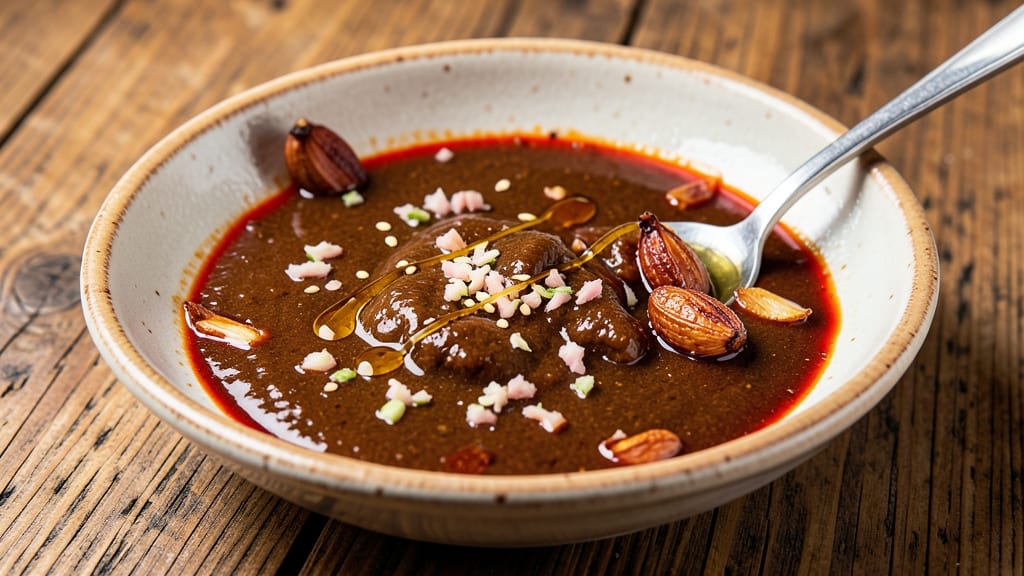
This gochujang stir fry sauce transforms ordinary stir-fries into bold, fermented masterpieces with just 10 minutes of prep. The secret lies in balancing gochujang’s deep umami with sweet, tangy, and aromatic elements—garlic, ginger, and sesame oil—to create a sauce that clings perfectly to proteins and vegetables.
I developed this recipe after years of experimenting with Korean stir-fry techniques, and it’s now my go-to for adding restaurant-quality depth to weeknight meals.
The foundation of this sauce is a 1:1:1 ratio of gochujang, honey (or sugar), and rice vinegar, which creates a harmonious blend of heat, sweetness, and acidity.
Aromatics like minced garlic, fresh ginger, and toasted sesame oil add layers of complexity, while a splash of soy sauce ties everything together. The result is a glossy, sticky sauce that caramelizes beautifully during cooking, enhancing the natural flavors of whatever you’re stir-frying.
What makes this sauce truly versatile is its ability to elevate everything from simple tofu and vegetables to hearty beef or shrimp. The fermented heat of gochujang lingers on the palate, while the sweetness mellows the spice, making it approachable for all heat levels.
Store any leftovers in the fridge for up to 2 weeks or freeze for 3 months—it only gets better as the flavors meld over time.
Perfect for quick weeknight dinners, meal prep, or impressing guests, this sauce is a game-changer for home cooks. Let’s dive into the ingredients and instructions to create your own batch—your taste buds will thank you.
Ingredients for gochujang stir fry sauce
Nine ingredients blend into a restaurant-quality sauce that transforms simple stir-fries into fermented umami masterpieces.
| Ingredient | Amount | Notes |
|---|---|---|
| Gochujang 🌶️ | ½ cup | Korean fermented chili paste |
| Honey 🍯 | ½ cup | Or light brown sugar |
| Rice Vinegar 🍶 | ½ cup | Seasoned preferred |
| Toasted Sesame Oil 🫒 | 2 tbsp | For nutty aroma |
| Fresh Ginger 🧄 | 2 tbsp | Finely grated |
| Garlic Cloves 🧄 | 4 cloves | Minced for depth |
| Soy Sauce 🥢 | 2 tbsp | Light or dark |
| Sesame Seeds 🥜 | 1 tbsp | Toasted for garnish |
| Sesame Seeds 🥜 | 1 tsp | For finishing |
| Water 💧 | 2 tbsp | Adjust for consistency |
The gochujang is the star—Maesil Gochujang or Double K from Korean markets pack the most depth, but any quality brand works. Honey or sugar? Honey keeps it smooth; sugar adds caramelized depth. Trader Joe's has great rice vinegar, but if you're using seasoned, taste first—some brands are saltier than others. Fresh ginger and garlic should smell vibrant, not musty. Toast your sesame oil in a dry pan for 30 seconds before adding to the sauce—that nutty aroma makes all the difference. The soy sauce? Light for subtlety, dark for richer color.
No gochujang? Sriracha plus a dash of soy sauce gets you close, but you'll lose that fermented depth. Swap honey for maple syrup if you prefer. The water is your consistency control—add it gradually until the sauce reaches a glossy, pourable state. For extra umami, add 1 tsp fish sauce (skip if vegetarian). The sesame seeds? Toast them in a dry pan until golden for maximum flavor. If you're making a big batch, double everything—this sauce keeps beautifully for 2 weeks in the fridge or 3 months frozen.
This sauce thickens as it cools, so start with slightly more water if you prefer it pourable. For meal prep, portion into ice cube trays—perfect for future stir-fries. The flavors actually improve over time, so make extra. If it separates, just whisk it back together. Store in an airtight container, and trust me—the first time you use leftovers will be a revelation. The sesame oil will separate on top, but stir it in before using.
Why You'll Love This Recipe
- I’ll be real: this sauce comes together with what’s already in my pantry and a few cheap staples—no specialty shopping. Just mash gochujang with honey, a splash of rice vinegar, a glug of toasted sesame oil, and grated ginger. That’s it. The kind of simplicity that makes me want to high-five the recipe writer.
- Five-Ingredient Magic: I’ll be real: this sauce comes together with what’s already in my pantry and a few cheap staples—no specialty shopping. Just mash gochujang with honey, a splash of rice vinegar, a glug of toasted sesame oil, and grated ginger. That’s it. The kind of simplicity that makes me want to high-five the recipe writer.
- Sweet-Spicy Balance: Here’s what sold me—the way the honey and gochujang team up. It’s not just heat; it’s a slow-building warmth that lingers, with that bright vinegar cut and nutty sesame oil tying it all together. Drizzle it over anything, and suddenly your meal tastes like it was made with intention (even if you threw it together in 10 minutes).
- Weeknight Workhorse: Between us, this sauce is my go-to for stir-fries, noodles, even grilled chicken. Need a quick lunch? Toss it with pre-cut veggies and tofu. Hosting last-minute guests? Slather it on bulgogi or rice bowls. It’s the kind of flavor that turns basic meals into “I actually cooked” moments without the fuss.
Step-by-step instructions for gochujang stir fry sauce
This vibrant sauce comes together in minutes with bold flavors that balance heat and sweetness perfectly.
Combine the Base Ingredients
In a medium saucepan, add the 0.5 cup gochujang and 0.5 cup honey over medium-low heat. Stir constantly with a silicone spatula, breaking up any clumps in the gochujang until smooth. You'll notice the mixture thicken slightly as the heat activates the paste's natural oils.
Next, pour in the 0.5 cup rice vinegar and 2 tbsp soy sauce. Bring the mixture to a gentle simmer, then reduce heat to low. Let it cook for 3-4 minutes while stirring occasionally—this allows the flavors to meld together. You should smell that distinctive fermented aroma developing, with a hint of sweetness from the honey.
Add Aromatics and Toast the Ginger
Push the sauce to one side of the pan and add 2 tbsp toasted sesame oil to the empty space. Let it heat for 30 seconds until fragrant. Then add the 2 tbsp fresh ginger and 4 cloves minced garlic, stirring to combine.
Cook for 1-2 minutes until the ginger becomes fragrant and slightly translucent at the edges. This step is crucial—it deepens the sauce's complexity by infusing those warm, earthy notes from the ginger and pungent garlic. Don't let it brown, or you'll get bitterness instead of sweetness.
Simmer and Adjust Consistency
Return the sauce to the center of the pan and stir everything together. Let it simmer gently for 5-6 minutes, stirring occasionally. You're looking for the sauce to thicken slightly but still maintain a smooth, pourable consistency.
If it becomes too thick, add 1 tbsp water at a time until you reach your desired texture. The sauce should coat the back of a spoon but still flow easily. Taste and adjust seasoning—add a touch more honey if you want more sweetness, or a splash of rice vinegar for brightness.
Finish and Garnish
Remove the pan from heat and let the sauce cool slightly for 2 minutes. This resting period allows the flavors to settle. Then stir in 1 tbsp toasted sesame seeds and 1 tsp sesame seeds, reserving a few for garnish.
For the perfect finish, drizzle in the remaining 2 tbsp toasted sesame oil while stirring continuously. This adds a luxurious, nutty aroma that ties all the flavors together. Serve immediately over stir-fried vegetables, noodles, or grilled proteins for maximum impact.
Pro Tips For Making Gochujang Stir Fry Sauce
- Warm the Gochujang: I learned this the hard way—cold gochujang hits like a brick in your sauce. Mix it with a splash of hot water (about 1 tablespoon) first, then stir it into the other ingredients. This keeps the texture smooth and the heat balanced, not clumpy or overpowering.
- Grate Ginger Fine: Skip the food processor—fresh ginger needs to dissolve, not just blend. Use the smallest holes on a box grater and let it sit in the sauce for at least 5 minutes before tasting. Coarse bits turn to mush and leave a weird texture.
- Balance Heat First: Taste the gochujang and honey mix before adding vinegar. If it’s too spicy, a quick pinch of sugar (or more honey) mellows it out. Vinegar comes last—it’s the acid that brightens, but you’ll regret adding it too soon if the heat’s already overwhelming.
- Toast Sesame Oil Last: Sounds weird, but it works: add the toasted sesame oil after the sauce simmers. If you toss it in early, the aroma burns off in the heat. A few drops at the end guarantee that nutty, smoky punch you’re craving.
Creative variations of gochujang stir fry sauce
Spicy-Sweet Fusion
For a fusion twist, blend 1 tbsp gochujang with 1 tbsp hoisin sauce and 1 tsp rice vinegar for an Asian-inspired glaze. This combo works amazingly with grilled chicken or pork—just toss the cooked protein in the sauce and broil for 2-3 minutes to caramelize.
The hoisin adds a deep, savory note that balances gochujang’s heat. 🌶️
Umami Bomb
Boost the sauce’s depth by adding 1 tbsp miso paste or 1 tsp fish sauce (skip if vegetarian). The miso introduces a rich, fermented umami that pairs perfectly with tofu or mushrooms.
For extra complexity, stir in ½ tsp grated lemon zest at the end—it brightens the sauce without overpowering the gochujang’s bold flavor.
Sweet Chili Glaze
Transform this into a sweet chili glaze by reducing the honey to ¼ cup and adding 2 tbsp apple cider vinegar. This version is perfect for drizzling over fried rice or roasted vegetables.
The tangy vinegar cuts through the sweetness, creating a balanced, glossy finish. For a smoky touch, add ½ tsp smoked paprika at the end.
Vegan Adaptation
Skip the honey and use ½ cup maple syrup instead for a vegan-friendly version. Replace soy sauce with 2 tbsp tamari or coconut aminos, and add 1 tsp nutritional yeast for a cheesy, umami kick.
This sauce works beautifully with tempeh or jackfruit, delivering the same fermented heat without animal products. 🌱
Smoky BBQ Twist
Create a smoky BBQ-inspired sauce by adding 1 tbsp molasses and ½ tsp chipotle powder to the base. This variation is ideal for pulled pork or grilled corn on the cob.
The molasses deepens the caramel notes, while the chipotle adds a subtle smokiness that complements the gochujang’s spice. Serve with pickled onions for extra tang.
Meal Prep Hack
Make a big batch and store it in ice cube trays for easy portioning. Freeze the cubes, then pop one into your stir-fry pan to melt and coat your ingredients.
This method keeps the sauce fresh for up to 3 months and makes it super convenient for quick weeknight meals. Just thaw and stir—no reheating needed! ⏰
Nutrition facts
Frequently asked questions
Can I make this sauce without honey?
Swap the honey for ½ cup maple syrup or light brown sugar dissolved in 2 tbsp hot water. For a vegan option, use agave nectar—it keeps the sauce smooth while maintaining balance. The key is achieving that 1:1:1 ratio of gochujang, sweetener, and vinegar for harmony.
How spicy will this sauce be?
The spice level depends on your gochujang brand. Most store-bought versions range from medium to hot—about 3,000-5,000 SHU. For milder heat, reduce to ¼ cup gochujang and add 1 tbsp extra honey to balance. Always taste before using—you can adjust with more sweetener or vinegar if needed.
What's the best way to store leftovers?
Transfer to an airtight container and refrigerate for up to 2 weeks. The sauce actually improves as flavors meld! For longer storage, freeze in ice cube trays—pop one cube into stir-fries as needed. The sesame oil may separate; just stir before using. Label with the date to track freshness.
Can I use this sauce for non-stir-fry dishes?
Yes! Drizzle over grilled proteins, use as a dipping sauce for dumplings, or toss with cold noodles. It also works as a glaze for roasted vegetables—brush on before baking. The sauce's versatility comes from its balanced sweet-spicy profile that enhances any dish.
Why did my sauce turn out too thick?
This happens when the sauce cools—it naturally thickens as it sits. Thin with 1 tsp water at a time while warming gently. For future batches, add 1 extra tbsp water during cooking. If you prefer a runnier consistency, simmer uncovered to evaporate excess moisture before finishing.