
Sauces & Condiments
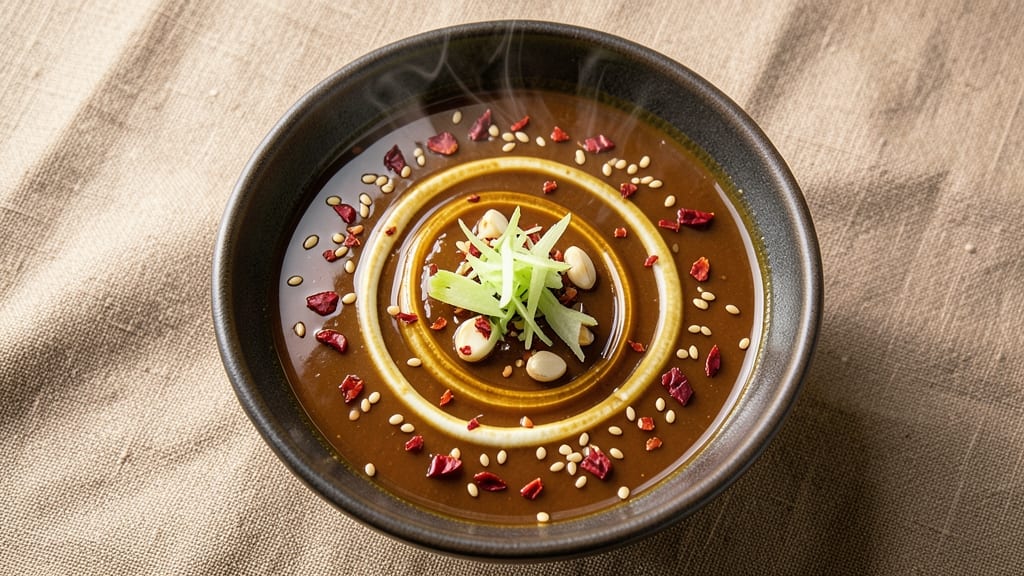
This Japanese-style ayamase sauce transforms simple stir-fries into umami-packed masterpieces with just a few pantry staples. The secret lies in balancing sweet, salty, and spicy notes—soy sauce provides depth, mirin adds brightness, and a touch of chili brings heat.
I developed this recipe after years of experimenting with Japanese home-style sauces, and it’s now my go-to for adding restaurant-quality flavor in minutes.
The sauce works as both a marinade and finishing drizzle, making it incredibly versatile. A splash of sake enhances the umami, while fresh ginger and garlic add aromatic complexity. Unlike store-bought versions, this recipe lets you control the heat level and sweetness, ensuring every batch aligns with your taste.
The result? A glossy, flavorful sauce that clings to every ingredient, elevating everything from noodles to grilled meats.
What sets this ayamase sauce apart is its simplicity—just 7 ingredients, no complicated techniques. The sauce keeps well in the fridge for up to 2 weeks or freezes for 3 months, making it perfect for meal prep.
Whether you’re cooking for one or a crowd, this sauce delivers bold, balanced flavor without the fuss.
Use it as a dipping sauce for dumplings, a marinade for chicken or tofu, or a finishing drizzle over stir-fried vegetables. The possibilities are endless, and the flavor is undeniably addictive. Let’s make it!
Ingredients for ayamase sauce
Seven simple ingredients unlock restaurant-quality Japanese umami in minutes.
| Ingredient | Amount | Notes |
|---|---|---|
| Light Soy Sauce 🍶 | ½ cup | Use high-quality Japanese soy sauce |
| Mirin 🍶 | ¼ cup | Sweet cooking wine essential |
| Sake 🍶 | ¼ cup | Dry variety preferred |
| Fresh Ginger 🌿 | 1 tbsp | Finely grated, aromatic |
| Garlic Cloves 🧄 | 3 cloves | Minced for aromatic depth |
| Red Chili Flakes 🌶️ | 1 tsp | Adjust for heat preference |
| Sesame Oil 🫒 | 1 tbsp | Toasted for nutty aroma |
The soy sauce and mirin are your flavor anchors—Japanese brands like Kikkoman and Hakkaisan make all the difference. Mirin should be sweet but not cloying, and sake adds that subtle umami punch. I always grab Trader Joe's Japanese pantry section for these staples—they're reliable and affordable. Fresh ginger and garlic are non-negotiable here; organic ginger from the store's produce section works best, but frozen is fine in a pinch. Just make sure it's finely grated for even distribution. The chili flakes can be adjusted—goji berry powder adds sweet heat if you prefer something milder.
No mirin? Substitute 1 tbsp sugar plus 1 tbsp water—it won't be identical, but it works. Running out of sake? Dry white wine or extra soy sauce gets you close. Fresh ginger not an option? Ground ginger at half the amount, but it lacks the same bright zing. The sesame oil is what gives this sauce its signature aroma—toasted sesame oil is non-negotiable here; regular sesame oil won't cut it. For extra depth, add a dash of rice vinegar if you've got it. And if you're really pushing for authenticity, a pinch of white pepper rounds out the flavors beautifully.
This sauce keeps beautifully—2 weeks in the fridge or 3 months frozen. I always make double batches because it disappears so fast. Store it in a glass jar with a tight seal to preserve the flavors. The sauce thickens as it cools, so give it a quick whisk before using. Freeze in ice cube trays for perfect single-use portions—just pop one into your stir-fry for instant flavor. The longer it sits, the more complex the flavors become, so don't be afraid to let it age a bit if you can.
Why You'll Love This Recipe
- Here’s what sold me: it costs pennies to make but tastes like I splurged. A little goes a long way, and leftovers? They keep for weeks in the fridge, so I’m always covered—whether I’m prepping for a dinner party or just craving something familiar.
- Pantry Magic: I swear by this sauce because it’s the kind of recipe that lets me use what’s already in my cupboard. Light soy, mirin, and sake? That’s a flavor trifecta I never have to hunt for—just measure, simmer, and boom, umami city.
- Garlic-Ginger Punch: Between us, the ginger and garlic in this sauce are where it gets real. That fresh, zesty hit from the ginger? It cuts through the richness of the soy and sake, leaving you with a balance that’s dangerously good—especially when you drizzle it over grilled chicken or noodles.
- Weeknight Workhorse: This sauce is my go-to when I’m too tired to think but still want something impressive. It doubles as a marinade, dipping sauce, or stir-fry glaze—no fuss, just flavor. (Yes, even on a Tuesday night when takeout menus feel overwhelming.)
Step-by-step instructions for ayamase sauce
This Japanese stir-fry sauce comes together in minutes with bold umami depth.
Toast the Sesame Oil for Nutty Depth
Heat a small saucepan over medium-low heat and add the 1 tablespoon sesame oil. Let it warm for 1-2 minutes until you detect a toasted, nutty aroma—this is your cue to remove it from heat immediately. Overheating will burn the oil and create bitterness. Transfer the toasted oil to a small bowl and set aside.
Here's the thing—this toasting step transforms ordinary sesame oil into aromatic gold. You'll notice the oil smells richer and more complex. Don't skip it; this is where the sauce gets its signature nutty warmth that pairs perfectly with stir-fries.
Sauté Aromatics Until Fragrant
In the same saucepan (no need to clean it—the browned bits add flavor), add the 1 tablespoon finely grated fresh ginger and 3 cloves minced garlic. Cook over medium heat for 1-2 minutes until the garlic becomes golden and fragrant. You want it to sizzle but not burn—watch carefully as garlic turns bitter quickly.
This quick sauté develops the aromatic base that carries through the entire sauce. If you detect any burning, start over with fresh aromatics. The goal is to create a foundation that's sweet, pungent, and deeply flavorful without any harsh notes.
Combine Wet Ingredients
Pour in the 0.5 cup light soy sauce, 0.25 cup mirin, and 0.25 cup sake all at once. Stir vigorously with a wooden spoon to dissolve any ginger or garlic bits that might have settled. Bring the mixture to a gentle simmer over medium heat for 3-4 minutes until slightly reduced in volume.
The mirin and sake will mellow out the sharpness of the soy sauce while adding subtle sweetness. You'll see the sauce thicken slightly as it reduces. This is where the sauce's complexity develops—each ingredient plays its part in creating that perfect balance of salty, sweet, and umami.
Finish with Chili Flakes and Toasted Oil
Remove the sauce from heat and stir in the 1 teaspoon red chili flakes until evenly distributed. Let the mixture cool for 1 minute, then drizzle in the toasted sesame oil while stirring continuously. This final step incorporates the nutty aroma throughout the sauce.
Taste and adjust the seasoning if needed—you might want to add a pinch more soy sauce for saltiness or a splash of mirin for sweetness. The sauce should be balanced with a subtle heat from the chili flakes. Let it cool completely before using, as the flavors will meld even more as it sits.
Use Immediately or Store Properly
For best results, use the sauce immediately over stir-fried vegetables, proteins, or noodles. If storing, transfer to an airtight container and refrigerate for up to 1 week. The flavors actually improve slightly over time as they meld together.
This sauce works wonders on everything from quick stir-fries to marinades. The key is to use it fresh—its vibrant flavors are at their peak when used immediately. Save any leftovers for quick weeknight meals where you need that signature Japanese umami punch.
Pro Tips For Making Ayamase Sauce
- Simmer Low and Slow: After burning the garlic in my first attempt, I learned to keep the heat at a gentle simmer—not a rolling boil—once all the aromatics hit the pan. This lets the flavors meld without turning bitter, and the sauce stays silky instead of sharp.
- Toast the Ginger: Thinly slice the ginger, then dry-toast it in the pan for 30 seconds before adding anything else. The nutty aroma it develops cuts through the soy’s saltiness and makes the sauce taste deeper—like the difference between flat tea and properly steeped.
- Balance the Soy First: Taste the raw soy sauce before adding mirin or sake—it’s usually saltier than you think. If you’re using reduced or aged soy, cut the salt by 20% upfront; otherwise, your sauce will taste like a marinade, not a sauce.
- Strain for Smoothness: After simmering, let the sauce sit for 5 minutes, then strain out the garlic and ginger through a fine-mesh sieve. I used to skip this, and the texture always felt gritty—like eating through a rough patch in a smoothie. (Yes, even if you’re impatient like me.)
Serving suggestions for this dish
Stir-Fry Perfection
This sauce transforms simple stir-fries into restaurant-quality meals. Toss it with shredded chicken, tofu, or shrimp at the end of cooking for that signature glossy finish. I love using it on bok choy, bell peppers, and snap peas—the umami cuts through the crunch beautifully.
For extra texture, add crispy fried shallots or toasted sesame seeds at the table. 🌶️
Dipping Sauce Magic
Serve warm or at room temperature as a dipping sauce for gyoza, spring rolls, or edamame. Thin it slightly with water or chicken broth if needed for easier dipping.
I keep a small bowl on the table during Asian-inspired meals—it disappears faster than you'd think! For a smoky twist, add a dash of chili crisp before serving. 🍜
Marinade Powerhouse
Use this sauce as a marinade for grilled chicken, fish, or beef skewers. Let proteins marinate for at least 30 minutes (or up to 4 hours) for maximum flavor penetration.
The ginger and garlic tenderize while the soy and mirin create a caramelized crust when grilled. I like to grill salmon with this marinade—it adds a perfect balance of sweet and spicy. 🔥
Rice Bowl Elevator
Drizzle over steamed rice bowls with your favorite proteins and veggies. The sauce clings beautifully to rice, creating a sticky, flavorful base. I often add soft-boiled eggs, avocado slices, and quick-pickled cucumbers for a complete bowl.
For extra richness, top with a fried egg—the yolk ties everything together. 🍚
Pasta Game-Changer
Toss with udon noodles, ramen, or even spaghetti for an instant Japanese-inspired dish. The soy and mirin add depth while the chili flakes keep it interesting.
I like to add shredded carrots and scallions for color and crunch. For a heartier version, stir in chopped mushrooms or shredded chicken. 🍝
Leftovers Reinventor
Turn last night's fried rice or noodles into something special with a quick drizzle of this sauce. Even simple steamed veggies get a flavor boost—just toss them with the sauce and a sprinkle of sesame seeds.
I always keep a small jar in my fridge for these quick upgrades. The sauce's versatility makes it perfect for busy weeknights. ✨
Nutrition facts
Frequently asked questions
Can I make this ayamase sauce without mirin?
Yes, but the flavor will be slightly different. Replace the 0.25 cup mirin with 1 tablespoon sugar plus 1 tablespoon water for sweetness. For extra depth, add 1 teaspoon rice vinegar to mimic mirin's tangy brightness. The sauce will still taste great, just less refined.
Is this sauce gluten-free?
Only if you use gluten-free soy sauce. Regular soy sauce contains wheat, so check the label. For a fully gluten-free version, substitute with tamari (a gluten-free soy sauce alternative). The rest of the ingredients are naturally gluten-free.
How spicy is this sauce with the chili flakes?
The 1 teaspoon red chili flakes adds a mild, warm heat—think "subtle kick" rather than fiery. For less heat, reduce to ½ teaspoon or swap for ½ teaspoon goji berry powder (sweet and slightly spicy). For more heat, increase to 1.5 teaspoons or add ½ teaspoon sriracha.
Can I use this sauce as a marinade for raw fish?
Not recommended for raw fish like sashimi. The soy sauce and sake contain salt and alcohol, which can alter the texture and safety of raw preparations. Instead, use it for cooked fish (like salmon or cod) or grilled proteins. For raw applications, opt for a dedicated citrus-based marinade.
How do I adjust the sauce for a sweeter or saltier taste?
For more sweetness, add 1-2 teaspoons extra mirin or sugar. For saltier flavor, increase the soy sauce by 1-2 tablespoons. Taste as you go—small adjustments make a big difference! The sauce thickens when cooled, so always taste after chilling.