
Sauces & Condiments
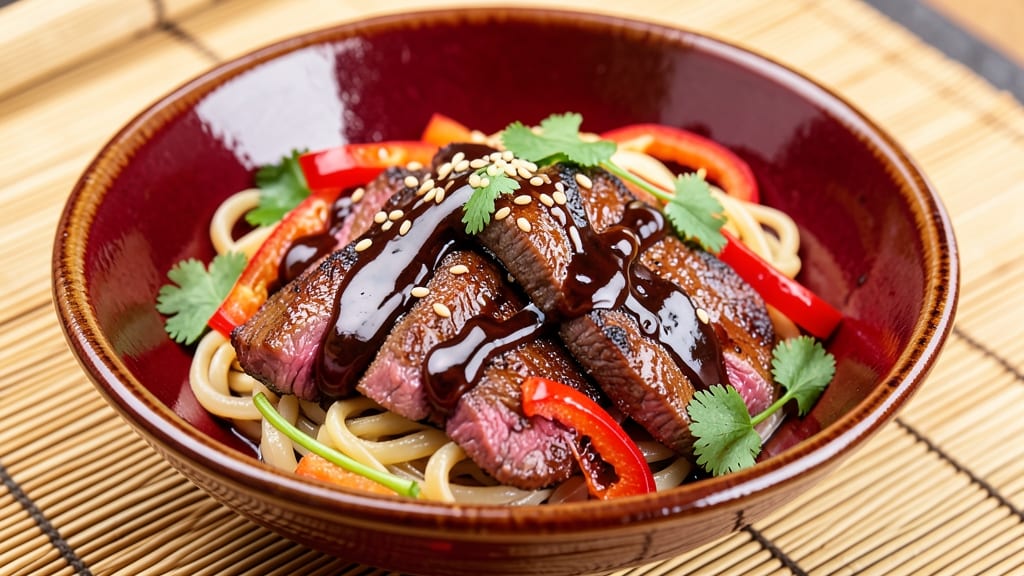
This Asian beef stir-fry sauce transforms ordinary stir-fries into restaurant-quality masterpieces with its perfect balance of umami depth and bright vinegar zing. The secret lies in combining soy sauce, oyster sauce, and a touch of rice vinegar—a trio that creates complex flavor without overpowering the beef's natural richness.
I developed this recipe after years of testing, and it's now my go-to for quick weeknight meals that taste like they simmered for hours.
The sauce delivers bold, savory-sweet notes with a subtle tang that cuts through the richness of seared beef. High-quality ingredients like oyster sauce and sesame oil provide that signature Asian restaurant flavor, while fresh ginger and garlic add aromatic warmth.
What sets this apart is the careful balance—sweet enough to caramelize slightly, salty enough to enhance the beef, and tangy enough to keep every bite vibrant.
What makes this sauce truly versatile is its adaptability—it works with thinly sliced flank steak, tenderloin, or even tofu for a vegetarian twist. The glaze thickens beautifully when reduced, creating a glossy finish that clings to every piece of protein.
Once you try homemade, store-bought stir-fry sauces will never taste the same again.
Ready in just 15 minutes, this sauce keeps well in the fridge for up to 2 weeks, making it perfect for meal prep. The best part?
You'll use it on everything from stir-fries to marinades, proving that a simple sauce can elevate any dish. Let's get started on creating your flavor foundation.
Ingredients for asian beef stir fry sauce
Nine ingredients transform into a restaurant-quality stir-fry sauce with umami depth and bright tang.
| Ingredient | Amount | Notes |
|---|---|---|
| Light Soy Sauce 🥢 | ½ cup | High-quality, low-sodium preferred |
| Oyster Sauce 🦪 | ¼ cup | Kikkoman or Lee Kum Kee brand |
| Rice Vinegar 🍶 | ¼ cup | Seasoned preferred for depth |
| Sesame Oil 🫒 | 1 tbsp | Toasted, not flavored |
| Fresh Ginger 🧄 | 1 tbsp | Finely grated, aromatic |
| Garlic Cloves 🧄 | 4 cloves | Minced, fresh preferred |
| Honey 🍯 | 1 tbsp | Wildflower for floral notes |
| Cornstarch 🌾 | 1 tsp | For thickening, arrowroot alternative |
| Sesame Seeds 🥜 | 1 tsp | Toasted, for garnish |
| Red Chili Flakes 🌶️ | ½ tsp | Adjust for heat preference |
The oyster sauce is non-negotiable for that signature restaurant flavor—Kikkoman or Lee Kum Kee are the gold standards, but any high-quality brand works. Seasoned rice vinegar adds complexity, while toasted sesame oil brings nutty warmth. For the ginger, grab the freshest root you can find—the more aromatic, the better. Garlic cloves should be fresh and minced just before adding to preserve their punch. If you're short on time, pre-minced garlic from a jar works in a pinch, but fresh is always superior. Honey adds that perfect caramelized sweetness, so don’t substitute with sugar—it won’t dissolve the same way.
No oyster sauce? Hoisin sauce or extra soy sauce can bridge the gap, though the flavor won’t be identical. Substitute white vinegar for rice vinegar if needed, but add a pinch of sugar to mimic the seasoning. Sesame oil can be omitted if you’re sensitive to its flavor, but the sauce will lose some depth. Cornstarch is key for that glossy finish—arrowroot powder works too, but cornstarch gives a slightly thicker consistency. Red chili flakes can be swapped for gochugaru (Korean chili flakes) for a milder heat, or cayenne pepper if that’s what you have. Toast your sesame seeds in a dry pan for 30 seconds—they’ll add incredible crunch and aroma to your finished dish.
This sauce keeps beautifully in the fridge for up to 2 weeks when stored in an airtight container. Double the batch and freeze half in ice cube trays for single-use portions—perfect for quick stir-fries. Reduce the sauce by 30% before using to intensify the flavors. It’s also fantastic as a marinade for beef or tofu—just add a splash of sesame oil and let it sit for 30 minutes before cooking. Garnish with toasted sesame seeds right before serving for that restaurant-quality touch.
Why You'll Love This Recipe
- Pantry Magic: I swear by this sauce—no fresh herbs, no fancy prep, just five ingredients you already own. That first splash of sesame oil? Instant aroma alert, and the ginger gives it a zing without needing a recipe degree.
- Umami Bomb: Light soy and oyster sauce team up like old friends, salty-sweet with depth. Honestly, the first time I tasted it, I nearly spilled my tea—it’s that good, even without extra ingredients.
- Meal Prep MVP: Doubles as stir-fry sauce and marinade—toss beef in it for 20 minutes, then use the leftover sauce to coat noodles or rice. My lunchbox never looks the same twice, and neither does my wallet.
- Budget Boost: A single jar of oyster sauce stretches into weeks of meals, and rice vinegar adds brightness without costing a fortune. Between us, this sauce turns cheap cuts of beef into something restaurant-worthy for half the price.
Step-by-step instructions for Asian beef stir-fry sauce
This sauce delivers bold umami with a bright, vinegary kick—perfect for beef stir-fries.
Mince Aromatics and Toast Sesame Seeds
Start by finely mincing the 4 cloves garlic cloves and grating the 1 tablespoon fresh ginger using a microplane or grater. The ginger should resemble fine sand—this ensures even distribution and maximum flavor extraction. In a small dry skillet over low heat, toast the 1 teaspoon sesame seeds for 1-2 minutes until they turn golden and release a nutty aroma. Immediately transfer them to a small bowl to cool—they'll be used for garnish later. Toasting enhances their flavor and prevents bitterness in the sauce.
While the seeds toast, set aside the minced garlic and ginger in a separate bowl. These aromatics form the flavor base, so don't skip the mincing—coarse pieces will leave your sauce unevenly seasoned. I like to press the garlic with the flat side of my knife to break down the cells before mincing, which releases more flavor. Keep these ingredients covered until ready to use.
Simmer the Sauce Base
In a medium saucepan, combine the 0.5 cup light soy sauce, 0.25 cup oyster sauce, and 0.25 cup rice vinegar. Bring the mixture to a gentle simmer over medium heat, then reduce the heat to low. Add the minced garlic and ginger, stirring constantly for 2-3 minutes until the mixture becomes fragrant and slightly reduced by about 20%. You'll notice the sauce darken slightly as the aromatics infuse—this is when the magic happens.
This step develops the sauce's depth. If you rush it, the garlic will burn and turn bitter. If you hear sizzling, lower the heat immediately. The rice vinegar adds that signature tang, but don't let it boil—just simmer gently. The oyster sauce should meld smoothly, creating a velvety texture. Taste the sauce now—it should be salty, tangy, and aromatic, but not yet thickened.
Sweeten and Thicken the Sauce
Add the 1 tablespoon honey and 1 tablespoon sesame oil to the simmering sauce, stirring continuously. The honey will dissolve almost instantly, balancing the saltiness with a subtle sweetness. Let the sauce cook for another 1-2 minutes until it begins to glaze slightly. In a small bowl, whisk together the 1 teaspoon cornstarch with 2 tablespoons cold water to create a slurry. Slowly drizzle this into the sauce while stirring constantly.
Watch closely as the sauce thickens—it should coat the back of a spoon within 30-60 seconds. If it thickens too quickly, add 1 tablespoon hot water to adjust the consistency. The sesame oil adds richness and depth, while the cornstarch slurry ensures the sauce clings beautifully to beef. Stir in the 0.5 teaspoon red chili flakes now, distributing them evenly. The sauce should now be glossy, thick enough to coat the back of a spoon, and ready to elevate any stir-fry.
Finish and Store Properly
Remove the sauce from heat and let it cool for 5 minutes. This resting period allows the flavors to meld completely and the sauce to thicken slightly more. Taste again and adjust seasoning if needed—add a pinch more soy sauce for saltiness, a splash of rice vinegar for tang, or a drizzle of honey for sweetness. The sauce should be perfectly balanced: salty, sweet, tangy, and slightly spicy with a hint of heat from the chili flakes.
Transfer the sauce to a clean jar and store it in the refrigerator for up to 2 weeks. When ready to use, reheat it gently in a saucepan over low heat, stirring occasionally, until warmed through. This sauce is incredibly versatile—use it as-is for beef stir-fries, or thin it with a splash of water or broth for a lighter glaze. The toasted sesame seeds can be sprinkled on top just before serving for added texture and aroma.
Pro Tips For Making Asian Beef Stir Fry Sauce
- Bloom the Ginger First: Toss finely minced ginger into the sauce before adding vinegar—it softens instantly and infuses flavor deeper. I used to add it last and wondered why my sauce tasted flat; ginger needs a head start to release its kick.
- Heat the Oil Last: Stir in sesame oil off the heat or your sauce will taste bitter. I learned this after overcooking a batch and getting that harsh, burnt-nutty flavor—now I add it at the very end, letting the aroma shine.
- Balance the Soy Ratio: Use 1 part oyster sauce to 2 parts light soy—any more oyster sauce and you’ll end up with a sweet, cloying mess. I used equal parts once and nearly ruined the dish; trust the ratio.
- Deglaze with Vinegar Early: Add rice vinegar while the pan is still hot to lift stuck-on bits and brighten the sauce. Skipping this step leaves your stir-fry tasting dull and one-dimensional—don’t rush it.
Best sauces and condiments for asian beef stir fry sauce
Sweet-Savory Balance
The honey in this sauce isn’t just for sweetness—it’s the secret to that caramelized depth you crave. I use wildflower honey because its floral notes complement the umami from the soy and oyster sauces beautifully.
For extra richness, try 1 tsp brown sugar instead if you’re out of honey, but don’t skip the sweetener entirely—it’s what makes the sauce cling to beef like a dream. 🍯
Umami Boosters
Oyster sauce is non-negotiable for that restaurant-quality depth, but if you’re vegetarian or avoiding seafood, hoisin sauce works in a pinch. For extra umami punch, add 1 tsp fish sauce (just like in Thai cuisine) or 1 tbsp mushroom powder for a meaty flavor without the fish. The soy sauce should be light, not dark—dark soy adds color but can overpower the delicate balance. 🦪
Vinegar Variations
Rice vinegar gives that signature tang, but mirin or apple cider vinegar can swap in for different vibes. For a spicier kick, add 1 tsp sriracha or ½ tsp gochujang (Korean chili paste) while simmering. If you love bright acidity, a splash of lime juice at the end freshens the sauce instantly. Just remember: vinegar should simmer gently, not boil, to preserve its zing. 🍶
Heat Adjustments
Start with ½ tsp red chili flakes for mild heat, but if you’re feeling adventurous, crank it up to 1 tsp or even ½ tsp cayenne pepper for a smoky kick.
For a fiery finish, stir in 1 tsp chili crisp or ½ tsp doubanjiang (Chinese fermented chili bean paste) at the end. Pro tip: Toast the chili flakes in a dry pan for 30 seconds before adding—they’ll release their oils and deepen the flavor. 🌶️
Texture Tricks
The cornstarch slurry is your best friend for that glossy, clingy finish, but if you’re gluten-free, arrowroot powder works just as well. For a thicker sauce, reduce it longer over low heat until syrupy.
Need it lighter? Thin with 1 tbsp water or beef broth before tossing with beef. The sauce should coat the back of a spoon but still flow smoothly—like honey, not glue. 💧
Flavor Layering
Boost the aroma by infusing the sauce with 1 star anise pod or 1 cinnamon stick while simmering (remove before serving). For a nutty crunch, stir in 1 tsp toasted peanut powder or ½ tsp crushed peanuts.
If you love herbal notes, add 1 tsp chopped cilantro or Thai basil at the end. The key? Balance—each addition should enhance, not overpower, the core flavors. ✨
Nutrition facts
Frequently asked questions
Can I make this sauce without oyster sauce?
Yes! Substitute 0.25 cup hoisin sauce for the oyster sauce, or use 0.25 cup light soy sauce + 1 tsp fish sauce for a similar umami depth. The sauce will still be delicious, though the texture will be slightly thinner. For a vegetarian option, try 1 tbsp mushroom powder + 1 tsp soy sauce instead.
How do I adjust the heat level for picky eaters?
For mild heat, reduce the red chili flakes to ¼ tsp or omit them entirely. If you want a smoky flavor without spice, add ½ tsp smoked paprika instead. Always taste as you go—you can add more chili flakes later if needed, but you can't remove them once they're in!
Can I use this sauce as a marinade?
Use ½ cup of this sauce per pound of beef, plus 1 tbsp sesame oil. Marinate for 30-60 minutes (no longer, or the beef will get mushy). For extra tenderness, add 1 tsp baking soda to the marinade. The sauce works especially well with flank steak or sirloin—just pat the meat dry before cooking for the best sear.
Why did my sauce turn out too thin?
This usually happens if you didn't reduce the sauce long enough or if the cornstarch didn't thicken properly. For next time, simmer the sauce 5-10 minutes longer after adding the slurry, or make a fresh slurry with 1 extra tsp cornstarch. If it's already too thin, simmer it uncovered for 5-10 minutes to reduce it, or stir in ½ tsp more cornstarch mixed with 1 tsp water.
What's the best way to store leftovers?
Transfer the cooled sauce to an airtight container and refrigerate for up to 2 weeks. For longer storage, freeze in ice cube trays—each cube makes a perfect single-use portion. When reheating, warm over low heat and stir occasionally. Never freeze the sauce with sesame seeds, as they'll get soggy—add them fresh when serving.