
Sauces & Condiments
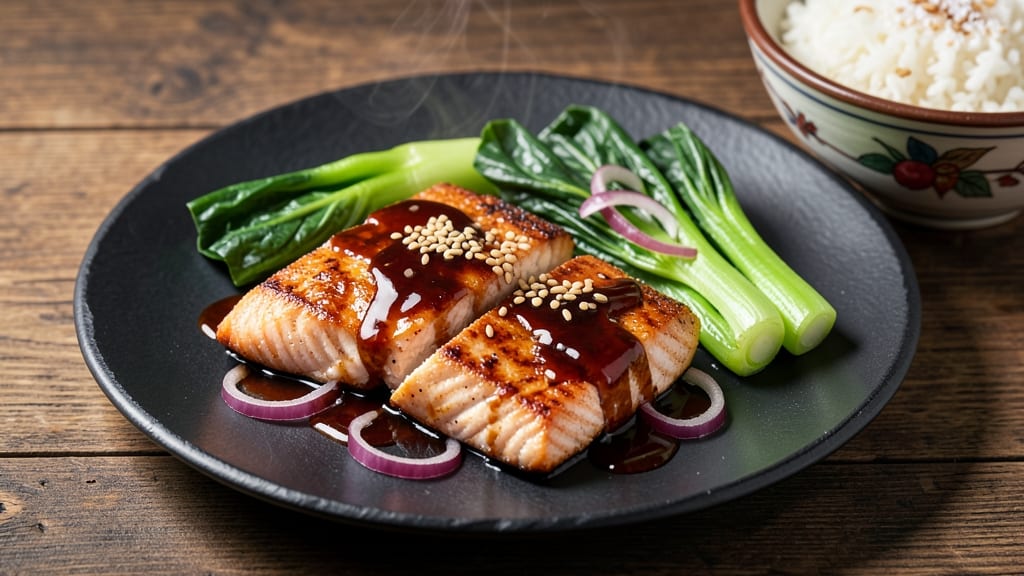
This homemade Nissin teriyaki sauce recipe delivers the same bold, umami-packed flavor you love—just without the preservatives. I developed this version after years of testing, focusing on that perfect balance of sweet, salty, and savory that makes teriyaki irresistible.
The secret lies in the combination of soy sauce, mirin, and a touch of brown sugar, simmered until thick and glossy.
What makes this sauce special is its versatility—use it as a glaze for grilled chicken or salmon, a marinade for tofu or beef, or a dipping sauce for spring rolls. The recipe comes together in just 20 minutes, with no complicated techniques required.
All you need are simple pantry staples and a few minutes of your time to create a sauce that tastes restaurant-quality.
The result is a rich, slightly sticky sauce with deep caramelized notes and a perfect sweet-salty balance. It clings beautifully to proteins, adding a glossy finish and layers of flavor with every bite.
This homemade version keeps well in the fridge for up to two weeks, so you can make a big batch and enjoy it all week long.
Whether you're cooking for a weeknight dinner or prepping for a meal prep session, this teriyaki sauce will elevate your dishes effortlessly. Let's get started—your taste buds will thank you!
Ingredients for nissin teriyaki sauce
Simple pantry staples transform into that iconic Nissin teriyaki flavor you crave.
| Ingredient | Amount | Notes |
|---|---|---|
| Soy Sauce 🍶 | ½ cup | Use high-quality Japanese soy sauce |
| Mirin 🍶 | ¼ cup | Sweet cooking wine, not cocktail mirin |
| Brown Sugar 🍯 | ¼ cup | Light or dark, packed firmly |
| Rice Vinegar 🍶 | ¼ cup | Seasoned or unseasoned works |
| Garlic Cloves 🧄 | 3 cloves | Minced finely for flavor |
| Fresh Ginger 🌿 | 1 tbsp | Finely grated, not powdered |
| Sesame Oil 🫒 | 1 tbsp | Toasted sesame oil preferred |
| Water 💧 | ¼ cup | Room temperature preferred |
| Cornstarch 🌾 | 1 tbsp | For thickening, mix with 1 tbsp water |
| Sesame Seeds 🌰 | 1 tsp | Toasted for garnish, optional |
The soy sauce is the backbone—Kikkoman or Yamasa are my go-tos, but any good Japanese brand works. Mirin is non-negotiable for that authentic sweetness; Hondashi or Matsukura are reliable. Brown sugar adds depth, but muscovado or coconut sugar works too if you want something different. Fresh ginger and garlic? Always fresh—powdered lacks that bright punch. I grab mine from the Asian market section at Trader Joe's or H Mart if I'm not near an Asian grocery store. Toasted sesame oil makes all the difference—La Choy is my cheap standby, but Kadoya is worth the splurge.
No mirin? Substitute with 2 tbsp sugar plus 1 tbsp water—it won't be identical, but close. Fresh ginger powdered? Double the amount, but it won't be the same. Sesame oil missing? Vegetable oil plus a pinch of toasted sesame seeds gets you halfway there. The cornstarch slurry is key for that glossy finish—don't skip it. Want it thicker? Add another half-teaspoon cornstarch mixed with water. For extra umami, add 1 tsp fish sauce (if not vegan) or 1 tsp soy sauce reduction from simmering extra soy sauce.
This sauce keeps 2 weeks in the fridge, sealed tight. Freezes beautifully for 3 months—just thaw in the fridge overnight. I double the batch and freeze half; perfect for lazy weeknights. The sesame seeds? Toast them in a dry pan for 30 seconds before adding—nuts get crispy, seeds stay fresh. Store in a glass jar to preserve flavor. Leftovers? Toss with noodles or drizzle over grilled anything—it disappears fast.
Why You'll Love This Recipe
- Pantry Magic: This sauce is basically my secret weapon for days I forget to grocery shop. Soy sauce, mirin, and brown sugar? Ingredients I always have lurking in my cupboard. The garlic cloves add that little kick without requiring any fancy prep—just a quick mince or even a few smashed ones if you’re in a rush.
- Umami Bomb: That first taste of the caramelized brown sugar and mirin? It’s like a hug in a bottle. The rice vinegar cuts through the sweetness just enough to keep it balanced, while the garlic adds a warmth that makes this sauce ridiculously good on anything from grilled chicken to roasted veggies.
- Weeknight Hero: I make a big batch on Sundays and stash it in the fridge for the week. Drizzle it over stir-fries, toss it with noodles, or even glaze some tofu for a quick lunch—it’s my go-to when I’m too tired to think. Honestly, it’s saved more dinners than I can count.
- Budget-Friendly Luxury: This sauce costs pennies to make but tastes like you spent hours slaving over it. A little goes a long way, and the leftovers keep for weeks in the fridge. Between us, I’d rather spend $2 on these ingredients than $8 on a jar of store-bought teriyaki that’s just… not the same.
Step-by-step instructions for homemade teriyaki sauce
This sauce delivers restaurant-quality depth with simple pantry staples—no shortcuts needed.
Sauté Aromatics Until Fragrant
Heat the 1 tablespoon sesame oil in a small saucepan over medium heat. Add the 3 cloves minced garlic and 1 tablespoon finely grated fresh ginger, stirring constantly for 30 seconds until the garlic turns golden and the ginger releases its bright aroma. You'll smell that unmistakable teriyaki foundation building—this is where the flavor magic begins.
Watch carefully—ginger burns faster than garlic. If the mixture darkens too quickly, reduce heat to medium-low and keep stirring. These aromatics are the soul of the sauce, so don't rush this step. Once fragrant (about 1 minute), you're ready for the liquid ingredients.
Combine Wet Ingredients and Simmer
Pour in the 0.5 cup soy sauce, 0.25 cup mirin, 0.25 cup brown sugar, and 0.25 cup rice vinegar. Stir well to dissolve the sugar completely—you should see it melt into the liquid. Bring the mixture to a gentle boil over medium-high heat, then immediately reduce to medium-low heat and let it simmer uncovered for 8-10 minutes.
During this time, the sauce will reduce by about half, thickening slightly and developing a glossy sheen. Stir occasionally to prevent sticking, and taste occasionally—you'll notice the sweet-savory balance developing. The mirin adds subtle sweetness while the rice vinegar brightens the depth of the soy sauce. This is where the umami truly awakens.
Thicken the Sauce with Cornstarch Slurry
In a small bowl, whisk together the 1 tablespoon cornstarch with 1 tablespoon water until completely dissolved. This slurry is your thickening secret—it creates that perfect glossy consistency without making the sauce gluey. Once smooth, pour it into the simmering sauce while stirring constantly.
Return to a gentle boil for 1-2 minutes until the sauce thickens to your desired consistency—it should coat the back of a spoon but still flow smoothly. If it thickens too quickly, add 1 tablespoon water to adjust. The sauce should now have a velvety texture with a beautiful glossy finish. Remove from heat immediately to prevent over-thickening.
Finish and Garnish
Let the sauce cool slightly for 5 minutes, then taste and adjust seasoning if needed. For extra depth, you might want to add 1-2 teaspoons more brown sugar or a splash of rice vinegar to balance flavors. Once satisfied, transfer to a bowl and stir in the 1 teaspoon toasted sesame seeds just before serving.
This final step adds texture and visual appeal, giving your homemade teriyaki that professional restaurant touch. The sauce will keep in the refrigerator for up to 1 week, making it perfect for glazing proteins, dipping, or drizzling over noodles. Serve warm for the best experience—you'll taste the difference in every rich, umami-packed bite.
Pro Tips For Making Nissin Teriyaki Sauce
- Simmer Slow and Low: After burning the first batch, I learned this sauce needs patience—keep the heat at a gentle simmer (just bubbles breaking, not rolling). Too much heat turns your garlic bitter and the sugar grainy, and you’ll end up with a sad, clumpy mess instead of that glossy, smooth sauce you crave.
- Mince Garlic Like It’s 1999: Skip the press or chopper—finely mince your garlic cloves by hand with a sharp knife. This isn’t just about texture; it’s about flavor. Larger pieces burn unevenly and leave you with a sauce that tastes like it’s missing something. (Yes, even if you’re impatient like me.)
- Balance the Sweet Early: Taste your sauce after adding the soy and mirin, then stir in the brown sugar gradually. Too much upfront makes it cloying, and you’ll spend the next 10 minutes trying to fix it with vinegar. Start with half, let it simmer, then adjust—your taste buds will thank you.
- Strain the Garlic, Not the Soul: After simmering, strain the sauce through a fine-mesh sieve to remove garlic bits. I used to skip this, thinking it was optional, but those tiny specks turn your sauce gritty. (Pro move: Save the strained garlic for a quick garlic butter toast while you finish.)
Wine and beer pairings for this recipe
Japanese Sake Pairings
For a truly authentic experience, pair this homemade teriyaki sauce with a crisp Japanese sake—the same kind you'd find in a Tokyo izakaya. I love Junmai Daiginjo with its delicate floral notes and clean finish, which cuts through the sauce's richness without overpowering it.
A 175ml pour (about 6 ounces) per person works perfectly, served slightly chilled at 45-50°F to highlight the sauce's umami depth. 🍶
If you prefer something fruitier, try a Yamagata sparkling sake—its effervescence and citrus undertones create a refreshing contrast. The bubbles cleanse your palate between bites of teriyaki-glazed dishes. For a budget-friendly option, Kubota Junmai from Niigata delivers excellent quality without breaking the bank.
Crisp Lager Complements
A classic Japanese lager like Asahi Super Dry or Sapporo Premium makes an unexpected but brilliant pairing. The crisp, clean malt profile balances teriyaki's sweet-salty complexity while the subtle hop bitterness prevents the sauce from feeling too heavy.
Serve these beers ice-cold (38-40°F) in 12-ounce pours to maximize their refreshing qualities. 🍺
For a local twist, try a New England-style IPA from a Boston brewery like Trillium Brewing. The hop-forward profile creates an interesting contrast with teriyaki's caramelized sweetness. The citrusy hops complement the ginger and garlic notes in the sauce beautifully, creating a fusion of Japanese and American flavors.
Red Wine Alternatives
If you're serving teriyaki with beef or mushrooms, a light-bodied red wine like Pinot Noir from Oregon or Chianti Classico works surprisingly well. The wine's acidity and red fruit notes stand up to the sauce's umami without competing.
I recommend a 14% ABV wine served at 60-64°F to preserve its delicate flavors. 🍷
For a more unusual pairing, try a Gewürztraminer—its lychee and rose aromas create a fascinating contrast with teriyaki's savory depth. The wine's slight sweetness enhances the sauce's caramelized notes, making each bite even more complex. This pairing works particularly well with teriyaki-glazed pork or tofu dishes.
Non-Alcoholic Options
For those who prefer not to drink, a sparkling yuzu soda like Ramune (available at Asian markets) offers a refreshing alternative. The citrusy effervescence complements the sauce's umami perfectly. Serve it well-chilled (38°F) in a 6-ounce glass with ice. 🍋
Another great option is jasmine green tea served warm or iced. The floral notes of the tea enhance the ginger and garlic in the sauce while providing a soothing contrast. For a more substantial option, try a miso soup broth—its savory depth mirrors the teriyaki's umami profile beautifully.
Nutrition facts
Frequently asked questions
Can I substitute mirin in this teriyaki sauce?
Yes, but with adjustments! If you don't have mirin, mix 2 tablespoons sugar with 1 tablespoon water to mimic its sweetness. For a tangier option, use 1 tablespoon rice vinegar plus 1 tablespoon sugar. Just know the flavor won't be identical—mirin's unique balance of sweetness and acidity is hard to replicate.
How do I make this sauce thicker or thinner?
For a thicker sauce, mix ½ teaspoon cornstarch with 1 teaspoon water and stir it in while simmering. For a thinner consistency, add 1-2 tablespoons water and let it simmer for 2-3 minutes longer. The sauce should coat the back of a spoon but remain pourable—this is the perfect teriyaki texture!
What's the best way to use leftover teriyaki sauce?
Leftover sauce is pure versatility! Use it as a marinade for chicken or tofu, a dipping sauce for spring rolls, or a glaze for grilled veggies. It also works wonders in ramen, noodle stir-fries, or even as a drizzle over rice bowls. Store it in an airtight container in the fridge for up to 2 weeks—it only gets better with time!
Can I make this sauce without sesame oil?
If you're avoiding sesame oil, substitute it with 1 tablespoon neutral oil (like vegetable or canola) and add ½ teaspoon toasted sesame seeds at the end for flavor. For extra depth, a pinch of white pepper in the aromatics step works too. The sauce will still taste amazing—just slightly less nutty!
Why did my sauce turn out too salty?
This usually happens if you used a high-sodium soy sauce or over-simmered the liquid. To fix it, balance the flavor by adding 1-2 teaspoons more brown sugar or a splash of rice vinegar (about ½ teaspoon). If the sauce is still too strong, thin it slightly with 1 tablespoon water—this dilutes the saltiness while keeping the umami intact.