
Sauces & Condiments
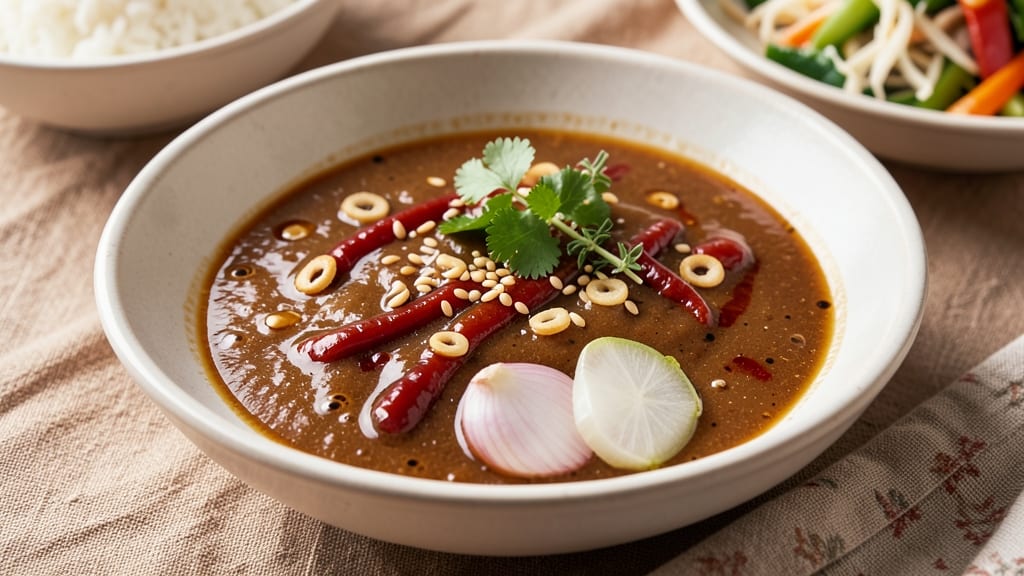
This hoisin stir fry sauce recipe transforms ordinary wok dishes into restaurant-quality masterpieces with just 10 minutes of prep. The secret lies in balancing fermented bean paste, soy sauce, and a touch of sweetness—creating a glossy glaze that clings to every ingredient while delivering deep umami flavor.
I developed this version after years of testing, ensuring it works equally well for quick weeknight meals or elaborate dinner parties.
The foundation of great hoisin sauce is proper ingredient ratios: equal parts soy sauce and rice vinegar for acidity, with just enough sugar to caramelize slightly during cooking.
A small amount of fermented bean paste (the key to authentic hoisin flavor) provides that signature sweet-savory depth, while garlic and ginger add aromatic complexity. The sauce thickens beautifully when reduced, creating that signature glossy finish that makes every bite irresistible.
What makes this sauce truly special is its versatility—it elevates everything from simple stir-fries to grilled meats and even noodle dishes.
The recipe yields about 1 cup of sauce, perfect for 2-3 servings, and stores beautifully in the refrigerator for up to 2 weeks or can be frozen for 3 months without losing flavor. The longer it sits, the more complex the flavors become.
For best results, let the sauce simmer until slightly thickened before using—this ensures it coats ingredients perfectly without being watery. The balance of sweet, salty, and umami creates a sauce that's addictive in its simplicity.
Whether you're cooking for one or feeding a crowd, this hoisin sauce will become your new kitchen essential.
Ingredients for stir fry sauce recipe hoisin
Ten ingredients, one restaurant-quality sauce that transforms any stir-fry into a masterpiece.
| Ingredient | Amount | Notes |
|---|---|---|
| Fermented Bean Paste (Hoisin) 🍶 | ½ cup | Authentic Chinese hoisin for depth |
| Light Soy Sauce 🥢 | ½ cup | Kikkoman preferred for balance |
| Rice Vinegar 🍶 | ½ cup | White or seasoned variety |
| Dark Brown Sugar 🍯 | ¼ cup | Packed firmly for caramelization |
| Garlic Cloves 🧄 | 6 cloves | Minced finely for aromatic punch |
| Fresh Ginger 🌿 | 2 tbsp | Grated, not powdered |
| Sesame Oil 🫒 | 1 tbsp | Toasted for nutty aroma |
| Red Chili Flakes 🌶️ | 1 tsp | Adjust for heat preference |
| Cornstarch 🌾 | 1 tsp | Slurry with 1 tbsp water |
| Water 💧 | ½ cup | For thinning consistency |
The fermented bean paste is non-negotiable—La Choy or Lee Kum Kee are reliable brands, but authentic Chinese markets carry superior versions. Look for hoisin that's slightly thick and has visible bean chunks—this indicates proper fermentation. Substitute with 2 tbsp soy sauce plus 1 tbsp molasses if absolutely necessary, though the flavor won't be identical. The light soy sauce should be Kikkoman or Pearl River Bridge for that clean, salty base. Dark brown sugar caramelizes beautifully during simmering, creating that signature glossy finish—don't substitute with white sugar, which lacks the molasses depth.
Garlic and ginger are aromatic anchors—fresh is mandatory here. Pre-minced garlic from jars lacks the punch, and powdered ginger has no comparable complexity. For heat control, reduce chili flakes to 0.5 tsp if serving children or sensitive palates. The sesame oil adds that signature nutty aroma, but add it at the very end—its flavor burns off quickly. Need to thicken further? Add another 0.5 tsp cornstarch slurry at the end of simmering. The water measurement is flexible—add more if you prefer a thinner sauce for tossing, or reduce to 0.25 cup for a thicker glaze.
This sauce peaks after 24 hours in the fridge as flavors meld. Store in an airtight container with a thin layer of oil on top to preserve the glossy finish. Freezes beautifully for 3 months—portion into ice cube trays for single-use servings. For best results, reheat gently in a saucepan until just simmering—never microwave, as it destroys the delicate balance. The sauce doubles as a dipping sauce for dumplings or a marinade for grilled meats, making it a true pantry workhorse.
Why You'll Love This Recipe
- Here’s what sold me: that first spoonful where the brown sugar melts into the hoisin, then the vinegar cuts through like a bright wake. It’s not just sweet or salty—it’s both at once, the way good takeout should be.
- Five-Ingredient Magic: I swear, this sauce comes together with fewer ingredients than my grocery list for a single meal. Just stir those five—hoisin’s deep richness, soy’s umami punch, vinegar’s tang, sugar’s caramel kiss, and garlic’s sharp bite—and you’ve got a base that’s always reliable.
- Sweet-Savory Balance: Here’s what sold me: that first spoonful where the brown sugar melts into the hoisin, then the vinegar cuts through like a bright wake. It’s not just sweet or salty—it’s both at once, the way good takeout should be.
- Weeknight & Potluck Star: Between us, this sauce works for stir-fries, noodles, even grilled chicken. I’ve used it to dress up a lazy Tuesday dinner and bring to a friend’s BBQ—no one ever asks what’s in it, they just keep asking for more.
Step-by-step instructions for stir fry sauce with hoisin
Here's how to create a glossy, umami-rich sauce that elevates any wok dish in minutes.
Prepare the Aromatic Base
In a medium saucepan, combine the 0.5 cup Fermented Bean Paste (Hoisin), 0.5 cup Light Soy Sauce, 0.5 cup Rice Vinegar, and 0.25 cup Dark Brown Sugar over medium heat. Stir continuously for 3-4 minutes until the sugar dissolves completely and the mixture begins to simmer gently. You'll notice the hoisin will start to darken slightly, deepening its rich, caramelized flavor.
This initial cooking step is crucial for developing the sauce's foundational taste. The vinegar will mellow out as it cooks, while the brown sugar adds subtle caramel notes that balance the fermented bean paste's intensity. Keep the heat steady—too high will cause the sauce to burn, too low will leave the sugar undissolved.
Incorporate Fresh Ginger and Garlic
Add the 6 cloves Garlic Cloves (finely minced) and 2 tbsp Fresh Ginger (grated) to the saucepan. Stir vigorously for 1-2 minutes until the garlic becomes fragrant and the ginger softens slightly. You'll smell an immediate aromatic burst—this is when the sauce starts to transform into something truly special.
Here's the thing—ginger and garlic release their oils when cooked gently. If you see the garlic turning golden, reduce the heat slightly to prevent burning. The goal is to infuse their flavors without charring, which would create bitterness. Stir frequently to distribute the aromatics evenly throughout the sauce.
Build the Glossy Finish
In a small bowl, whisk together the 1 tsp Cornstarch with 1 tbsp of the 0.5 cup Water to create a smooth slurry. Once the garlic and ginger are fragrant, pour this slurry into the saucepan while stirring constantly. The sauce will begin to thicken almost immediately, developing that signature glossy sheen we're after.
Continue cooking for 2-3 minutes until the sauce reaches a consistency that coats the back of a spoon. If it thickens too quickly, add the remaining 0.4 tbsp Water (from the 0.5 cup total) to achieve a perfect balance between cling and flow. The sauce should now have a velvety texture with a deep mahogany color.
Add Depth with Sesame Oil and Chili
Remove the saucepan from heat and stir in the 1 tbsp Sesame Oil and 1 tsp Red Chili Flakes. The sesame oil will add a nutty aroma that complements the umami, while the chili flakes introduce subtle heat. Taste and adjust seasoning—you may want to add a pinch more soy sauce for saltiness or a touch more vinegar for brightness.
This final step is where the sauce comes together. The heat from the sesame oil will infuse throughout, while the chili flakes distribute evenly. Let the sauce rest for 5 minutes before using—this allows all the flavors to meld completely. The result should be a glossy, aromatic glaze that clings beautifully to any protein or vegetable.
Pro Tips For Making Stir Fry Sauce Recipe Hoisin
- Bloom the Garlic: Mince those garlic cloves extra fine—think paste, not chunks—and let them sit in the pan for 30 seconds before adding anything else. I learned this the hard way—burnt garlic ruins the whole sauce. Low heat here, even if you’re impatient.
- Simmer, Don’t Boil: Once you add the hoisin and soy sauce, keep the heat at a gentle simmer, not a rolling boil. After burning three batches, I finally figured out that high heat turns the sauce bitter and separates the oils. Stir often, but let it bubble softly.
- Vinegar Last: Add the rice vinegar just before serving—it cuts through the richness of the hoisin and brightens the sauce. I used to mix it in early, and the acid would mellow out, leaving the dish flat. Save it for the final splash.
- Sugar First: Dissolve the dark brown sugar in 1 tablespoon of water before adding it to the pan. This prevents grainy clumps and ensures it melts smoothly into the sauce. (Yes, even if you’re in a hurry—trust the process.)
Perfect pairings for stir fry sauce recipe hoisin
Stir-Fry Protein Pairings
This hoisin sauce transforms chicken thighs into a crispy, caramelized masterpiece. Toss 1 lb bone-in thighs with 1 tbsp cornstarch and 1 tsp soy sauce, then stir-fry in a hot wok until golden. Add ½ cup sauce at the end for a sticky, umami-rich glaze. 🍗
For beef, I love using flank steak sliced thin against the grain. Marinate in 2 tbsp soy sauce and 1 tbsp hoisin for 30 minutes, then stir-fry until medium-rare.
Deglaze the pan with ¼ cup sauce and let it reduce into a glossy finish. The beef's richness pairs perfectly with the sauce's sweet-savory balance.
Vegetable Combinations
Broccoli and bell peppers are my go-to veggie trio for stir-fries. Cut 1 cup broccoli florets and 1 bell pepper into even pieces—they cook quickly and absorb the sauce beautifully. Toss them in the wok for 2-3 minutes before adding the sauce to prevent overcooking.
For a spicy kick, add ½ cup shredded cabbage and 1 tbsp sliced Thai chilies to the stir-fry. The cabbage softens quickly, while the chilies introduce heat that complements the sauce's depth. Finish with a drizzle of extra sauce and a sprinkle of toasted sesame seeds for texture. 🌶️
Noodle and Rice Pairings
This sauce elevates rice noodles to restaurant-quality levels. Cook 8 oz rice noodles according to package instructions, then toss them in a hot wok with 1 tbsp oil and ½ cup sauce.
The noodles soak up the sauce while staying tender. Garnish with sliced green onions and crushed peanuts for crunch.
For steamed jasmine rice, spread 1 cup cooked rice on a plate and drizzle with 2 tbsp sauce. Top with sliced shredded chicken or tofu for a quick, flavorful meal. The rice absorbs the sauce's richness without becoming soggy, making it a perfect side or main dish.
Dipping Sauce Magic
Use leftover sauce as a dipping sauce for spring rolls or dumplings. Thin it slightly with 1 tbsp water if needed, then serve in small bowls. The glossy texture and balanced flavors make it irresistible for dipping. 🍢
For extra depth, mix 2 tbsp hoisin sauce with 1 tbsp lime juice and 1 tsp chili garlic sauce. This tangy, spicy variation works perfectly with fried wontons or crispy tofu. The acidity brightens the sauce, while the chili adds a fiery kick.
Nutrition facts
Frequently asked questions
Can I make hoisin sauce without fermented bean paste?
You can substitute with 2 tablespoons soy sauce plus 1 tablespoon molasses, but the flavor won't be identical. The fermented bean paste provides that signature sweet-savory depth that's hard to replicate. For best results, use authentic hoisin from Chinese markets—it makes all the difference!
How do I adjust the thickness of this stir-fry sauce?
If the sauce is too thin, whisk 0.5 teaspoon more cornstarch with 1 tablespoon water and stir it in while simmering. For a thinner sauce, add 1 tablespoon water at a time until you reach your desired consistency. The sauce should coat the back of a spoon but still flow easily.
Can I use this sauce for marinating meats?
This sauce works perfectly as a marinade for chicken, beef, or pork. Use about 2 tablespoons per pound of meat, and marinate for at least 30 minutes (or up to 4 hours in the fridge). The umami flavors will penetrate beautifully, creating tender, flavorful results.
Why does my homemade hoisin sauce look different from store-bought?
Homemade hoisin has a fresher, brighter appearance because it contains minced garlic and ginger. Store-bought versions often use powdered spices and preservatives, giving them a smoother, darker look. The glossy finish comes from proper reduction and cornstarch thickening—simmer longer if you want it even shinier!
How long will this sauce keep in the fridge?
The sauce stays fresh for up to 2 weeks when stored in an airtight container. For longer storage, freeze it in ice cube trays—each cube makes a perfect single-use portion. Thaw overnight in the fridge before using. The flavors actually improve over time as the ingredients meld together!