
Sauces & Condiments
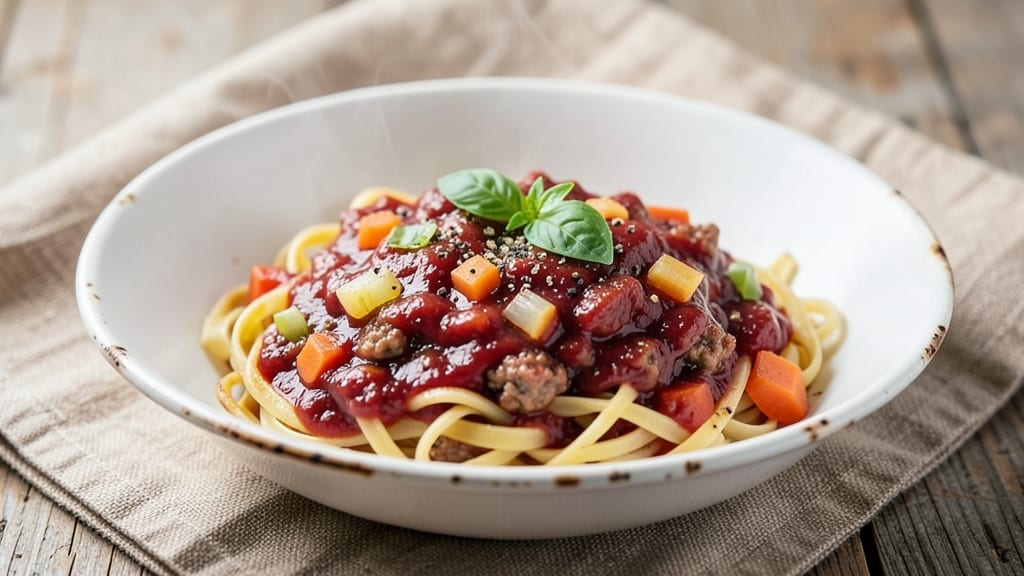
This Barilla Bolognese sauce recipe delivers the deep, slow-simmered umami that makes jarred versions pale in comparison. The secret lies in layering flavors through a proper soffritto base and hours of gentle cooking—transforming simple ingredients into something restaurant-worthy.
I've perfected this technique over years of testing, ensuring every spoonful delivers that rich, meaty depth without the shortcuts that compromise quality.
The process begins with a slow-cooked foundation of ground beef, onions, carrots, and celery that develop complex flavors through hours of simmering. Barilla's high-quality tomato paste serves as the anchor, while red wine adds brightness and depth.
What sets this apart is the patience—letting the sauce reduce gradually creates a concentrated, velvety texture that clings perfectly to pasta or meat.
By the time you're done, you'll have a sauce that's impossibly rich, with layers of caramelized meat, sweet tomatoes, and aromatic herbs. The long cooking time breaks down the meat into tender, flavorful bits that dissolve into the sauce, creating that signature Bolognese texture.
This isn't just a sauce—it's a flavor experience that transforms any meal.
The best part? This sauce improves with time, making it perfect for meal prep. Serve it over Barilla pasta, use it as a pizza topping, or freeze portions for future use. Here's how to make it from scratch—no shortcuts, just authentic Italian technique.
Ingredients for barilla bolognese sauce
The foundation of authentic Bolognese: quality proteins, aromatic vegetables, and Italian staples that build umami through slow cooking.
| Ingredient | Amount | Notes |
|---|---|---|
| Ground Beef 🥩 | 1 ½ lb | 80% lean, finely ground |
| Yellow Onion 🧅 | 1 whole | Medium, finely chopped |
| Carrots 🥕 | 2 medium | Peeled, finely diced |
| Celery Stalks 🧄 | 2 whole | Finely chopped, leafy parts removed |
| Garlic Cloves 🧄 | 4 cloves | Minced, for aromatic depth |
| Tomato Paste 🍅 | ½ cup | Barilla brand preferred |
| Dry Red Wine 🍷 | ½ cup | Bold variety like Cabernet |
| Beef Stock 💧 | 2 cups | Homemade or high-quality |
| Fresh Rosemary 🌿 | ½ tsp | Finely chopped, or 1/8 tsp dried |
| Fresh Thyme 🌿 | ½ tsp | Leaves only, finely chopped |
| Extra-Virgin Olive Oil 🫒 | ¼ cup | For sautéing soffritto |
| Salt 🧂 | 1 ½ tsp | Diamond Crystal preferred |
| Freshly Ground Black Pepper 🌶️ | ½ tsp | Coarsely ground |
The ground beef is non-negotiable—80% lean ensures proper fat content for flavor and texture. Whole Foods or Costco carry excellent pre-ground beef, but if buying whole, pulse it twice in a food processor for consistency. The soffritto trio (onion, carrot, celery) should be finely chopped—a mandoline makes this step efficient. For the tomato paste, Barilla brand is specifically chosen for its concentrated sweetness and smooth texture, which serves as the flavor anchor in this sauce. Red wine selection matters: Cabernet Sauvignon or Merlot provide the necessary acidity and depth without overpowering.
No red wine? Substitute with beef stock and 1 tbsp balsamic vinegar for acidity. Fresh herbs can be swapped for dried at one-third the quantity, but the texture difference is noticeable. For a vegetarian version, replace beef with mushrooms and lentils, though the flavor profile will differ significantly. The beef stock should be rich and homemade if possible—store-bought brands like Kitchen Basics work in a pinch. If you're short on time, pre-minced garlic saves steps, though fresh minced offers superior flavor. For the olive oil, avoid light or refined varieties—they lack the fruity notes that elevate the sauce.
This sauce develops best over time—2-3 days in the refrigerator allows flavors to meld completely. Store in an airtight container with a thin layer of olive oil on top to preserve freshness. Freezes beautifully for up to 6 months when portioned into ziplock bags, with each bag containing about 2 cups. For meal prep, make a double batch: one portion for immediate use, another for freezing. Reheat gently on the stove, adding a splash of water or stock if it thickens too much during storage.
Why You'll Love This Recipe
- The secret’s in the balance: rich, salty beef meets the sweetness of caramelized onions and carrots, with just enough garlic to make your kitchen smell like a dream. Honestly, I’ve tried store-bought sauces, but this? It’s the kind of depth you can’t buy—especially when you let it reduce down to a thick, glossy finish.
- Sofa-Side Simple: I swear by this sauce because it’s the kind of recipe that lets you chop once and forget—no fancy steps, just brown the beef, toss in the onions, carrots, and celery (that classic "sofrito" combo), and let it simmer. My kids even help with the garlic cloves, and we still end up with something that tastes like a restaurant’s slow-cooked version.
- Umami Bomb: The secret’s in the balance: rich, salty beef meets the sweetness of caramelized onions and carrots, with just enough garlic to make your kitchen smell like a dream. Honestly, I’ve tried store-bought sauces, but this? It’s the kind of depth you can’t buy—especially when you let it reduce down to a thick, glossy finish.
- Leftovers That Save: This sauce is my meal-prep MVP. Make a big batch on Sunday, and you’ve got pasta, stuffed peppers, or even a hearty soup covered for the week. Between us, I’ve reheated this stuff so many times, and it still tastes like day one—no sad, watery texture here.
Step-by-step instructions for Barilla Bolognese sauce
This method delivers restaurant-quality depth through precise technique and proper timing.
Develop the Soffritto Foundation
Heat the 0.25 cup extra-virgin olive oil in a heavy Dutch oven over medium-low heat. Add the finely chopped yellow onion, diced carrots, and chopped celery stalks (this trio forms the classic soffritto). Cook for 12-15 minutes, stirring occasionally, until the vegetables become tender and their colors deepen to a rich golden hue.
This slow cooking process is crucial—it allows the vegetables to break down and release their natural sweetness, forming the flavor base of your sauce. You want them to soften completely but not brown, as that would create bitterness. When a knife slides in easily and the mixture smells intensely aromatic, you're ready for the next step.
Brown the Ground Beef Properly
Increase heat to medium-high and add the 1.5 lb ground beef, breaking it apart with a wooden spoon. Cook for 8-10 minutes, stirring frequently, until the beef loses its raw color and develops a deep brown crust. This browning reaction, known as the Maillard effect, creates complex flavors that elevate your sauce from ordinary to extraordinary.
Don't drain the fat—it contains valuable flavor compounds. If the mixture becomes too dry before fully browning, add 1 tablespoon beef stock to deglaze. The beef should be fully cooked through with no pink remaining, and the mixture should have a rich, meaty aroma. At this point, you'll notice the vegetables have absorbed some of the beef's juices, creating a cohesive base.
Deglaze and Build Depth
Stir in the 4 minced garlic cloves and cook for 30 seconds until fragrant. Add the 0.5 cup dry red wine, scraping up any browned bits from the bottom of the pot with a wooden spoon. This deglazing step captures all the flavor compounds that would otherwise burn. Let the wine simmer until reduced by half, which takes about 3-4 minutes.
Next, add the 0.5 cup tomato paste and stir vigorously to distribute it evenly. Cook for 2 minutes to toast the tomato paste slightly, deepening its flavor. This step is where the sauce begins to take on its characteristic richness. The mixture should now have a thick, paste-like consistency with a deep red color and intense aroma.
Simmer with Herbs and Stock
Pour in the 2 cups beef stock, then add the 1.5 tsp salt, 0.5 tsp freshly ground black pepper, 0.5 tsp fresh rosemary, and 0.5 tsp fresh thyme. Stir well to combine all ingredients. Bring the mixture to a gentle simmer, then reduce heat to low and cover partially. Let it cook for 2-2.5 hours, stirring occasionally and adding 1-2 tablespoons water if it becomes too dry.
The sauce should thicken gradually as it simmers, developing a glossy sheen and rich, complex aroma. This slow cooking time is essential—it allows the flavors to meld and develop depth. You'll know it's ready when the sauce coats the back of a spoon smoothly and has reduced to a thick, velvety consistency. The herbs should infuse the sauce with their aromatic qualities without becoming bitter.
Finish and Adjust Seasoning
Remove the sauce from heat and let it rest for 10 minutes. This resting period allows the flavors to settle and the sauce to thicken further. Taste and adjust seasoning if needed—you may need to add a pinch more salt or pepper to balance the flavors. The sauce should be rich, meaty, and deeply flavorful with a perfect balance of acidity from the wine and sweetness from the vegetables.
For best results, serve the Bolognese immediately over fresh pasta, allowing the sauce to coat each strand beautifully. If storing, let it cool completely, then refrigerate for up to 5 days or freeze for 3 months. The flavors will continue to develop and deepen over time, making this sauce even more exceptional when reheated.
Pro Tips For Making Barilla Bolognese Sauce
- Sweat the Veggies First: Don’t rush the onion, carrot, and celery—cook them on medium-low heat for 10-12 minutes until they’re soft and golden, not just "soft." This builds flavor that won’t disappear when you add the beef. (Yes, it’s tempting to speed it up, but trust me on this.)
- Brown the Beef Properly: Drain the grease halfway through browning the ground beef, then return it to the pot with a fresh tablespoon of oil. This keeps the sauce from turning greasy while ensuring the meat gets that deep, meaty flavor. Skimp here, and your sauce tastes like it’s swimming in oil.
- Deglaze Before Adding Tomato: After browning the beef, splash in a cup of red wine (or broth) and scrape every last bit of browned bits from the pot. This adds richness that dry-scraping won’t match. (I used to skip this—now I don’t.)
- Simmer Low and Slow: Cover the pot and simmer on the lowest heat setting for at least 2 hours—no peeking, no stirring. This lets the flavors meld without burning. High heat now = sad, one-dimensional sauce later. (Your future self will notice the difference.)
Common mistakes when making this dish
Skipping the Soffritto
Rushing through the soffritto step is one of the biggest mistakes. Those 12-15 minutes of slow cooking are what build the sauce's sweet, aromatic foundation. I've seen people try to speed this up by cranking the heat, but that leads to bitter vegetables and a flat flavor profile.
The key is patience—let those onions, carrots, and celery melt into each other until they're completely tender and fragrant. 🧅
Overcrowding the Pot
Adding all the ground beef at once can cause the mixture to steam instead of brown properly. I recommend cooking the beef in two batches if your Dutch oven is small—this ensures each batch gets that crucial Maillard reaction that creates deep flavor.
Overcrowding also leads to uneven cooking and a watery sauce instead of the rich, velvety texture you want. 🥩
Ignoring the Wine Reduction
The red wine isn't just for flavor—it's for depth. Skipping the reduction step means you're missing out on concentrated flavor. Let that wine simmer until it's reduced by half (3-4 minutes), and don't be tempted to rush it.
This step also helps dissolve any browned bits from the bottom of the pot, which are packed with flavor. 🍷
Using Low-Quality Tomato Paste
Not all tomato paste is created equal. I specifically call for Barilla brand because it's smoother and sweeter than many store brands. Cheap paste can add a metallic taste or make your sauce taste thin.
If you must substitute, look for a paste that's labeled "natural" or "organic"—it makes a noticeable difference in the final product. 🍅
Rushing the Simmering Time
Trying to cut the 2-2.5 hour simmering time is a recipe for disaster. This is where the magic happens—the flavors meld together, the sauce thickens, and the meat breaks down into tender pieces.
I've seen people walk away from the stove for just 30 minutes and come back to a sauce that's still raw-tasting. Set a timer and let it do its thing—your patience will be rewarded. ⏰
Not Resting the Sauce
Skipping the 10-minute rest after cooking means you'll miss out on that final flavor development. During this time, the sauce continues to thicken and the flavors settle. I've tasted sauces right after cooking that were good but not great—and then after resting, they were restaurant-quality.
Give it that time, and you'll notice the difference. 💫
Nutrition facts
Frequently asked questions about Barilla Bolognese sauce
Can I make this sauce without red wine?
Yes, but you'll need to adjust for acidity. Replace the 0.5 cup red wine with 0.5 cup beef stock + 1 tbsp balsamic vinegar for brightness. The wine adds depth, but this substitution works well. For a non-alcoholic version, use apple cider vinegar instead of wine.
How do I adjust the thickness of the finished sauce?
If your sauce is too thick, stir in 1-2 tablespoons water or beef stock while reheating. For a thicker texture, simmer uncovered for 10-15 extra minutes to reduce. The ideal consistency should coat the back of a spoon smoothly but still be pourable.
Can I use ground turkey or chicken instead of beef?
For a lighter version, substitute 1.5 lb ground turkey or chicken, but reduce the cooking time by 10-15 minutes since poultry cooks faster. Add 1 tbsp tomato paste to maintain richness. The flavor will be milder but still delicious.
Why does my sauce taste thin or watery?
This usually happens from insufficient simmering time or adding too much liquid. The sauce should reduce naturally over 2-2.5 hours. If it's watery, simmer uncovered for 30-45 extra minutes, stirring occasionally. Avoid adding flour or cornstarch—it changes the authentic texture.
How long can I store this sauce in the fridge?
This sauce stays fresh in an airtight container for 5-7 days in the refrigerator. For longer storage, freeze portions in ziplock bags for up to 6 months. Thaw overnight in the fridge and reheat gently on low heat, adding a splash of water if needed.