
Sauces & Condiments
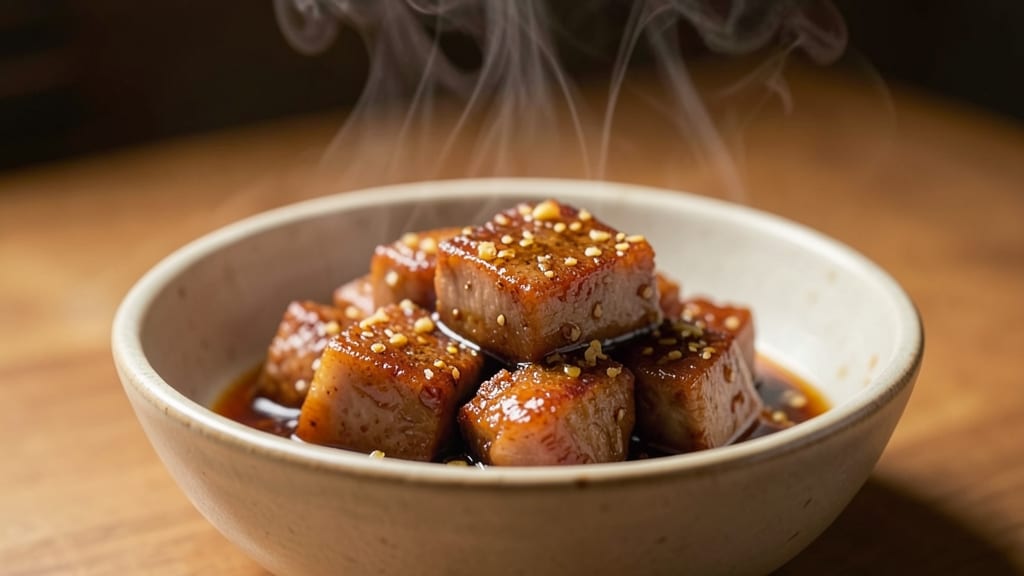
This Asian pork sauce recipe transforms simple stir-fries into restaurant-quality meals with its deep umami richness and perfect balance of sweet, salty, and tangy flavors. The secret lies in simmering pork broth with soy sauce, garlic, and ginger until it reduces into a velvety, glossy sauce that clings to every bite. I developed this after years of testing—it’s the one sauce that elevates even the simplest proteins into something extraordinary.
The beauty of this recipe is its versatility. Use it as a dipping sauce for spring rolls, a glaze for grilled pork, or the star of your stir-fry. The sauce builds flavor gradually as it simmers, so patience pays off—each minute deepens the complexity.
No specialty ingredients are needed, just pantry staples and a little time. It keeps well in the fridge for up to a week, making it perfect for meal prep.
What makes this sauce truly special is how it transforms ordinary dishes. The pork broth adds depth, while a touch of honey or brown sugar balances the saltiness of the soy. Garlic and ginger infuse warmth, and a splash of rice vinegar brightens everything up.
The result? A sauce so good, you’ll want to drizzle it on everything from noodles to roasted vegetables.
Once you try this, you’ll never reach for store-bought again. It’s the kind of sauce that turns a simple weeknight dinner into a flavor-packed experience. Let’s get cooking—your taste buds will thank you.
Ingredients for asian pork sauce
Pantry staples that pack serious umami punch—no fancy ingredients needed.
| Ingredient | Amount | Notes |
|---|---|---|
| Pork Broth 🥩 | 2 cups | Homemade or quality store-bought |
| Soy Sauce 🍶 | ½ cup | Light or dark preferred |
| Brown Sugar 🍯 | ¼ cup | Or honey for deeper sweetness |
| Garlic Cloves 🧄 | 6 cloves | Minced for even distribution |
| Fresh Ginger 🌿 | 2 tbsp | Grated, not powdered |
| Rice Vinegar 🍶 | 2 tbsp | White or seasoned |
| Sesame Oil 🫒 | 1 tbsp | Toasted for aroma |
| Cornstarch 🌾 | 1 tbsp | For thickening sauce |
| Water 💧 | 2 tbsp | To mix with cornstarch |
| Salt 🧂 | ½ tsp | Adjust to taste |
The pork broth is where the magic starts. Homemade is ideal—just simmer pork bones with water and aromatics for 4-6 hours—but Kikkoman or Swanson pork broth works in a pinch. If you're using store-bought, pick the kind with no added MSG for cleaner flavor. Fresh ginger and garlic? Always better than powdered. I grab mine from the produce section at Trader Joe's—they keep it well-stocked and fresh. For the soy sauce, light soy adds brightness while dark soy gives depth. Mix both for the best of both worlds.
No brown sugar? Honey or maple syrup works just as well—just use the same amount. Running low on rice vinegar? Apple cider vinegar is a decent swap, though it'll have a slightly different tang. Sesame oil is non-negotiable for that nutty aroma—avoid the cheap stuff. The cornstarch slurry is your secret weapon for that glossy finish. Make it ahead and keep it in the fridge until you're ready to thicken. And if you're feeling adventurous, add a dash of fish sauce for extra umami depth.
This sauce tastes even better the next day as flavors meld. Store it in an airtight jar in the fridge for up to 1 week. For longer storage, freeze in ice cube trays—just thaw and stir. I like to make double batches because it disappears fast. The sauce thickens as it cools, so if it seems too thick when cold, just add a splash of warm water. And trust me, a little goes a long way—start with 1 tbsp per serving and adjust to taste.
Why You'll Love This Recipe
- Pantry Magic: I swear by this sauce because it lives in my fridge forever. Just pork broth, soy sauce, and brown sugar—no fancy shopping trips, no last-minute ingredient hunts. The ginger and garlic add depth, but if I forget one, it still works.
- Umami Bomb: That first sip of caramelized brown sugar meeting salty soy and rich pork broth? It’s like a flavor explosion in your mouth. The garlic and ginger simmer into something deeper than just spices—they become this cozy, aromatic backbone that makes everything better.
- Meal Prep MVP: I make a big batch Sunday night and use it all week. Drizzle it over rice bowls, toss it with noodles, or even slather it on grilled pork chops. It’s my secret weapon for turning simple meals into something restaurant-worthy without extra effort.
- Budget-Friendly Luxury: Honestly, this sauce costs pennies but tastes like a splurge. A little goes a long way, and leftovers keep for days. I’ve fed a crowd with just this and rice—no fancy sides, no stress. Pure, satisfying flavor without breaking the bank.
Step-by-step instructions for Asian pork sauce
Here's how to build a rich, balanced sauce that's perfect for stir-fries and more.
Bloom the Aromatics in Pork Broth
Heat the 2 cups pork broth in a medium saucepan over medium heat until it begins to simmer gently. Add the 6 cloves minced garlic and 2 tablespoons grated fresh ginger, stirring constantly for 1-2 minutes until fragrant but not browned. This step unlocks their full flavor without bitterness.
I like to taste the broth at this stage—it should be clean and savory, with just a hint of garlic's sharpness. If the broth smells too strong, reduce heat slightly. The goal is to wake up these aromatics while keeping them delicate for the final sauce.
Add Sweet and Salty Components
Stir in the 0.5 cup soy sauce and 0.25 cup brown sugar, bringing everything to a gentle simmer. Let it cook uncovered for 5-7 minutes, stirring occasionally, until the sugar dissolves completely and the mixture reduces slightly by about ¼ cup. You'll notice the sauce darken and thicken just a bit.
This is where the sauce's depth develops. The soy sauce adds umami and saltiness, while the brown sugar creates a subtle caramelization that balances the acidity we'll add next. Don't walk away—constant stirring prevents scorching and ensures even flavor distribution.
Balance with Acid and Oil
Reduce heat to low and add the 2 tablespoons rice vinegar and 1 tablespoon sesame oil. Stir gently for 2-3 minutes until the vinegar is fully incorporated. The sauce should smell vibrant—bright from the vinegar, nutty from the sesame oil, with all the previous aromas still present.
Here's where it gets fun—the vinegar brightens everything while the sesame oil adds that signature Asian depth. Taste and adjust the 0.5 teaspoon salt if needed. The sauce should be well-balanced: sweet, salty, tangy, and umami-rich without any single flavor overpowering.
Thicken to Perfection
In a small bowl, whisk together the 1 tablespoon cornstarch and 2 tablespoons water until smooth. Slowly pour this mixture into the simmering sauce while stirring constantly. Bring to a gentle boil for 1-2 minutes until the sauce thickens enough to coat the back of a spoon.
The sauce should coat a spoon with a glossy sheen but still be pourable—not gluey. If it thickens too quickly, add 1 tablespoon water at a time until you reach the perfect consistency. This is the moment that matters: the sauce should be velvety but still cling to proteins beautifully.
Finish and Use Immediately
Remove from heat and let the sauce sit for 2-3 minutes to fully thicken. Taste again and adjust seasoning if needed—perhaps a touch more soy sauce for saltiness or a splash of vinegar for brightness. The sauce should be complex but harmonious, with all flavors working together.
This sauce is best used immediately on stir-fries, noodles, or grilled meats. If storing, keep it refrigerated for up to 5 days in an airtight container. The flavors actually improve overnight as everything melds together. Serve warm for the best experience—cold sauce loses its vibrant character.
Pro Tips For Making Asian Pork Sauce
- Simmer Slow and Steady: Asian pork sauce needs time to marry flavors—don’t rush it. Once you’ve combined pork broth, soy sauce, and sugar, keep the heat at a gentle simmer (not a rolling boil) for at least 15-20 minutes. I used to crank it up, thinking it’d speed things along, but that just burns the sugar and makes the sauce bitter. Let it work its magic.
- Mince Ginger Like It’s 1985: Fresh ginger loses its punch when it sits in liquid. Instead of roughly chopping it, mince it into tiny, almost paste-like pieces—this way, it infuses faster without turning the sauce mushy. (Yes, it looks like you’re making a smoothie, but your sauce will thank you.) Skip the grating—it releases too much liquid and dilutes the flavor.
- Taste Before You Burn: Brown sugar caramelizes fast, and if you’re not paying attention, your sauce can turn into syrup. Stir occasionally, especially in the last 5 minutes, and taste it before it darkens too much. If it’s too sweet, add a splash of soy sauce; if it’s too sharp, a pinch of sugar fixes it. (I learned this after ruining a batch by walking away.)
- Use Double the Garlic: Garlic cloves burn before they release their full aroma. Instead of tossing in 2-3 whole cloves, mince them into tiny bits or crush them with the flat side of your knife first. This way, they soften into the sauce without turning bitter. (And no, it doesn’t taste like garlic overload—it just tastes like real garlic.)
Pro cooking tips for perfect results
Simmering Secrets
Low and slow is key—maintain a gentle simmer at medium-low heat throughout cooking. I use a heavy-bottomed saucepan (like All-Clad) to prevent scorching, and stir frequently to distribute heat evenly. If the sauce reduces too quickly, add 1 tbsp water at a time to preserve balance. 🌡️
Cornstarch Slurry
Whisk the cornstarch slurry (1 tbsp cornstarch + 2 tbsp water) until completely smooth—no lumps allowed. Pour it slowly into the simmering sauce while stirring constantly with a heatproof spatula.
The sauce should thicken in 1-2 minutes—if it doesn’t, add another ½ tsp cornstarch mixed with 1 tbsp water. Over-thickening is easy to fix with extra water, but under-thickening ruins the texture.
Flavor Layering
Add ingredients in this order: aromatics (garlic/ginger) → soy/brown sugar → vinegar/sesame oil. Each step builds flavor progressively. Taste after each addition—this helps you catch imbalances early. For extra depth, I sometimes add 1 tsp fish sauce at the end (it disappears but adds umami magic). 💡
Equipment Matters
A fine-mesh strainer is your best friend if you want ultra-smooth sauce. After simmering, strain out ginger/garlic pieces for a silky texture. For stirring, use a heat-resistant silicone spatula—it won’t scratch your pan like metal utensils.
And always taste as you go—your palate is the best tool in the kitchen.
Storage Hacks
Let the sauce cool completely before refrigerating in an airtight glass jar. It thickens as it cools, so stir before using. For longer storage, freeze in ice cube trays—thaw and stir to restore texture.
I label mine with dates because this sauce tastes even better after 2-3 days as flavors meld. ❄️
Troubleshooting
If your sauce tastes too salty, add 1 tsp honey or brown sugar to balance. Too sweet? A splash of rice vinegar cuts through it. For a glossier finish, add 1 tsp neutral oil (like avocado oil) at the end.
And if it separates, whisk in 1 tsp cornstarch mixed with 1 tbsp water to restore consistency.
Nutrition facts
Frequently asked questions
Can I substitute pork broth with chicken or vegetable broth?
The pork broth is essential for that rich, meaty depth in the sauce. Chicken broth will work in a pinch (especially for lighter flavors), but it'll lack the umami complexity. For a vegetarian version, use a high-quality mushroom or soy-based broth and add 1 teaspoon fish sauce or ½ teaspoon MSG to compensate for the missing pork flavor. The sauce will still taste delicious but with a different character.
How do I adjust the sweetness or saltiness of the sauce?
Start by tasting after each major addition (soy sauce, sugar, vinegar). Too salty? Balance with ½ teaspoon honey or brown sugar. Too sweet? Add ½ teaspoon rice vinegar or a pinch of salt. For extra umami depth, stir in ½ teaspoon fish sauce—it disappears but adds incredible complexity. Always adjust gradually to avoid overpowering the delicate flavors.
Can I make this sauce without cornstarch? What are good thickeners?
If you're avoiding cornstarch, try a ½ teaspoon arrowroot powder or 1 teaspoon xanthan gum (mixed with water) for a clearer finish. For a naturally thickened version, simmer the sauce uncovered for 15-20 minutes longer—just stir occasionally to prevent scorching. The sauce will reduce naturally, though it won't be as glossy. Another option is to blend the simmered sauce and strain it through a fine-mesh sieve for a silky texture.
What's the best way to use leftover sauce?
This sauce is incredibly versatile! Drizzle it over grilled pork chops or stir-fried noodles for instant flavor. Use it as a dipping sauce for spring rolls or dumplings, or brush it on baked tofu or chicken wings before roasting. For extra richness, mix 1 tablespoon of the sauce with 1 teaspoon honey and 1 teaspoon soy sauce to create a quick glaze. The sauce also freezes beautifully—portion it into ice cube trays for easy single-use servings!
Why did my sauce turn out too thin or too thick?
Thin sauce usually means the cornstarch wasn't fully incorporated or the heat wasn't high enough to activate it. Next time, whisk the slurry vigorously and bring the sauce to a full boil for 1-2 minutes after adding it. For thick sauce, either the cornstarch was overused or the sauce cooled too much before thickening. Fix it by whisking in 1 teaspoon cornstarch mixed with 1 tablespoon water and simmering briefly. Always taste as you go—your palate is the best guide!