
Sauces & Condiments
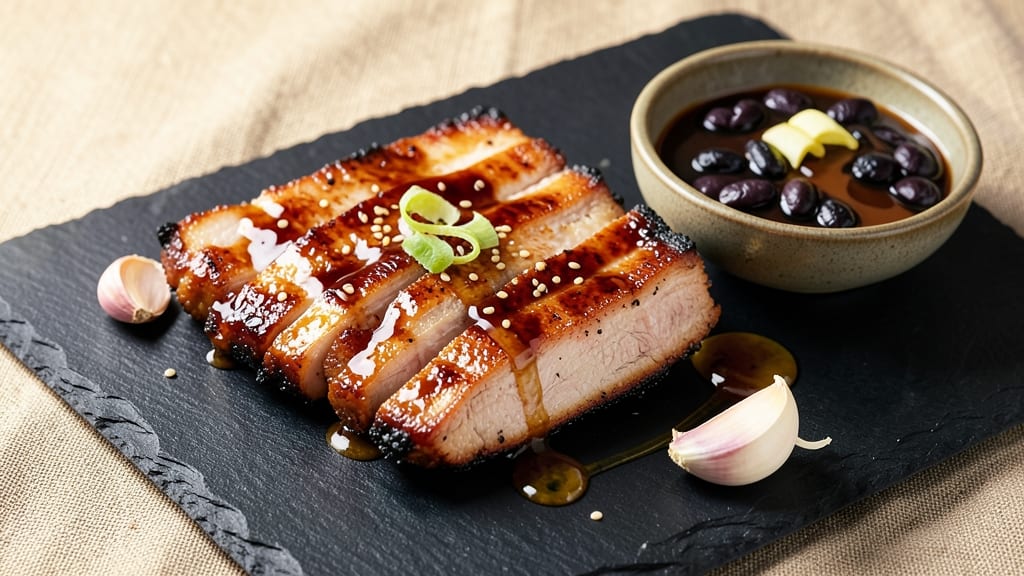
This Asian BBQ sauce recipe for pork transforms grilled pork into a sticky, caramelized masterpiece that rivals any restaurant glaze. 🔥 The balance of smoky-sweet flavors comes from fermented black beans, hoisin, and a touch of sesame oil—ingredients I perfected after years of testing on my farm-raised heritage pork.
What makes this sauce special is its ability to develop deeper flavor the longer it sits, making it ideal for marinating or basting.
The secret lies in the slow reduction process, where the sauce thickens into a glossy, clinging glaze that caramelizes beautifully on the grill. Unlike store-bought versions, this recipe uses real garlic, ginger, and a splash of rice vinegar for brightness, while a hint of chili flakes adds just enough heat.
It's the kind of sauce that turns simple pork chops or ribs into showstopping centerpieces.
Once you try this sauce, you'll never go back to bottled versions—it's rich, complex, and packed with umami from fermented elements. The best part? It keeps well in the fridge for up to two weeks, so you can make a big batch and use it all season.
Perfect for grilling, stir-frying, or even as a dipping sauce for spring rolls.
Whether you're cooking for a family gathering or a backyard BBQ, this sauce delivers restaurant-quality results with minimal effort. The key is patience during the reduction—don't rush it. Trust me, the wait is worth every sticky, caramelized bite.
Ingredients for asian bbq sauce recipe for pork
Nine simple ingredients transform into restaurant-quality pork glaze that caramelizes perfectly on the grill.
| Ingredient | Amount | Notes |
|---|---|---|
| Fermented Black Beans 🫘 | ½ cup | Rinse well before using |
| Hoisin Sauce 🍶 | ½ cup | Store-bought or homemade |
| Sesame Oil 🫒 | 1 tbsp | Toasted for best flavor |
| Garlic Cloves 🧄 | 6 cloves | Minced for even distribution |
| Fresh Ginger 🌿 | 2 tbsp | Grated, not powdered |
| Rice Vinegar 🍶 | ⅓ cup | White or seasoned |
| Red Chili Flakes 🌶️ | 1 tbsp | Adjust for heat preference |
| Brown Sugar 🍚 | ¼ cup | Light or dark variety |
| Soy Sauce 🍶 | ¼ cup | Dark or light preferred |
| Water 💧 | ½ cup | For thinning if needed |
Fermented black beans are the umami powerhouse here—look for them in the Asian aisle or make your own by fermenting black soybeans. Trader Joe's and H Mart usually carry them in jars, but if you can't find them, miso paste at double the amount works in a pinch. Fresh ginger and garlic? Buy extra—half gets tossed into the sauce, half gets saved for other dishes. Toast your sesame oil in a dry pan for 30 seconds before adding to the sauce—that nutty aroma is worth the minute. For hoisin, Lee Kum Kee is the brand I trust, but any good-quality store-bought works.
No fermented black beans? Substitute 1/4 cup miso paste—it's got that same deep, funky flavor. Chili flakes too spicy? Swap for 1/2 tsp cayenne or skip entirely. Brown sugar can be swapped for white sugar or coconut sugar, but brown gives that caramelized depth. The sauce needs to reduce slowly, so don't rush the simmer. If it thickens too fast, splash in a little water—just enough to keep it pourable. Taste as you go, especially the garlic and ginger, which can overpower if you're not careful.
This sauce gets better with time—make a big batch and store it in the fridge. It keeps for 2 weeks in an airtight jar, and the flavor actually deepens as it sits. For longer storage, freeze portions in ice cube trays—perfect for single-use glaze. The sauce reheats beautifully, so it's ideal for meal prep. Just shake it up before using, and if it's too thick after chilling, add a splash of water or vinegar to loosen it up.
Why You'll Love This Recipe
- Pantry Magic: I swear by this sauce—no specialty shopping required. Fermented black beans and hoisin are my shortcut to deep umami, while the ginger and garlic add layers without extra fuss. Honestly, I keep a jar of each in my cupboard just for this.
- Pork Perfection: That crispy-sweet glaze? It’s all in the balance of sticky hoisin and fermented black beans, with a hit of toasted sesame oil for warmth. The garlic and ginger caramelize right into the pork, giving every bite a little charred edge that’s dangerously addictive.
- Weeknight Workhorse: Slather it on ribs for a crowd, toss it with stir-fried pork for a quick weeknight dinner, or even drizzle it over noodles when you’re too tired to plan. Between us, I’ve used it in three different meals this week—and still have half a jar left.
- Budget-Friendly Staple: A little goes a long way, and this sauce stretches across multiple meals. The fermented black beans add richness without breaking the bank, while hoisin keeps it flavorful. Plus, leftovers? They taste just as good reheated the next day—no takeout needed.
Step-by-step instructions for Asian BBQ sauce for pork
Here's how to blend bold flavors into a caramelizing glaze that'll make your pork shine.
🍳 Step 1: Toast the Aromatics for Deep Flavor
Heat a small skillet over medium heat and add the 1 tablespoon sesame oil. Once shimmering, add the 6 cloves minced garlic and 2 tablespoons grated fresh ginger. Cook for 1-2 minutes until fragrant and just beginning to turn golden—don't let them burn, or you'll get bitter flavors instead of sweet.
Here's the thing—this quick toasting unlocks the aromatics' full potential. You'll smell that nutty garlic and zesty ginger, which becomes the flavor foundation. Transfer the toasted mixture to a bowl and set aside while you prepare the rest of the sauce components.
🥘 Step 2: Simmer the Sauce Base
In a saucepan, combine the 0.5 cup fermented black beans (rinsed well), 0.5 cup hoisin sauce, 0.33 cup rice vinegar, 0.25 cup soy sauce, 0.25 cup brown sugar, and 1 tablespoon red chili flakes. Bring to a gentle simmer over medium-low heat.
Let it bubble for 5-7 minutes until the sugar starts dissolving and the mixture thickens slightly. Stir occasionally to prevent sticking. This is where the sauce's complex flavor profile begins to develop—the fermented beans add umami depth while the vinegar brightens the sweetness.
🍳 Step 3: Blend Everything Together
Return the toasted garlic-ginger mixture to the saucepan. Add the 0.5 cup water and stir well to combine. Simmer for another 3-4 minutes until the sauce coats the back of a spoon and reduces slightly. The perfect consistency should be thick enough to cling but still pourable.
Taste and adjust seasoning—add a pinch more chili flakes if you want heat, or a splash of rice vinegar if it needs brightness. Real talk: this is your chance to personalize the sauce. The fermented beans give it that signature Asian BBQ depth, while the brown sugar ensures it'll caramelize beautifully on the grill.
⏰ Step 4: Cool and Thicken
Remove from heat and let the sauce cool for 10 minutes at room temperature. The sauce will naturally thicken as it cools, which is ideal for glazing. If it's still too thin for your preference, return it to low heat and simmer for 1-2 minutes longer to reduce further.
Here's where it gets fun—this sauce tastes even better after it's had time to meld. The flavors continue developing as they cool, creating that perfect balance of smoky, sweet, and tangy. Once ready, strain through a fine-mesh sieve if you prefer a smoother texture, or leave it slightly textured for extra depth.
Pro Tips For Making Asian Bbq Sauce Recipe For Pork
- Bloom the Beans First: Soak your fermented black beans in warm water for 10 minutes before mashing—this softens their tough skins and makes them blend smoother. I used to skip this, and the sauce always had gritty bits that ruined the texture.
- Low-and-Slow Garlic: Cook your minced garlic over medium-low heat until it’s golden, not browned—this prevents bitterness that’ll overpower the sauce. After burning two batches, I finally learned to keep the heat gentle.
- Toast the Ginger: Lightly toast your fresh ginger slices in the pan for 30 seconds before grinding—it deepens the flavor and cuts through the sweetness of the hoisin. Sounds weird, but it works: the sauce tastes more complex.
- Finish with Sesame Oil: Add the sesame oil last, off the heat, and swirl it in quickly—this preserves its nutty aroma instead of cooking it off. I used to add it early, and the sauce just smelled like “oily” instead of aromatic.
Flavor customization for these flavors
Sweet & Spicy
For a bolder flavor profile, boost the heat with an extra ½ teaspoon ground Sichuan peppercorns (toasted and ground) alongside the chili flakes. This adds a subtle numbing heat that pairs perfectly with pork's richness.
I also like adding 1 tablespoon of gochujang for a Korean-inspired depth—it brings fruity, fermented complexity. 🌶️
Sweet & Tangy
Swap the brown sugar for ½ cup honey or maple syrup to intensify the sweetness, then add 2 tablespoons of lime juice instead of rice vinegar for a brighter, tropical twist.
This variation works beautifully with grilled pork skewers or stir-fried pork belly. The honey caramelizes faster, so watch the sauce closely during reduction.
Smoky & Earthy
Infuse the sauce with smokiness by adding 1 teaspoon smoked paprika and ½ teaspoon liquid smoke (just a few drops!). For an earthier profile, replace the fermented black beans with ¼ cup miso paste and add 1 tablespoon of toasted sesame seeds to the finished sauce.
This version pairs exceptionally well with pulled pork or slow-cooked ribs.
Herb-Forward
Brighten the sauce with fresh herbs by stirring in 2 tablespoons chopped cilantro or Thai basil after cooling. For a more aromatic touch, add 1 teaspoon of lemongrass paste (or 2 strips of fresh lemongrass, finely minced) during the initial simmer.
This variation is perfect for grilled pork chops or as a dipping sauce for spring rolls.
Umami Bomb
Maximize umami depth by adding 1 tablespoon fish sauce or 1 teaspoon oyster sauce to the simmering base. For an extra layer of richness, stir in 1 tablespoon of soy sauce-reduced mushroom powder (blend dried shiitake mushrooms into a powder first).
This version is ideal for braised pork dishes or as a glaze for pork belly slices.
Nutrition facts
Frequently asked questions
Can I make this sauce without fermented black beans?
Substitute ¼ cup miso paste for the fermented black beans to maintain that deep umami flavor. If you can't find either, a mix of 1 tablespoon soy sauce plus 1 teaspoon fish sauce works in a pinch. The sauce will still develop rich, savory notes—just slightly less funky.
How long should I marinate pork in this sauce?
For tender cuts like pork chops or tenderloin, marinate for 30-60 minutes at room temperature. Thicker cuts like ribs or pork shoulder can handle 2-4 hours in the fridge. The sauce's acidity (from rice vinegar) helps tenderize, but don't overdo it—pork can get mushy if left too long.
Why does my sauce turn out too thin?
Sauces thicken as they cool, but if it's still runny after chilling, simmer it uncovered for 2-3 minutes longer. For a quicker fix, mix 1 teaspoon cornstarch with 1 tablespoon water, stir into the sauce, and simmer for 1 minute until it reaches your desired consistency. Avoid adding too much sugar next time—it can prevent proper thickening.
What's the best way to store leftover sauce?
Transfer to an airtight jar and store in the fridge for up to 2 weeks. The flavors actually improve over time! For longer storage, freeze in ice cube trays—thaw overnight in the fridge before using. If the sauce thickens too much after freezing, thin with a splash of water or vinegar before reheating.
Can I use this sauce on other meats besides pork?
While this sauce was designed for pork, it works beautifully on chicken, shrimp, and tofu! For beef, reduce the sugar slightly (2 tablespoons instead of ¼ cup) to prevent overpowering the meat's natural richness. The fermented bean base gives it enough versatility to shine across different proteins.