
Sauces & Condiments
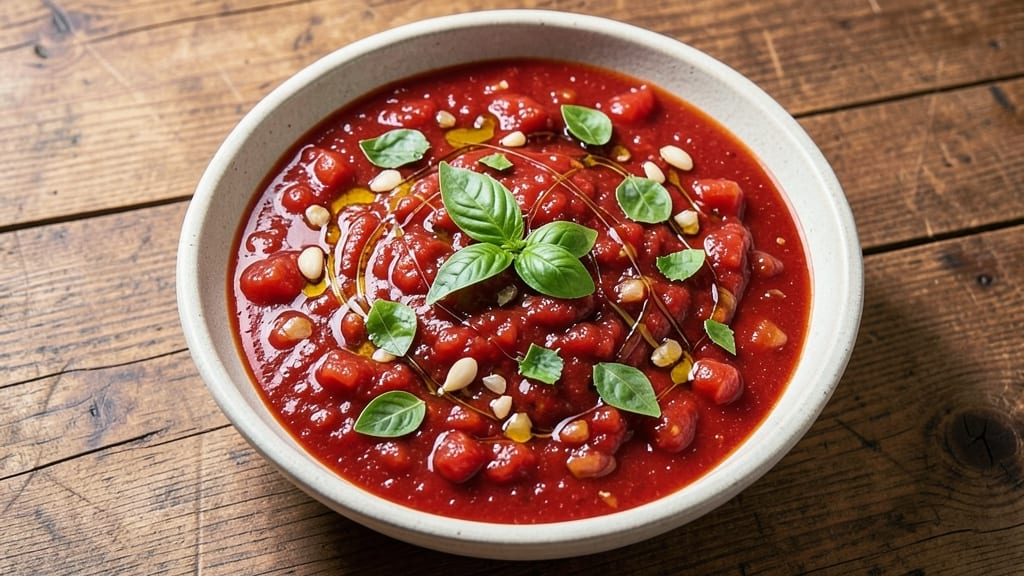
This authentic homemade pizza sauce transforms your homemade pizza into something that rivals your favorite Italian restaurant—no canned shortcuts required. The secret lies in simmering fresh tomatoes with aromatics until they develop deep, caramelized flavor without turning clumpy or overly sweet.
I've perfected this recipe over years of testing, ensuring it delivers that perfect balance of tangy, savory, and slightly sweet notes that cling beautifully to every bite of dough.
The foundation of this sauce is simple: high-quality canned tomatoes (or fresh if you're feeling ambitious) simmered with garlic, onion, and a touch of olive oil until the flavors meld into a velvety, umami-rich consistency.
What sets this apart is the slow reduction process, which intensifies the natural sweetness of the tomatoes while developing complex layers of flavor. No blender required—just a pot, a wooden spoon, and patience.
What you'll end up with is a smooth, vibrant sauce with just the right amount of body—thick enough to cling to pizza toppings but still spreadable without dripping.
The acidity from a splash of red wine vinegar brightens the flavor, while fresh basil added at the end keeps it bright and aromatic. This isn't just pizza sauce; it's the kind that makes you pause before taking the first bite, savoring the depth of flavor.
Use it as the base for your next homemade pizza, or drizzle it over pasta, bruschetta, or even as a marinade for grilled meats. The sauce keeps well in the refrigerator for up to a week, so you can make a big batch and enjoy it all week long.
Let's get started on creating sauce that tastes like it came straight from a Neapolitan kitchen.
Ingredients for authentic homemade pizza sauce
Nine simple ingredients transform into sauce that rivals restaurant-quality pizza.
| Ingredient | Amount | Notes |
|---|---|---|
| San Marzano Tomato Cans 🍅 | 2 cans | Whole peeled tomatoes, crushed by hand |
| Yellow Onion 🧅 | 1 whole | Finely diced, about 1 cup |
| Garlic Cloves 🧄 | 4 cloves | Minced, not pre-minced jarred |
| Extra-Virgin Olive Oil 🫒 | ¼ cup | Fruity, not bitter |
| Red Wine Vinegar 🍷 | 1 tbsp | For bright acidity |
| Fresh Basil Leaves 🌿 | ¼ cup | Chopped, stems removed |
| Salt 🧂 | 1 tsp | Diamond Crystal preferred |
| Black Pepper 🌶️ | ¼ tsp | Freshly cracked |
| Sugar 🍚 | ½ tsp | Balances acidity |
The tomatoes make all the difference—San Marzano is the gold standard, but any high-quality canned tomatoes work. I grab mine from Trader Joe's or Whole Foods when I can, but the store brand at Kroger is fine too. Look for cans with no dents or bulges, and crush them by hand for the best texture. The onion and garlic are your flavor anchors—don't skip browning them slowly in olive oil. That's where the deep, caramelized notes come from. Fresh basil at the end keeps it bright, but if you're making this ahead, add it just before serving or freeze it separately.
No San Marzano? Any crushed tomatoes will work, but avoid the watery, sweetened kinds. Short on basil? Dried basil at one-third the amount gets you close, or swap in parsley for a different vibe. The sugar seems counterintuitive, but it balances the acidity—skip it if your tomatoes are already sweet. Pre-minced garlic from a jar? Nope, toss it. Fresh is non-negotiable here. For a deeper umami kick, add a pinch of dried oregano or a dash of fish-free Worcestershire. And if you're feeling fancy, a splash of balsamic vinegar instead of red wine vinegar adds complexity.
This sauce tastes even better the next day as the flavors meld. Store it in an airtight container in the fridge for up to 1 week, or freeze for 6 months in ice cube trays for perfect portions. I always make a double batch—one for pizza night, one to drizzle over pasta or bruschetta. The sauce thickens as it cools, so thin with a splash of water if needed. And trust me, the effort is worth it when you take that first bite of pizza that tastes like it came from a Neapolitan trattoria.
Why You'll Love This Recipe
- No-Fuss Pantry Magic: I swear by this sauce because it’s all from the pantry—no fresh herbs, no fancy prep. Just crush garlic, slice onions, and let the San Marzano tomatoes shine. My lazy Sundays just got a whole lot better.
- Sunshine in a Jar: That bright, tangy kick? All thanks to the red wine vinegar and San Marzano sweetness. It’s the kind of sauce that makes even the simplest cheese pizza taste like a Neapolitan masterpiece—no fancy techniques required.
- Double-Duty Hero: Make a big batch on Sunday, and you’ve got pizza night covered and a killer marinara for pasta. Honestly, I’ve used it for everything from bruschetta to stuffed shells—it’s my secret weapon for lazy weeknights.
- Budget-Friendly Luxury: San Marzano tomatoes are a splurge, sure, but one can lasts forever. Freeze extras, and you’ve got restaurant-quality sauce for months. Between us? This is the only time I let myself spend $3 on a can of tomatoes.
Step-by-step instructions for authentic homemade pizza sauce
Let's create a sauce that brings out the natural sweetness of tomatoes while building deep, savory flavor.
Crush the San Marzano Tomatoes by Hand
Open the 2 cans of San Marzano tomatoes and carefully pour the contents into a large bowl. Using your clean hands, gently crush each tomato until you achieve a mix of small chunks and a smooth purée—this texture creates the perfect balance for pizza sauce. I like to leave some small pieces because they add body and prevent the sauce from becoming too thin during cooking.
This hand-crushing method also releases more natural juices, which helps develop a richer flavor as we cook. If you prefer a completely smooth sauce, you can transfer the crushed tomatoes to a food processor and pulse until fully blended, but I've found that leaving some texture gives the sauce better cling when applied to pizza dough.
Sauté Onion and Garlic in Olive Oil
Heat the 0.25 cup extra-virgin olive oil in a medium saucepan over medium heat. Add the finely diced yellow onion and cook for 5-6 minutes until it becomes soft and translucent. You'll know it's ready when it loses its raw edge and starts to caramelize slightly at the edges.
Add the 4 cloves of minced garlic and cook for another 30 seconds until fragrant. Be careful not to let the garlic burn—it should smell wonderful but not bitter. The garlic will infuse the oil with its aromatic qualities, creating the foundation for our sauce's complex flavor profile.
Combine and Simmer the Sauce
Pour the crushed tomatoes into the saucepan with the cooked onion and garlic. Stir in the 1 tablespoon red wine vinegar, 1 teaspoon salt, 0.25 teaspoon black pepper, and 0.5 teaspoon sugar. The vinegar will brighten the flavors while the sugar helps balance the acidity of the tomatoes.
Bring the mixture to a gentle boil, then reduce the heat to low and let it simmer uncovered for 20-25 minutes. Stir occasionally to prevent the sauce from sticking to the bottom. You're looking for the sauce to thicken slightly—it should coat the back of a spoon but still be spreadable. This simmering process develops the sauce's depth of flavor and allows the ingredients to meld together beautifully.
Finish with Fresh Basil
Remove the saucepan from heat and stir in the 0.25 cup chopped fresh basil leaves. Let the sauce sit for 5 minutes to allow the basil's aroma to infuse fully. The fresh basil adds a bright, herbal note that complements the rich tomato flavor.
Taste the sauce and adjust the seasoning if needed. You might need a bit more salt to balance the acidity or a touch more sugar to enhance the sweetness. Once you're satisfied with the flavor, transfer the sauce to a clean jar or container. This homemade pizza sauce will keep in the refrigerator for up to 5 days, making it perfect for your next pizza night.
Pro Tips For Making Authentic Homemade Pizza Sauce
- Sweat the Onion Low: Crush the yellow onion into large chunks before cooking—this speeds up softening without burning. I used to chop it fine, but it turned bitter; now I just smash it with the flat side of my knife and let it melt into the oil at medium-low heat.
- Crush Garlic, Don’t Mince: Use a heavy spoon or rolling pin to flatten the garlic cloves before adding them—this releases more flavor without burning. Finely minced garlic can scorch in seconds, and you’ll taste it. Flattened cloves caramelize gently and blend into the sauce perfectly.
- Simmer, Don’t Boil: Keep the sauce at a gentle simmer (tiny bubbles, occasional swirls) for at least 20 minutes—boiling makes it watery and dull. After my first batch turned out thin and flat, I learned to cover it and let it work slowly. The acidity in the vinegar needs time to mellow, not evaporate.
- Add Vinegar Last: Stir in the red wine vinegar only in the final 5 minutes—it brightens the sauce but can make it taste harsh if cooked too long. I used to add it early, and the sauce would taste sharp and unfinished. Now I taste it at the end and adjust salt/vinegar together.
Pro cooking tips for this recipe
Slow Cooking Secrets
Simmer your sauce on low heat for the full 20-25 minutes—this develops depth without burning. I use a heavy-bottomed saucepan (like my All-Clad) to prevent scorching.
Stir every 3-4 minutes to distribute heat evenly and prevent sticking. The sauce should reduce by about 15%—this concentration builds umami without clumping. 🌡️
Texture Control
For a chunkier texture, leave 10-15% of the tomatoes whole when crushing. For ultra-smooth sauce, blend half the crushed tomatoes first, then mix back in. I avoid immersion blenders—they can make the sauce too thin.
If your sauce gets too thick, add 1 tablespoon water at a time while reheating. The goal is spoonable but not runny—it should cling to pizza without dripping. 🍅
Flavor Layering
Add red wine vinegar early to balance sweetness, but basil goes in last—its oils are delicate and evaporate at high heat. For extra depth, toast 1 tsp dried oregano in the olive oil with the onions.
I also like adding ½ tsp fish-free Worcestershire during simmering for a savory punch. Taste as you go—adjust salt in ¼ tsp increments to avoid overpowering the tomatoes. ✨
Equipment Must-Haves
Your wooden spoon isn’t just for stirring—it helps break up any tomato skins that form during simmering. A fine-mesh strainer lets you remove skins if you prefer silky texture.
For storage, I use glass mason jars (they don’t absorb odors) with parchment paper pressed on top before sealing to prevent mold. Avoid metal lids—they can react with acidic ingredients over time. 🍯
Common Pitfalls
Over-simmering turns sauce bitter—watch for bubbles at the edges (not a rolling boil). Under-salted sauce tastes flat; over-salted ruins the balance. If your sauce separates, whisk in 1 tbsp tomato paste and simmer 2 more minutes. For no-clump sauce, add ½ tsp cornstarch mixed with 1 tbsp water at the end—stir vigorously until thickened. 💡
Pro Storage Tips
Cool sauce completely before refrigerating to prevent condensation (which dilutes flavor). For freezing, portion into ice cube trays—thaw one cube at a time for perfect amounts. Label containers with dates—this sauce tastes best within 3 months of freezing.
Reheat gently on low heat, stirring constantly to avoid scorching. The texture may thicken further; thin with warm water if needed. ❄️
Nutrition facts
Frequently asked questions
Can I use fresh tomatoes instead of canned San Marzano?
Fresh tomatoes work but require extra prep! Use about 1.5 pounds of ripe tomatoes (like Roma or vine-ripened), roast them at 400°F for 20 minutes to concentrate flavor, then peel, seed, and crush. Fresh sauce will be more watery—simmer uncovered for 30-40 minutes to reduce properly. For best results, blend half the tomatoes first to create a smoother base.
Why does my homemade sauce taste sweeter than store-bought?
Fresh tomatoes naturally develop deeper sweetness when simmered slowly! The 20-25 minute reduction caramelizes sugars, while the sugar in the recipe balances acidity. Store-bought sauces often contain added sweeteners—our version relies on natural flavor development. If yours tastes too sweet, add ½ tsp more red wine vinegar or fresh basil to brighten it.
Can I make this sauce without basil?
Basil adds freshness but isn't essential. For a similar effect, try ½ tsp dried basil (add during simmering) or 1 tbsp chopped parsley at the end. Other Italian herbs like oregano (¼ tsp) or thyme (2 sprigs) also work well—just reduce simmering time by 5 minutes to preserve their delicate flavors.
How do I fix clumpy sauce after cooking?
Clumps happen when tomato skins or seeds aren't fully broken down. For immediate fixes, whisk in 1 tbsp tomato paste and simmer 2 more minutes. For a smoother texture, blend the sauce briefly (or strain through a fine-mesh sieve). Prevention tip: Crush tomatoes more thoroughly by hand or use an immersion blender for 10 seconds before simmering.
Can I use this sauce for other dishes besides pizza?
This versatile sauce works beautifully beyond pizza! Drizzle over pasta (like spaghetti or penne), use as a marinade for grilled chicken or shrimp, or spread on garlic bread. For bruschetta, thin with 1 tbsp water and add 1 tsp balsamic glaze. The bright acidity makes it perfect for grain bowls or as a dipping sauce for mozzarella sticks.