
Sauces & Condiments
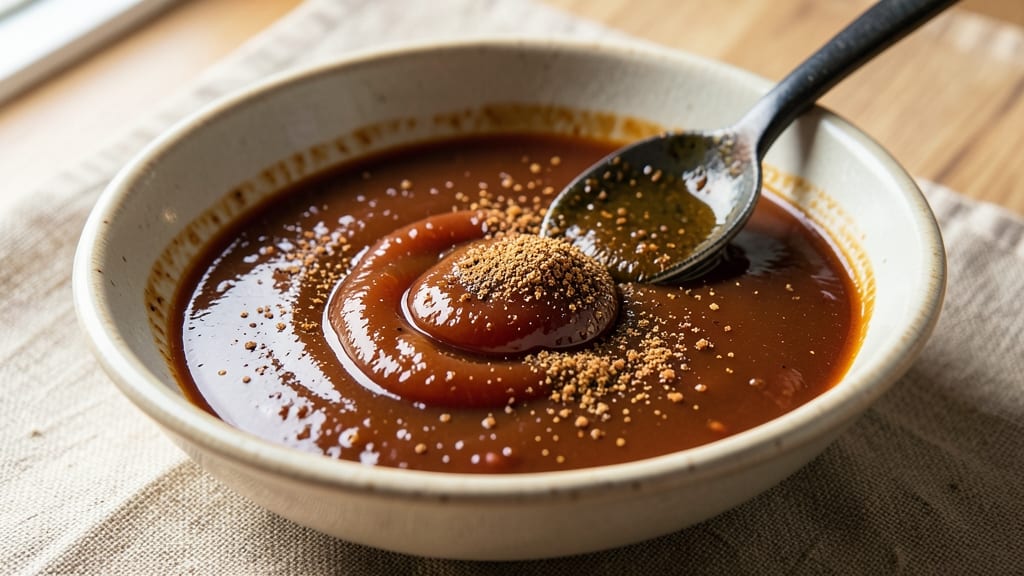
This barbecue sauce recipe with ketchup and brown sugar delivers that perfect balance of smoky depth and sweet caramel notes every grilled masterpiece deserves. 🔥 The secret lies in simmering the ingredients just until they meld into a velvety glaze, creating a sauce that's rich enough to stand up to bold meats yet versatile enough for vegetables and even desserts.
What makes this recipe truly professional is how it transforms simple pantry staples into something restaurant-quality. Brown sugar provides that signature caramelized sweetness, while ketchup brings the tangy base that binds everything together.
The slow simmer develops complex flavors without requiring specialty ingredients—just time and attention to balance the sweetness with a touch of vinegar for brightness.
By the time you're done, you'll have a smooth, storable sauce that clings beautifully to grilled chicken, ribs, or even baked beans. The texture is perfect—thick enough to glaze but still spreadable for dipping, with just the right viscosity to create that signature sticky crust on your favorite meats.
This formula works equally well for classic BBQ applications or creative twists like glazing vegetables or drizzling over ice cream.
The beauty of this recipe is its adaptability—you can customize it with spices, molasses, or even a splash of coffee for depth, all while keeping the core technique simple and reliable.
Ingredients for barbecue sauce recipe ketchup brown sugar
Pantry staples elevated to restaurant-quality barbecue sauce perfection—just ten ingredients, no shortcuts.
| Ingredient | Amount | Notes |
|---|---|---|
| Ketchup 🍅 | 1 cup | High-quality, not low-sodium |
| Light Brown Sugar 🍯 | ½ cup | Packed firmly for accuracy |
| Apple Cider Vinegar 🍏 | ¼ cup | For tangy brightness |
| Molasses 🍯 | 2 tbsp | Unsulfured preferred for depth |
| Smoked Paprika 🌶️ | 1 tbsp | For authentic smoky flavor |
| Ground Black Pepper 🌶️ | ½ tsp | Freshly cracked for heat |
| Garlic Powder 🧄 | 1 tsp | Not garlic salt |
| Onion Powder 🧅 | 1 tsp | For subtle depth |
| Extra-Virgin Olive Oil 🫒 | 1 tbsp | For smooth texture |
| Salt 🧂 | ½ tsp | Diamond Crystal preferred |
The ketchup and brown sugar form the sauce's backbone, so choose high-quality versions. Heinz Natural Ketchup or Organicville deliver the best tangy base without artificial additives. Brown sugar should be packed firmly—Domino or Wholesome Sweeteners are reliable brands. For the vinegar, Bragg Apple Cider Vinegar adds a clean, crisp acidity that brightens the sauce. The molasses is where depth happens—unsulfured molasses from Anthony's Goods has the richest flavor profile. Smoked paprika is non-negotiable for that authentic BBQ aroma; Penzeys or McCormick brands work well.
No molasses? Maple syrup at half the amount works in a pinch, though it lacks the deep complexity. Short on vinegar? Lemon juice at double the amount adds brightness but won't replicate the tang. The spices can be adjusted—swap cayenne for extra heat or add 1/2 tsp of cinnamon for warmth. For a smoother texture, blend the sauce after simmering. If you prefer a thinner consistency, add 1-2 tbsp of water or broth. The olive oil isn't just for flavor; it helps emulsify the sauce for that velvety finish.
This sauce keeps beautifully in the fridge for up to 3 weeks when stored in a sealed jar. For longer storage, freeze portions in ice cube trays—perfect for single-use applications. The flavor actually improves over time as the sugars caramelize further. If you make a big batch, divide it into small containers to prevent mold growth. The sauce reheats perfectly—simmer gently on the stove or microwave in 30-second bursts to maintain texture. It's also fantastic for layering flavors; try adding a dash of coffee or a pinch of chili powder for creative twists.
Why You'll Love This Recipe
- Five-Ingredient Magic: I swear, this sauce comes together with stuff you already have—no fancy shopping. Just toss ketchup, brown sugar, vinegar, molasses, and smoked paprika in a pot, simmer, and boom. The kind of recipe that makes me feel like a genius when my kids ask what’s for dinner.
- Sweet-Smoky Bomb: That molasses and brown sugar combo? It’s like a slow dance of caramel and heat. The smoked paprika adds this deep, woodsy note that turns grilled chicken or baked beans into something ridiculously good. Honestly, I’ve made it three times this week—no regrets.
- Weeknight to BBQ: Slap this on burgers, drizzle it over fries, or use it as a glaze for chicken thighs. It’s my go-to for quick weeknight dinners, but it also shines at summer cookouts. Between us, it’s the only sauce I bring to potlucks now—people always ask for the recipe.
- Stores Like Gold: Make a big batch—it keeps for weeks in the fridge. I freeze half for lazy days when I don’t feel like cooking. And since it’s mostly pantry staples, it’s cheaper than store-bought sauce that tastes like chemicals. My wallet and taste buds thank me.
Step-by-step instructions for smoky-sweet barbecue sauce
This professional-grade sauce delivers perfect balance every time—deep smoky notes, sweet caramel undertones, and bright acidity.
🍳 Step 1: Combine Wet Ingredients for Even Heat Distribution
In a medium saucepan, combine the 1 cup ketchup, 0.5 cup light brown sugar, and 0.25 cup apple cider vinegar. I like to use a saucepan with sloped sides—it makes stirring and reducing easier without spills. Place the pan over medium heat and bring the mixture to a gentle simmer, stirring occasionally to prevent scorching on the bottom.
Watch for tiny bubbles forming around the edges—that's your signal the mixture is heating properly. The sugar will begin to dissolve almost immediately, creating a smooth base. Stir every 30 seconds during the first 5 minutes to ensure even distribution of the sugar and prevent any hot spots that could burn the ketchup.
🍳 Step 2: Add Molasses and Spices for Depth of Flavor
Once the mixture reaches a gentle simmer, reduce heat to medium-low and add the 2 tablespoons molasses, 1 tablespoon smoked paprika, 0.5 teaspoon ground black pepper, 1 teaspoon garlic powder, and 1 teaspoon onion powder. Stir continuously for 2-3 minutes until the smoked paprika dissolves completely and the spices are fully incorporated.
The molasses will darken the sauce immediately, adding that rich, almost bittersweet depth that separates good barbecue sauce from great. You'll notice the aroma changing—smoky, slightly sweet, with a hint of vinegar brightness. This is where the sauce develops its professional character. Let it simmer uncovered for 10 minutes, stirring occasionally, until the mixture thickens slightly and coats the back of a spoon.
🍳 Step 3: Finish with Olive Oil for Smooth Texture
Remove the pan from heat and stir in the 1 tablespoon extra-virgin olive oil and 0.5 teaspoon salt. The olive oil helps emulsify the sauce, giving it a silky mouthfeel that clings beautifully to grilled meats. Let the mixture cool for 5 minutes while you stir occasionally—this allows the flavors to meld completely and prevents the sauce from continuing to reduce while cooling.
Taste and adjust seasoning if needed. I usually find this recipe hits the perfect balance, but if you prefer more sweetness, add a pinch of brown sugar; for extra tang, a splash of vinegar. The sauce should be thick enough to coat the back of a spoon but still pour smoothly. For best results, let it sit at room temperature for 1 hour before using—this resting period allows all the flavors to fully develop and harmonize.
Pro Tips For Making Barbecue Sauce Recipe Ketchup Brown Sugar
- Simmer Slow and Low: I learned this the hard way—rushing the sauce on high heat turns it into a sticky mess instead of a rich, glossy glaze. Keep it at a gentle bubble (just enough to see tiny ripples) for at least 20 minutes. This lets the brown sugar dissolve smoothly and the flavors meld without burning.
- Dissolve the Sugar First: Skip the guesswork—warm the brown sugar and molasses together in a separate small saucepan for 2-3 minutes before adding to the ketchup. This breaks up clumps and prevents that grainy texture that ruins an otherwise great sauce. (Yes, even if you’re impatient like me.)
- Balance the Vinegar: Apple cider vinegar is the flavor anchor, but too much makes the sauce taste sharp and thin. Start with ¼ cup, taste as you go, and add just 1 tablespoon more if needed. The molasses and smoked paprika will balance it—trust the process.
- Toast the Paprika: Dry-toast the smoked paprika in a small pan over low heat for 30 seconds until fragrant. This deepens its smoky flavor without bitterness. Stir it in at the very end to keep the aroma intact—adding it earlier lets the heat dull its punch. (Your future self will notice the difference.)
Dietary considerations for this barbecue sauce recipe ketchup brown sugar
Sweetness Control
If you're watching your sugar intake, reduce the brown sugar to ¼ cup and compensate with 1 tbsp molasses for depth. The molasses adds complexity without as much sweetness, so your sauce will still have that rich BBQ character.
For a diabetic-friendly version, use erythritol or monk fruit sweetener instead of brown sugar—just keep the amount at ¼ cup to avoid overpowering the sauce. 💫
Vegan Adaptations
This sauce is already vegan-friendly, but I like to double-check the ketchup label for hidden ingredients like fish emulsion or bone broth. Heinz Vegan Ketchup or Organicville Vegan Ketchup work perfectly. For extra richness, add 1 tbsp soy sauce or coconut aminos to deepen the umami profile.
The molasses and spices remain the same, so the flavor stays authentic while being completely plant-based.
Gluten-Free Options
Most ketchups are naturally gluten-free, but always verify the label—some brands use malt vinegar or wheat-based additives. Wright's Naturals or Hunts Tomato Ketchup are reliable gluten-free options. The rest of the ingredients are inherently gluten-free, so no other substitutions are needed.
If you're also avoiding sugar, use allulose or stevia blend instead of brown sugar, but taste as you go since these sweeteners can vary in intensity.
Low-Sodium Boost
For a lower-sodium version, use low-sodium ketchup and reduce the salt to just ¼ teaspoon. Balance the flavor with an extra ½ teaspoon of garlic powder and ¼ teaspoon of onion powder to maintain depth.
The vinegar and molasses will keep the sauce bright and rich without relying on salt. If you're on a very restricted sodium diet, skip the added salt entirely and let the spices carry the flavor profile.
Allergy-Friendly Swaps
If you're avoiding vinegar, replace the apple cider vinegar with lemon juice or lime juice at double the amount. For a nut-free option, ensure your molasses is processed in a facility free from cross-contamination.
If you're sensitive to garlic or onion, omit the powders and add ½ teaspoon of celery seed for a subtle earthy note instead. The sauce remains flexible enough to accommodate most dietary restrictions while keeping the core flavors intact.
Nutrition facts
Frequently asked questions
Can I make this barbecue sauce without molasses?
Yes! Replace the 2 tablespoons molasses with 1 tablespoon maple syrup for a similar sweet depth, though molasses provides that signature rich complexity. For a deeper flavor without molasses, try 1 tablespoon dark corn syrup instead. The sauce will still taste delicious but may lack the subtle bittersweet notes molasses contributes.
How do I adjust the sweetness if I prefer it less sugary?
Start by reducing the brown sugar to ¼ cup and taste after simmering. If still too sweet, add 1-2 tablespoons apple cider vinegar to balance it. For a diabetic-friendly version, use ½ cup erythritol or monk fruit sweetener instead of brown sugar—these sweeteners won't overpower the sauce as much as regular sugar.
Can I thicken this sauce for a glaze consistency?
Simmer the sauce uncovered for an extra 5-10 minutes to reduce it further. For a quicker fix, mix 1 teaspoon cornstarch with 1 tablespoon cold water, stir into the sauce, and simmer for 2 minutes until thickened. If it gets too thick, thin with 1-2 teaspoons water or broth while warm.
What's the best way to store leftover barbecue sauce?
Store in an airtight container in the fridge for up to 3 weeks. For longer storage, freeze in ice cube trays or small containers—this makes it easy to thaw just what you need. The sauce actually improves over time as flavors meld! When reheating, warm gently on the stove or microwave in 30-second bursts to maintain texture.
Can I use this sauce for non-meat applications?
This versatile sauce works beautifully on grilled vegetables (like portobello mushrooms or bell peppers), as a dipping sauce for fries, or even drizzled over mac and cheese. For desserts, try brushing it on baked apples or pancakes—the smoky-sweet flavor pairs surprisingly well with sweet treats!