
Sauces & Condiments
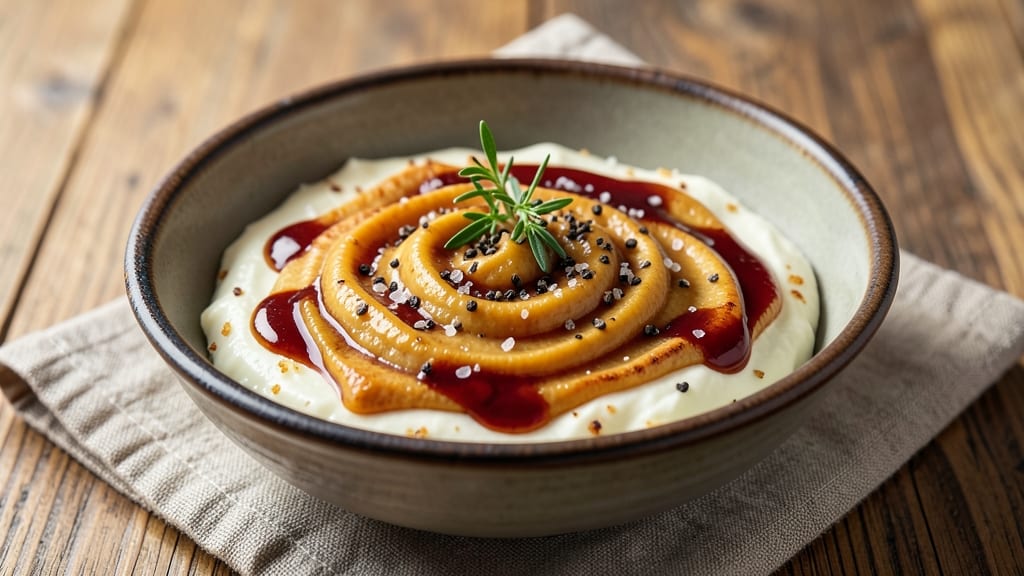
Brown butter transforms into something extraordinary when paired with balsamic vinegar—this sauce delivers nutty richness that cuts through rich meats and enhances delicate vegetables. The process is straightforward: melt butter until golden, reduce with balsamic, then emulsify for a velvety finish.
I developed this recipe after years of experimenting with brown butter applications, and the balsamic addition elevates it to restaurant-quality status.
What makes this sauce special is its versatility—drizzle it over grilled steaks, roasted Brussels sprouts, or pasta for instant depth of flavor. The key technique lies in proper emulsification, which ensures the sauce clings beautifully without separating.
Unlike store-bought versions, this recipe uses real ingredients and delivers a balance of sweet, tangy, and umami notes that transform ordinary dishes into something extraordinary.
The result is a sauce that's easy to make but impossible to replicate with bottled versions. With just five ingredients and 15 minutes of active time, you'll have a pantry staple that lasts for weeks.
The nutty aroma of brown butter combines perfectly with the bright acidity of balsamic, creating a flavor profile that's both sophisticated and approachable.
Perfect for weeknight dinners or special occasions, this sauce becomes even more impressive when made ahead. Store it in the refrigerator for up to two weeks, or freeze for longer preservation. The possibilities are endless—let's create this flavorful sauce that will become your new kitchen essential.
Ingredients for balsamic brown butter sauce
Five ingredients transform simple brown butter into restaurant-worthy balsamic richness.
| Ingredient | Amount | Notes |
|---|---|---|
| Unsalted Butter 🧈 | 1 cup | Cold, cubed for even browning |
| Balsamic Vinegar 🍷 | ½ cup | Aged 12+ months preferred |
| Heavy Cream 🥛 | ½ cup | Full-fat for optimal emulsification |
| Granulated Sugar 🍚 | 1 tbsp | Balances acidity, adjust to taste |
| Diamond Crystal Kosher Salt 🧂 | ½ tsp | Fine grain for even dissolving |
| Freshly Ground Black Pepper 🌶️ | ¼ tsp | Freshly cracked for aroma |
| Fresh Thyme Leaves 🌿 | ¼ tsp | Dried at 1/4 amount if needed |
The butter quality matters most here—opt for European-style unsalted with high fat content (82% or higher) for optimal browning. Land O'Lakes European Style or Plugrá are excellent choices, available at specialty grocers or well-stocked supermarkets. For balsamic, Acetaia Giusti or San Giorgio deliver superior depth of flavor compared to standard grocery store options. The vinegar should be aged at least 12 months, as indicated by the darker bottle color. Fresh thyme adds subtle herbal notes that complement the nutty butter and tangy vinegar, so avoid dried unless absolutely necessary—it lacks the bright aroma of fresh. Store your butter in the refrigerator to maintain freshness, and transfer it to room temperature at least 30 minutes before browning for even cooking.
Substitutions are possible but may alter the sauce's balance. Cream cheese can replace heavy cream at a 1:1 ratio if you prefer a slightly tangier profile, though the sauce may separate more easily. For those avoiding dairy, full-fat coconut cream works but lacks the same richness. Honey or maple syrup can substitute sugar if preferred, though they'll impart different sweetness profiles. If you're without fresh thyme, dried thyme at one-quarter the amount will suffice, though the flavor will be more muted. The salt measurement is precise—too much will overpower the delicate balance, while too little will make the sauce taste flat. For a more umami-rich variation, consider adding 1/4 teaspoon of fish sauce or 1/2 teaspoon of soy sauce, though this would require adjusting the sugar slightly to maintain balance.
This sauce achieves peak flavor after 24 hours of refrigeration, as the flavors meld and deepen. Store in an airtight glass jar in the refrigerator for up to two weeks, with a thin layer of oil on top to prevent skin formation. For longer storage, portion into ice cube trays, freeze, then transfer to a freezer bag for up to three months. When reheating, warm gently over low heat or in a double boiler, stirring constantly to prevent separation. The sauce thickens upon cooling, so thin with a splash of warm water or cream if needed. A small amount of xanthan gum (1/8 teaspoon) can stabilize the sauce if separation occurs during storage, though it's rarely necessary with proper emulsification technique.
Why You'll Love This Recipe
- Five-Ingredient Magic: I swear, this sauce only needs five things—but it tastes like a whole pantry of fancy techniques. Brown butter’s nutty depth meets balsamic’s tang, while the cream softens it into something dangerously smooth. No chopping, no straining, just melt, simmer, and savor.
- Rich Without Effort: Honestly, the heavy cream and sugar balance the acidity so well, it’s foolproof. That first spoonful? Buttery, slightly sweet, with a deep caramel note from the reduced balsamic. It’s the kind of sauce that makes you pause mid-bite to close your eyes.
- Weeknight to Dinner Party: Between us, this sauce works on pasta, roasted veggies, or even grilled chicken—no one will guess it’s not homemade from scratch. I’ve drizzled it over mashed potatoes for a fancy touch, and it’s still my go-to for busy nights when I don’t want to stress.
- Leftovers That Last: The good news? This sauce actually improves the next day. The flavors meld even more, and it reheats like a dream. Store it in the fridge for up to a week, or freeze portions for when you’re too tired to cook. (Yes, even on a Tuesday night.)
Step-by-step instructions for balsamic brown butter sauce
This sauce delivers perfect balance between nutty butter richness and tangy balsamic depth.
Brown the Butter to Golden Perfection
Cut the 1 cup unsalted butter into ½-inch cubes and place them in a heavy-bottomed saucepan over medium heat. Let the butter melt completely, then increase heat to medium-high and watch closely as it begins to foam. This is when the magic happens—the butter will turn from golden to nutty brown with tiny browned bits forming at the bottom.
Continue cooking until the butter reaches a deep golden brown color with a distinct nutty aroma—this should take about 5-7 minutes. Be patient; rushing this step will result in a bitter flavor. Immediately remove the pan from heat once you see the butter turning darker, as it can quickly burn. Pour the browned butter through a fine-mesh strainer into a heatproof bowl to remove any browned bits that would make the sauce gritty.
Deglaze with Balsamic Vinegar
Return the saucepan to medium heat and add the 0.5 cup balsamic vinegar. Scrape up any browned bits from the bottom of the pan with a wooden spoon—these contain concentrated flavor. Let the vinegar simmer for 3-4 minutes until it reduces by about half and the alcohol smell dissipates. You'll notice the sauce thickening slightly and developing a glossy sheen.
This reduction step is crucial for mellowing the vinegar's acidity and developing depth of flavor. If the mixture looks too thick, you can add a splash of water to help it along, but it should naturally reduce to a syrupy consistency. The aroma should now be rich and complex, with notes of caramel and fruitiness from the balsamic.
Incorporate Cream and Seasonings
Reduce heat to low and slowly whisk in the 0.5 cup heavy cream, the 1 tablespoon granulated sugar, 0.5 teaspoon diamond crystal kosher salt, 0.25 teaspoon freshly ground black pepper, and 0.25 teaspoon fresh thyme leaves. The sugar will help balance the acidity of the balsamic while enhancing the caramel notes. Stir gently to avoid creating lumps in the cream.
Let the sauce simmer for 2-3 minutes until it thickens slightly and coats the back of a spoon. The thyme leaves should infuse the sauce with their aromatic essence. Taste and adjust seasoning if needed—you might want to add a pinch more salt or sugar to achieve the perfect balance of sweet, tangy, and savory flavors. Remove from heat and let it sit for 1-2 minutes to allow the flavors to meld completely.
Finish and Serve
Strain the sauce through a fine-mesh sieve into a clean saucepan to remove any thyme stems or potential butter solids. Return it to low heat and keep it warm until ready to serve. This sauce is incredibly versatile—it pairs beautifully with grilled meats, roasted vegetables, or even drizzled over fresh pasta. The texture should be velvety smooth with a glossy finish that clings perfectly to your food.
For optimal results, serve the sauce immediately after preparation. If you need to store it, transfer to an airtight container and refrigerate for up to 3 days. To reheat, warm gently over low heat, stirring frequently to prevent scorching. The sauce may thicken slightly upon reheating, so you can thin it with a splash of warm water or heavy cream if needed.
Pro Tips For Making Balsamic Brown Butter Sauce
- SALT THE CREAM FIRST: Taste the heavy cream before adding it to the butter-vinegar mix—it’s usually bland and needs salt. Sprinkle in a pinch of kosher salt (about ¼ teaspoon) while whisking, or the sauce will taste flat. I learned this after making a batch that felt "off" until I realized the cream was the culprit.
- SIMMER THE VINEGAR: Reduce the balsamic vinegar to a syrupy consistency before adding it to the butter—this deepens the flavor and cuts the harshness. A quick 3-4 minute simmer in a small saucepan (don’t walk away) makes all the difference. Skipping this step means your sauce will taste like vinegar, not caramelized richness.
- WATCH THE BUTTER: Brown the butter over medium heat, not high—it burns faster than you think. Swirl the pan occasionally and keep your eye on it; once it smells nutty and turns golden, remove it immediately. Overcooked butter adds bitterness that sugar can’t fix.
- WHISK LIKE YOU MEAN IT: When combining the brown butter and vinegar, use a fork or whisk to break up any butter clumps before adding cream. I used to just stir lazily, and the sauce would separate. A few aggressive strokes ensure a silky texture every time.
Wine and beer pairings for this balsamic brown butter sauce
Red Wine Pairings
A bold Chianti Classico from Tuscany is my go-to pairing for this sauce—its bright acidity and cherry notes mirror the balsamic's tang while complementing the butter's richness. Look for a 100% Sangiovese with 12-14% alcohol like Castello di Volpaia or Ruffino Chianti Classico for optimal balance.
The wine's earthy undertones enhance the sauce's nutty depth, creating a harmonious flavor bridge between the dish and sauce. 🍷
White Wine Alternatives
For lighter pairings, a dry Riesling from Germany or Alsace offers surprising harmony with this sauce. I recommend a Kabinett-level Riesling like Dr. Loosen Blue Slate or Trimbach Riesling, which provides crisp acidity and subtle honeyed notes that cut through the butter's richness.
The wine's mineral finish also cleanses the palate between bites, making it ideal for vegetarian applications. 🥂
Beer Pairings
A Belgian witbier like Hoegaarden or St. Bernardus Wit brings refreshing citrus and peppery notes that contrast beautifully with the sauce's sweet-tangy profile. The beer's effervescence also helps cut through rich dishes like seared scallops or duck breast.
For a darker option, try a German Dunkelweizen—its caramel maltiness complements the brown butter's nuttiness while the yeasty character echoes the balsamic's complexity. 🍺
Spirit Pairings
For a sophisticated touch, serve this sauce alongside a small batch bourbon like Woodford Reserve or Buffalo Trace. The bourbon's vanilla and oak notes enhance the sauce's caramelized depth, while its smooth finish prevents palate fatigue.
Alternatively, a dry vermouth like Martini Rosso creates an unexpected but delightful pairing, especially with charcuterie boards or antipasto platters. 🥃
Non-Alcoholic Options
Don't overlook sparkling apple cider like Martinelli's Sparkling Apple Cider for a refreshing non-alcoholic match. Its bright acidity and subtle sweetness mirror the sauce's flavor profile without alcohol's interference.
For a more savory option, try a dry sparkling water infused with a splash of balsamic reduction and a pinch of thyme—it's surprisingly effective at cleansing the palate between bites. 🍏
Nutrition facts
Frequently asked questions
Can I make this sauce without heavy cream?
Yes! For a lighter version, replace the heavy cream with ½ cup whole milk or ½ cup full-fat coconut milk—though the texture will be slightly thinner. For extra richness without dairy, try ¼ cup crème fraîche blended with ¼ cup milk to maintain emulsification. The sauce will still taste delicious but may separate more easily if not used immediately.
How do I fix a sauce that separated?
If your sauce separates, whisk in 1 tablespoon cold water while stirring constantly over low heat. The residual starch in the butter should help re-emulsify it. For stubborn separation, blend the sauce briefly with an immersion blender or transfer to a blender, then return to the pan. If it still doesn't come together, stir in 1 teaspoon cornstarch mixed with 1 tablespoon cold water until thickened.
What's the best way to store leftovers?
Transfer the sauce to an airtight glass jar and refrigerate for up to 3 days. To prevent a skin from forming, press a piece of parchment paper directly onto the surface before sealing. For longer storage, freeze in ice cube trays, then transfer to a freezer bag for up to 3 months. Thaw overnight in the fridge and reheat gently over low heat, stirring constantly.
Can I use this sauce on cold dishes?
The sauce works beautifully on cold pasta salads, charcuterie boards, or chilled seafood platters. For best results, chill the sauce completely before using—it thickens slightly when cold. Drizzle just before serving to maintain its glossy finish. The nutty-sweet profile shines especially well with cured meats, aged cheeses, or marinated vegetables.
Why did my butter burn?
Butter burns quickly when overheated or left unattended. Keep heat at medium-high and watch closely—it should foam before browning. If it darkens too quickly, remove from heat immediately. For next time, use a heavy-bottomed pan and cut butter into smaller cubes for even cooking. A splash of cold water can also help control the heat if needed.