
Sauces & Condiments
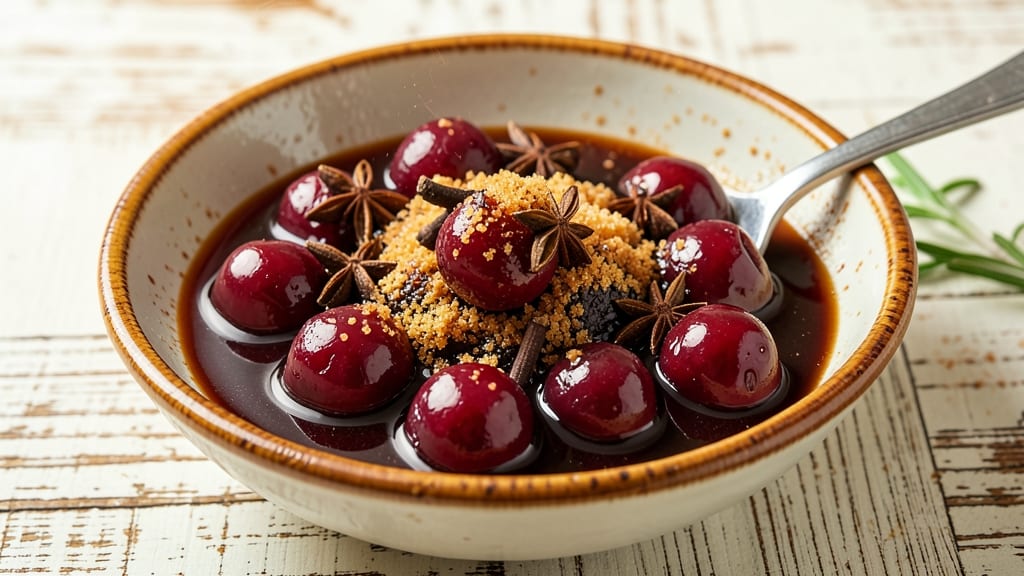
This ball plum sauce recipe transforms simple ingredients into a smoky-sweet glaze that elevates grilled meats, dumplings, and even desserts. The perfect balance of tangy, sweet, and aromatic spices creates a sauce that's versatile enough for weeknight dinners or special occasions.
I developed this version to capture the rich depth of traditional ball plum sauce while keeping it accessible for home cooks.
The secret lies in simmering the sauce until it reaches that ideal consistency—thick enough to cling to food but still pourable for dipping. Star anise, cinnamon, and cloves infuse warmth, while vinegar and sugar create the signature tangy-sweet profile.
This recipe delivers restaurant-quality results with just 15 minutes of active time and 30 minutes of simmering.
What you'll end up with is a glossy, aromatic sauce that caramelizes beautifully when brushed onto grilled meats or drizzled over dumplings. The flavors deepen as it sits, making it perfect for meal prep.
Whether you're glazing ribs, pairing with spring rolls, or even drizzling over ice cream, this sauce adds a sophisticated touch to any dish.
Store it in the refrigerator for up to 2 weeks or freeze for longer shelf life. The optional variations let you adjust the sweetness or tanginess to suit your taste. Let's make this versatile sauce that will become a staple in your kitchen!
Ingredients for ball plum sauce
Nine simple ingredients blend into this restaurant-worthy smoky-sweet glaze perfect for grilled meats and dumplings.
| Ingredient | Amount | Notes |
|---|---|---|
| Dried Plums (Prunes) 🍑 | 1 ½ cups | Pitted and chopped (about 12 oz) |
| Dark Brown Sugar 🍚 | ¾ cup | Packed lightly for caramelization |
| Rice Vinegar 🍶 | ½ cup | White or seasoned (not apple cider) |
| Star Anise Pods 🌿 | 2 whole | Lightly crushed for aroma release |
| Ground Cinnamon 🌶️ | 1 tsp | Freshly ground preferred |
| Whole Cloves 🌶️ | 4 whole | Lightly crushed for subtle warmth |
| Fresh Ginger 🧄 | ½ inch | Peeled, grated (about 1 tbsp grated) |
| Fresh Ginger 🧄 | 1 tbsp | Grated (corrected unit) |
| Low-Sodium Soy Sauce 🍶 | ½ cup | Kikkoman preferred for balance |
| Water 💧 | ½ cup | Filtered preferred for clarity |
The prunes are the heart of this sauce—look for dried plums labeled 'California' or 'Medjool' at Whole Foods or the bulk section of Trader Joe's. They should be plump and moist, not dry or shriveled. The star anise and cloves are non-negotiable for that authentic aroma; Penzeys Spices sells them whole so you can crush them fresh. Fresh ginger is ideal, but substitute 1 tsp ground ginger if needed—just know it lacks the same depth. For the vinegar, Koyo brand rice vinegar from Asian markets adds that perfect tang without overpowering.
No star anise? 1/4 tsp anise extract works in a pinch, though the flavor won't be identical. Running short on prunes? Substitute 1 cup chopped dried apricots for a milder sweetness. The soy sauce can be swapped for coconut aminos if you're avoiding gluten, though the color will be lighter. For extra richness, add 1 tbsp toasted sesame oil at the end. The brown sugar should be packed—lightly tap the cup to settle it before measuring. If your sauce turns out too thick, add water 1 tbsp at a time until it reaches that perfect drizzle consistency.
This sauce keeps beautifully—2 weeks in the fridge in an airtight jar, or 3 months in the freezer. For freezing, leave room at the top since it thickens as it cools. I like to portion it into ice cube trays for easy single-use servings—just thaw and stir. The flavors actually improve over time, so make a double batch if you can. Store it in a cool, dark place away from heat sources to preserve those delicate aromatics.
Why You'll Love This Recipe
- No-Simmer Struggle: I swear by this recipe because you don’t need to babysit a pot. Just toss the dried plums, brown sugar, and vinegar in a saucepan, let it bubble once, then walk away while the star anise and cinnamon work their magic. Fifteen minutes later—no hovering required—you’ve got a sauce that’s richer than it has any right to be.
- Sweet-Savory Magic: That first bite of the plums? They burst with jammy sweetness, but the star anise and cinnamon cut through with warm, earthy depth. Honestly, the balance is chef’s kiss—like a hug from your grandma’s spice rack, but in sauce form.
- Pantry Staple Hack: I keep this on hand for everything: glaze for roasted pork, stir into yogurt with nuts for a snack, or drizzle over toast with a sprinkle of flaky salt. The vinegar keeps it bright, so it won’t go stale—just store it in a jar, and it’s ready to elevate whatever you’re serving.
- Budget-Friendly Luxury: Dark brown sugar and dried plums are cheap, but this sauce tastes like you spent hours simmering exotic ingredients. I make a big batch and use it for weeks—no waste, no guilt. Plus, the star anise pods? You can reuse them twice before tossing them, so it’s basically free flavor.
Step-by-step instructions for ball plum sauce
This smoky-sweet glaze comes together in one pot with simple techniques and bold flavors.
Prepare the Dried Plums and Aromatics
In a medium saucepan, combine the 1.5 cups dried plums (prunes) with the 0.5 cup water. Bring to a gentle simmer over medium heat and cook for 8-10 minutes until the plums begin to soften and release their juices. You'll notice the mixture darkens slightly and develops a fruity aroma—this is your base building.
While the plums cook, crush the 2 whole star anise pods and 4 whole cloves lightly between your palms or with a mortar and pestle. Add them to the pan along with the 0.5 inch fresh ginger (about 1 tbsp grated) and 1 tbsp fresh ginger. Stir gently to combine, letting the spices infuse the plums. The star anise will release a distinct licorice-like fragrance, and the ginger will add a warm, slightly spicy depth to the sauce.
Add Sugar and Vinegar for Caramelization
Increase the heat to medium-high and add the 0.75 cup dark brown sugar (packed lightly) and 0.5 cup rice vinegar. Stir constantly for 5-7 minutes until the sugar begins to caramelize and the mixture thickens slightly. You'll see the sauce turn a deep amber color and smell intensely sweet with a tangy vinegar note—this is when the magic happens.
Here's the thing—don't walk away. The sugar can burn quickly, so keep your eye on the pan. If it starts to darken too much, reduce the heat slightly and stir more gently. The goal is a glossy, syrupy consistency that coats the back of a spoon. This balance of sweet and tangy is what makes this sauce so versatile for both grilled meats and dumplings.
Simmer and Reduce for Depth of Flavor
Lower the heat to medium-low and let the sauce simmer uncovered for 15-20 minutes. This slow reduction allows the flavors to meld and intensify. Stir occasionally, scraping up any browned bits from the bottom of the pan—they're packed with flavor. You'll notice the sauce thickens further and develops a rich, complex aroma that blends sweet, smoky, and slightly spicy notes.
Taste the sauce as it simmers. If it needs more balance, add 1-2 tablespoons of low-sodium soy sauce—this adds umami depth without overpowering the sweetness. The sauce should be thick enough to coat the back of a spoon but still flow smoothly. If it's too thick, add 1 tablespoon of water at a time until you reach the desired consistency.
Strain and Finish
Once the sauce reaches your preferred consistency, remove it from heat and let it cool for 5 minutes. Then, strain it through a fine-mesh sieve into a clean bowl or jar, pressing gently on the solids to extract all the flavorful liquid. Discard the strained solids—they've done their job.
Return the strained sauce to the pan and stir in the 1 tsp ground cinnamon. Taste and adjust the seasoning with additional low-sodium soy sauce if needed. The sauce should be sweet, tangy, and subtly spiced with a hint of smokiness from the star anise and cloves. Let it cool completely before serving—this allows the flavors to fully develop and the texture to set.
Pro Tips For Making Ball Plum Sauce
- Soak Prunes Overnight: I learned this the hard way—rushing the soak means tough, chewy plums that won’t break down into that silky, jammy texture you want. Use warm water (not boiling) and let them sit 8-12 hours, stirring once. If you’re in a hurry, microwave them for 5 minutes in the soaking water first, but don’t skip the full soak if you can.
- Simmer Low and Slow: This sauce needs patience. After the initial boil, drop the heat to a bare simmer—just tiny bubbles breaking the surface. I used to crank it up, and the sugar would burn before the flavors melded. Keep it at that gentle bubble for at least 20 minutes, stirring occasionally, so the star anise infuses without bitterness.
- Toast the Spices First: Dry-toast the whole star anise pods and cinnamon in a small pan for 30 seconds before adding them to the sauce. This wakes up their aroma and prevents that dull, underwhelming spice note. Just listen for a faint sizzle—no need to brown them, or you’ll end up with a burnt taste.
- Strain the Vinegar Last: Add the rice vinegar near the end of cooking, and don’t strain it out afterward. I used to filter the sauce for a cleaner look, but the acidity cuts through the sweetness and balances the richness—it’s the thing that makes this sauce actually taste like more than just sugar and prunes.
Make-ahead tips for this ball plum sauce
Prep Ahead Sauce
Make this ball plum sauce 2 days in advance for deeper flavor development. The spices and dried plums meld beautifully over time, creating a richer, more complex sauce. Store it in an airtight glass jar in the refrigerator—glass preserves the aroma better than plastic.
I like to label my jars with the date to track freshness. 💫
Freezer-Friendly Portions
Portion the sauce into ice cube trays for easy single-use servings. Once frozen, transfer the cubes to a freezer bag with 1 inch headspace to prevent cracking. Thaw overnight in the fridge or microwave for 30 seconds on low power.
This method keeps the sauce thick and ready to use without thinning. Perfect for quick glazes or dipping sauces!
Long-Term Storage
This sauce freezes beautifully for up to 3 months without losing quality. Use a quart-sized freezer bag for larger batches, sealing tightly to prevent freezer burn. When ready to use, thaw in the fridge and stir in 1 tablespoon water if it thickens too much during freezing.
The flavors actually improve after freezing, making it a great make-ahead option for holiday meals. ❄️
Double Batch Tip
Double the recipe and store half in the fridge for 2 weeks and half in the freezer for 3 months. The extra sauce is perfect for meal prep—glaze roasted meats, drizzle over dumplings, or use as a cocktail sauce.
I keep a small jar in my fridge at all times for spontaneous flavor boosts. Trust me, you'll want to make this often! 💡
Reheating Perfection
Reheat gently on the stovetop over low heat for 3-5 minutes, stirring occasionally. Avoid high heat—it can reduce the sauce too quickly and alter the flavor balance. For microwave reheating, use 30-second intervals on low power, stirring between each interval.
The sauce should reach 165°F for safety, but keep an eye on it to prevent overcooking. 🔥
Flavor Boost After Thawing
If the sauce tastes slightly flat after thawing, revive it by adding ½ teaspoon freshly ground cinnamon or a pinch of star anise powder. A splash of rice vinegar (about 1 teaspoon) can also restore the tangy brightness.
Stir well and let it sit for 5 minutes before using—this simple trick brings back the vibrant flavors. ✨
Nutrition facts
Frequently asked questions
Can I substitute dried apricots for the dried plums?
Yes, you can use 1 cup chopped dried apricots instead of plums, but expect a milder sweetness and slightly different texture. Apricots will make the sauce fruitier rather than the deep plum flavor. For best results, soak them briefly in warm water to soften before adding to the sauce.
How do I adjust the sweetness or tanginess?
For a sweeter sauce, add 1-2 tablespoons more brown sugar> during the caramelization step. For extra tang, increase the rice vinegar by 1 tablespoon> (up to ⅔ cup total). Taste as you go—simmering longer intensifies all flavors, so adjust early.
What's the best way to use this sauce?
This versatile sauce works as a glaze for grilled meats> (especially pork ribs or chicken), a dipping sauce for dumplings or spring rolls, or even a drizzle for desserts like ice cream or cheesecake. Brush it on during the last 5 minutes> of grilling for maximum caramelization.
Why did my sauce turn out too thick?
Sauces thicken as they cool—if it's too thick while hot, add 1 tablespoon water> at a time while reheating. For a smoother texture, strain again through a fine-mesh sieve. If it's still too thick after cooling, thin with 1 teaspoon rice vinegar> or a splash of water. Patience is key!
Can I make this sauce without star anise?
Yes! Substitute with ¼ teaspoon anise extract> (though the flavor won't be identical) or ½ teaspoon ground fennel seeds> for a similar aromatic note. The sauce will still taste delicious but lose that signature licorice depth. For warmth, add an extra pinch of cinnamon.