
Sauces & Condiments
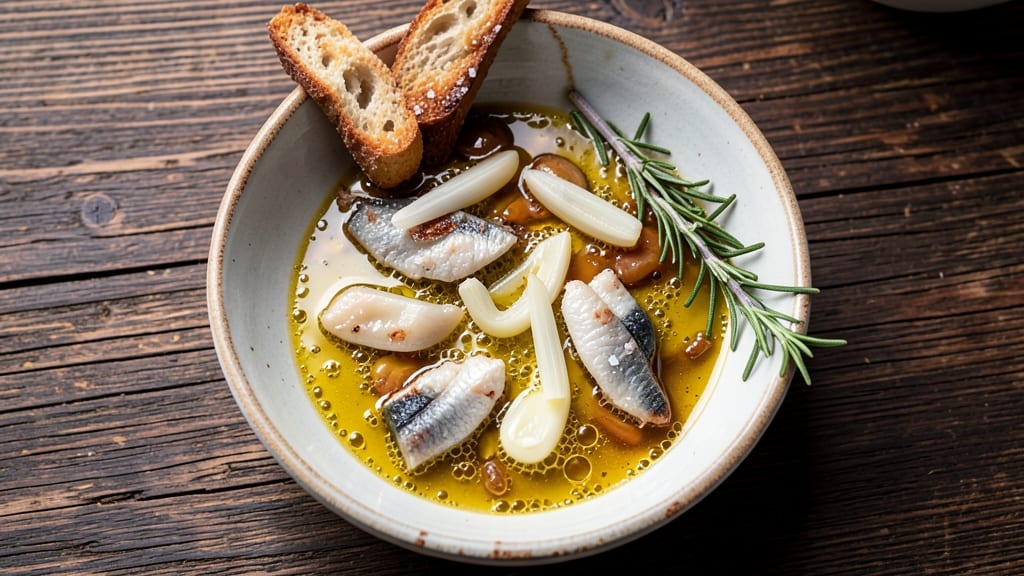
This bagna càuda sauce recipe delivers the perfect balance of smoky garlic, salty anchovies, and rich olive oil—transforming simple dips into an Italian masterpiece. The secret lies in emulsifying butter and olive oil while simmering garlic and anchovies until they dissolve into a velvety, aromatic sauce.
What starts as a humble dip becomes a flavor explosion when paired with crisp vegetables or crusty bread.
The sauce's magic comes from its simplicity: just five core ingredients create layers of umami and garlic depth without overpowering. Traditional recipes call for anchovies and garlic cooked in butter until they melt completely, then emulsified with olive oil to create that signature creamy yet tangy texture.
This version stays true to the original while ensuring it's foolproof for home cooks—no fancy techniques required.
What you'll end up with is a sauce that's rich enough to coat every bite yet light enough to let the natural flavors of vegetables and meats shine through. The perfect bagna càuda should be smooth, glossy, and just slightly tangy, with a subtle smokiness from the garlic.
It's the kind of sauce that makes even the simplest meal feel like a restaurant-worthy experience.
Use it immediately for dipping raw or blanched vegetables, crusty bread, or even grilled meats. Or store it in the refrigerator for up to 5 days—though I doubt it will last that long. Here's how to make it perfectly every time.
Ingredients for bagna cauda sauce
Five ingredients transform into an Italian classic dip bursting with garlic and umami.
| Ingredient | Amount | Notes |
|---|---|---|
| Unsalted Butter 🧈 | ½ cup | Cold, cubed for emulsification |
| Extra-Virgin Olive Oil 🫒 | ½ cup | High quality, fruity variety |
| Garlic Cloves 🧄 | 12 whole | Peeled, thinly sliced lengthwise |
| Anchovy Fillets 🐟 | 4 oz | High-quality, salt-packed preferred |
| Salt 🧂 | ½ tsp | Diamond Crystal preferred |
The butter and olive oil are the foundation—European-style unsalted butter works best for its high fat content, while Italian extra-virgin olive oil adds fruity depth. Anchovies should be salt-packed, high-quality fillets—none of that canned nonsense. Whole Foods or specialty Italian markets carry the best. Garlic is non-negotiable: use fresh, plump cloves with vibrant color. If you're feeling fancy, purple stripe garlic adds a subtle sweetness. Store butter in the fridge, olive oil in a cool dark place, and garlic in a mesh bag to prevent sprouting.
No anchovies? High-quality fish sauce at half the amount works in a pinch, though it won't have the same depth. Fresh garlic is ideal, but dried garlic powder at one-third the amount gets you close if you're in a bind. The butter-to-oil ratio is critical—equal parts ensures proper emulsification. If your sauce breaks, whisk in a splash of warm water or add a pinch more salt to stabilize. For extra richness, add a dash of white wine vinegar at the end for brightness, but traditionalists will argue it's unnecessary.
This sauce keeps beautifully—up to 5 days in the fridge, though it's best used within 24 hours for peak flavor. Store in an airtight container with a thin layer of olive oil on top to preserve freshness. For longer storage, freeze in ice cube trays and transfer to a bag. Reheat gently over low heat, stirring constantly, until just warmed through. The sauce thickens as it cools, so add a splash of warm water if it becomes too stiff. Leftovers make incredible sandwich spreads or pasta finishes.
Why You'll Love This Recipe
- Five-Ingredient Magic: I swear, this sauce is the culinary equivalent of a hug—just butter, olive oil, garlic, anchovies, and salt. No chopping, no fuss, just melt, simmer, and dip. My lazy Sunday afternoons now include this as a non-negotiable.
- Umami Bomb: That first bite of crispy bread into the sauce? It’s like a flavor explosion. The anchovies and garlic create this deep, savory punch that turns even the simplest veggies into something unforgettable. Honestly, I’ve never met a dip that delivers this kind of punch for so little effort.
- Weeknight Wonder: This sauce is my go-to for game nights, movie marathons, or when I’m too tired to cook. Just keep it warm in a pot, and suddenly, everything—from raw potatoes to crusty bread—becomes an appetizer. Between us, it’s the reason my social life didn’t tank during quarantine.
- Budget-Friendly Luxury: You’d think a sauce this rich would break the bank, but it’s not even close. A few cloves of garlic, a stick of butter, and a handful of anchovies stretch to feed a crowd. I’ve made this for 10 people for under $10—no joke. It’s fancy without the fancy price tag.
Step-by-step instructions for bagna cauda sauce
Master this classic Piedmontese sauce with perfect balance and silky texture.
Prepare the Garlic and Anchovies
Slice all 12 whole garlic cloves lengthwise into thin strips—this exposes more surface area for flavor infusion. In a small bowl, combine the sliced garlic with the 4 oz anchovy fillets and let them sit for 10 minutes at room temperature. This brief resting period allows the anchovies to soften slightly and release their umami depth, which is crucial for the sauce's signature flavor.
While waiting, examine the anchovies for any bones or skin fragments. Remove them carefully with tweezers, as these can make the sauce gritty. The anchovies should dissolve completely into the sauce during cooking, leaving no trace of their original form—just pure, salty richness.
Create the Cold Butter Base
In a medium saucepan, combine the 0.5 cup cold unsalted butter and 0.5 cup extra-virgin olive oil over low heat. The butter should melt slowly—this gradual process prevents the mixture from separating later. Stir gently with a wooden spoon until the butter is completely melted and the mixture is smooth, about 2-3 minutes. Remove from heat immediately to prevent any chance of browning.
Here's the thing—using cold butter is essential. If you melt the butter completely before adding it to the pan, the sauce will break and become oily. The cold cubes emulsify with the olive oil as they melt, creating that signature velvety texture. Keep the heat low throughout this process; patience here ensures a silky finish.
Infuse the Flavor Base
Return the saucepan to low heat and add the garlic-anchovy mixture along with the 0.5 tsp salt. Stir constantly for 8-10 minutes until the garlic is golden brown but not burnt. You're aiming for a deep, nutty aroma—this is where the magic happens. The anchovies should dissolve completely, and the garlic should transform from pale to a rich amber color.
Don't walk away. Garlic burns in seconds, and once it's blackened, there's no saving it. The sauce will develop a bitter taste that ruins the delicate balance. If you notice any pieces sticking to the bottom, add a splash of water to deglaze and scrape them up. This step builds the sauce's foundation—every flavor note must be perfectly developed.
Simmer to Perfection
Reduce heat to very low and let the sauce simmer gently for 5-7 minutes. The mixture should bubble softly but not vigorously. Skim off any foam that rises to the surface with a spoon—this ensures a clean, velvety texture. The sauce is ready when it's completely smooth, with no visible garlic pieces remaining and a rich, golden hue.
Taste and adjust seasoning if needed. The anchovies and salt should provide enough saltiness, but if the sauce tastes flat, add a pinch more salt. The final texture should coat the back of a spoon like a thick, luxurious paint. If it's too thin, simmer uncovered for another minute to reduce slightly. If too thick, whisk in 1 teaspoon warm water to loosen it.
Serve Warm and Fresh
Transfer the sauce to a serving bowl or small saucepan and keep it warm over low heat until ready to serve. Bagna cauda is best enjoyed immediately, while the garlic's aroma is at its peak. For serving, I recommend using a small dip bowl with a spoon for dipping—traditionally, it's paired with crusty bread, raw vegetables, and sometimes even grilled meats.
The sauce should be warm but not boiling when served. If it sits too long, the texture can separate, so have everything ready before you begin serving. Each bite should deliver layers of garlic sweetness, anchovy depth, and buttery richness—a perfect balance of umami and fat that defines this Piedmontese classic.
Pro Tips For Making Bagna Cauda Sauce
- Infuse the Anchovies Slowly: Break those fillets into tiny pieces—don’t just drop them in whole. They’ll melt unevenly and leave you with fishy pockets instead of a smooth, umami-rich base. I learned this the hard way when my first batch had a single chewy anchovy lurking in every bite.
- Low and Steady Wins: Start the butter and oil on medium-low, not high. Bagna cauda isn’t a sear—it’s a slow dance. Rushing turns the garlic bitter and burns the butter before the anchovies dissolve properly. Trust me, the sauce will thank you with depth, not smoke.
- Peel Garlic Last Minute: Keep those cloves whole and unpeeled until you’re ready to add them. Peeling too early bruises the flesh, and bruised garlic burns faster, turning your sauce bitter. Do it right before tossing them in—clean hands, no stress.
- Balance Butter and Oil: Use a 50/50 split by weight, not eyeballing. Butter adds richness, but too much can make the sauce heavy; olive oil keeps it silky. I skip measuring now—I just eyeball a thick pat of butter for every 2 tablespoons of oil—but start with that ratio to avoid guesswork.
Pro cooking tips for bagna cauda sauce
Garlic Mastery
Slice your 12 garlic cloves lengthwise into thin strips—not too thick, or they'll stay undercooked. Let them sit with the anchovies for 10 minutes before cooking; this softens them slightly for even dissolution.
I've found that purple stripe garlic adds a subtle sweetness that elevates the sauce, but regular garlic works just fine. The key is patience—don't rush this step, or you'll end up with bitter, burnt garlic that ruins everything. 🧄
Emulsification Secrets
Cold butter is non-negotiable for that velvety texture. Cube your 0.5 cup unsalted butter and melt it slowly with the olive oil over low heat. If you melt the butter completely before adding it to the pan, you'll end up with a broken sauce.
I like to use European-style butter like Plugrá or Kerrygold—they have a higher fat content that helps stabilize the emulsion. Keep stirring gently until the butter melts completely, then remove from heat immediately.
Anchovy Technique
High-quality anchovies make all the difference. I recommend salt-packed fillets from Whole Foods or specialty Italian markets—none of that canned anchovy paste nonsense. Before adding them to the sauce, check for any bones or skin fragments with tweezers.
These can make your sauce gritty, and trust me, you don't want that. The anchovies should dissolve completely into the sauce, leaving behind just their umami richness. If you're in a pinch, you can substitute 1 tbsp high-quality fish sauce, but it won't have the same depth of flavor.
Heat Control
Low and slow is the name of the game here. Once you add the garlic-anchovy mixture to the butter and oil, keep the heat at low and stir constantly for 8-10 minutes.
The garlic should turn golden brown but not burnt—burnt garlic is bitter and will throw off the entire sauce. If you notice any pieces sticking to the bottom, add a splash of water to deglaze and scrape them up.
This step is all about building layers of flavor, so don't walk away. The sauce should smell deeply aromatic and nutty by the time it's done. 🌡️
Sauce Stabilization
If your sauce starts to separate or looks too thick, don't panic. Whisk in 1 teaspoon warm water to loosen it up. If it's too thin, simmer it uncovered for another minute to reduce slightly. The final texture should coat the back of a spoon like a thick, luxurious paint.
Taste and adjust seasoning if needed—the anchovies and salt should provide enough saltiness, but if the sauce tastes flat, add a pinch more salt. The goal is a perfect balance of umami, garlic sweetness, and buttery richness.
Serving Like a Pro
Bagna cauda is best enjoyed immediately, while the garlic's aroma is at its peak. Transfer the sauce to a serving bowl and keep it warm over low heat until ready to serve.
For the best experience, use a small dip bowl with a spoon—traditionally, it's paired with crusty bread, raw or blanched vegetables, and sometimes even grilled meats. The sauce should be warm but not boiling when served.
If it sits too long, the texture can separate, so have everything ready before you begin serving. Each bite should deliver that perfect balance of flavors that makes this sauce so special. 🍽️
Nutrition facts
Frequently asked questions
Can I make bagna cauda without anchovies?
While traditional recipes use anchovies for their umami depth, you can substitute with 1 tablespoon high-quality fish sauce or 2 teaspoons soy sauce. However, the flavor won't be identical—anchovies provide a unique salty richness that's hard to replicate. For a vegetarian version, try 1 tablespoon nutritional yeast plus a pinch of salt, though the texture will differ slightly.
Why did my bagna cauda separate?
Separation usually happens when the sauce gets too hot or isn't emulsified properly. To fix it, whisk in 1 teaspoon warm water or a splash of olive oil while stirring vigorously. For prevention, always melt the butter and oil together over low heat and never let it boil. The cold butter cubes are key—they create the stable emulsion that gives bagna cauda its signature velvety texture.
What are the best vegetables to dip in bagna cauda?
Traditional pairings include raw endive, fennel, radicchio, and celery—all crisp vegetables that contrast beautifully with the rich sauce. For extra flavor, blanch asparagus or artichoke hearts for 2 minutes before dipping. Avoid soft vegetables like cucumbers, as they'll absorb too much sauce. The key is finding vegetables with good structure that can stand up to the bold flavors.
Can I make bagna cauda ahead of time?
Yes! Store it in an airtight container in the refrigerator for up to 5 days. The flavors actually improve slightly as they meld. Reheat gently over low heat, stirring constantly until just warmed through—never boil it, or it may separate. For longer storage, freeze in ice cube trays and transfer to a bag. Thaw overnight in the fridge before reheating. The texture may thicken slightly when cold, so add a splash of warm water if needed.
What's the secret to perfectly cooked garlic?
Slice your garlic lengthwise into thin strips (not too thick) and cook over low heat for 8-10 minutes, stirring constantly. The secret is patience—the garlic should turn golden brown but never black. If you see any pieces sticking, add a splash of water to deglaze. For extra flavor, let the sliced garlic sit with anchovies for 10 minutes before cooking to soften them slightly. Burnt garlic ruins the sauce, so keep your eye on the pan!