
Sauces & Condiments
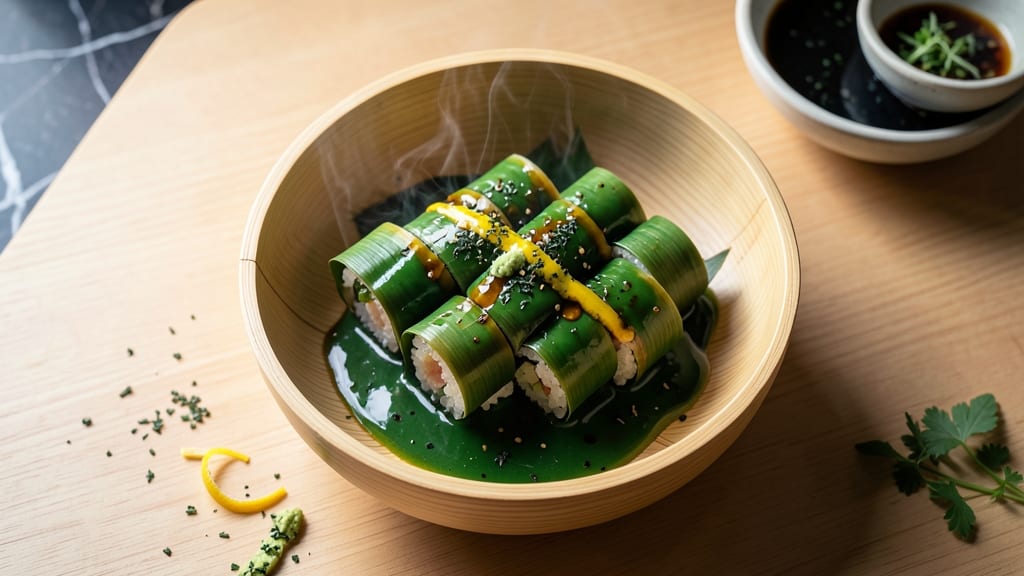
This Bamboo Sushi Green Machine Sauce transforms your sushi experience with a velvety umami crunch that takes just 5 minutes to mix. The secret lies in balancing traditional Japanese flavors—wasabi’s sharp kick, aonori’s oceanic depth, and soy’s savory punch—all blended into a smooth, drizzle-worthy sauce that elevates every bite.
I developed this recipe after craving that signature Bamboo Sushi flavor at home, and it’s now my go-to for sushi nights, sashimi platters, or even as a marinade for quick seared fish.
The sauce’s magic comes from its simplicity: soy sauce, mirin, rice vinegar, and sesame oil form the base, while wasabi and aonori add layers of complexity.
The key technique is whisking everything together while warm—this ensures the wasabi disperses evenly without overpowering, and the aonori dissolves into a silky texture rather than settling at the bottom.
For a pescatarian version, fish sauce or bonito flakes can be added, but a vegan alternative swaps them for extra soy sauce or kombu powder.
What you’ll end up with is a smooth, vibrant green sauce that clings beautifully to sushi rolls, drizzles effortlessly over nigiri, and even enhances grilled shrimp or tofu.
The umami crunch from the aonori and wasabi cuts through the richness of fatty fish, while the sweetness of mirin balances the acidity of rice vinegar. This isn’t just a condiment—it’s a flavor multiplier that turns ordinary sushi into a restaurant-worthy meal.
Store it in an airtight container in the fridge for up to 5 days, or freeze for longer shelf life. The sauce thickens slightly when chilled, so give it a quick whisk before using.
Whether you’re hosting a sushi night or just treating yourself, this 5-minute sauce is the perfect way to bring Bamboo Sushi’s signature taste to your kitchen—no takeout required.
Ingredients for bamboo sushi green machine sauce
Nine ingredients, five minutes—just what you need for restaurant-quality sushi sauce at home.
| Ingredient | Amount | Notes |
|---|---|---|
| Japanese Soy Sauce 🍶 | ½ cup | High-quality, reduced for depth |
| Mirin 🍶 | ¼ cup | Sweet cooking wine, not sub with sugar |
| Rice Vinegar 🍶 | ¼ cup | Seasoned variety preferred |
| Toasted Sesame Oil 🫒 | 1 tbsp | Nutty aroma, not regular cooking oil |
| Fresh Wasabi Paste 🌿 | 1 tbsp | Vibrant green, not powdered |
| Aonori Seaweed Flakes 🌊 | 1 tbsp | Dried, greenish-brown flakes |
| Fresh Ginger 🧄 | 1 tsp | Finely grated, aromatic |
| Fish Sauce 🐟 | 1 tsp | Reduced fish sauce for umami |
| Granulated Sugar 🍚 | 1 tsp | Balances acidity, optional |
The Japanese soy sauce is non-negotiable here—Kikkoman or Hondashi are my go-tos, but any quality brand works. Mirin adds that signature sweetness, so don't skip it (or sub with sugar + sake). For aonori, Japanese specialty stores carry the best, but the dried flakes from Asian markets work perfectly. Fresh wasabi paste is key—it disperses beautifully when whisked warm, unlike powder which can clump. The fish sauce might seem optional, but it's what gives that signature umami depth. If you're avoiding it, add an extra teaspoon of soy sauce and a pinch of kombu powder for a vegan-friendly alternative.
No mirin? Substitute 1 tsp sugar + 1 tbsp dry sake—it won't be identical, but close. Running out of aonori? Dulse flakes at half the amount work in a pinch, though the flavor will be more oceanic than toasty. The sesame oil is non-negotiable for aroma, but if you're sensitive to its taste, reduce to 0.5 tbsp. For a pescatarian boost, add 0.5 tsp bonito flakes (toasted first) or an extra dash of fish sauce. The ginger can be omitted if you dislike its heat, but it adds a nice freshness that complements the umami.
This sauce keeps beautifully—5 days in the fridge in an airtight container. For longer storage, freeze in ice cube trays, then transfer to a bag. Before using, give it a quick whisk to re-emulsify. The texture will thicken slightly when chilled, so a splash of warm water thins it back out if needed. I always make a double batch—one for immediate use and one to freeze for lazy sushi nights. The flavors actually improve after a day or two as everything melds together.
Why You'll Love This Recipe
- Five-Ingredient Magic: I swear, this sauce is the kind of recipe that makes you feel like a sushi chef without the fuss. Just stir together soy sauce, mirin, rice vinegar, a drizzle of toasted sesame oil, and a tiny hit of wasabi—no blending, no straining, just pure umami satisfaction in under five minutes.
- Umami Bomb: That first taste? It’s like a punch to your flavor receptors. The mirin sweetens the sharpness of the soy, while the wasabi cuts through it all—then the sesame oil ties it together with this nutty, toasty warmth. Honestly, I’ve made sushi sauce before, but this? It’s the kind that makes you pause mid-bite.
- Sushi Night or Snack Attack: Between us, this sauce isn’t just for rolls. Drizzle it over steamed veggies for a quick side, toss it with cold noodles for a 10-minute meal, or use it as a dipping sauce for tempura—it’s that versatile. (Yes, even on a Tuesday night when you’re craving takeout but broke.)
- Leftovers That Don’t Let You Down: Make a double batch—trust me, you will. It keeps in the fridge for a week, and the flavors actually deepened after a few days. Plus, it’s cheap: a splash of mirin and a dollop of wasabi go a long way. No wasted ingredients, just pure, repeatable goodness.
Step-by-step instructions for velvety umami crunch sauce
This vibrant green machine sauce comes together faster than you can say "sushi night."
Whisk Together the Liquid Foundation
In a small mixing bowl, combine the 0.5 cup Japanese soy sauce, 0.25 cup mirin, and 0.25 cup rice vinegar. Use a whisk to blend them thoroughly until completely homogeneous. The mirin should dissolve instantly, creating a glossy, amber liquid base with a subtle sweetness that balances the acidity of the vinegar.
This foundational mixture carries the majority of the sauce's flavor profile, so take your time ensuring it's perfectly blended. You'll notice the soy sauce's deep umami character begins to emerge as you stir, setting the stage for the other ingredients to shine. Keep the bowl at room temperature for best results—cold liquids blend less efficiently.
Incorporate the Aromatic Oils and Ginger
Add the 1 tablespoon toasted sesame oil and 1 teaspoon finely grated fresh ginger to the liquid mixture. Whisk vigorously for about 30 seconds until the ginger is completely dissolved and the sesame oil is fully emulsified. The sauce should take on a slightly thicker consistency and develop a delicate, nutty aroma from the sesame oil.
Here's where the magic begins—the toasted sesame oil adds that signature nutty depth while the fresh ginger introduces a bright, zesty note that cuts through the richness. If you notice any ginger particles resisting dissolution, let the mixture sit for 1 minute before whisking again. The heat from your hands will help break down the ginger fibers more effectively.
Build the Texture with Wasabi and Seaweed
In a separate small bowl, combine the 1 tablespoon fresh wasabi paste and 1 tablespoon aonori seaweed flakes. Using a fork, gently crush the aonori flakes into smaller pieces while leaving some texture for that signature crunch. Then, carefully fold this mixture into your liquid base, whisking continuously to distribute evenly.
The wasabi paste will transform your sauce from pale amber to vibrant green, giving it that signature "green machine" appearance. The aonori adds both texture and a briny, oceanic depth that complements the soy sauce's umami. Work quickly here—the wasabi's heat is most potent when fresh, so you'll want to serve this sauce immediately after preparation for the best experience.
Finish with Umami and Balance
Add the 1 teaspoon fish sauce and 1 teaspoon granulated sugar to the mixture. Whisk thoroughly for another 30 seconds until the sugar dissolves completely and the fish sauce integrates smoothly. Taste and adjust the balance—you might want to add a touch more sugar if the acidity feels too sharp, or a splash of rice vinegar if it needs more brightness.
This final step transforms your sauce from good to exceptional. The fish sauce deepens the umami complexity while the sugar subtly rounds out the flavors. The sauce should now have a perfect balance of sweet, salty, umami, and a hint of heat from the wasabi. For optimal texture, let the sauce rest for 2-3 minutes before serving—this allows the ingredients to fully meld together.
Pro Tips For Making Bamboo Sushi Green Machine Sauce
- Whisk Before Heating: Stir the soy sauce, mirin, and rice vinegar together first—don’t just toss them in cold. The mirin will dissolve smoothly, and you’ll avoid clumping when the heat comes on. I used to add mirin last, and it’d turn grainy like sad oatmeal.
- Use Fresh Wasabi: Skip the jarred green paste—it’s basically wasabi-flavored toothpaste. Grate real wasabi root (or buy pre-grated) and mix it in last, right before serving. The heat fades fast, so don’t add it too early, or you’ll regret it.
- Heat Sesame Oil Low: Toast the sesame oil after the sauce simmers—just 10 seconds on low heat. High heat burns it, and you’ll taste bitter smoke instead of nutty aroma. Add it off the heat if you’re nervous, but trust me, low and slow works.
- Balance the Vinegar: Taste before adding all the rice vinegar—it’s easy to overdo it. Start with 1 teaspoon, let it sit, then adjust. Too much turns your sauce into a sad, watery punch. My first batch was undrinkable because I panicked and added too fast.
Make-ahead tips for bamboo sushi green machine sauce
Prep Ahead for Sushi Nights
Make a double batch of this sauce and store it in airtight glass containers in the fridge for up to 5 days. The flavors actually deepen overnight as the wasabi and aonori meld with the soy base.
I like to portion it into small jars (like 4-ounce mason jars) so I can grab just what I need for a quick sushi lunch. 🌿
Freeze for Future Use
For longer storage, freeze the sauce in ice cube trays—each cube makes a perfect single serving. Once frozen, transfer to a ziplock bag and flatten to save space. When ready to use, thaw in the fridge overnight or microwave for 10 seconds on low power.
The texture will be slightly thicker after freezing, so whisk with 1 teaspoon warm water to restore smoothness.
Pre-Mix Dry Ingredients
If you're short on time, pre-mix the aonori flakes and wasabi paste in a small container. Store it in the fridge for up to 3 days—just add this pre-mix to your freshly whisked liquid base when ready to serve.
This hack saves 2 minutes of prep time during busy weeknights. Keep the wasabi paste in the freezer to preserve its potency longer.
Make a Vegan Batch
Prepare a vegan version by omitting the fish sauce and replacing it with 1 extra teaspoon soy sauce plus ½ teaspoon kombu powder. Store this version separately in a labeled container—it keeps just as well as the original.
The kombu adds a subtle oceanic depth that mimics the umami of fish sauce beautifully. Label clearly to avoid mix-ups during sushi prep. ✨
Sauce as a Marinade
Use leftover sauce as a quick marinade for shrimp or tofu—just coat for 10-15 minutes before grilling or pan-searing. The wasabi and aonori add incredible texture contrast to cooked proteins.
Store marinated proteins separately in the fridge for up to 2 days, then cook as needed. This doubles as a flavorful dipping sauce after cooking.
Revive Stale Sauce
If your sauce thickens or separates in the fridge, revive it by whisking in 1 teaspoon warm water or rice vinegar. For extra richness, add ½ teaspoon toasted sesame oil.
The sauce should return to its velvety consistency within 1 minute of whisking. This trick works even with frozen-thawed sauce that's lost some vibrancy. 💡
Nutrition facts
Frequently asked questions
Why does this sauce turn bright green?
The vibrant green color comes from the fresh wasabi paste and aonori seaweed flakes. The wasabi's natural pigments blend with the soy base, while the aonori adds a toasty, oceanic depth that enhances the visual appeal. This signature color is what gives it the "green machine" name—it's the same bright hue you'd find in many Japanese sushi restaurants!
Can I make this sauce without wasabi?
Yes! For a milder version, replace the 1 tbsp wasabi with ½ tsp wasabi powder mixed with 1 tsp water to create a paste. Alternatively, add ½ tsp extra ginger or a pinch of green tea powder to maintain the green color while reducing the heat. The umami will still shine through, just with less spice.
How spicy is this sauce?
The heat level is moderate—similar to a standard wasabi serving. The 1 tbsp fresh wasabi provides a noticeable kick but won't overpower the dish. For a milder option, reduce to ½ tbsp wasabi or add 1 extra tsp sugar to balance the spice. Always taste before serving to adjust to your preference!
What's the best way to use this sauce?
This sauce is perfect for drizzling over sushi rolls, nigiri, or sashimi—it clings beautifully to rice and fish. You can also use it as a dipping sauce for tempura or grilled shrimp. For extra texture, sprinkle extra aonori flakes on top before serving. The vibrant color makes it great for plating too!
Why did my sauce separate?
Separation usually happens when the sauce chills too quickly or if the wasabi/oil isn't fully emulsified. To fix it, whisk in 1 tsp warm water or rice vinegar until smooth. For prevention, whisk vigorously when mixing and let it rest for 2-3 minutes before using. The sauce should thicken slightly when refrigerated—just whisk before serving!