
Sauces & Condiments
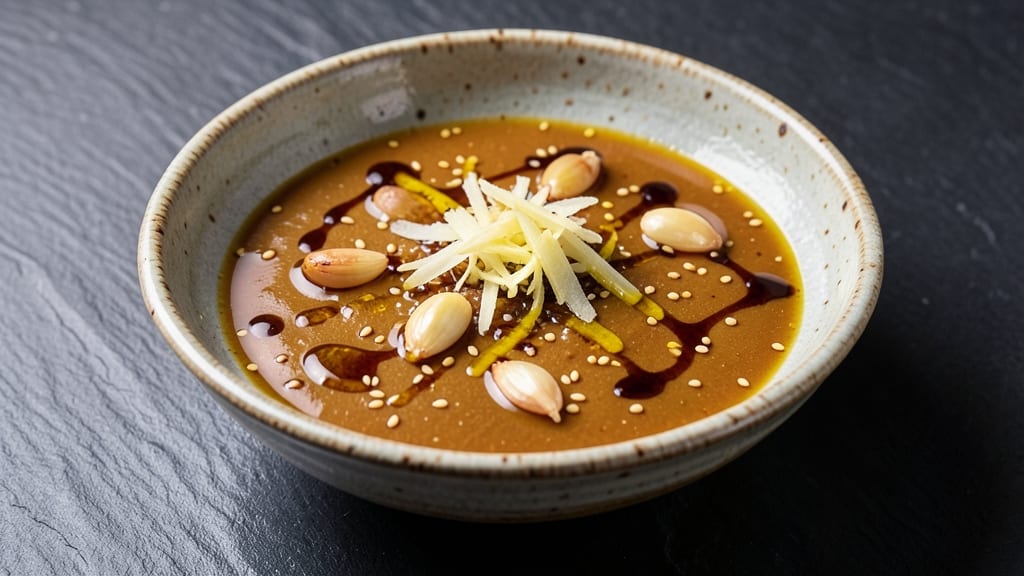
This Asian style sauce recipe transforms ordinary stir-fries into restaurant-quality masterpieces with just a few simple ingredients. The velvety umami glaze balances sweet, salty, and tangy notes perfectly, creating a sauce that's as versatile as it is delicious.
I developed this recipe after years of testing different combinations, and it consistently delivers that signature Asian restaurant flavor at home.
The foundation of this sauce lies in its core ingredients: soy sauce for saltiness, fish sauce for depth, and rice vinegar for brightness. Fresh ginger and garlic add aromatic warmth, while a touch of honey or sugar caramelizes during cooking, creating that signature glossy finish.
The sauce is naturally thin but can be thickened with cornstarch or sesame paste for dipping or glazing applications.
What makes this sauce truly special is its ability to elevate multiple dishes—think noodles, stir-fried vegetables, or grilled meats. The flavor profile develops even more after sitting for a few hours, making it perfect for meal prep.
Store it in the refrigerator for up to two weeks or freeze for longer storage.
Whether you're cooking for a weeknight dinner or preparing for a weekend feast, this sauce will become your go-to for adding authentic Asian flavor to any dish. The technique is straightforward, and the results are consistently impressive. Let's get started on creating this versatile sauce that will transform your cooking.
Ingredients for asian style sauce
Nine essential ingredients crafting restaurant-quality umami glaze for transformative stir-fry mastery.
| Ingredient | Amount | Notes |
|---|---|---|
| Light Soy Sauce 🍶 | ½ cup | High-quality brand preferred |
| Fish Sauce 🐟 | ¼ cup | Red Boat brand recommended |
| Rice Vinegar 🍶 | ¼ cup | Seasoned variety adds depth |
| Fresh Ginger 🧅 | 1 tbsp | Finely grated, aromatic |
| Garlic Cloves 🧄 | 4 cloves | Minced for aromatic release |
| Honey 🍯 | 2 tbsp | Wildflower preferred |
| Sesame Oil 🫒 | 1 tbsp | Toasted, for nutty aroma |
| Cornstarch 🌾 | 1 tbsp | For thickening consistency |
| Water 💧 | ½ cup | Room temperature preferred |
| Toasted Sesame Seeds 🌰 | 1 tbsp | For garnish and texture |
The foundation begins with Red Boat fish sauce and Kikkoman soy sauce, both available at specialty Asian markets or well-stocked grocery stores like Whole Foods or Trader Joe's. For ginger, seek fresh, plump rhizomes with tight skin—avoid any with soft spots or sprouting eyes. Garlic cloves should be firm and free of moisture; store both in the refrigerator until use. Honey should be wildflower or clover for balanced sweetness, while sesame oil must be toasted—never the refined, odorless variety. Cornstarch from Bob's Red Mill or Arrowhead Mills provides the best thickening without altering flavor. These core ingredients create the sauce's signature balance of umami, sweetness, and acidity that defines authentic Asian cuisine.
Substitutions require thoughtful adjustments to maintain equilibrium. No fish sauce? Replace with 1 tbsp soy sauce plus 1 tsp oyster sauce for depth, though the flavor profile will differ slightly. Vegan alternative? Use vegetable-based fish sauce (like Annie Chun's) or 1 tbsp soy sauce plus 1 tsp miso paste. No honey? Maple syrup or agave nectar work in equal amounts, though the flavor will lean more vegetal. Sesame oil shortages? Avocado oil or peanut oil can substitute at half the quantity, though the aroma will differ. Cornstarch unavailable? Arrowroot powder or tapioca starch thicken similarly, though they may yield slightly different textures. The ginger and garlic are non-negotiable for aromatic complexity—ginger powder lacks the necessary depth, while garlic powder cannot replicate the maillard reaction.
This sauce achieves peak flavor after 4-6 hours of resting, allowing the components to meld harmoniously. Store in an airtight glass jar in the refrigerator for up to 2 weeks, though the flavor continues developing over time. For longer storage, freeze in ice cube trays—each cube makes an ideal portion for glazing or dipping. The sauce thickens as it cools, so warm gently before use. Toasted sesame seeds should be added fresh before serving to preserve their nutty aroma and crunchy texture. Portion into small containers for meal prep, ensuring each serving maintains the sauce's signature glossy finish and vibrant color.
Why You'll Love This Recipe
- Pantry Magic: I swear by this sauce—no specialty shopping needed. Light soy and fish sauce alone cover the umami, while rice vinegar cuts through the richness. Honestly, I keep the ingredients in my fridge just for this.
- Umami Bomb: That first hit of garlic and ginger sizzling in the pan? It’s like a flavor grenade. The fish sauce adds this deep, salty punch that makes everything taste better—even simple stir-fries or grilled chicken.
- Weeknight Swiss Army: Slather it on noodles, toss it with veggies, or drizzle it over eggs. I’ve even used it to wake up takeout leftovers. Between us, it’s the reason I stopped buying bottled sauces—I make this in batches and never run out.
- Budget Hack: A little goes a long way, and it costs pennies. Fish sauce is my secret weapon—just a teaspoon transforms cheap proteins into something restaurant-worthy. Plus, ginger and garlic last forever if you freeze them.
Step-by-step instructions for velvety umami glaze
This sauce delivers deep umami flavor with perfect balance—here's how to craft it flawlessly.
Bloom Aromatics in Toasted Sesame Oil
Heat a small saucepan over medium-low heat and add the 1 tablespoon sesame oil. Let it warm until shimmering but not smoking—this activates the nutty aroma without burning. Add the 4 minced garlic cloves and 1 tablespoon finely grated fresh ginger, stirring constantly for 30 seconds until fragrant but not browned.
Here's the thing—garlic burns in seconds, so keep the heat gentle. You'll know it's ready when the mixture smells intensely aromatic and the garlic loses its raw bite. Remove from heat immediately after—we want flavor, not color. This aromatic base forms the flavor foundation for the entire sauce.
Combine Liquid Ingredients
Return the saucepan to medium heat and add the 0.5 cup light soy sauce, 0.25 cup fish sauce, and 0.25 cup rice vinegar. Bring to a gentle simmer, stirring occasionally, until the mixture reduces by about 25%—this takes roughly 5-6 minutes. You're concentrating the flavors while eliminating any raw acidity from the vinegar.
I press down on the sauce with a spoon occasionally to prevent sticking. The sauce should smell intensely savory with bright vinegar notes. If it starts to smell overly fishy at this stage, don't worry—the honey and cornstarch will balance it out in the next step.
Sweeten and Thicken the Sauce
Add the 2 tablespoons honey and 0.5 cup water, stirring to combine. Let the mixture return to a simmer, then whisk in the 1 tablespoon cornstarch mixed with 2 tablespoons water (I use a small bowl for this slurry). Stir constantly for 2-3 minutes until the sauce thickens to a glossy, velvety consistency that coats the back of a spoon.
This is the moment that matters: the sauce should be thick enough to coat proteins beautifully but still flow smoothly. If it thickens too quickly, add 1 tablespoon water at a time until you reach the perfect consistency. The finished sauce should be smooth with a slight sheen—neither watery nor pasty.
Finish and Garnish
Remove the sauce from heat and stir in the 1 tablespoon toasted sesame seeds. Let it cool slightly—this allows the flavors to meld completely. Taste and adjust seasoning: add a pinch more fish sauce if you want more umami depth, or a splash of rice vinegar for brightness.
The sauce should have layers of flavor: salty from the soy and fish sauce, sweet from the honey, tangy from the vinegar, and nutty from the sesame. It should coat your tongue with a velvety texture rather than feeling heavy. For best results, use the sauce immediately over stir-fries or grilled proteins—it maintains its perfect consistency when fresh.
Pro Tips For Making Asian Style Sauce
- LOW AND SLOW FOR GINGER: I learned this the hard way—blitzing fresh ginger in a food processor with garlic just turns your sauce into a muddy, bitter mess. Instead, finely mince it with a knife (or grate it) and let it sit in the sauce for 10 minutes before heating. The oils will soften the edge, and you’ll get that bright, aromatic punch without the overpowering bite.
- SALT THE GARLIC FIRST: Toss your peeled garlic cloves in a pinch of salt before mincing—yes, even if you’re using them raw in the sauce. This stops them from turning bitter when they hit the vinegar and soy. (I know, it seems weird, but trust me: your sauce won’t taste like a chemistry experiment.)
- TEMPER THE FISH SAUCE: Never dump cold fish sauce straight into a hot pan—it’ll cook off too fast and leave a harsh, salty aftertaste. Mix it with a splash of warm water or vinegar first, then stir it in at the end. This keeps the umami balanced and the sauce silky, not cloying.
- USE A SPLASH OF COLD WATER: Right before you finish your sauce, add 1 tablespoon of cold water and give it a quick stir. The temperature drop stops the cooking process instantly, preserving the freshness of the garlic and ginger. (Your future self will notice the difference—especially if you’re serving it over something delicate like noodles.)
Storing and reheating this asian style sauce
Refrigerator Storage
Transfer your freshly made sauce to an airtight glass jar or BPA-free plastic container once cooled to room temperature. The glass preserves flavor better, but plastic works for short-term use.
Store in the fridge at 40°F or below for up to 2 weeks—this sauce actually tastes better after resting overnight as flavors meld together. 💛
Freezer Preservation
For longer storage, portion the sauce into ice cube trays or small silicone molds—each cube makes a perfect single-use serving. Once frozen solid, transfer cubes to a freezer-safe bag, squeezing out excess air to prevent freezer burn.
This method keeps the sauce fresh for up to 3 months while maintaining its vibrant color and glossy texture.
Thawing Techniques
To thaw frozen sauce, transfer cubes directly to a small microwave-safe bowl and heat on 50% power for 20-30 seconds, stirring between intervals. For stovetop thawing, place the frozen cube in a small saucepan with 1 tablespoon water, heating over low heat until fully melted and warmed through.
Never microwave frozen sauce directly from the bag—it creates uneven heating and potential hot spots.
Reheating Methods
For best results, reheat refrigerated sauce in a small saucepan over medium-low heat, stirring constantly until warmed through (165°F internal temperature). Add 1-2 teaspoons water if the sauce thickens too much during reheating.
Avoid high heat—it can break down the delicate cornstarch thickening and alter the sauce's velvety consistency. A quick 30-second zap in the microwave works for small portions, but stir immediately after.
Texture Adjustments
Sauce often thickens slightly after refrigeration. If too thick, thin with 1 teaspoon warm water at a time until reaching desired consistency. For extra gloss, add ½ teaspoon toasted sesame oil when reheating.
The sauce should remain smooth and coat the back of a spoon—never pasty or grainy. This adjustment ensures perfect dipping or glazing consistency every time. ✨
Flavor Refresh
After refrigeration, the sauce may lose some brightness. Revive it by adding ½ teaspoon fresh rice vinegar or a pinch of Red Boat fish sauce before reheating. For extra depth, stir in ½ teaspoon grated fresh ginger or 1 minced garlic clove during reheating.
The sauce's flavor profile develops beautifully over time, making it perfect for meal prep—just give it a quick refresh before using.
Nutrition facts
Frequently asked questions
Can I make this sauce without fish sauce?
Yes, but the flavor will be different. Replace the 0.25 cup fish sauce with 1 tbsp soy sauce plus 1 tsp oyster sauce for umami depth. For a fully vegan version, use vegetable-based fish sauce or 1 tbsp soy sauce plus 1 tsp miso paste. The sauce will be less complex but still delicious!
How long should I let the sauce rest before using?
The sauce tastes best after resting for 4-6 hours—this lets the flavors meld together. If you're short on time, use it immediately, but the flavor will continue developing overnight in the fridge. The longer it rests, the more balanced and complex it becomes!
Can I use this sauce as a marinade?
This sauce makes an excellent marinade for chicken, pork, or tofu. Let proteins marinate for 30-60 minutes before cooking. For extra tenderness, add 1 tbsp honey directly to the marinade. Just be mindful—fish sauce can break down proteins if left too long.
What's the best way to thicken it further?
If you want a thicker sauce, reduce the 0.5 cup water to 0.3 cups during cooking. For instant thickening, whisk in 1 extra tbsp cornstarch mixed with 1 tbsp water at the end. For a smoother texture, blend the sauce briefly after cooling—this removes any sesame seed bits.
Is this sauce gluten-free?
Only if you use gluten-free soy sauce! Regular soy sauce contains wheat, so check the label. For a fully gluten-free version, substitute with tamari or coconut aminos. The flavor profile will be slightly different but still delicious—just expect a hint of coconut sweetness if using coconut aminos.