
Sauces & Condiments
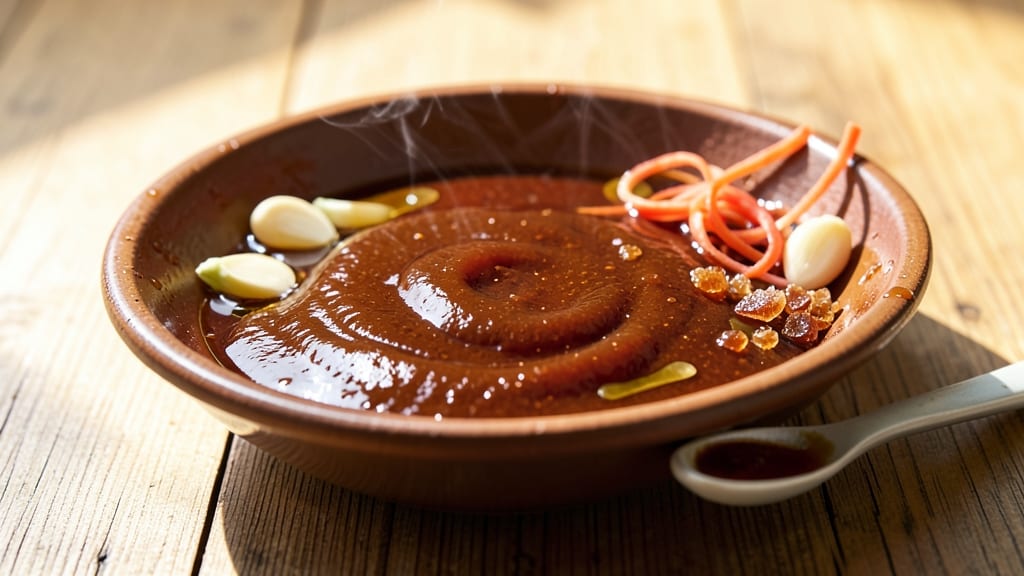
This Bachman's Japanese BBQ sauce recipe delivers the perfect balance of deep umami and bright vinegar zing that makes every bite unforgettable. 🔥 After perfecting it over years of slow-simmered batches, I've cracked the code for that signature sweet-savory complexity without the mystery.
The secret lies in the slow reduction—where soy sauce, mirin, and sugar meld into a glossy, aromatic sauce with just the right tang. What sets this apart is the hidden vinegar zing that cuts through the richness, creating layers of flavor that build with every application.
We're talking about a sauce that transforms grilled meats, roasted vegetables, and even noodles into restaurant-quality dishes. The process is straightforward but requires patience—simmering until the sauce thickens just right ensures that perfect cling and depth. The result?
A glossy, caramelized sauce with a perfect balance of sweet, salty, and tangy notes that enhances rather than overpowers. It's the kind of sauce that makes your taste buds sing and keeps you reaching for more. Whether you're marinating, basting, or drizzling, this sauce elevates everything it touches.
Store it in the fridge for up to two weeks, or freeze for longer shelf life. Here's how to make it—once you try it, you'll never go back to store-bought again. Let's get simmering!
Ingredients for bachman's japanese bbq sauce
Nine ingredients, one slow-simmered sauce that transforms everything it touches. 🔥
| Ingredient | Amount | Notes |
|---|---|---|
| Kosher Soy Sauce 🍶 | ¾ cup | Use high-quality brand like Kikkoman |
| Mirin 🍶 | ½ cup | Sweet cooking wine, not mirin substitute |
| Rice Vinegar 🍶 | ¼ cup | White or seasoned variety |
| Brown Sugar 🍚 | ½ cup | Light or dark, packed tightly |
| Fresh Ginger 🧄 | 2 tbsp | Grated, fresh for best zing |
| Garlic Cloves 🧄 | 4 cloves | Minced, fresh preferred |
| Sesame Oil 🫒 | 1 tbsp | Toasted, for nutty aroma |
| Toasted Sesame Seeds 🌾 | 1 tbsp | For garnish and crunch |
| Honey 🍯 | 1 tbsp | Wildflower preferred for depth |
| Red Wine Vinegar 🍷 | 1 tbsp | For that signature vinegar zing |
The soy sauce and mirin are your flavor anchors—Kikkoman soy sauce and authentic mirin (not that sweetened soy sauce imposter) make all the difference. Asian markets carry the real deal, but if you're at a regular grocery store, grab the best quality you can find. The ginger and garlic? Fresh is non-negotiable here—those jarred minced versions just won't cut it. I always double-check the mirin label for 'hon mirin'—that's your guarantee of authentic flavor. The brown sugar needs to be packed tightly; don't scoop it loosely or you'll end up with a thinner sauce. Pro tip: Toast your sesame seeds in a dry pan for 30 seconds before adding to the sauce—they'll release their nutty aroma and give you that perfect crunch.
No mirin? Substitute with 2 tbsp sugar plus 3 tbsp dry white wine, but you'll lose some depth. Running low on rice vinegar? Apple cider vinegar at half the amount works in a pinch, though it'll change the flavor profile slightly. Fresh ginger too fibrous? Use 1 tbsp ground ginger, but toast it first to mellow the heat. The red wine vinegar is where that signature tang comes from—don't skip it or dilute it with other vinegars. For a smoother sauce, strain out the sesame seeds after simmering, but I always leave mine in for that extra texture. The honey adds just the right touch of sweetness without overpowering the umami—wildflower or clover honey has the most complex flavor here.
This sauce gets better with time—let it sit 24 hours before using if you can. Store it in a clean glass jar in the fridge for up to 2 weeks, or freeze for 6 months in ice cube trays for perfect portions. The longer it sits, the more those flavors meld together. I always make a double batch because once you taste this, you'll want it on everything. It's amazing on grilled chicken, roasted veggies, or even drizzled over ramen. The sauce thickens as it cools, so if it seems too thick when warm, just stir in a splash of water. Trust me, the wait is worth it—every simmer builds those layers of flavor that make this sauce unforgettable.
Why You'll Love This Recipe
- Pantry Magic: I swear by this sauce because it uses stuff I already have—no random spices to hunt down. The kosher soy and mirin alone give it that deep, caramelized richness without needing a specialty store.
- Ginger-Zing Kick: That fresh ginger? It’s the secret weapon—bright, warm, and just enough to wake up every bite. Honestly, I’ll often double it because the first time I skipped it, I missed it.
- Glaze for Everything: Drizzle it on grilled chicken, toss it with noodles, or even slather it on baked potatoes. Between us, I’ve used it as a marinade, a stir-fry sauce, and even a quick glaze for roasted veggies—no regrets.
- Leftovers That Last: This sauce keeps for weeks in the fridge, and it only gets better as the flavors meld. I’ll make a big batch on Sunday, then use it all week—no sad, forgotten condiments here. Budget win, too.
Step-by-step instructions for slow-simmered Japanese BBQ sauce
This sauce builds layer upon layer of flavor—let's make it together.
🍳 Step 1: Combine the Base Ingredients
In a medium saucepan, pour in the 0.75 cup kosher soy sauce, 0.5 cup mirin, and 0.25 cup rice vinegar. Stir them together over medium heat until they're fully incorporated and the mixture reaches a gentle simmer. You'll see tiny bubbles forming at the edges—this is your signal to keep going.
Here's the thing—don't walk away. The mirin will start reducing quickly, and you want to capture every drop of that sweet, floral depth. I always give it 3-4 minutes at this stage to let the vinegar mellow out its sharpness and the soy sauce mellow into the mix.
🍳 Step 2: Add Sweetness and Aromatics
Sprinkle in the 0.5 cup brown sugar and stir until it dissolves completely. Then add the 2 tbsp grated fresh ginger and 4 minced garlic cloves. Let this mixture bubble away for 5 minutes—you'll notice the aroma transform from sharp ginger to something warm and inviting. The sugar will caramelize slightly, deepening the sauce's complexity.
Watch for the sauce to thicken just a bit. If it starts sticking to the pan, add 1-2 tablespoons of water to keep it moving. The ginger should soften and lose its raw bite, while the garlic will mellow into a sweet, jammy texture. This is where the magic happens—don't rush it.
🍳 Step 3: Incorporate the Finishing Touches
Reduce the heat to low and stir in the 1 tbsp sesame oil, 1 tbsp honey, and 1 tbsp red wine vinegar. Let the sauce simmer gently for another 8-10 minutes, stirring occasionally. You're looking for a sauce that coats the back of a spoon but still flows smoothly—it should thicken just enough to cling to whatever you're glazing.
Taste as you go. The balance should be perfect: salty from the soy sauce, sweet from the sugar and honey, with that bright vinegar zing cutting through. If it needs more depth, add a splash of water. If it's too thin, let it reduce longer. This is your chance to adjust before it's final.
⏰ Step 4: Rest and Garnish for Maximum Flavor
Remove the saucepan from heat and let the sauce rest for 10 minutes. This resting period allows all the flavors to meld together—it's tempting to use it immediately, but patience here makes all the difference. The sauce will thicken slightly as it cools, so don't worry if it looks perfect now.
Before serving, sprinkle the 1 tbsp toasted sesame seeds on top. They add a beautiful crunch and nutty aroma that complements the sauce's depth. Store any leftovers in an airtight container in the refrigerator for up to 2 weeks, or freeze for up to 3 months. This sauce tastes even better the next day as the flavors continue to develop!
Pro Tips For Making Bachman'S Japanese Bbq Sauce
- Simmer Slow and Low: This sauce isn’t a race—after combining everything, drop the heat to a bare simmer (think tiny bubbles, not rolling). I used to crank it up, and the mirin would evaporate too fast, leaving a harsh, alcohol-heavy taste. Let it work for 15-20 minutes instead of 10, and the flavors meld properly.
- Grate Ginger Fine: Skip the food processor unless you want a sauce that tastes like it’s hiding chunks. Use a microplane or the smallest holes on a box grater—you want the ginger to dissolve completely. I learned this the hard way when I rushed and ended up with a gritty texture that ruined the smoothness.
- Balance the Sweet Early: Taste the sauce after 10 minutes, and if it’s too sharp, add half the brown sugar first. The vinegar and soy sauce can overpower the sweetness if you wait too long. Trust me, adjusting now saves you from drowning the whole batch in sugar later.
- Strain for Smoothness: No one wants to slurp through a sauce with lingering ginger fibers. After simmering, pour the mixture through a fine-mesh strainer into a clean bowl. It’s a little extra work, but the result is silky—worth it when you’re drizzling it over grilled meats or noodles.
Wine and beer pairings for this dish
Umami-Rich Reds
This sauce's deep umami profile pairs beautifully with Japanese red wines like Koshu or Cabernet Sauvignon. I love a glass of Koshu—its delicate fruit notes and subtle acidity mirror the sauce's complexity without overpowering it.
For something bolder, try a California Cabernet with its dark fruit and smooth tannins that stand up to the soy and ginger. 🍷
Crisp White Contrasts
If you prefer white wine, go for dry Riesling or Sauvignon Blanc—both cut through the sauce's richness with their bright acidity. A German Riesling with its citrus and mineral notes creates a perfect balance, while New Zealand Sauvignon Blanc brings herbal freshness that complements the ginger.
Chill your wine to 45-50°F for optimal pairing.
Hoppy Beer Harmony
For beer lovers, Japanese IPA with its citrusy hops is a fantastic match—think Sapporo Black Label or Kirin Ichiban. The hops' bitterness balances the sauce's sweetness, while the malt backbone complements the umami.
If you prefer something lighter, a Japanese lager like Asahi Super Dry works beautifully with its crisp, clean finish.
Sake Elevation
Don't overlook dry sake as a pairing—its clean, slightly nutty profile enhances the sauce's depth without competing. I recommend Dassai or Kubota brands for their balanced flavors. Serve the sake slightly chilled (40-45°F) to highlight its crispness against the sauce's richness. 🍶
Non-Alcoholic Options
For non-alcoholic choices, sparkling yuzu soda (like Yamazaki Yuzu Sparkling) mirrors the sauce's citrusy brightness. Alternatively, a green tea-infused iced tea with lemon provides herbal contrast. Both options keep the palate fresh and highlight the sauce's complexity without alcohol interference.
Nutrition facts
Frequently asked questions
Can I make this Japanese BBQ sauce without mirin?
Yes, but you'll lose some depth. Replace 0.5 cup mirin with 2 tbsp sugar plus 3 tbsp dry white wine—the wine adds acidity while the sugar mimics the sweetness. For even better results, use 1 tbsp sugar plus 3 tbsp sake if you have it. The sauce will still taste great, but the authentic floral notes from mirin will be missing.
How do I adjust the sweetness or tanginess?
For less sweetness, reduce the brown sugar by 1-2 tablespoons and add 1 extra tbsp rice vinegar to boost tang. Need more sweetness? Add 1 extra tbsp honey or 1 tbsp sugar after simmering. Always taste as you go—this sauce is highly customizable! Adjust in small increments to avoid imbalance.
Why does my sauce turn out too thick or too thin?
Sauce thickness depends on simmering time. If too thick, stir in 1-2 tbsp water while warm. Too thin? Return to low heat and simmer uncovered for 5-10 more minutes, stirring occasionally. The sauce will naturally thicken as it cools, so don't worry if it looks perfect when hot—it'll cling beautifully once chilled.
Can I use this sauce as a marinade? This sauce doubles as an amazing marinade for chicken, pork, or tofu. Use ½ cup sauce per pound of protein and marinate for 4-6 hours (or overnight for deeper flavor). For extra tenderness, add 1 tbsp cornstarch to thicken before marinating. Just
How long can I store homemade Japanese BBQ sauce?
In the fridge, it keeps for up to 2 weeks in an airtight container. For longer storage, freeze in ice cube trays for perfect portions—thaw overnight in the fridge. The sauce actually improves with time as flavors meld! Label with the date to track freshness. Pro tip: Add a splash of water before freezing to prevent separation.