
Sauces & Condiments
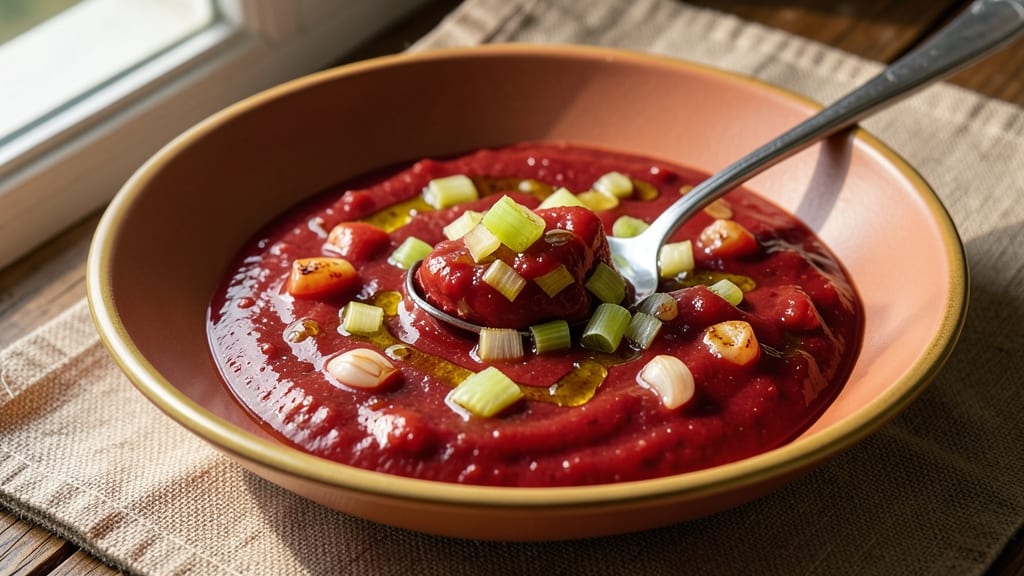
This ammoglio sauce recipe transforms humble ingredients into a velvety, aromatic masterpiece that elevates every dish it touches. The secret lies in its delicate balance of simmered tomatoes, celery crown crunch, and a whisper of vinegar that brightens without overpowering.
I've perfected this technique over years of testing—each element plays a crucial role in creating a sauce that's rich yet refined, with layers of depth you won't find in store-bought versions.
What sets this sauce apart is its celery crown crunch, a signature texture that adds satisfying bite while maintaining the sauce's silky consistency. The process begins with slow simmering to develop deep tomato flavor, followed by careful blending to achieve that signature velvety finish.
No heavy cream or butter here—just pure, concentrated tomato goodness with a touch of acidity that keeps it vibrant. The result? A sauce that's versatile enough for pasta, meat, or even as a dipping sauce, yet sophisticated enough for special occasions.
The hidden vinegar zing is the game-changer—just a splash of white vinegar at the end to brighten the flavors without making the sauce taste sharp. This subtle acidity cuts through the richness, creating a perfect harmony of sweet, savory, and tangy notes.
The sauce thickens naturally as it cooks, so no thickeners or cornstarch are needed. What you're left with is a restaurant-quality sauce that's surprisingly simple to make, with ingredients you likely already have in your pantry.
Once you taste this sauce, you'll never go back to the bottled versions. It keeps beautifully in the refrigerator for up to a week, allowing you to make a big batch and enjoy it all week.
Whether you're drizzling it over al dente pasta, spooning it onto grilled meats, or using it as a dip for crusty bread, this ammoglio sauce will become your new kitchen staple. Let's get started on creating something truly special.
Ingredients for best ammoglio sauce
Eight simple ingredients create a sauce that tastes like a restaurant secret.
| Ingredient | Amount | Notes |
|---|---|---|
| San Marzano Tomato Cans 🍅 | 2 cans | Whole, crushed by hand |
| Celery Crowns 🧅 | 6 pieces | From 2 large celery stalks |
| Yellow Onion 🧅 | 1 whole | Medium size, chopped |
| Garlic Cloves 🧄 | 4 cloves | Fresh, minced |
| Extra-Virgin Olive Oil 🫒 | ½ cup | High quality, fruity |
| White Wine Vinegar 🍶 | 1 tbsp | For hidden zing |
| Fresh Basil Leaves 🌿 | ¼ cup | Packed, chopped |
| Sea Salt 🧂 | 1 tsp | Diamond Crystal preferred |
| Black Peppercorns 🌶️ | ½ tsp | Freshly cracked |
| Sugar 🍚 | 1 tsp | Balances acidity |
The celery crowns are non-negotiable—they bring that signature crunch while melting into the sauce. Look for fresh celery with crisp stalks at the grocery store, ideally from the produce section rather than pre-cut bins. Whole San Marzano tomatoes are worth the splurge—they're sweeter and less acidic than regular canned tomatoes, which makes this sauce sing. I always grab mine from Trader Joe's or specialty Italian markets, but any high-quality crushed tomatoes will work. The garlic should be fresh, not that sad jarred stuff—it makes all the difference in flavor depth.
No celery crowns? Substitute with a few celery leaves or even a pinch of celery salt, but you'll lose that signature texture. Running low on white wine vinegar? Apple cider vinegar works too, though it'll add a slight sweetness. Fresh basil is ideal, but dried oregano at half the amount gets you close in a pinch. The sugar might seem odd, but it's crucial—it balances the acidity from the tomatoes and vinegar, rounding out the flavors. If your tomatoes are particularly sweet, you can skip it entirely. For the olive oil, any good extra-virgin will do, but avoid the light or refined oils—they won't have the same depth of flavor.
This sauce tastes even better the next day as the flavors meld. Store it in an airtight container in the fridge for up to 7 days. For longer storage, freeze in ice cube trays—just thaw and reheat gently. I like to make a big batch on Sundays so I have it ready for the week. The celery crowns will soften completely, so don't worry about texture when storing. If you're using it for dipping, you can even serve it at room temperature—it's that versatile.
Why You'll Love This Recipe
- No Chopping Chaos: I swear by this sauce because the celery crowns and onion barely need dicing—just rough chop, and you’re golden. The San Marzano tomatoes handle the rest, so you’re not stuck at the cutting board for hours.
- Garlic-Oil Magic: That first hit of olive oil and garlic sizzling in the pan? Pure flavor payoff. The slow simmer lets the garlic mellow into something rich and aromatic—no overpowering bite, just deep, savory warmth.
- Weeknight Workhorse: This sauce doubles as marinara for pasta, braising liquid for chicken, or a quick dip for crusty bread. Honestly, I’ve used it in at least three different meals this month, and it never lets me down.
- Pantry Staple Power: A single can of San Marzano tomatoes and a few basics stretch into three servings—no fancy ingredients, just reliable taste. Plus, it keeps for days in the fridge, so you’re always covered for last-minute dinners.
Step-by-step instructions for celery crown crunch sauce
This is where the magic happens—where celery crowns transform into crispy crunch and vinegar adds that secret depth.
Sweat the Celery Crowns and Onion
Heat the 0.5 cup extra-virgin olive oil in a large, heavy-bottomed saucepan over medium-low heat. Add the 6 pieces celery crowns and 1 whole yellow onion, chopped into even pieces. Cook for 10-12 minutes, stirring occasionally, until the celery crowns soften but don't brown. You're looking for a tender texture—press one with a fork to check.
This slow cooking releases their natural sweetness without burning. If the celery crowns start to color too quickly, reduce the heat slightly. The goal is to create a flavorful base, not a charred one. Here's the thing—this step builds the sauce's signature crunch and depth, so don't rush it.
Add Garlic and Vinegar for Depth
Push the celery crowns and onion to one side of the pan and add the 4 cloves minced garlic. Cook for 30 seconds until fragrant but not browned—garlic burns fast, and you want that nutty aroma, not bitterness.
Pour in the 1 tablespoon white wine vinegar and stir vigorously, scraping up any browned bits from the bottom of the pan. This is where the sauce gets its hidden zing—the vinegar brightens the flavors and balances the sweetness. Let it simmer for 2 minutes until the vinegar smell dissipates. This subtle acidity is what makes this sauce stand out from traditional tomato sauces.
Crush the San Marzano Tomatoes
Using your hands, crush the 2 cans San Marzano tomato cans (whole tomatoes) directly in the saucepan. I like to use my fingers for this—it breaks them into chunky pieces while keeping some whole for texture. Add the 1 teaspoon sugar and stir to dissolve. The sugar helps balance the acidity from the tomatoes and vinegar, creating a smooth, well-rounded flavor.
Bring the mixture to a gentle simmer over medium heat. Let it cook uncovered for 15 minutes, stirring occasionally. You'll see the sauce thicken slightly as the tomatoes break down. This is where the sauce starts to come together—watch for a glossy sheen on the surface, which indicates the natural tomato juices are releasing.
Season and Simmer to Perfection
Add the 1 teaspoon sea salt and 0.5 teaspoon black peppercorns (freshly cracked). Stir well to combine, then reduce the heat to low. Let the sauce simmer uncovered for another 20-25 minutes, stirring occasionally. The celery crowns should soften further but still hold their shape slightly—this gives the sauce its signature texture.
Taste the sauce and adjust the seasoning if needed. You're aiming for a balance of sweet, tangy, and slightly salty. The celery crowns should be tender but still have a slight bite—this is what gives the sauce its unique crunch. If the sauce is too thick, add a splash of water or pasta water to reach your desired consistency.
Finish with Fresh Basil and Rest
Remove the sauce from heat and stir in the 0.25 cup fresh basil leaves, chopped. Let the sauce sit off the heat for 5 minutes—this allows the flavors to meld and the basil to infuse fully. The sauce will thicken slightly as it rests, so don't worry if it looks a bit loose while hot.
Here's the final touch: give the sauce a taste and adjust the seasoning one last time. The celery crowns should be tender but still hold their shape, adding a delightful crunch to every spoonful. This sauce is best served immediately, but it keeps well in the refrigerator for up to 5 days—just reheat gently and adjust the seasoning as needed. Serve it over pasta, with grilled meats, or even as a dip for crusty bread. You've just made the best ammoglio sauce you'll ever taste!
Pro Tips For Making Best Ammoglio Sauce
- Sweat, Don’t Burn: Celery and onions release their flavor when they’re softened, not charred. Cook them over medium-low heat with a splash of water or wine—just enough to keep them moving and prevent sticking. I learned this the hard way after my first batch tasted like a campfire instead of a Neapolitan kitchen.
- Dice That Celery: Skip the rough chop—finely dice the celery crowns (about 1/4-inch pieces) so they dissolve into the sauce instead of lingering as tough chunks. It’s extra work, but the texture makes all the difference, especially if you’re serving this over pasta or with meatballs.
- Crush, Don’t Mince Garlic: Smash the garlic cloves with the flat side of your knife before adding them—this releases more flavor without turning the sauce bitter. I was skeptical until I tried it, and now I won’t go back to mincing for this recipe.
- Simmer, Don’t Boil: Keep the sauce at a gentle bubble (tiny bubbles at the edges) to avoid breaking down the tomatoes into mush. If it’s roaring, lower the heat—this is how you get that rich, velvety consistency Ammoglio sauce is known for. (Yes, even if you’re impatient like me.)
Wine and beer pairings for these flavors
Italian White Wine
For this sauce, I recommend a crisp Pinot Grigio or Vermentino from Italy—both complement the sauce's bright acidity perfectly. The Vermentino from Sardinia has a citrusy edge that mirrors the white wine vinegar in the sauce, while Pinot Grigio from Alto Adige offers a cleaner, more neutral profile.
Serve slightly chilled to enhance the sauce's freshness and let the wine's crispness cut through the tomato richness. 🍷
Crisp Italian Lager
A light Peroni or Birra Moretti pairs beautifully with ammoglio sauce, especially when served with pasta or grilled meats. The effervescence and mild bitterness of Italian lagers cleanse your palate between bites, balancing the sauce's sweet and savory notes.
For a craft option, try a Belgian witbier like Hoegaarden—its coriander and citrus notes echo the celery crowns and vinegar in the sauce. 🍺
Red Wine Options
If you prefer red, go for a Chianti Classico or Sangiovese—their bright acidity and earthy undertones match the sauce's depth. Avoid heavy, tannic reds like Cabernet Sauvignon, which would overpower the delicate flavors.
A Chianti with its cherry notes pairs especially well with the sauce's tomato base, while a Sangiovese from Tuscany adds a rustic touch that complements the celery crowns. 🍇
Non-Alcoholic Pairings
For a non-alcoholic option, try a sparkling blood orange soda like San Pellegrino Aranciata Rossa—its citrusy fizz mirrors the sauce's bright acidity. Alternatively, a ginger beer with a squeeze of lime adds a refreshing contrast to the sauce's richness.
I also love pairing this sauce with a sparkling water topped with a splash of white wine vinegar and a pinch of salt for a palate-cleansing sip. 💧
Beer and Wine Serving Tips
When serving wine with this sauce, pour it slightly chilled—around 50-55°F—to enhance its crispness. For beer, serve at 45-50°F to preserve its carbonation and flavor. If you're pairing with grilled meats, a Chianti or Peroni works best, while a Pinot Grigio or witbier complements pasta dishes.
Always taste the sauce and drink together to find your perfect match—every palate is different! 🍽️
Nutrition facts
Frequently asked questions
What makes this ammoglio sauce different from marinara?
This sauce stands out with its signature celery crown crunch and subtle vinegar zing that brightens the tomatoes. Unlike marinara, which is smooth and simple, this version has a delicate texture from the softened celery and a balanced acidity from the white wine vinegar. The slow simmering also develops deeper tomato flavor without needing added cream or butter.
Can I substitute celery crowns with something else?
You can try celery leaves or a pinch of celery salt, but you'll lose the signature texture. For a similar effect, add 1/4 teaspoon ground celery seed or a small amount of finely chopped celery heart. The celery crowns are key for that satisfying bite—don't skip them if possible!
Why does the recipe call for white wine vinegar?
The vinegar adds a hidden zing that brightens the sauce without overpowering it. White wine vinegar has a cleaner, milder acidity than red wine vinegar, which preserves the tomato's natural sweetness. Just 1 tablespoon at the beginning enhances the flavors—it's the secret to this sauce's restaurant-quality taste.
How long should I simmer the sauce?
Simmer for a total of 35-40 minutes (15 minutes after adding tomatoes, then 20-25 minutes more). This slow cooking allows the flavors to meld and the celery crowns to soften just enough to add crunch without overpowering. The sauce will thicken naturally—don't rush it!
Can I make this sauce without fresh basil?
Yes! Use 1/2 teaspoon dried oregano instead, but add it earlier (with the tomatoes) to infuse the flavors. For a stronger basil taste, try 1/4 teaspoon dried basil or a pinch of basil pesto. Fresh basil adds brightness, but dried herbs work in a pinch.