
Sauces & Condiments
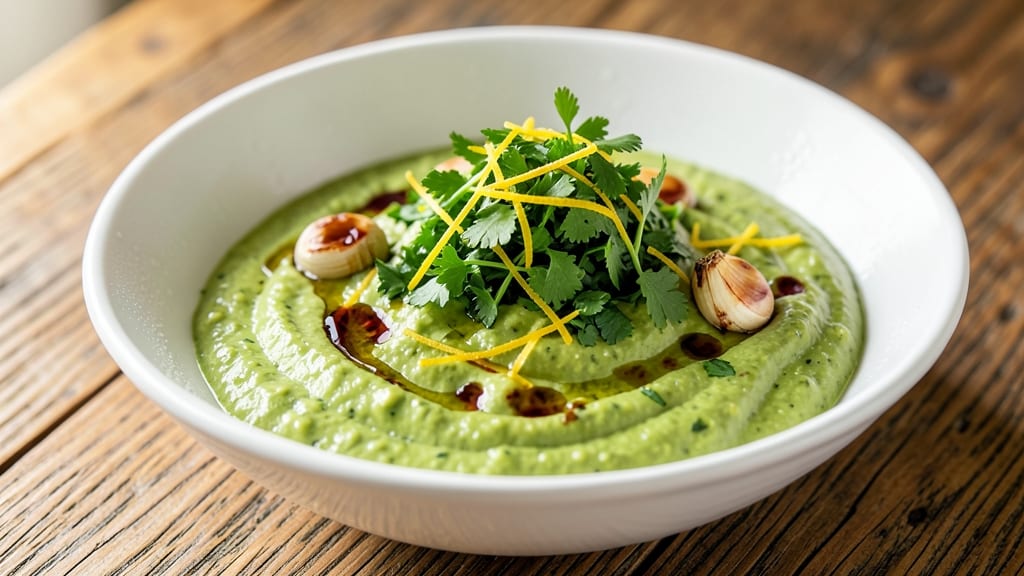
This avocado chimichurri sauce transforms the classic herb sauce into a luscious, creamy condiment that adds depth to everything it touches. The secret lies in blending ripe avocado with fresh parsley, garlic, and a touch of lime—creating a velvety texture that clings beautifully to proteins or vegetables.
Unlike traditional chimichurri, this version stays fresh for days and delivers a creamy richness that elevates any dish.
The beauty of this sauce is its versatility—use it as a dip for crispy fries, a marinade for grilled fish, or a sandwich spread that brings freshness to every bite.
The avocado keeps it rich without overpowering the bright, herby notes, while the lime ensures a perfect balance of tang and creaminess. No cooking required; just blend, taste, and enjoy the results immediately.
What sets this recipe apart is its foolproof simplicity. With just a handful of ingredients—avocado, herbs, garlic, lime, and olive oil—you’ll create a sauce that’s restaurant-quality yet effortless.
The blend of textures—creamy avocado, crisp herbs, and zesty citrus—makes it impossible to resist. Plus, it’s vegan-friendly, making it a crowd-pleaser for all dietary preferences.
Best of all, this sauce keeps well in the fridge for up to 5 days, so you can make a batch ahead and use it throughout the week.
Whether you’re drizzling it over tacos, mixing it into salads, or serving it as a dip, this avocado chimichurri sauce will become your go-to for adding fresh, herby, and creamy flavor to any meal.
Ingredients for avocado chimichurri sauce
Eight fresh ingredients blend into this velvety sauce—creamy avocado meets bright herbs for restaurant-quality flavor.
| Ingredient | Amount | Notes |
|---|---|---|
| Ripe Avocados 🥑 | 2 whole | Firm but yielding when pressed |
| Fresh Flat-Leaf Parsley 🌿 | 1 ½ cups | Stems removed, loosely packed |
| Garlic Cloves 🧄 | 4 cloves | Fresh, peeled, roughly chopped |
| Extra-Virgin Olive Oil 🫒 | ½ cup | High-quality, fruity variety |
| Fresh Lime Juice 🍋 | ¼ cup | Freshly squeezed, strained |
| Red Wine Vinegar 🍷 | 1 tbsp | For bright acidity balance |
| Diamond Crystal Kosher Salt 🧂 | 1 tsp | Fine grain preferred |
| Ground Black Pepper 🌶️ | ½ tsp | Freshly ground for best flavor |
| Red Chili Flakes 🔥 | ½ tsp | Optional, for subtle heat |
The avocados are non-negotiable here. Ripe but firm ones yield the best texture—think of them like butter, not mushy. Trader Joe's or Whole Foods carry excellent avocados year-round, but any grocery store's produce section will do. The parsley should be vibrant green, not wilted, and the garlic cloves should smell pungent, not musty. Penzeys or bulk bins are great for fresh herbs if your grocery store's selection is lackluster. For the olive oil, California-based brands like Corto or Lucini deliver that fruity, peppery flavor that elevates everything.
No fresh parsley? Cilantro or basil work in a pinch, though the flavor will shift slightly. Short on lime juice? Lemon juice at 1:1 ratio keeps the tang, but you'll lose that unique citrus brightness. The red wine vinegar is key for balance—substitute apple cider vinegar if that's what you've got, but it'll taste more like a traditional chimichurri. For the avocado, overripe ones—they'll turn the sauce gray and bitter. If you can't find ripe avocados, add a pinch of salt to the mix to help preserve color. The chili flakes are optional, but if you skip them, add a pinch of smoked paprika for depth instead.
This sauce keeps beautifully—5 days in the fridge when stored in an airtight container with a thin layer of olive oil on top. The oil acts as a seal, preserving that creamy texture. For longer storage, freeze in ice cube trays—thaw overnight in the fridge before using. Portion it out in small containers so you can grab just what you need for a sandwich or drizzle. The flavor actually improves after a day or two as everything melds together. Just give it a stir before using, especially if you've added extra lime juice—it'll separate slightly over time.
Why You'll Love This Recipe
- No Blender Needed: I swear by this—just a knife and a bowl. Mash the avocado with a fork, then chop the parsley and garlic fine enough to blend in. The texture’s thick but spreadable, and honestly? The effort is worth it for that first creamy bite.
- Herby, Tangy Magic: That lime juice cuts through the richness of the avocado while the parsley and garlic sing. It’s bright, fresh, and packs a punch—like a hug for your taste buds, but make that a flavor hug.
- Works Anywhere: Slather it on toast for breakfast, toss it with grilled shrimp for dinner, or drizzle it over cold cuts for a lunch upgrade. I’ve even used it as a dip for veggies when I’m too tired to cook. It’s the kind of sauce that makes lazy days delicious.
- Leftovers That Last: Between us, this sauce keeps for days in the fridge—no weird texture changes, just pure flavor waiting to happen. I’ll make a big batch on Sundays and use it all week. Plus, avocados are cheaper when you buy them in bulk, so it’s a win-win.
Step-by-step instructions for avocado chimichurri sauce
This vibrant, creamy twist on classic chimichurri delivers bright herbaceousness with velvety avocado richness.
Halve and Pit the Avocados
Cut the 2 whole ripe avocados lengthwise around the pit, twist to separate, then remove and discard the pits. Scoop the flesh directly into a food processor using a spoon—this preserves the sauce's texture better than pre-mashing. The avocados should yield about 1 cup of flesh total, with a vibrant green color and slight give when pressed.
Here's the thing—ripe avocados are crucial. If they're too firm, your sauce will be grainy; if overripe, it'll turn mushy. I press gently with my thumb—if it leaves a slight indentation, they're perfect. Don't worry about removing every last bit of flesh; those tiny specks add depth to the sauce.
Process Avocados Until Smooth
Pulse the avocado flesh in the food processor for 10-15 seconds until it forms a thick paste with small, uneven chunks. This texture is ideal—it ensures the sauce remains creamy without becoming overly smooth. Scrape down the sides with a rubber spatula to incorporate any avocado stuck to the blade.
I've found that over-processing turns the sauce into guacamole. You want just enough blending to create a thick, spreadable base that still carries those herbaceous notes. The avocado should coat the back of a spoon but still show visible texture when spread on toast.
Add Herbs and Aromatics
Add the 1.5 cups fresh flat-leaf parsley (stems removed), 4 cloves garlic cloves, 1 tbsp red wine vinegar, 1 tsp diamond crystal kosher salt, and 0.5 tsp ground black pepper to the processor. Pulse 3-4 times until the herbs are finely chopped but the mixture remains thick. The parsley should be minced to a texture similar to coarse sand, with visible herb flecks.
Don't skip the stems—they hold concentrated flavor. I like to pulse rather than blend continuously to maintain some texture. The herbs should be finely chopped but not pureed into a paste. This step is where the sauce's vibrant green color and fresh herb aroma develop.
Incorporate the Oil and Lime
With the processor running, slowly drizzle in the 0.5 cup extra-virgin olive oil through the feed tube. This gradual addition creates an emulsified sauce rather than a separated one. After the oil is fully incorporated, add the 0.25 cup fresh lime juice and pulse 2-3 more times until fully combined.
The lime juice is critical for balancing the avocado's richness. I add it last to preserve its bright acidity. The sauce should now have a vibrant green color with visible herb specks and a thick, almost pudding-like consistency. If it's too thick, add 1-2 teaspoons of water to reach your desired spreadability.
Finish with Chili Flakes and Taste
Transfer the sauce to a bowl and stir in the 0.5 tsp red chili flakes. Taste and adjust seasoning—you might need a pinch more salt or lime juice to balance flavors. The sauce should be tangy, herby, and slightly spicy with a creamy avocado base. For best results, let it sit at room temperature for 10 minutes before serving to allow flavors to meld.
This sauce keeps well in the refrigerator for 2 days, covered with plastic wrap pressed directly on the surface to prevent browning. It's perfect for drizzling over grilled meats, fish, or even toasted bread. The avocado adds a luxurious creaminess that traditional chimichurri lacks, making this version truly special.
Pro Tips For Making Avocado Chimichurri Sauce
- PULSE THE AVOCADO: Toss the pitted avocado into the food processor with the parsley and garlic first, then pulse 3-4 times before adding the oil and lime—this keeps the texture creamy without turning it into avocado paste. I used to dump everything in at once, and it’d either be too chunky or turn into guacamole by accident.
- STRIP THE PARSLEY FAST: Stack the parsley stems on top of each other, then roll tightly and slice off the leaves in one motion—no more tedious leaf-by-leaf picking. Works for cilantro too, and saves you from cutting your fingers when you’re in a hurry.
- SALT THE GARLIC: Toss the minced garlic cloves with a pinch of salt before adding them to the processor—it mellows the sharpness and prevents that bitter aftertaste that ruins the whole sauce. I learned this after making chimichurri taste like garlic powder exploded.
- PRESS THE LIME: Roll the lime on the counter first to soften it, then cut it open and press it with your palm over a bowl to catch every last drop—no juicer needed. You’ll get twice the juice, and the sauce won’t turn watery later. (Yes, even if you’re impatient like me.)
Creative variations of this dish
Creamy Avocado Twist
This variation replaces traditional chimichurri's oil base with avocado, creating a velvety texture that clings beautifully to everything. Use 2 ripe Hass avocados (about 1 cup mashed) and reduce the olive oil to ¼ cup for a richer, more spreadable consistency.
The result is a luxurious sauce perfect for sandwiches or dips. 🥑
Spicy Mango Fusion
Add ½ cup diced ripe mango and 1 tsp Tajín seasoning to the base recipe for a tropical twist. The mango's sweetness balances the lime's acidity, while Tajín adds a smoky kick. This version works wonderfully as a dip for grilled shrimp or tacos. 🌶️
Herb-Infused Citrus
Swap parsley for a mix of 1 cup cilantro and ½ cup basil, then add 1 tbsp orange zest and 2 tbsp orange juice. The citrus brightens the sauce while the herbs add complexity. Perfect for seafood or summer salads. 🍊
Smoky Chipotle
Infuse ¼ cup olive oil with 1 chipotle pepper in adobo (minced) for 10 minutes, then use it in place of plain oil. Add ½ tsp smoked paprika for depth. This smoky version pairs beautifully with grilled chicken or steak. 🔥
Garlic-Lime Marinade
Double the garlic to 6 cloves and add 1 tbsp extra lime juice for a bold marinade. Let it sit with proteins for 30 minutes before cooking—it works magic on grilled shrimp or chicken skewers. The avocado keeps the marinade creamy while the lime tenderizes. 🧄
Creamy Pesto Adaptation
Add ½ cup toasted pine nuts and ¼ cup grated Parmesan (or nutritional yeast for vegan) to the base. Pulse until combined for a pesto-chimichurri hybrid. Drizzle over pasta or use as a sandwich spread with extra richness. 🌿
Nutrition facts
Frequently asked questions
Can I make this sauce without avocado?
The avocado is what makes this sauce uniquely creamy and rich, but you can substitute ½ cup Greek yogurt or vegan mayo for a similar texture. Just reduce the olive oil to ¼ cup to maintain balance. The flavor will shift slightly toward a more traditional chimichurri, but it'll still be delicious as a dip or marinade!
How long does this sauce keep in the fridge?
This avocado chimichurri stays fresh for 3-4 days when stored in an airtight container with a thin layer of olive oil pressed on top. The oil acts as a seal to prevent browning. For longer storage, freeze in ice cube trays—thaw overnight in the fridge before using. The avocado may darken slightly, but the flavor remains vibrant.
What's the best way to use up leftover sauce?
This versatile sauce works as a dip for veggie sticks or crispy fries, a marinade for grilled fish or chicken, or a spread for toasted bread or sandwiches. Drizzle it over tacos, mix into salads, or use as a finishing sauce for bowls. The avocado keeps it rich, while the herbs add freshness—perfect for brightening up any meal!
Why did my sauce turn brown?
Avocado oxidizes quickly when exposed to air, causing browning. To prevent this, store the sauce in an airtight container with plastic wrap pressed directly on the surface. If browning occurs, stir in 1 teaspoon of fresh lemon juice—it helps preserve the color and adds brightness. For extra protection, keep a thin layer of olive oil on top before sealing.