
Sauces & Condiments
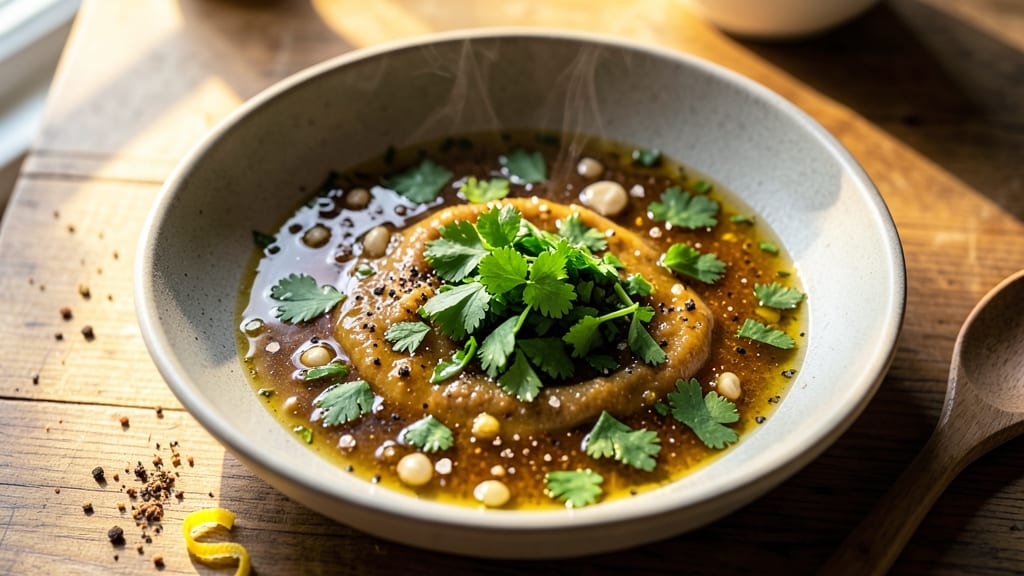
Argentinian chimichurri sauce transforms any grilled meat into an unforgettable experience with its vibrant herb blend and tangy kick. This sauce is the heart of Argentine asados, where it elevates simple ingredients into something extraordinary. The secret lies in its freshness—no cooking required, just chopping and mixing.
What sets this chimichurri apart is its perfect balance of bright parsley, zesty vinegar, and aromatic garlic, all bound together with olive oil. Unlike heavier sauces, this one stays light yet deeply flavorful, clinging to every bite of grilled steak, chicken, or even vegetables.
The process is simple: 10 minutes of prep, and you're ready to serve.
Once mixed, the sauce develops even more flavor as it sits, making it ideal for prepping ahead. Store it in the refrigerator for up to 5 days, though it rarely lasts that long. The tangy, herby notes cut through rich meats, while the olive oil adds richness without overpowering.
Pair this sauce with grilled meats, empanadas, or even roasted potatoes for a taste of Argentina. Its versatility makes it a staple in any kitchen, turning ordinary meals into something special. Let's get started on this classic recipe!
Ingredients for argentinian sauce
Fresh parsley, zesty vinegar, and aromatic garlic create this vibrant Argentinian sauce in minutes.
| Ingredient | Amount | Notes |
|---|---|---|
| Fresh Flat-Leaf Parsley 🌿 | 1 ½ cups | Stems removed, finely chopped |
| Extra-Virgin Olive Oil 🫒 | ¾ cup | High-quality, fruity variety |
| Red Wine Vinegar 🍷 | ¼ cup | Balsamic works too |
| Garlic Cloves 🧄 | 6 cloves | Peeled, minced finely |
| Kosher Salt 🧂 | 1 ½ tsp | Diamond Crystal preferred |
| Ground Black Pepper 🌶️ | ½ tsp | Freshly cracked |
| Red Chili Flakes 🔥 | ½ tsp | Optional, for heat |
| Fresh Oregano 🌿 | 1 tbsp | Dried at 1 tsp if needed |
The parsley is non-negotiable—bright green, fresh leaves make all the difference. Latin markets or specialty grocery stores often carry the best quality, but even regular supermarkets work if you pick firm, unwilted bunches. For the olive oil, Spanish or Italian varieties like Arzúa or Picual add extra depth, but any high-quality extra-virgin will do. The garlic should be firm and clove-packed—avoid soft or sprouted bulbs. Red wine vinegar brings the tang, but balsamic vinegar works in a pinch, though it'll be slightly sweeter. Store all fresh ingredients in the fridge until ready to use.
No fresh parsley? Cilantro or basil can stretch it, but the flavor will shift slightly. Short on red wine vinegar? Apple cider vinegar or lemon juice works, though the taste will differ. The oregano is optional but adds depth—dried Mexican oregano is stronger than Italian, so use half the amount. For heat, skip the chili flakes entirely or use crushed red pepper instead. If your olive oil is low-quality, avocado oil is a neutral alternative that won't overpower. The key is balancing the acidity, oil, and herbs—taste as you go and adjust.
This sauce keeps beautifully in an airtight container in the fridge for 5-7 days, though it's best within the first 2-3 days. The flavors meld and deepen over time, making it perfect for prepping ahead. For longer storage, transfer to a sealed jar and freeze for up to 3 months. When ready to use, let it sit at room temperature for 10 minutes to soften slightly. The sauce pairs perfectly with grilled meats, roasted vegetables, or even as a marinade—just remember, the fresher the herbs, the brighter the flavor.
Why You'll Love This Recipe
- Pantry Magic: I call this my "oh, I have everything" sauce—just olive oil, vinegar, and a handful of garlic and parsley. No shopping list, no stress. The moment I realized I could make this with ingredients I already own, my weeknights got easier.
- Garlic Kiss: That first bite of the sauce—bright, tangy, with garlic so fresh it makes your eyes water slightly—is what keeps me coming back. The vinegar cuts through the richness, and the parsley ties it all together like a little green hug.
- Dress Any Plate: Drizzle it over grilled steak or roasted veggies, toss it with pasta, or even use it as a marinade. I’ve even dumped it on scrambled eggs when I’m lazy (don’t judge). It’s the one sauce that makes everything feel fancier without trying too hard.
- Lasts All Week: Make a big batch—it keeps in the fridge for days without losing its punch. I’ll use it for lunch one day, dinner the next, and even pack it in a jar for a friend. Honestly, the only thing that disappears faster than the sauce is my willpower to stop making it.
Step-by-step instructions for Argentinian chimichurri sauce
This vibrant sauce comes together quickly with simple techniques that maximize flavor.
Chop the Fresh Herbs Finely
In a large bowl, combine the 1.5 cups fresh flat-leaf parsley and 1 tablespoon fresh oregano, making sure to remove any thick stems first. Using a sharp chef's knife, chop both herbs together into a very fine texture—almost like a coarse sand. You want the pieces small enough to blend seamlessly into the sauce but not so fine they turn to paste. The parsley should dominate the color and flavor, while the oregano adds a subtle earthy depth.
This step is crucial because finely chopped herbs distribute evenly and release their oils more effectively when mixed with the other ingredients. If you're using dried oregano, measure out 1 teaspoon instead, as it's more concentrated. Work in batches if needed to avoid overcrowding your cutting board, which can make chopping less efficient.
Minced Garlic and Seasoning
Add the 6 cloves minced garlic to the bowl with the herbs. The garlic should be finely minced—not chopped or pressed—so it blends smoothly into the sauce without any noticeable texture. Next, add the 1.5 teaspoons kosher salt, 0.5 teaspoon ground black pepper, and 0.5 teaspoon red chili flakes (if using). Stir everything together with a wooden spoon to evenly distribute the seasoning.
The salt and pepper enhance the natural flavors of the herbs, while the chili flakes add a subtle heat that balances the acidity of the vinegar. Taste the mixture at this stage—it should be bright, aromatic, and slightly spicy. If you're using balsamic vinegar instead of red wine vinegar, the flavor will be slightly sweeter, so you might want to reduce the chili flakes to 0.25 teaspoon to avoid overpowering the sauce.
Combine Wet Ingredients
Pour in the 0.75 cup extra-virgin olive oil and 0.25 cup red wine vinegar, stirring vigorously to emulsify the mixture. The olive oil should be high-quality and fruity, as its flavor will be prominent in the final sauce. Use a fork or whisk to break up any clumps and ensure everything is well incorporated. The sauce should start to take on a vibrant green color and a smooth, cohesive texture.
This is where the magic happens—the olive oil and vinegar work together to create an emulsion that coats the herbs and garlic evenly. If the sauce looks too thick, add 1-2 teaspoons of water to loosen it slightly. The texture should be like a thick, herby vinaigrette—thick enough to cling to meat or vegetables but still pourable. Let the mixture sit for 5 minutes at room temperature to allow the flavors to meld.
Adjust and Serve
Taste the chimichurri and adjust the seasoning if needed. If it's too acidic, add a pinch more salt or a drizzle of olive oil. If it's not spicy enough, add a tiny pinch more chili flakes. The sauce should be bright, herby, and slightly tangy with a hint of garlic and heat. Transfer it to a clean jar or bowl and let it rest for at least 30 minutes before serving—this allows the flavors to deepen and the herbs to soften slightly.
Chimichurri is best served fresh, but it will keep in the refrigerator for up to 5 days. Give it a quick stir before using, as the herbs may settle. This sauce pairs perfectly with grilled meats like steak or chicken, roasted vegetables, or even as a drizzle over eggs. The key to its success is balance—herbs, acid, oil, and seasoning must all work together harmoniously.
Pro Tips For Making Argentinian Sauce
- PULSE THE GARLIC: I learned this the hard way—don’t just toss raw garlic into the oil and hope for the best. Smash 2-3 cloves flat with the side of your knife first, then pulse them in a food processor for 10 seconds. This releases their oils evenly without burning, giving you that bright, aromatic base the sauce needs.
- SALT THE VINEGAR: Yes, even if it sounds odd, sprinkle a pinch of kosher salt directly into the red wine vinegar while whisking. It mellows the acidity and rounds out the flavor—my grandmother swore by this, and she was right: the sauce won’t taste sharp or one-dimensional.
- STOP AT GREEN: When cooking the garlic in olive oil, pull the pan the second the color shifts to pale green. Burnt garlic turns bitter fast, and no amount of parsley can save it. Keep the heat medium-low and watch like a hawk—this is the thing that matters most for that clean, fresh finish.
- WHISK IN STAGES: Don’t dump all the parsley at once. Start with half, whisk vigorously for 30 seconds, then add the rest. This lets the oil fully emulsify with the vinegar and garlic before the parsley overwhelms it. I skip this when I’m lazy, but the sauce is noticeably smoother when I don’t.
Make-ahead tips for this dish
Prep Ahead Benefits
Chimichurri tastes even better when prepped a day ahead—its flavors meld beautifully in the fridge. I always make a double batch on Sundays so it's ready for spontaneous grilling or weeknight dinners. The herbs soften slightly, releasing more oils and intensifying the garlic and vinegar notes. 💫
Storage Containers
Use airtight glass jars with wide mouths for easy stirring—Mason jars or Kilner jars work perfectly. Avoid metal containers as they can react with the vinegar over time. Store in the fridge for up to 5 days, though I rarely let mine last that long!
For longer storage, freeze in ice cube trays (1 tbsp portions) and transfer to a bag for up to 3 months.
Thawing Frozen Sauce
Thaw frozen chimichurri in the fridge overnight—never at room temperature. The texture will be slightly thicker after freezing, so add 1-2 teaspoons of water or olive oil to restore the perfect consistency.
Give it a good stir before using, as the herbs may separate slightly. The flavor remains vibrant, though slightly muted compared to fresh.
Freezer-Friendly Tips
For best results, freeze chimichurri in small portions (like ice cube trays) so you only thaw what you need. Label with dates—sauce stored beyond 3 months may lose some brightness. I like to freeze it in 1-tablespoon portions perfect for drizzling over individual servings of grilled meat or eggs. 🧊
Reviving Old Sauce
If your chimichurri has been sitting for a few days, give it a 10-minute rest at room temperature before using. Add a fresh ½ teaspoon of minced garlic or a splash of red wine vinegar to revive the brightness.
The sauce won't be as vibrant as fresh, but it's still delicious—just stir well before serving.
Portion Control
Measure out 2-tablespoon servings into small containers for easy use. This prevents waste and makes it perfect for meal prep—just grab what you need without opening the whole jar.
I keep these portions in the fridge door for quick access during grilling season. The sauce stays fresh for 3-4 days in these small containers. 🍽️
Nutrition facts
Frequently asked questions
Can I make chimichurri without fresh parsley?
Fresh parsley is essential for authentic chimichurri, but you can substitute 1 cup cilantro or 1 cup basil if needed. However, the flavor will shift slightly—cilantro adds a citrusy note while basil makes it sweeter. For the best results, use 1 cup flat-leaf parsley + ½ cup cilantro to balance the taste.
How do I adjust the heat level in chimichurri?
The recipe includes 0.5 teaspoon red chili flakes for subtle heat. For more spice, add 0.25 teaspoon cayenne pepper or 1 finely chopped fresh chili. If you prefer no heat, simply omit the chili flakes entirely—the sauce will still be delicious with just the herbs and vinegar.
What's the best way to store chimichurri for maximum freshness?
Keep chimichurri in an airtight glass jar in the fridge for up to 5 days. For longer storage, freeze in 1-tablespoon portions (using ice cube trays) for up to 3 months. Always thaw overnight in the fridge—never at room temperature—to preserve texture and flavor.
Can I use chimichurri as a marinade for meat?
Yes! Chimichurri makes an excellent marinade for grilled chicken, steak, or even shrimp. Simply coat the meat and marinate for 30 minutes to 2 hours (no longer, as the acidity can make meat mushy). For best results, use it fresh and pat the meat dry before cooking to ensure a good sear.
Why does my chimichurri separate after storing?
This is normal—the herbs settle to the bottom while the oil rises. Just give it a good stir before using. If it's too thick, add 1 teaspoon of water or olive oil to restore the perfect consistency. For extra insurance, whisk vigorously for 10 seconds to re-emulsify.