
Sauces & Condiments
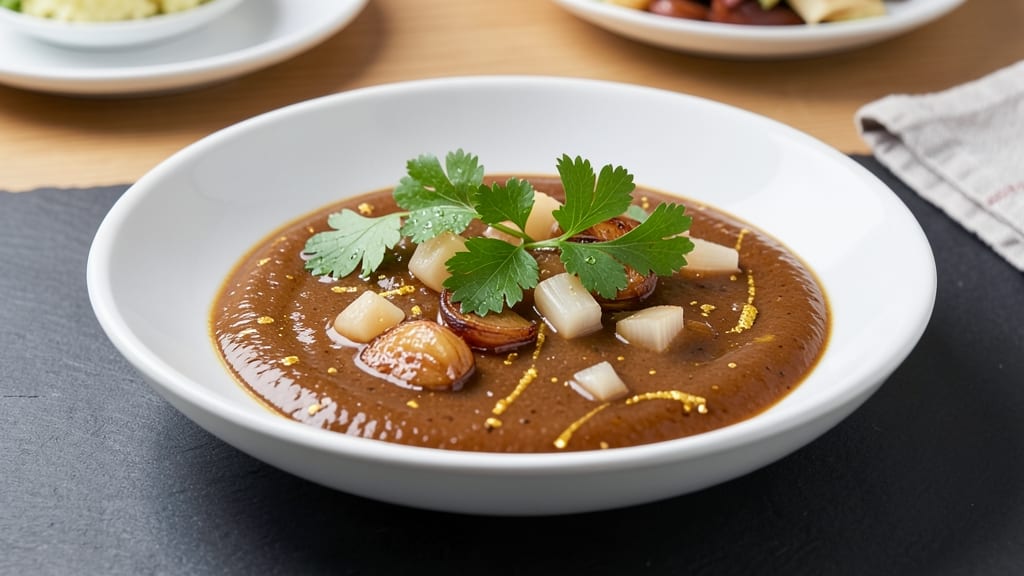
This Albert sauce recipe transforms simple ingredients into a velvety, celery-infused condiment with a perfect balance of tangy vinegar and rich cream. Born in French kitchens, this sauce elevates everything from roasted meats to delicate fish with its sophisticated depth.
The secret lies in gently sweating shallots and celery until fragrant, then deglazing with vinegar to create a bright, aromatic base before finishing with butter for luxurious smoothness.
The beauty of Albert sauce is its versatility—it works as a drizzle over grilled chicken, a finishing touch for vegetables, or even a dip for crusty bread. Unlike heavy cream sauces, it stays light yet rich, thanks to the vinegar's sharpness cutting through the creaminess.
This recipe delivers restaurant-quality results with just a few simple ingredients and a method that's easier than you'd expect.
What sets Albert sauce apart is its ability to enhance rather than overpower dishes. The celery root adds subtle earthiness while the vinegar provides that signature French tang, creating a sauce that's both elegant and approachable.
Once you master this technique, you'll find yourself reaching for it whenever you want to add depth to a meal without the fuss of complicated recipes.
Perfect for weeknight dinners or special occasions, this sauce keeps well in the refrigerator for up to three days, making it ideal for meal prep. Whether you're cooking for two or a crowd, Albert sauce delivers consistent, professional results every time. Let's get started on creating this timeless French classic.
Ingredients for albert sauce
Eight ingredients elevate simple French technique into velvety, celery-infused elegance with vinegar's signature tang.
| Ingredient | Amount | Notes |
|---|---|---|
| Celery Root 🥬 | ½ lb | Peeled and finely diced |
| Shallots 🧅 | 2 whole | Minced for aromatic base |
| White Wine Vinegar 🍷 | ½ cup | High-quality, aged variety |
| Heavy Cream 🥛 | 1 cup | Full-fat for richness |
| Unsalted Butter 🧈 | 4 tbsp | Cold, cubed for finishing |
| Fresh Parsley 🌿 | ¼ cup | Chopped, for garnish |
| Diamond Crystal Kosher Salt 🧂 | ½ tsp | Adjust to taste |
| Freshly Ground Black Pepper 🌶️ | ¼ tsp | For subtle seasoning |
The celery root and shallots form the aromatic foundation—fresh, organic produce yields the most delicate flavor. Whole Foods or local markets typically carry the best quality, though most grocery stores stock celery root in the produce section. For shallots, avoid pre-minced varieties; whole shallots keep their flavor best until you're ready to use them. The vinegar should be aged and high-quality—Bragg or Heirloom brands are excellent choices, though any white wine vinegar will work in a pinch. Fresh parsley isn't strictly necessary, but it adds a bright finish that complements the sauce's richness.
No celery root? Celery stalks work in a bind, though the texture will differ slightly. Substitute apple cider vinegar for white wine vinegar if you prefer a sweeter tang, but reduce by 1 tablespoon to maintain balance. For a lighter sauce, replace half the heavy cream with whole milk, though the texture will be slightly thinner. If you're avoiding dairy, coconut cream provides a similar richness. The butter must be cold when added—microwave for 20 seconds to soften if needed, but never fully melt it before incorporating. Salt to taste at the end, as the vinegar and cream already contain sodium.
This sauce thickens as it cools, so strain through a fine-mesh sieve before serving to achieve perfect smoothness. Store in an airtight container in the refrigerator for up to 3 days, though it's best used within 24 hours for optimal texture. For longer storage, freeze in 1-tablespoon portions—ideal for quick garnishes. Reheat gently over low heat, stirring constantly to prevent separation. The sauce pairs beautifully with grilled fish, roasted vegetables, or as a finishing drizzle for steak.
Why You'll Love This Recipe
- Celery Root Magic: The earthy sweetness of celery root—peeled and diced in five minutes—transforms into this sauce’s secret weapon. No fancy prep, just one root and a knife.
- Creamy Tang Perfection: That bright white wine vinegar cut through the richness of heavy cream and butter, giving it a sophisticated balance. Honestly, it’s the kind of flavor that makes you slow down and savor every bite.
- Weeknight to Dinner Party: Slather it on roasted chicken, drizzle over mashed potatoes, or toss with pasta—it works everywhere. I’ve even used it as a quick pan sauce for steak when guests drop in unannounced.
- Leftovers That Don’t Suck: Makes more than you’ll use in one sitting, and reheats like a dream. Stored in the fridge, it thickens just enough to be even more luscious the next day. (Yes, even on a Tuesday night.)
Step-by-step instructions for celery-infused cream sauce
Mastering this classic sauce requires patience and precision—each step builds the signature balance of earthy celery and bright vinegar.
Sauté Shallots and Celery Root Until Translucent
Heat a medium saucepan over medium-low heat and add the 2 whole shallots and 0.5 lb celery root that's been peeled and finely diced. Cook undisturbed for 10-12 minutes until the shallots become translucent and the celery root begins to soften. Stir occasionally to prevent browning.
This gentle cooking process develops the aromatic base without letting the vegetables burn. You're looking for a texture where the celery root yields slightly when pressed with a wooden spoon. If the pan gets too dry, add 1-2 tablespoons water but avoid over-moistening the mixture.
Deglaze with Vinegar and Reduce
Pour in the 0.5 cup white wine vinegar and scrape up all the browned bits from the bottom of the pan using a wooden spoon. Increase heat to medium-high and bring the mixture to a simmer. Reduce heat to medium and let it cook for 8-10 minutes until the liquid reduces by about half and the mixture thickens slightly.
The vinegar's acidity will brighten the flavors while concentrating the vegetable essence. You'll know it's ready when the mixture coats the back of a spoon and develops a glossy sheen. This step is crucial for building the sauce's signature tangy depth.
Incorporate Heavy Cream and Simmer
Reduce heat to low and gradually whisk in the 1 cup heavy cream to prevent curdling. Stir continuously for 5-7 minutes until the sauce thickens and becomes smooth. The sauce should coat the back of a spoon but still be pourable. If it thickens too quickly, add 1-2 tablespoons water to adjust the consistency.
This slow incorporation ensures the cream blends smoothly without breaking. The sauce should now have a velvety texture with a delicate balance between the earthy celery and the vinegar's sharpness. Taste and adjust seasoning with the 0.5 tsp kosher salt and 0.25 tsp black pepper if needed.
Finish with Butter and Garnish
Remove the sauce from heat and whisk in the 4 tbsp cold cubed butter until fully melted and incorporated. The butter will add richness and help emulsify the sauce. Return the pan to low heat for 1-2 minutes to let the flavors meld together.
Strain the sauce through a fine-mesh sieve into a clean saucepan to remove any vegetable pieces, if desired. Garnish with the 0.25 cup chopped fresh parsley just before serving. The parsley adds a fresh contrast to the rich, velvety sauce and enhances its visual appeal.
Pro Tips For Making Albert Sauce
- Peel Celery Root First: I learned this the hard way—peeling celery root after cooking makes it turn to mush. Use a paring knife to shave off the thick, fibrous skin before dicing, then soak the pieces in cold water for 5 minutes to remove any lingering grit. Trust me, your sauce will be silky smooth instead of grainy.
- Sweat Shallots Slow: Shallots burn faster than onions, and Albert sauce needs them tender, not crispy. Cook them on medium-low heat for 8-10 minutes, stirring occasionally, until they’re translucent but not golden. If your pan’s too hot, the vinegar will turn harsh—better to wait.
- Reduce Vinegar First: Don’t just toss in the white wine vinegar at the end. Simmer it with the shallots for 3-4 minutes to mellow its sharpness before adding cream. This keeps the sauce balanced—no one wants a tangy punch instead of creamy richness.
- Temper the Cream: Heavy cream curdles when it hits hot liquid. After reducing the vinegar-shallot mix, remove the pan from heat and let it cool for 2 minutes before slowly whisking in the cream. Warm it gently afterward—this guarantees a velvety finish, not a broken sauce.
Serving suggestions for this albert sauce
Meat Pairings
Albert sauce shines as a finishing drizzle for grilled or roasted meats. Try it over filet mignon or New York strip steak—the vinegar's acidity cuts through the richness beautifully. I love it on herb-crusted lamb chops too, where the celery notes complement the lamb's earthiness.
For poultry, drizzle it over pan-seared chicken breasts or roasted turkey to add elegant depth. 🥩
Fish and Seafood
This sauce elevates delicate seafood dishes without overpowering them. Drizzle it over grilled halibut or pan-seared scallops for a restaurant-worthy finish. I also use it as a dip for shrimp skewers—just mix with a little lemon zest for extra brightness.
The sauce's velvety texture pairs perfectly with poached salmon too, balancing the fish's natural oils.
Vegetable Applications
Don't limit Albert sauce to meats—it's fantastic with vegetables too. Toss it with roasted Brussels sprouts or grilled asparagus for a sophisticated side dish. I also drizzle it over mushroom risotto or creamy polenta to add complexity.
Even steamed green beans get an upgrade when finished with this sauce and a sprinkle of toasted almonds. 🥦
Bread and Appetizers
Use Albert sauce as a dip for crusty baguette slices or garlic bread—it's a game-changer for appetizers.
I also spread it on toasted baguette rounds with smoked salmon and caviar for an elegant canapés. For a fun twist, drizzle it over grilled cheese sandwiches made with Gruyère cheese and apple slices. The sauce's tangy-sweet balance makes it surprisingly versatile for starters.
Cheese Pairings
Albert sauce works surprisingly well with certain cheeses. Try it with aged cheddar or blue cheese crumbles on a charcuterie board for a sophisticated touch. I also love it with goat cheese crostini—the vinegar's acidity cuts through the creaminess perfectly.
For a main dish, drizzle it over baked mac and cheese before broiling for a gourmet finish. The sauce's depth adds layers of flavor that plain cheese can't match. 🧀
Nutrition facts
Frequently asked questions
What makes Albert sauce different from other French sauces?
Albert sauce stands out with its unique balance of celery root and white wine vinegar that creates a bright, tangy profile unlike creamy sauces like béchamel. The vinegar's acidity cuts through the richness of the cream, making it lighter yet deeply flavorful. Unlike hollandaise or béarnaise, it doesn't rely on egg yolks or emulsification—just simple ingredients cooked to perfection.
Can I substitute celery root with regular celery?
Yes, but the texture will differ slightly. Use 3-4 celery stalks (finely chopped) instead of 0.5 lb celery root. The sauce will have a more fibrous quality, but the flavor remains similar. For best results, strain the finished sauce to achieve a smoother consistency. The vinegar and cream will still create that signature tangy richness.
Why does my Albert sauce curdle when adding cream?
Curdling happens when the cream is added too quickly or the heat is too high. Always whisk the cream into the sauce over low heat and stir constantly for 5-7 minutes. If it starts to separate, immediately remove from heat and whisk in 1 tbsp cold butter to stabilize. The sauce should thicken gradually—never let it boil after adding cream.
How long can I store Albert sauce, and how do I reheat it?
Store in an airtight container in the fridge for up to 3 days—it actually improves overnight! Reheat gently over low heat, stirring constantly until warmed through. For longer storage, freeze in 1-tablespoon portions (perfect for garnishes). Thaw overnight in the fridge and reheat slowly to preserve its velvety texture. Never microwave—it can break the sauce's emulsion.
What's the best way to use Albert sauce in vegetarian dishes?
This sauce shines on roasted vegetables like Brussels sprouts, asparagus, or eggplant—toss them with olive oil, roast until tender, then drizzle with sauce. It also elevates mushroom risotto or creamy polenta. For a vegetarian main, try it with grilled halloumi cheese or as a dip for warm pita bread with hummus. The celery and vinegar add depth without needing meat.