
Sauces & Condiments
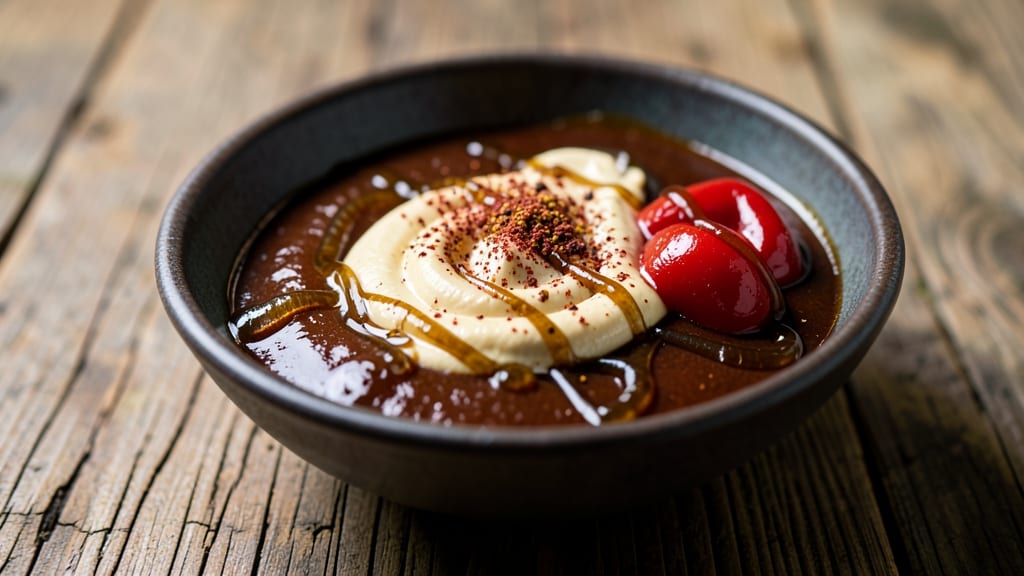
This African BBQ sauce recipe transforms grilling into a flavor adventure—where smoky peanut meets tangy tamarind in a velvety, heat-kissed sauce that clings to meats like a second skin. 🔥 I developed it after years of chasing that perfect balance between West African warmth and bold, caramelized depth that stands up to high-heat cooking. The secret? A slow-simmered blend of tomatoes, ginger, and berbere spice that builds layers of complexity without overpowering the natural sweetness of peanuts.
The beauty of this sauce lies in its versatility—it works as a marinade for chicken or pork, a glaze for grilled vegetables, or a drizzle over plantains and roasted sweet potatoes.
Unlike traditional BBQ sauces, this one delivers a sophisticated depth from ingredients like palm sugar (or honey) and a touch of citrus that brightens every bite.
The texture is thick enough to cling but smooth enough to spread effortlessly, ensuring every forkful delivers that perfect harmony of spice, sweetness, and umami.
What sets this recipe apart is the way it marries traditional African flavors with techniques I’ve honed over years of pitmaster work. The tamarind adds a tart edge that cuts through the richness, while smoked paprika and peanuts bring that unmistakable smoky-sweet character.
The sauce thickens beautifully as it simmers, creating a glossy finish that’s irresistible. Store it in the fridge for up to 2 weeks, or freeze for longer shelf life—its flavor only deepens with time.
Pair it with grilled meats, plantains, or even as a dipping sauce for crispy tofu. The possibilities are endless, but the result is always the same: a sauce that turns ordinary grilling into an unforgettable experience. Let’s get cooking—your taste buds will thank you.
Ingredients for african bbq sauce
Nine ingredients transform into a sauce that turns grilling into a flavor adventure.
| Ingredient | Amount | Notes |
|---|---|---|
| Peanut Butter 🥜 | ½ cup | Natural, unsweetened preferred |
| Tamarind Paste 🍈 | ¼ cup | Or 2 tbsp tamarind pulp |
| Tomato Paste 🍅 | ½ cup | High-quality, no additives |
| Palm Sugar 🍯 | ½ cup | Or honey for non-vegan option |
| Smoked Paprika 🌶️ | 2 tbsp | For authentic smoky depth |
| Berbere Spice 🌶️ | 1 ½ tbsp | African chili blend, adjust to taste |
| Fresh Ginger 🧄 | 2 tbsp | Finely grated, fresh preferred |
| Garlic Cloves 🧄 | 4 cloves | Minced, fresh preferred |
| Lemon Juice 🍋 | ¼ cup | Freshly squeezed |
| Vegetable Oil 🫒 | 2 tbsp | For smooth texture |
The peanut butter brings that rich, nutty base—natural, unsweetened works best—no sugar or oils added. Trader Joe's has a great organic version, but any natural brand at the grocery store will do. Tamarind paste is the secret weapon here, giving that signature tangy kick. If you can't find it, two tablespoons of tamarind pulp works in a pinch, just dissolve it in a little water first. The tomato paste? Muir Glen or Rao's are my go-tos—they've got that deep, concentrated flavor that stands up to the other bold ingredients. Palm sugar adds a caramelized depth, but if you're not vegan, honey works perfectly—just use the same amount.
No berbere spice? Mix 1 tbsp smoked paprika, 1 tsp cayenne, and 1 tsp coriander for a quick substitute. Fresh ginger and garlic are non-negotiable for that bright, zesty punch—don't skip the grating, it releases more flavor. If you're short on time, one tablespoon of ground ginger works, but fresh is always better. The smoked paprika is what gives this sauce its signature smoky character, so don't use regular paprika—it won't have the same depth. Lemon juice adds that final bright note, so use freshly squeezed—bottled juice just doesn't cut it here.
This sauce thickens as it cooks, so start with less oil if you prefer it thicker. Keeps in the fridge for up to 2 weeks—its flavor actually improves over time. For longer storage, freeze in ice cube trays for perfect single-use portions. I always make a double batch—one for grilling, one for drizzling over plantains or tofu. The sauce reheats beautifully, so it's perfect for meal prep. Just give it a quick stir after reheating to smooth out any separation.
Why You'll Love This Recipe
- Pantry Magic: I swear by this sauce because it’s all about what’s already in my cupboard. No fancy ingredients—just peanut butter, tamarind, and a few pantry staples. Honestly, I’ve made it twice in the same week because it’s that easy.
- Sweet-Smoky Crave: That balance of palm sugar’s caramel depth and smoked paprika’s warmth? It’s like a hug in a bottle. The tamarind adds a tangy twist that cuts through the richness, and suddenly, everything—grilled chicken, roasted veggies, even eggs—tastes like a restaurant dish.
- Weeknight to Party: Slather it on ribs for a backyard BBQ or drizzle it over stir-fried tofu for a quick weeknight dinner. Between us, I’ve even used it as a marinade for shrimp that my friends devoured before they even asked what was in it. It’s the kind of sauce that works everywhere.
- Leftovers That Don’t Suck: This sauce thickens beautifully when stored, so I make a big batch and keep it in the fridge. A splash in soups, a glaze for baked sweet potatoes, or a dip for fries—it never goes bad. And since it’s cheap to make, I don’t feel guilty about using it up in weird, delicious ways.
Step-by-step instructions for African BBQ sauce
Here's how to blend bold African flavors into a sauce that'll elevate any grilled dish.
🍳 Step 1: Bloom the Spices in Oil
Heat the 2 tablespoons vegetable oil in a medium saucepan over medium heat until shimmering. Add the 2 tablespoons smoked paprika and 1.5 tablespoons berbere spice, stirring constantly for 30 seconds until fragrant and the spices release their deep, earthy aroma.
This is where the magic starts—I like to watch the spices dance in the oil until they darken slightly. Don't let them burn, though; just enough time to wake up those smoky, chili notes. You'll smell that unmistakable African heat building, which is exactly what we want for this sauce.
🍳 Step 2: Sauté Aromatics Until Fragrant
Add the 4 minced garlic cloves and 2 tablespoons fresh ginger to the spiced oil. Cook for 1-2 minutes until the garlic turns golden and the ginger loses its raw bite. You're looking for that moment when the kitchen smells like a bustling African street market—bright, spicy, and inviting.
Here's the thing—I press down gently on the aromatics with a wooden spoon during the last 30 seconds of cooking. This helps release more flavor into the oil. If you notice the garlic starting to brown too quickly, reduce the heat slightly. We want flavor, not burnt bits.
🍳 Step 3: Build the Sauce Base
Stir in the 0.5 cup tomato paste and 0.5 cup palm sugar, mixing until completely smooth. Cook for 3-4 minutes until the mixture darkens slightly and becomes thick and glossy. This step transforms your spices into a flavorful paste that forms the backbone of the sauce.
I like to scrape the bottom of the pan occasionally with a spatula to ensure nothing sticks. The sugar will start to caramelize, adding a subtle sweetness that balances the heat. If it starts to stick too much, add 1 tablespoon water to loosen it up—just enough to keep everything moving smoothly.
🥘 Step 4: Incorporate Peanut Butter and Tamarind
Reduce the heat to low and stir in the 0.5 cup peanut butter and 0.25 cup tamarind paste until completely smooth. The sauce will thicken dramatically at this point. Add the 0.25 cup lemon juice and mix well, tasting as you go to balance the flavors.
This is where the sauce comes together—I usually add the peanut butter first, then the tamarind, and finally the lemon. The peanut butter adds richness, the tamarind brings that signature tangy-sweet balance, and the lemon cuts through everything. If it's too thick, add 1-2 tablespoons water to reach your desired consistency.
⏰ Step 5: Simmer and Finish
Return the heat to medium-low and let the sauce simmer for 5-7 minutes, stirring occasionally, until it thickens to your preferred consistency. The sauce should coat the back of a spoon but still be pourable. Taste and adjust seasoning with more berbere spice or palm sugar as needed.
Let the sauce cool slightly before tasting—it'll thicken more as it cools. I like to give it a final stir before serving to make sure everything is well combined. This sauce is versatile; use it immediately on grilled meats or store it in the fridge for up to 2 weeks. Trust me, it'll be your new go-to for African-inspired BBQ flavors!
Pro Tips For Making African Bbq Sauce
- Whisk the Peanut Butter: Heat it first—just a minute in the saucepan with the tomato paste—until it’s smooth as butter. Cold peanut butter clumps like glue, and nobody wants lumpy sauce. I learned this the hard way after scraping peanut butter globs off my ribs.
- Balance the Tamarind: Start with half the tamarind paste, taste, then add the rest. Tamarind’s sour punch sneaks up fast—you’ll regret overdoing it. My first batch tasted like a lemon wedge exploded in my mouth.
- Simmer, Don’t Boil: Keep the heat low enough that tiny bubbles just break the surface. Boiling turns your sauce into peanut butter glue. I used to rush it, then wondered why my sauce tasted like a sad, thick paste.
- Toast the Smoked Paprika: Dry-toast it in the pan for 30 seconds before adding liquids—it deepens that smoky flavor without bitterness. Skip this, and you’re just sprinkling dust on your sauce. (Yes, even if you’re impatient like me.)
Health benefits of this african bbq sauce
Rich Peanut Power
Peanut butter isn't just for sandwiches—it's the secret weapon in this sauce, delivering healthy fats that help your body absorb fat-soluble vitamins like A, D, E, and K. A ½ cup serving provides 8 grams of protein and 7 grams of fiber, making this sauce more than just flavor—it's nutrition.
The natural peanut oils also add a silky texture that coats meats beautifully. 🥜
Tamarind's Tangy Benefits
The tamarind paste brings more than just tang—it's packed with vitamin C (about 15% of your daily needs per serving) and antioxidants that help reduce inflammation. Tamarind also aids digestion by stimulating stomach acid production, which is why it's used in traditional African medicine.
The ½ cup in this recipe adds that signature sour punch while boosting your immune system. 🍈
Spice Up Your Health
Berbere spice and smoked paprika aren't just for flavor—they're anti-inflammatory powerhouses. Berbere contains capsaicin (from chili peppers), which may help lower blood pressure and improve circulation. Smoked paprika adds vitamin E, an antioxidant that protects your cells.
Together, they create a metabolism-boosting combo that keeps your body running smoothly while adding heat. 🌶️
Ginger's Gut-Friendly Kick
Fresh ginger isn't just for nausea relief—it's a digestive superstar. The 2 tablespoons in this sauce contain gingerol, a compound that may help reduce bloating and improve gut motility.
Ginger also has anti-nausea properties and may even help lower blood sugar levels. Plus, it adds a bright, zesty note that balances the richness of the peanuts perfectly. 🧄
Citrus Brightness Boost
Lemon juice isn't just for flavor—it's a vitamin C powerhouse. The ¼ cup in this recipe provides nearly 50% of your daily vitamin C, which supports immune function and collagen production.
The acidity also helps break down proteins in meats, making them more tender. Plus, it prevents the sauce from becoming too heavy, keeping each bite light and refreshing. 🍋
Sweet Without the Guilt
Palm sugar (or honey) adds natural sweetness without the refined sugar crash. Palm sugar contains small amounts of potassium and magnesium, minerals that help regulate blood pressure and muscle function. Unlike processed sugars, it has a lower glycemic index, meaning it won't spike your blood sugar as dramatically.
The ½ cup in this sauce satisfies your sweet tooth while keeping things balanced. 🍯
Nutrition facts
Frequently asked questions
Can I make this sauce without peanut butter?
Yes! Swap the peanut butter for ½ cup tahini or ¼ cup almond butter for a nut-free version. For a seed option, try ¼ cup sunflower seed butter—it keeps the richness but changes the flavor profile slightly. The sauce will still work, though the texture may be thinner.
How spicy is this sauce, and can I adjust it?
The berbere spice gives it a medium heat (about 2-3 on the Scoville scale). For milder heat, reduce berbere to 1 teaspoon or add 1 tablespoon honey to balance. For extra kick, add ½ teaspoon cayenne pepper or a dash of hot sauce. Always taste as you go!
What’s the best way to use this sauce?
This sauce is incredibly versatile! Use it as a marinade (30 minutes to overnight for meats), glaze for grilled chicken or fish, or drizzle over plantains, roasted veggies, or even as a dip for tofu or fries. It also works as a finishing sauce for tacos or bowls—just warm it gently before serving.
Why did my sauce turn out too thick/thin?
If too thick, thin with 1-2 tablespoons water or lemon juice while simmering. If too thin, simmer uncovered for 5-10 extra minutes to reduce. The sauce thickens as it cools, so adjust while warm. Pro tip: For a glossy finish, stir in 1 teaspoon cornstarch mixed with water at the end.
Can I make this sauce in a slow cooker?
Combine all ingredients in your slow cooker and cook on low for 2-3 hours, stirring occasionally. The low-and-slow method enhances the flavors beautifully. Just thin with water if needed—it’ll thicken as it cools. Perfect for hands-off prep!