
Sauces & Condiments
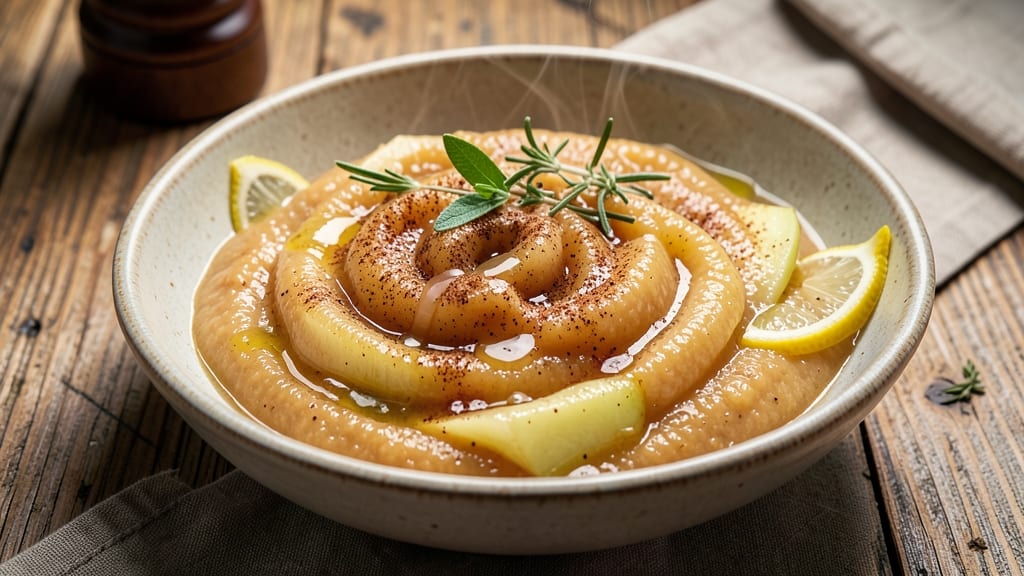
This applesauce and lemon juice recipe transforms simple apples into a vibrant, tangy condiment that’s perfect for dipping, drizzling, or baking. The bright citrus notes cut through sweetness, creating a versatile sauce that elevates everything from yogurt bowls to roasted meats.
I developed this version after realizing how often I reached for store-bought applesauce—only to find it lacked the fresh, zesty kick I craved.
The secret lies in balancing ripe apples with fresh lemon juice, which keeps the sauce light and prevents it from becoming overly sweet. A touch of cinnamon or vanilla adds warmth, while herbs like thyme or rosemary introduce an unexpected depth.
Unlike traditional applesauce, this version stays fresh for up to a week in the fridge, making it ideal for meal prep or gifting.
What sets this recipe apart is its adaptability—use it as a dip for pretzels, a glaze for pork tenderloin, or a topping for pancakes. The texture is smooth yet slightly chunky, ensuring every spoonful delivers bright apple flavor with a refreshing citrus tang.
It’s the kind of condiment that turns ordinary dishes into something special.
For best results, choose a mix of sweet and tart apples (like Honeycrisp and Granny Smith) and simmer until just tender. Strain for a silky finish or leave some texture for added rustic charm.
Store in an airtight container, and enjoy the versatility of this bright, tangy twist on a classic favorite.
Ingredients for applesauce recipe lemon juice
Eight simple ingredients transform ordinary apples into vibrant, tangy applesauce perfect for dipping or baking.
| Ingredient | Amount | Notes |
|---|---|---|
| Apples (mix of Honeycrisp and Granny Smith) 🍎 | 4 medium | Peeled and cored |
| Fresh Lemon Juice 🍋 | ½ cup | Freshly squeezed |
| Water 💧 | ¼ cup | For simmering |
| Granulated Sugar 🍚 | ¼ cup | Adjust to taste |
| Ground Cinnamon 🌿 | ½ tsp | Optional for warmth |
| Vanilla Extract 🥄 | ½ tsp | Pure extract preferred |
| Fresh Thyme Leaves 🌿 | 2 tsp | Or 0.5 tsp dried thyme |
| Salt 🧂 | ¼ tsp | Kosher or sea salt |
The Honeycrisp and Granny Smith mix is key—Honeycrisp adds sweetness while Granny Smith keeps it bright. Local farmers markets often have these varieties at peak ripeness, but any mix of sweet and tart apples works. If you can't find Honeycrisp, Fuji or Gala are good substitutes. The lemons? Meyer lemons add subtle sweetness, but regular lemons work too. I always grab a few extra—fresh lemon juice is worth the squeeze for that zesty punch. Skip the bottled stuff unless it's truly fresh-squeezed.
No fresh thyme? Dried works at one-third the amount, but fresh gives that herbal depth. Running low on vanilla? Almond extract at half the amount adds a nice twist. The sugar is totally optional—if your apples are naturally sweet, you might not need any. For a spicier kick, add a pinch of cayenne. Want it smoother? Strain through a fine-mesh sieve—just don't skip the lemon zest if you're feeling fancy. The salt balances everything, so don't skip it even if your apples are tart.
This keeps beautifully in the fridge for 1 week in an airtight jar. For longer storage, freeze portions in ice cube trays—perfect for quick use later. I always make double batches because it disappears fast. The texture thickens as it cools, so add a splash of water if it gets too stiff. Perfect for meal prep—just reheat and enjoy. Leftovers make amazing pancake toppings or yogurt mix-ins.
Why You'll Love This Recipe
- No-Peel Hassle: I swear by the Honeycrisp-Granny Smith combo—peels stay on, but the texture is still silky. Just core, chop, and toss in the pot. That’s it.
- Zesty Twist: The lemon juice cuts through the sweetness like a bright summer breeze. Honestly? It’s the secret that makes this applesauce feel fresh, not just canned.
- Budget Brightener: Apples and lemons are cheap staples, and this batch stretches for days. Freeze extras for smoothies later—no waste, all flavor.
Step-by-step instructions for applesauce with lemon juice
Here's how to make a bright, tangy applesauce that's perfect for dipping or baking.
Peel, Core, and Chop the Apples
Start by peeling and coring all 4 medium Apples (mix of Honeycrisp and Granny Smith)—the Honeycrisp adds natural sweetness while the Granny Smith keeps it tangy. Cut each apple into ¼-inch thick slices for even cooking. You'll end up with about 6-8 cups of apple pieces, depending on the size of your apples.
Place the apple slices in a large mixing bowl. I like to give them a quick stir to break up any large chunks—this helps them soften more evenly during cooking. If you're using a food processor later, you can skip this step, but chopping ensures better texture control for traditional stovetop methods.
Simmer Apples with Water and Sugar
Transfer the chopped apples to a medium saucepan along with the 0.25 cup Water and 0.25 cup Granulated Sugar. Bring the mixture to a boil over medium-high heat, then reduce the heat to medium-low and let it simmer uncovered for 15-20 minutes. Stir occasionally—this prevents the apples from sticking to the bottom and burning.
You'll know it's ready when the apples are fork-tender and the mixture has reduced slightly. The sauce should look thick but still slightly chunky, with a glossy sheen. If it's not breaking down enough after 20 minutes, add another 1-2 tablespoons of water and continue simmering for 5 more minutes.
Add Lemon Juice and Seasonings
Once the apples are tender, remove the pan from heat and stir in the 0.5 cup Fresh Lemon Juice, 0.5 tsp Ground Cinnamon, 0.25 tsp Salt, and 2 tsp Fresh Thyme Leaves. The lemon juice brightens the flavor, while the cinnamon and thyme add warmth and depth. Taste the mixture—you might want to adjust the sugar slightly if your apples were particularly tart or sweet.
Let the sauce sit off the heat for 5 minutes to allow the flavors to meld. This resting period also helps the thyme release its aroma. If you're using dried thyme, crush the leaves between your fingers first to release their oils—this makes a noticeable difference in flavor.
Blend or Mash to Desired Texture
For a smooth applesauce, transfer the mixture to a blender or food processor and blend until completely smooth. If you prefer a slightly rustic texture, use a potato masher or fork to mash the apples while they're still warm. The natural pectin in the apples will help thicken the sauce as it cools.
Stir in the 0.5 tsp Vanilla Extract at the end—adding it earlier can make the flavor bitter. The vanilla rounds out the bright citrus notes and adds a subtle sweetness. Taste again and adjust the sugar or lemon juice if needed. For a sweeter sauce, add 1-2 tablespoons more sugar; for more tang, add 1-2 teaspoons more lemon juice.
Cool and Store
Transfer the applesauce to a clean glass jar or airtight container and let it cool to room temperature. Once cooled, it will thicken slightly—this is normal. The sauce keeps in the refrigerator for up to 1 week or can be frozen for 3 months for later use. For best flavor, enjoy it within 3-4 days of making it.
This bright, tangy applesauce is perfect for dipping with cheese, spreading on toast, or using in baking recipes like muffins or pies. The lemon juice keeps it from turning too sweet, while the thyme and cinnamon add layers of warmth that make it stand out from classic applesauce.
Pro Tips For Making Applesauce Recipe Lemon Juice
- PEEL BEFORE COOKING: Granny Smiths are tough—skip peeling and you’ll end up with a gritty, fibrous mess. Honeycrisp? Peel those too if you want silky texture. I learned this the hard way after biting into an unpeeled chunk mid-bite.
- ADD LEMON LAST: Lemon juice breaks down pectin, so toss it in after cooking—not before. Wait until the apples are fully tender, then stir in just 1-2 tablespoons. Too early, and your sauce turns mushy instead of bright and tangy.
- STIR IN STAGES: Sugar loves to clump. Sprinkle half the granulated sugar over the apples while they simmer, stir, then add the rest. This keeps it smooth and prevents a grainy finish—no matter how impatient you are to taste it.
- USE COLD WATER: Start with ice-cold water in the pot. It chills the apples faster, speeds up cooking, and keeps the color vibrant. I was skeptical until I tried it—now I never go back to room temp water.
Pro cooking tips for applesauce recipe lemon juice
Simmering Perfection
Keep your heat consistent at medium-low during simmering—this prevents scorching while breaking down the apples evenly. I use a stainless steel saucepan (like my All-Clad) because it distributes heat better than nonstick.
If the apples aren't soft enough after 20 minutes, add 1-2 tablespoons water and simmer for 5 more minutes. The goal is tender apples with just enough texture to hold shape if you prefer chunky sauce. 🌡️
Lemon Juice Timing
Add the lemon juice only after removing from heat—this preserves its bright flavor rather than cooking it off. For extra zing, zest 1 lemon and add it with the juice.
If using bottled lemon juice, opt for fresh-squeezed (like ReaLemon) for better quality. The acidity helps balance sweetness and prevents the sauce from becoming cloying. 🍋
Texture Control
For smooth sauce, blend while warm—this prevents separation. If using a food processor, pulse in 2-second bursts to avoid splattering. For chunky texture, mash with a potato masher or fork.
The natural pectin in apples thickens as it cools, so don't over-blend if you want rustic appeal. 🍎
Flavor Boosting
Crush thyme leaves between your fingers before adding to release oils—this makes a noticeable difference. For deeper flavor, add ½ tsp ground cardamom or ¼ tsp nutmeg with the cinnamon. The vanilla extract should be pure, not imitation—Nielsen-Massey is my go-to brand for reliable quality. 🌿
Storage Secrets
Store in glass jars (like Le Parfait) to maintain freshness longer. Leave ½-inch headspace for expansion. For freezing, portion into ice cube trays—thaw quickly in the fridge for perfect consistency. Reheat gently on the stovetop with 1 tablespoon water to restore texture. 🧊
Flavor Adjustments
Too sweet? Add 1 extra tablespoon lemon juice or ½ tsp cinnamon. Too tart? Balance with 1 tablespoon sugar or ½ tsp vanilla. For a spiced twist, add ¼ tsp ground cloves or ½ tsp ginger.
Always taste as it cools—the flavors develop further during resting. ✨
Nutrition facts
Frequently asked questions
Can I use bottled lemon juice instead of fresh?
Fresh lemon juice gives the best bright flavor, but bottled will work in a pinch. Look for fresh-squeezed brands like ReaLemon to avoid artificial flavors. If using bottled, add 1 extra tablespoon since bottled juice is often less acidic than fresh. For maximum zing, zest 1 lemon and add it with the juice.
How do I adjust the sweetness or tartness?
Too sweet? Add 1 extra tablespoon lemon juice or ½ tsp cinnamon to cut through it. Too tart? Balance with 1 tablespoon sugar or ½ tsp vanilla. Taste as it cools—the flavors develop further during resting. For a more complex profile, add ¼ tsp ginger or ½ tsp cardamom.
Can I make this applesauce without sugar?
Omit the sugar entirely if your apples are naturally sweet. The lemon juice and cinnamon will add enough depth. For tart apples, try 1-2 teaspoons honey or 1 teaspoon maple syrup instead. The texture will be slightly thinner, but the bright citrus flavor will shine through.
What are the best apples for this recipe?
A mix of sweet and tart apples works best. Try Honeycrisp (sweet) with Granny Smith (tart) for balance. Other good choices: Fuji, Gala, or Braeburn. Avoid overly soft apples like McIntosh—they break down too quickly. If you only have one variety, add 1 extra tablespoon lemon juice to brighten the flavor.
How can I use this applesauce beyond dipping?
This versatile sauce works as a glaze for roasted pork tenderloin, a topping for pancakes or waffles, or a filling for crepes. Stir it into oatmeal or yogurt for breakfast, or use it as a base for muffin or cake batters. The lemon juice makes it perfect for pairing with savory dishes like grilled chicken or fish too.