
Sauces & Condiments
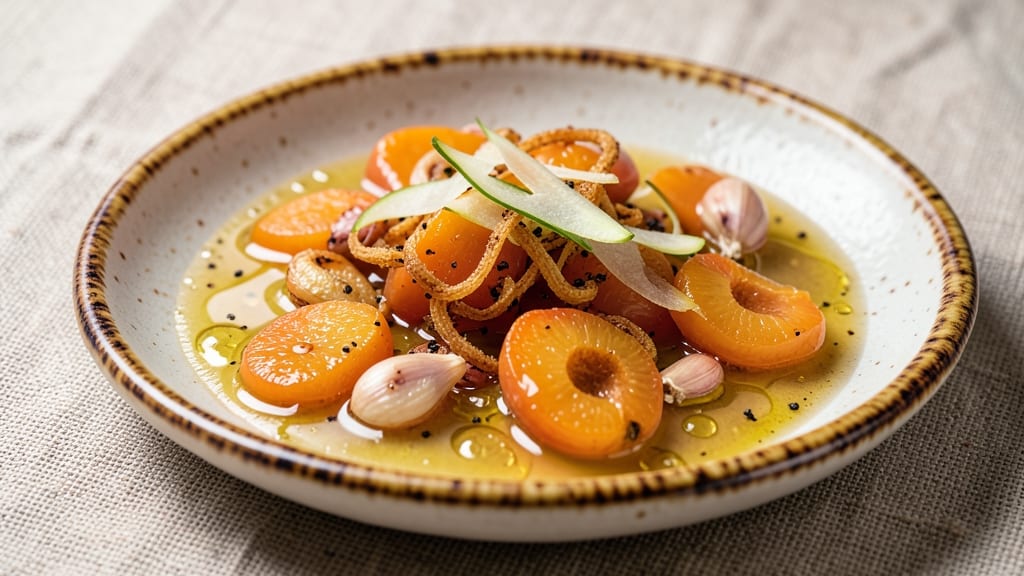
This apricot sweet and sour sauce transforms ordinary dishes into something extraordinary with its perfect balance of fruity sweetness and bright tang. 💛 The secret lies in simmering fresh apricots with vinegar and sugar until they break down into a glossy, aromatic sauce that clings beautifully to grilled meats, seafood, or pasta.
I developed this recipe after years of experimenting with fruit-based sauces, and it's become a staple in my kitchen for adding depth and complexity to meals.
The magic happens when the apricots caramelize slightly, releasing their natural sugars while the vinegar adds a sharp contrast that cuts through rich flavors. A touch of ginger and garlic rounds out the sauce, giving it layers of warmth that complement everything from seared chicken to roasted vegetables.
What makes this sauce truly versatile is its ability to adapt—adjust the sweetness, add a pinch of chili for heat, or blend in herbs for extra freshness.
By the time you're done, you'll have a smooth, vibrant sauce that's rich enough to stand alone but balanced enough to enhance other dishes. The texture is silky yet slightly thickened, perfect for drizzling or spooning over grilled salmon, pork chops, or even vanilla ice cream for a dessert twist.
It keeps well in the fridge for up to a week, making it ideal for meal prep.
This sauce is more than just a condiment—it's a flavor multiplier that elevates simple ingredients into something special. Whether you're hosting a dinner party or just looking to add excitement to a weeknight meal, this apricot sweet and sour sauce delivers restaurant-quality results with minimal effort. Let's get started!
Ingredients for apricot sweet and sour sauce
Nine ingredients for a sauce that turns grilled meats and pasta into something extraordinary.
| Ingredient | Amount | Notes |
|---|---|---|
| Fresh Apricots 🍑 | 1 ½ lb | Pitted and halved, skin on |
| White Vinegar 💧 | ½ cup | White or apple cider |
| Granulated Sugar 🍚 | ¾ cup | Adjust for sweetness preference |
| Fresh Ginger 🌿 | 1 tbsp | Grated, about 1-inch piece |
| Garlic Cloves 🧄 | 3 cloves | Minced or finely chopped |
| Extra-Virgin Olive Oil 🫒 | 2 tbsp | For richness and balance |
| Red Chili Flakes 🌶️ | ½ tsp | Optional for heat |
| Fresh Lemon Juice 🍋 | 2 tbsp | Brightens the flavor |
| Salt 🧂 | ½ tsp | Kosher or sea salt |
| Fresh Basil Leaves 🌿 | ¼ cup | Chopped, optional garnish |
The apricots are the heart of this sauce—look for firm but ripe ones at the grocery store, preferably in season. Trader Joe's and Whole Foods usually have the best selection, but any fresh apricots work. If you can't find fresh, canned apricots in juice (not syrup) are a decent backup, though they'll change the texture slightly. The ginger and garlic? Fresh is ideal, but if you're in a pinch, pre-minced jarred ginger works fine. Just taste it first—some brands can be too salty or overly spicy.
No fresh apricots? Peaches or nectarines work in a pinch, though the flavor will be slightly different. Too much sugar? Cut it down to 0.5 cup and taste as you go. The vinegar can be swapped for rice vinegar if you prefer a milder tang. No fresh basil? Dried basil at one-third the amount gives a similar aroma. The chili flakes are totally optional, but if you love heat, add them—just start with 0.25 tsp and adjust to taste. The lemon juice is key for brightness, so don't skip it unless you're using something like lime juice instead.
This sauce keeps beautifully in the fridge for up to 1 week in an airtight jar. For longer storage, freeze it in ice cube trays—perfect for single-use portions. The texture thickens slightly when chilled, so give it a quick stir before using. If it gets too thick, just add a splash of water or vinegar. I like to drizzle it over grilled chicken or salmon, but it's also amazing spooned over pasta or roasted vegetables. The basil? Tear it fresh over the top right before serving—it adds a pop of color and freshness.
Why You'll Love This Recipe
- No Chopping Needed: I swear by this—just toss those apricots into a blender with the vinegar and sugar, and let the heat do the work. No peeling, no dicing, no mess. The sauce practically makes itself while you stir.
- Tangy-Sweet Magic: That first bite of ginger and garlic hitting your tongue, then the apricots softening into jammy sweetness? It’s the kind of balance that makes you reach for seconds without thinking. Honestly, I’ve never met a sweet-and-sour sauce that nails it this cleanly.
- Pantry to Plate: This sauce turns a boring weeknight dinner into something special with zero fuss. Drizzle it over grilled chicken, toss it with rice, or even slather it on toast with crumbled feta—it’s the kind of versatile sauce that makes me feel like a chef without the drama.
- Lasts All Week: Between us, I make a double batch every time. The vinegar keeps it fresh for days in the fridge, and the sugar helps it thicken just enough to cling to whatever you’re serving. No sad, watery leftovers here—just pure, reliable flavor.
Step-by-step instructions for apricot sweet and sour sauce
This tangy, fruity sauce comes together in just one pot—simple steps for bold flavor.
🍳 Step 1: Sauté Aromatics Until Fragrant
Heat the 2 tablespoons extra-virgin olive oil in a medium saucepan over medium heat. Add the 3 minced garlic cloves and 1 tablespoon grated fresh ginger, stirring constantly for 1-2 minutes until the garlic turns golden and the ginger becomes aromatic—you'll smell that bright, zesty aroma.
Here's the thing—don't let the garlic burn. It happens fast, and once it does, you'll taste that bitter bite. Keep your eye on the pan and stir frequently. Once fragrant, add the 0.5 teaspoon red chili flakes and 0.5 teaspoon salt, stirring for another 30 seconds to toast the spices slightly. This builds the sauce's flavor foundation.
🍳 Step 2: Simmer Apricots with Vinegar and Sugar
Add the 1.5 pounds pitted and halved fresh apricots (skin on) to the pan, along with the 0.5 cup white vinegar and 0.75 cup granulated sugar. Stir everything together, then increase heat to medium-high and bring to a gentle boil. Once boiling, reduce heat to medium-low and let it simmer uncovered for 15-20 minutes.
You're looking for the apricots to soften and release their juices, creating a thick, glossy sauce. Stir occasionally to prevent sticking, and taste after 10 minutes—this is when you can adjust the sweet-sour balance. If it needs more tang, add a splash of vinegar. If it needs more sweetness, add a little more sugar. The sauce should coat the back of a spoon by the end.
🍳 Step 3: Finish with Lemon and Basil
After the apricots have softened, stir in the 2 tablespoons fresh lemon juice. This brightens the sauce and cuts through any remaining sweetness. Let the mixture simmer for another 3-5 minutes until the flavors meld together—you'll notice the sauce thicken slightly and the lemon aroma become more pronounced.
Remove the pan from heat and let it cool for 5 minutes. Then stir in the 0.25 cup chopped fresh basil leaves. The basil adds a fresh, herbal note that balances the sweet and sour flavors. Taste again and adjust seasoning if needed—sometimes a pinch more salt or a splash of vinegar makes all the difference.
⏰ Step 4: Strain and Serve
For a smooth sauce, strain the mixture through a fine-mesh sieve to remove the apricot skins and any large pieces of fruit. Press gently on the solids to extract all the juices—this ensures you get every drop of flavor. If you prefer a slightly chunky texture, simply mash the apricots lightly with a fork before serving instead of straining.
Serve the sauce immediately over grilled meats, drizzled over pasta, or spooned alongside roasted vegetables. It keeps well in the refrigerator for up to 5 days, though it tastes best fresh. The sauce will thicken as it cools, so you can thin it with a splash of water or vinegar if needed when reheating.
Pro Tips For Making Apricot Sweet And Sour Sauce
- Peel the Ginger Right: Use a spoon to scoop out the ginger’s fibrous core first—it’s easier than peeling with a knife, and you’ll save time scraping off those stubborn strings. I learned this the hard way after spending 10 minutes trying to peel a whole knob with a paring tool.
- Simmer Low and Slow: Once the apricots break down, drop the heat to a gentle simmer. High heat turns the sauce into a sticky mess, and you’ll end up with a glaze instead of a balanced sauce. Trust me, this isn’t the time to rush.
- Pit Apricots Before Cooking: Remove the pits before chopping—even small pieces can make the sauce bitter and ruin the texture. I used to skip this, and the result was always off. A quick knife twist or pitter makes all the difference.
- Balance Vinegar Gradually: Add vinegar in small batches while tasting—you can always add more, but you can’t take it out. Start with half the amount and adjust. This sauce should brighten your palate, not overwhelm it.
Wine and beer pairings for this apricot sweet and sour sauce
White Wine Pairings
For this bright, fruity sauce, I reach for crisp Italian whites that mirror its apricot and citrus notes. A chilled Vermentino from Sardinia is my go-to—its mineral-driven acidity and peach undertones harmonize beautifully with the sauce's sweet-tart balance. 🍷
Another fantastic option is Pinot Grigio from Alto Adige, particularly when it has a touch of almond character. The wine's delicate body won't overpower the sauce but instead enhances its floral ginger notes.
For something bolder, try a dry Riesling from Germany or Alsace—its stone fruit flavors complement the apricots while the acidity cuts through the richness.
Red Wine Options
If you prefer reds, go for light-bodied styles that won't clash with the sauce's brightness. A Pinot Noir from Oregon or New Zealand works wonderfully—the wine's red fruit notes and earthy undertones bridge the gap between the sauce and grilled meats like chicken or pork.
I often pair it with seared duck breast for a restaurant-worthy combination.
Beer Pairings
For beer lovers, a Belgian witbier like Hoegaarden is a perfect match—the citrusy coriander and orange peel notes echo the lemon in the sauce while the effervescence cleanses your palate between bites. 🍺
A dry cider from France or England also works beautifully, especially with pork dishes. The cider's crisp acidity and subtle apple notes create a delightful harmony with the apricot's sweetness. For something stronger, try a light lager like Peroni—its clean finish lets the sauce's flavors truly shine.
Non-Alcoholic Choices
Don't overlook sparkling water with a splash of lemon juice and a pinch of mint—it mimics the sauce's brightness without alcohol. For something more substantial, try ginger beer (non-alcoholic) to enhance the sauce's spicy ginger notes. 💫
Herbal iced teas, particularly those with hibiscus or berry flavors, also complement the sauce's fruity profile. Just avoid overly sweetened versions—they'll compete with the sauce's natural sweetness.
Nutrition facts
Frequently asked questions
Can I use canned apricots instead of fresh?
Yes, but the texture will be slightly different. Use 1 (15 oz) can of apricots in juice (not syrup) and reduce the sugar to 0.5 cup since canned fruit is often sweeter. Drain and rinse the apricots first to remove excess syrup. The flavor will still be delicious, but you'll lose the fresh fruit's natural depth.
How can I make this sauce spicier?
Double the red chili flakes to 1 teaspoon or add 1 teaspoon of minced fresh chili (like jalapeño or serrano) when sautéing the aromatics. For heat without spice, try 1/2 teaspoon of cayenne pepper instead. Always taste first—you can adjust as you go!
What are the best dishes to serve with this sauce?
This versatile sauce shines with grilled meats like chicken, pork chops, or salmon, but it's also amazing with pasta (tossed with fettuccine), roasted vegetables, or even as a glaze for tofu or tempeh. For dessert, drizzle it over vanilla ice cream or pound cake for a fruity twist.
My sauce turned out too thin—how can I fix it?
Simmer the sauce uncovered for an extra 5-10 minutes to reduce it naturally. If it's still too thin, mix 1 teaspoon of cornstarch with 1 tablespoon cold water, stir into the sauce, and simmer for 2 more minutes until thickened. Avoid over-thickening—it should remain glossy and pourable.
Can I make this sauce ahead of time?
This sauce actually tastes better after resting. Make it 1-2 days ahead and store it in an airtight container in the fridge. The flavors meld beautifully, and it reheats perfectly. For longer storage, freeze in ice cube trays—thaw overnight in the fridge before using.