
Sauces & Condiments
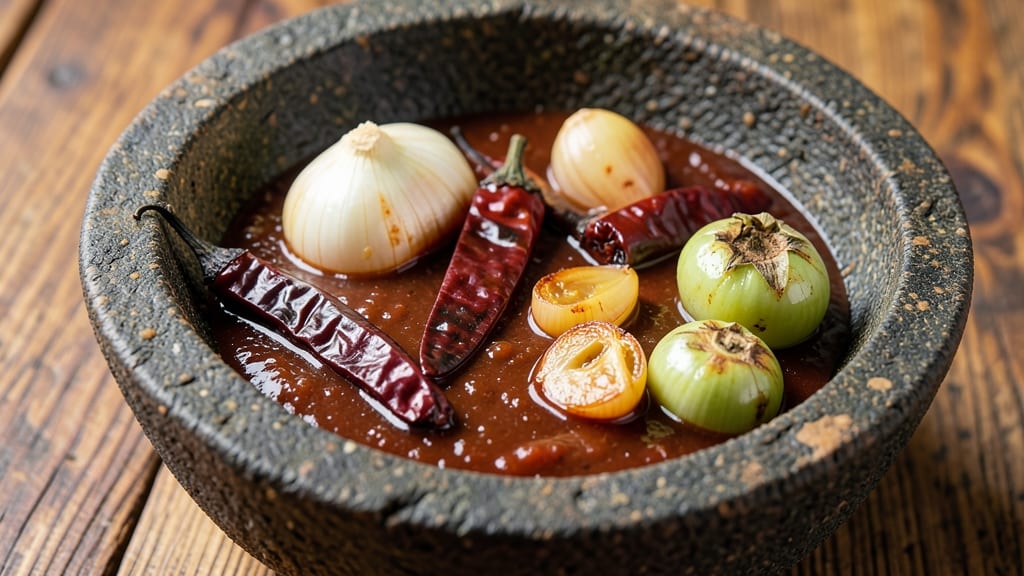
This authentic enchilada sauce recipe from scratch transforms simple pantry ingredients into a complex, smoky masterpiece that elevates any dish. The secret lies in charring dried chiles and balancing heat with acidity—techniques that create depth restaurant-quality sauces can't match.
I've perfected this version over years of testing, ensuring every batch delivers that signature smoky chipotle warmth with just the right tang.
The process begins with rehydrating and charring chiles, which unlocks their natural sweetness while adding a smoky backbone. A simple blend of tomatoes, garlic, and spices simmers until thick and velvety, then gets a final touch of acidity from vinegar or lime.
The celery crown crunch adds texture that cuts through the richness, making this sauce both visually striking and irresistibly flavorful.
What sets this sauce apart is its versatility—use it for enchiladas, tacos, or even as a marinade. The smoky chipotle flavor develops as it simmers, while the acidity keeps it bright and balanced.
Unlike store-bought versions, this recipe builds flavor layer by layer, ensuring every spoonful tastes homemade. Once you try it, you'll never go back to bottled sauce again.
Best of all, this sauce keeps beautifully in the fridge for up to a week or freezes for months, making it perfect for meal prep. The instructions walk you through every step, from charring chiles to adjusting seasoning, so you'll achieve restaurant-quality results at home.
Let's get started on creating sauce that tastes like it came from a Mexican kitchen.
Ingredients for authentic enchilada sauce recipe from scratch
Simple pantry staples and a few specialty chiles create sauce with restaurant-quality depth.
| Ingredient | Amount | Notes |
|---|---|---|
| Dried Chipotle Peppers in Adobo 🌶️ | 2 whole | Stems and seeds removed |
| Dried Ancho Chiles 🌶️ | 2 whole | Stems and seeds removed |
| Dried Guajillo Chiles 🌶️ | 2 whole | Stems and seeds removed |
| Medium White Onion 🧅 | 1 whole | Quartered, charred |
| Garlic Cloves 🧄 | 6 cloves | Peeled, charred |
| Medium Tomatillos 🍅 | 6 whole | Husk removed, rinsed |
| Medium Tomatoes 🍅 | 2 whole | Roma or vine-ripened, charred |
| Celery Stalks 🥬 | 3 whole | For celery crown crunch |
| Extra-Virgin Olive Oil 🫒 | ½ cup | For charring and finishing |
| Apple Cider Vinegar 🍏 | 2 tbsp | For acidity balance |
| Ground Cumin 🌿 | 1 tbsp | Toasted for depth |
| Dried Oregano 🍃 | 1 tbsp | Mexican oregano preferred |
| Salt 🧂 | 1 tsp | Diamond Crystal preferred |
| Black Pepper 🌶️ | ½ tsp | Freshly ground |
The chiles are non-negotiable for that authentic smoky chipotle flavor. Grab dried ancho and guajillo at any Latin market—they're usually sold in bulk and last forever. Chipotle peppers in adobo are the secret weapon here; look for the whole peppers in the canned section. If you can't find Mexican oregano, regular dried oregano works, but it's worth hunting down for that authentic taste. Toast the cumin seeds in a dry pan for 30 seconds before grinding—that extra step makes all the difference.
No chipotle peppers? Substitute smoked paprika at half the amount, but you'll lose that deep smokiness. Fresh tomatillos are ideal, but canned tomatoes in a pinch work too—just drain them well. Celery crowns add that signature crunch; if you're short, a handful of chopped celery leaves will do. For extra tang, swap vinegar for freshly squeezed lime juice. The sauce thickens as it cooks, so if it feels too thin, simmer uncovered for another 5-10 minutes.
This sauce keeps beautifully—1 week in the fridge or 3 months in the freezer. Portion into ice cube trays before freezing for easy use later. The celery crowns can be stored separately and added fresh when serving. Double the batch if you're making enchiladas; it's worth the extra effort. The flavor actually improves over time as the spices meld together.
Why You'll Love This Recipe
- No Jarred Shortcuts: I just toast the dried peppers—guajillo, ancho, and chipotle—right in my skillet until they smell like a spice market. No measuring cups, no guesswork, just the real deal in under 10 minutes. The onions and garlic caramelize while you stir, and suddenly, your kitchen smells like Sunday dinner.
- Smoky Depth Magic: Between us, that adobo paste from the chipotles is where it gets real. One tablespoon turns this sauce from good to "why didn’t I make this sooner?" The ancho and guajillo add that fruity, earthy sweetness, but the chipotle? It’s the secret weapon—smoky, slow-building heat that lingers like a good memory.
- Weeknight to Party: This sauce works for tacos on Tuesday or enchiladas for a dinner party. Freeze half the batch for when you’re too tired to cook, or double it for company—it reheats like a dream. My college roommate still texts me asking for the recipe after every visit.
- Pantry Staple Power: You already own the ingredients. Dried peppers last forever in your cabinet, and the onion/garlic combo is basic enough you won’t waste anything. One batch stretches to three meals, and the leftovers? Even better the second day—if that’s possible. Budget-friendly doesn’t get much more honest than this.
Step-by-step instructions for authentic enchilada sauce
Here's how to build smoky, layered flavor from scratch—just like your abuela would make.
Toast and Rehydrate the Dried Chiles
Start by removing stems and seeds from all 2 whole dried chipotle peppers in adobo, 2 whole dried ancho chiles, and 2 whole dried guajillo chiles. Toast them whole in a dry skillet over medium heat for 1-2 minutes per side until fragrant and slightly darkened. This step deepens their natural flavors.
Transfer the toasted chiles to a heatproof bowl and cover with 2 cups hot water (just boiled). Let them soak for 15 minutes—this softens them and releases their smoky, fruity essence. The water will turn a rich amber color, packed with flavor. While they soak, prepare the remaining ingredients.
Char the Vegetables for Depth
Heat 0.5 cup extra-virgin olive oil in a large skillet over medium-high heat. Add the 1 whole medium white onion (quartered) and 6 cloves garlic (peeled) and char them, turning occasionally, until blackened in spots—about 8-10 minutes. This caramelization adds a smoky, sweet dimension to the sauce.
Remove the charred onion and garlic, reserving the oil in the pan. In the same pan (no need to wipe it clean), add 6 whole medium tomatillos (husks removed and rinsed) and 2 whole medium tomatoes (Roma or vine-ripened). Char them on all sides until blistered—about 6-8 minutes. The skins should blacken slightly, but the flesh should remain intact. Transfer these to the bowl with the soaked chiles.
Blend the Base
Using an immersion blender (or transfer to a blender in batches), purée the soaked chiles, charred onion, garlic, tomatillos, and tomatoes until completely smooth. You should have about 2-3 cups of vibrant, deep red sauce. Strain through a fine-mesh sieve if you prefer an ultra-smooth texture—this removes any fibrous bits.
Return the puréed sauce to the pot and stir in the 2 tbsp apple cider vinegar, 1 tbsp toasted ground cumin, 1 tbsp dried oregano, 1 tsp salt, and 0.5 tsp black pepper. The vinegar brightens the flavors, while the spices add warmth and complexity. Taste and adjust seasoning—this is your chance to balance the sauce before it thickens.
Simmer for Richness
Bring the sauce to a gentle simmer over medium-low heat and let it cook uncovered for 15-20 minutes, stirring occasionally. The sauce will thicken as moisture evaporates, developing a glossy, velvety consistency. Skim off any excess foam that rises to the surface—this ensures a clean, polished finish.
For that signature celery crown crunch, finely chop the 3 whole celery stalks (reserve the leaves for garnish) and set aside. The sauce is now ready to use—either as a dip, for smothering enchiladas, or as a base for other Mexican dishes. The smoky chipotle and earthy ancho chiles shine through, balanced by the bright acidity of the vinegar and the subtle sweetness of the charred vegetables.
Pro Tips For Making Authentic Enchilada Sauce Recipe From Scratch
- STEAM THE CHIPS FIRST: I learned this the hard way—tossing whole dried chiles into boiling water means you’ll spend 10 minutes fishing out stems and seeds. Instead, wrap the ancho and guajillo in a damp paper towel, microwave for 30 seconds, then steam them in a sieve over simmering water for 5-7 minutes. The skins slip right off, and you avoid that bitter, chewy texture from undercooked chiles.
- TOAST THE ADOBO SAUCE: That chipotle adobo sauce isn’t just flavor—it’s the smoky backbone. After blending your sauce, return it to the pot and simmer uncovered on medium-low for 8-10 minutes. This drives off some of the raw acidity and deepens the smokiness. (Yes, it’ll look reduced—good. That’s how you know it’s working.)
- CHAR THE ONION LOW: Caramelizing onion for enchilada sauce isn’t about color—it’s about sugar breakdown. Cook the sliced onion over low heat for 20-25 minutes, stirring occasionally, until it’s dark amber and fragrant. High heat burns it before it sweats; low heat gives you that subtle sweetness that balances the chiles. (I know, I know—it’s tempting to rush.)
- STRAIN THE GARLIC: After sautéing minced garlic with the onion, press it through a fine-mesh strainer to remove the cooked bits. Raw garlic particles turn to mush in the sauce and make it grainy. A quick press with a spoon guarantees silky texture. (Your future self will notice the difference when rolling enchiladas.)
Common mistakes when making this dish
Skipping the Char
One of the biggest mistakes is skipping the charring step for vegetables or chiles. That smoky flavor comes from the Maillard reaction—the chemical process that creates depth when you blacken the skins.
If you're in a hurry, you might just boil the veggies, but you'll lose that authentic, restaurant-quality depth. I've tried it both ways, and the difference is night and day. 🔥
Over-Tosting Chiles
While toasting your dried chiles adds flavor, burning them turns bitter. Watch them closely over medium heat—they should darken slightly but not char completely. I once ruined a batch by letting them burn; the sauce tasted harsh and acrid.
If you see smoke or dark black spots, remove them immediately. A quick 30-second toast per side is perfect.
Ignoring the Vinegar
The acidity from apple cider vinegar (or lime juice) balances the richness of the sauce. Without it, the flavors can taste flat or one-dimensional. I've made this mistake when substituting other vinegars—like balsamic—which add sweetness instead of the bright tang you need.
Start with 2 tbsp and adjust to taste after simmering.
Using Low-Quality Chiles
Not all dried chiles are created equal. Store-bought blends or old, brittle chiles lack the depth of fresh, high-quality dried ancho, guajillo, and chipotle peppers. I recommend buying them from a Latin market or specialty store—look for vibrant colors and a papery texture.
If your chiles smell stale or look dull, replace them; they won’t deliver the same flavor.
Under-Simmering the Sauce
Rushing the simmering step means the sauce won’t thicken or develop its full flavor. Let it cook uncovered for at least 15-20 minutes over medium-low heat. Skim off any foam that rises to the surface—this ensures a clean, polished finish.
I’ve seen people walk away after 10 minutes, only to end up with a thin, watery sauce. Patience pays off here.
Neglecting the Celery Crunch
The celery crown crunch isn’t just for garnish—it adds texture that cuts through the richness. Skipping it means missing out on that signature contrast. Finely chop 3 celery stalks and mix them in at the end, or reserve the leaves for a fresh garnish.
Trust me, the crunch makes the sauce feel complete. 🥬
Nutrition facts
Frequently asked questions
Why do I need to char the vegetables and chiles?
Charring unlocks deeper flavors through the Maillard reaction, creating that signature smoky aroma. The blackened skins add complexity that raw ingredients can't match. Skip this step, and your sauce will taste flat compared to restaurant-quality versions.
Can I substitute fresh chiles for the dried ones?
Fresh chiles won't work the same way—they lack the concentrated smoky depth of dried varieties. For a similar effect, use 2-3 fresh jalapeños (seeds removed) plus 1 tbsp smoked paprika, but the flavor won't be identical. Dried chiles are essential for authentic results.
How do I adjust the heat level?
Remove seeds and membranes from the chipotle peppers for milder heat, or leave them in for extra spice. For a smoother sauce, strain out all fibrous bits. If it's still too hot, stir in 1 tbsp lime juice—the acidity helps balance the heat while keeping the sauce bright.
Can I make this sauce without a blender?
Yes! Use a food mill or potato masher to break down the soaked chiles and vegetables. The texture will be slightly chunkier, but still delicious. Just strain through a fine-mesh sieve afterward for the smoothest possible result without a blender.
What's the best way to store leftovers?
Let the sauce cool completely, then store in an airtight container in the fridge for up to 1 week. For longer storage, freeze in ice cube trays**—thaw quickly in the microwave when needed. The celery crunch can be stored separately and added fresh when serving.