
Sauces & Condiments
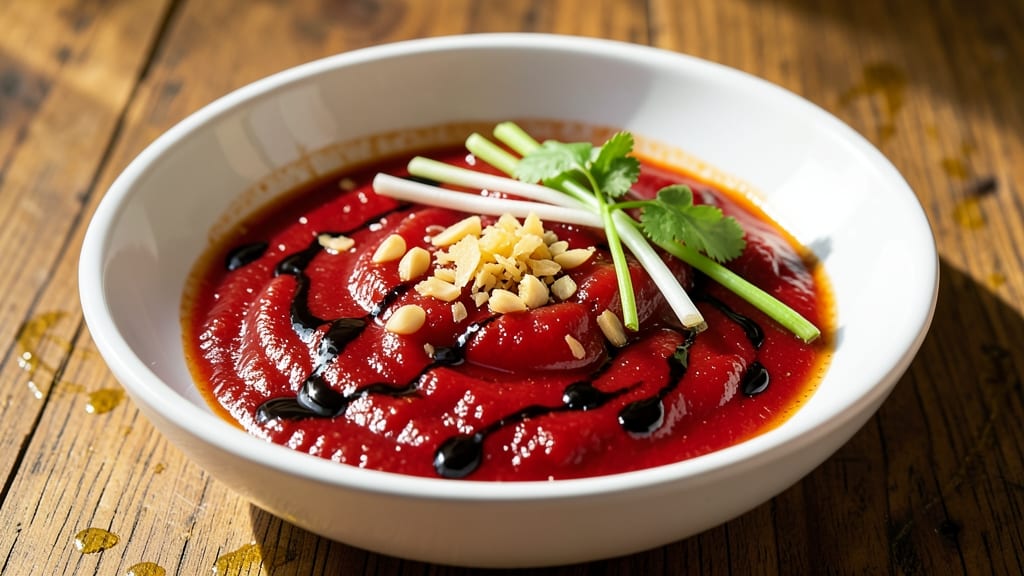
This Asian tomato sauce recipe transforms simple ingredients into a glossy, umami-rich glaze that elevates stir-fries, marinades, and even pasta dishes. The secret lies in balancing sweet tomatoes with tangy vinegar and deep umami from soy sauce, creating a sauce that's vibrant, complex, and impossible to resist.
I developed this recipe after years of experimenting with Asian-inspired sauces, and it consistently delivers that restaurant-quality depth at home.
The beauty of this sauce is its versatility—it works as a quick stir-fry glaze, a marinade for meats or tofu, or even a tangy pasta sauce.
The process involves simmering tomatoes with aromatics until they break down into a smooth, velvety consistency, then finishing with a splash of rice vinegar for that signature zing. What you'll end up with is a sauce that's rich enough to stand alone but bright enough to complement any dish.
What makes this recipe stand out is how it combines familiar ingredients in a way that feels both comforting and exciting. The tomatoes provide natural sweetness, while the soy sauce and garlic add layers of savory depth.
A touch of sugar helps balance the acidity, ensuring the sauce never tastes harsh or one-dimensional. Best of all, it keeps well in the fridge for up to a week or freezes beautifully for later use.
Whether you're tossing it with noodles, drizzling it over grilled proteins, or using it as a marinade, this sauce will become a staple in your kitchen.
The instructions are straightforward, and the results are consistently impressive—no fancy techniques required. Let's get started on creating this flavor-packed sauce that will transform your meals.
Ingredients for asian tomato sauce
Ten ingredients transform into a velvety sauce with restaurant-quality umami depth and vinegar zing.
| Ingredient | Amount | Notes |
|---|---|---|
| San Marzano Crushed Tomatoes 🍅 | 1 can | 28 oz can, high-quality preferred |
| Rice Vinegar 💧 | 2 tbsp | Unseasoned, for tangy brightness |
| Light Soy Sauce 🥢 | 2 tbsp | Kikkoman preferred for balance |
| Dark Soy Sauce 🥢 | 1 tbsp | For deeper umami complexity |
| Garlic Cloves 🧄 | 3 cloves | Minced, for aromatic depth |
| Fresh Ginger 🌿 | 1 tbsp | Finely grated, not powdered |
| Granulated Sugar 🍚 | 1 tbsp | Balances acidity, not honey |
| Sesame Oil 🥜 | 1 tsp | Toasted, for nutty aroma |
| Extra-Virgin Olive Oil 🫒 | 1 tbsp | For smooth texture, fruity |
| Diamond Crystal Kosher Salt 🧂 | ½ tsp | Adjusts seasoning to taste |
The tomatoes anchor this sauce—San Marzano delivers the sweetness and acidity balance you can't get from standard canned tomatoes. Trader Joe's and Whole Foods carry high-quality options, but any 28-ounce can will work if labeled 'crushed' or 'diced.' Fresh ginger and garlic should be vibrant, not shriveled or discolored. The ginger can be peeled with a spoon for convenience, but the skin is edible and adds subtle texture. For soy sauce, Kikkoman light and dark provide the perfect balance of saltiness and umami without overpowering the delicate tomato flavor.
No rice vinegar? Apple cider vinegar works in a pinch, though it has a slightly different profile. Substitute mirin for half the sugar if you want to add a touch of sweetness without granulated sugar. Fresh ginger powder loses its punch quickly—stick with fresh or frozen if possible. The sesame oil should be toasted, not the flavored kind from the bottle. For a quicker version, garlic powder and ginger powder work at half the amount, though fresh is ideal. If you prefer less salt, reduce the kosher salt to a pinch and taste as you go—the sauce should be savory but not briny.
This sauce thickens as it cools, so don't worry if it looks thin immediately after simmering. Store in an airtight container in the fridge for up to 1 week, where it continues to develop flavor. For longer storage, freeze in ice cube trays—perfect for portioning. Reheat gently on low heat or microwave until just warm. The sauce reheats beautifully, making it ideal for meal prep. If it separates slightly upon reheating, just stir vigorously—it'll come back together.
Why You'll Love This Recipe
- Foolproof Simplicity: I swear, this sauce comes together with five ingredients—no fancy techniques, no stress. Just crushed tomatoes, a splash of vinegar, and a quick mincing of garlic while the pan heats. Honestly, my lazy nights thank me every time.
- Umami Bomb: That combo of light and dark soy sauce? It’s like a flavor explosion in your mouth. The San Marzano tomatoes add sweetness, the garlic hits just right, and the rice vinegar cuts through it all—bright, tangy, and ridiculously satisfying.
- Pantry-to-Table Magic: Need a quick weeknight dinner? Toss this sauce over noodles, stir-fry veggies, or even drizzle it on grilled chicken. Between us, it’s my go-to for lazy Sundays or last-minute takeout cravings—no one ever guesses how little effort it took.
- Budget Hero: A single can of tomatoes and a bottle of soy sauce stretch for weeks—this sauce keeps like a dream and costs pennies per serving. I make a big batch on Sundays, and by Wednesday, I’m still using it up without breaking the bank. (Yes, even on a Tuesday night.)
Step-by-step instructions for Asian tomato sauce
This sauce builds layer upon layer of flavor—start with the aromatics, then balance sweet, salty, and tangy elements.
Bloom the Aromatics in Olive Oil
Heat the 1 tablespoon extra-virgin olive oil in a medium saucepan over medium-low heat. Add the 3 cloves minced garlic and 1 tablespoon finely grated fresh ginger, stirring constantly for 30 seconds until fragrant but not browned. This step unlocks the sauce's aromatic foundation—don't rush it, or you'll burn the delicate flavors.
Watch for the moment when the garlic releases its pungent aroma and the ginger softens slightly. You'll know it's ready when the mixture smells intensely aromatic but hasn't developed any brown color. Remove from heat immediately after—overcooking turns these ingredients bitter, which will ruin the sauce's balance.
Combine Wet Ingredients and Simmer
Return the pan to medium heat and add the 1 can San Marzano crushed tomatoes, 2 tablespoons rice vinegar, 2 tablespoons light soy sauce, 1 tablespoon dark soy sauce, 1 tablespoon granulated sugar, and 0.5 teaspoon Diamond Crystal kosher salt. Stir well to incorporate all ingredients.
Bring the mixture to a gentle simmer, then reduce heat to low and let it cook uncovered for 15-20 minutes, stirring occasionally. You're looking for a sauce that thickens noticeably and reduces by about one-third—this concentration deepens the flavors. The sauce should coat the back of a spoon with a velvety consistency rather than be watery.
If the sauce starts to stick or darken too much, add 1-2 tablespoons water to maintain even cooking. The goal is a glossy, balanced sauce that's neither too thick nor too thin—this is where the magic happens.
Finish with Sesame Oil and Adjust Seasoning
Remove the pan from heat and stir in the 1 teaspoon sesame oil. This final addition adds a nutty aroma that elevates the sauce from good to exceptional. The oil should blend seamlessly, creating a silky texture that coats the tongue.
Taste and adjust seasoning if needed—this is your chance to perfect the balance. If the sauce tastes too acidic, add a pinch more sugar. If it needs more depth, a splash of light soy sauce or a tiny pinch of salt can help. The sauce should sing with bright tang, savory umami, and subtle sweetness all working in harmony.
For best results, let the sauce sit at room temperature for 5 minutes before using. This resting period allows the flavors to meld completely, ensuring every spoonful delivers maximum impact. Serve warm over stir-fried vegetables, grilled meats, or noodles for an authentic Asian-inspired dish.
Pro Tips For Making Asian Tomato Sauce
- Bloom the Garlic First: Crush those garlic cloves with the flat side of your knife before adding them to the pan—this releases more flavor faster. I used to just chop it, and the sauce always tasted like it was missing something. Two minutes of extra work makes a real difference, especially when you’re balancing the sweetness of San Marzano tomatoes.
- Simmer, Don’t Boil: Keep the heat at a gentle simmer once the tomatoes and soy sauces are in the pot—boiling turns the sauce bitter and dulls the vinegar’s bright edge. I learned this after one disaster where the sauce tasted like it had been reduced too aggressively. A steady, low bubble preserves the balance of flavors.
- Balance the Soy Sauces: Use twice as much light soy sauce as dark—this keeps the sauce from tasting overly salty or bitter. Dark soy adds depth, but light soy carries the flavor. I used to eyeball it and end up with a sauce that was either flat or inedible. A quick ratio fix solves that.
- Strain for Smoothness: If you’re serving this over delicate noodles or rice, strain the sauce through a fine-mesh sieve after cooking—it removes any lingering garlic bits or skin that can make the texture uneven. I skip this when I’m lazy, but the dish is noticeably cleaner and more refined when I don’t.
Creative variations of these flavors
Japanese-Inspired Tomato Ponzu
Swap the soy sauce for 2 tbsp ponzu sauce (like Kikkoman) and add 1 tbsp mirin to create a citrusy, umami-packed Japanese variation. This version works beautifully with grilled fish or sashimi—just reduce the rice vinegar to 1 tbsp to balance the ponzu's natural acidity.
The result is a glossy, tangy sauce with a bright citrus note that cuts through rich proteins. 🍋
Thai-Inspired Tomato Curry Base
Transform this sauce into a Thai-inspired curry base by adding 1 tbsp red curry paste (like Maesri) and ½ cup coconut milk after simmering. Reduce the soy sauce to 1 tbsp light and add 1 tsp fish sauce for depth.
This version pairs perfectly with chicken satay or tofu stir-fries, delivering a sweet-spicy kick. The coconut milk adds a velvety texture that complements the tomato's acidity beautifully.
Korean Gochujang Glaze
For a Korean-inspired twist, stir in 1 tbsp gochujang (Korean chili paste) and ½ tsp grated ginger after simmering. Reduce the rice vinegar to 1 tbsp and add 1 tsp honey to balance the heat.
This glaze is perfect for drizzling over bulgogi beef or grilled pork belly—it adds a spicy-sweet depth that’s irresistibly addictive. The gochujang’s fermented funk elevates the sauce to a whole new level of complexity. 🌶️
Vietnamese Fish Sauce Marinade
Create a Vietnamese-inspired marinade by replacing the soy sauce with 2 tbsp fish sauce (like Red Boat) and adding 1 tbsp lime juice instead of rice vinegar. This version is ideal for marinating shrimp or tofu before grilling—it delivers a bold, salty-sour punch that’s perfect for summer dishes.
The fish sauce adds an unmistakable umami depth, while the lime keeps the sauce bright and refreshing.
Sweet and Tangy BBQ Glaze
For a fusion twist, add 1 tbsp molasses and ½ tsp smoked paprika to the sauce after simmering. Reduce the rice vinegar to 1 tbsp and add 1 tsp apple cider vinegar for extra tang.
This glaze works wonders on pulled pork or grilled chicken—it’s sweet, smoky, and tangy with a hint of spice. The molasses deepens the flavor, while the smoked paprika adds a subtle charred note that’s perfect for barbecue lovers. 🔥
Nutrition facts
Frequently asked questions
Can I substitute regular canned tomatoes for San Marzano?
You can try, but the flavor won't be as refined. Regular tomatoes lack the natural sweetness and balanced acidity of San Marzano, which gives this sauce its signature depth. If you must substitute, choose a high-quality crushed tomato brand and add an extra ½ teaspoon sugar to compensate for the lower sweetness.
How do I prevent the sauce from tasting too salty?
Taste as you go! The sauce should be savory but not briny. If it's too salty, add 1-2 tablespoons water or 1 teaspoon sugar to balance. The dark soy sauce contributes the most saltiness, so use slightly less if you're sensitive to sodium. Always adjust gradually—you can't reverse oversalting easily.
What's the best way to store leftover sauce?
Transfer the sauce to an airtight container and refrigerate for up to 1 week. For longer storage, freeze in ice cube trays—perfect for portioning. When reheating, warm gently on low heat or microwave until just warm. The sauce thickens as it cools, so thin with water if needed before using.
Can I make this sauce without fresh ginger?
Yes! Use ½ teaspoon ground ginger or 1 teaspoon ginger powder as a substitute. For best results, toast the powder in a dry pan for 30 seconds to enhance its aroma. Fresh ginger delivers more complexity, but powder works in a pinch—just don't expect the same depth of flavor.
How can I use this sauce beyond stir-fries?
This versatile sauce works as a marinade for grilled chicken or tofu, a pasta sauce, or even a dipping sauce for spring rolls. Try reducing it by half to create a glossy glaze for roasted vegetables or drizzle it over ramen for instant umami. The possibilities are endless—experiment with different proteins and dishes!