
Sauces & Condiments
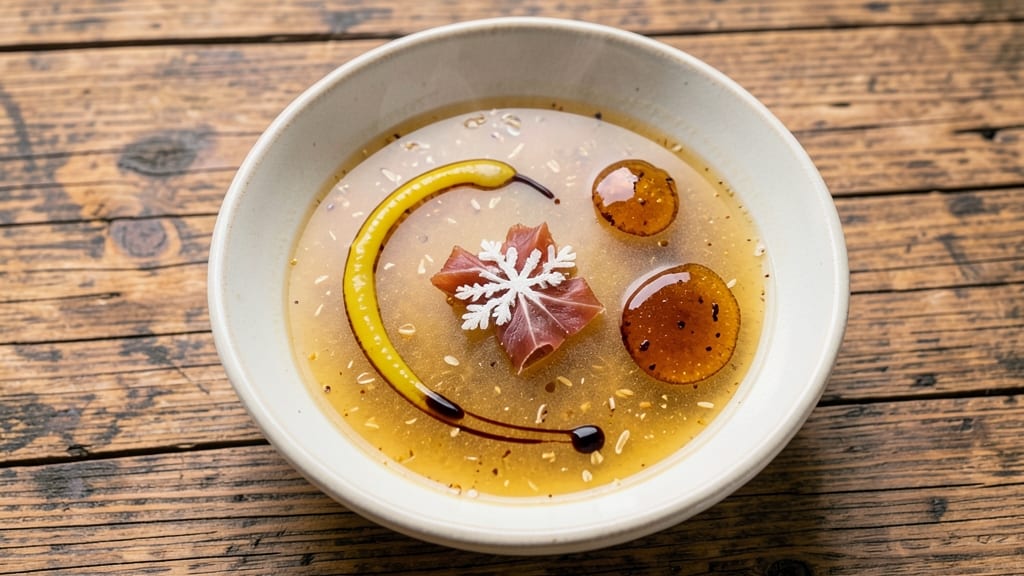
This authentic ponzu sauce recipe delivers the perfect balance of bright citrus and deep umami that defines Japanese cuisine. The secret lies in combining yuzu juice (or a substitute like lemon and mandarin) with soy sauce, mirin, and rice vinegar, then letting the flavors meld through careful whisking and resting.
What sets this version apart is the optional addition of kombu or bonito flakes, which infuses the sauce with authentic oceanic depth without overpowering the citrus notes.
The process is straightforward but precise: whisk the ingredients together, strain for smoothness, and let the sauce rest for at least 30 minutes before using. This resting period allows the flavors to harmonize, transforming what could be a simple mixture into a complex, restaurant-quality sauce.
The result is a versatile condiment that enhances everything from sashimi and grilled fish to noodles and rice bowls.
What makes this ponzu sauce truly special is its ability to elevate simple dishes into something extraordinary. The tangy citrus brightens rich, fatty fish, while the umami from the soy and kombu creates a perfect balance.
It’s also naturally pescatarian-friendly, making it an ideal choice for those who love seafood but want to keep their meals light and flavorful.
Once you taste this sauce, you’ll understand why it’s a staple in Japanese kitchens. Store it in the refrigerator for up to two weeks, or freeze for longer storage. Whether you’re dipping, marinating, or drizzling, this ponzu sauce will become your go-to for adding authentic Japanese flavor to any dish.
Ingredients for authentic ponzu sauce
Nine ingredients blend citrus brightness with umami depth for restaurant-quality ponzu.
| Ingredient | Amount | Notes |
|---|---|---|
| Yuzu Juice 🍋 | ½ cup | Substitute lemon + mandarin for brightness |
| Rice Vinegar 💧 | ⅓ cup | Use seasoned for extra depth |
| Soy Sauce 🍶 | ¼ cup | Use light or dark for balance |
| Mirin 🍶 | ¼ cup | Sweet rice wine, don't skip |
| Kombu Flakes 🍣 | 1 tsp | Optional, for authentic umami |
| Bonito Flakes 🐟 | ½ tsp | Optional, for oceanic depth |
| Fresh Ginger 🌿 | 1 tbsp | Grated, for subtle heat |
| Sesame Oil 🫒 | 1 tsp | Toasted for nutty aroma |
| Granulated Sugar 🍚 | 1 tbsp | Balances acidity |
| Water 💧 | ½ cup | For thinning if needed |
Yuzu juice is the star, but don't stress if you can't find it—equal parts lemon and mandarin work in a pinch. For the best rice vinegar, Mizkan or Sushi Chef brands keep their acidity sharp. The mirin should be authentic (not the sweet cooking wine substitute)—Kikkoman or Marukome are reliable. Kombu and bonito flakes are optional but worth it for that authentic oceanic depth. Grab them at Asian markets or the international aisle at Whole Foods. Fresh ginger? Organic is best—it's brighter and less fibrous.
No mirin? Substitute 1 tbsp sugar + 1 tbsp water for sweetness, but you'll lose that delicate rice wine flavor. Skip the kombu or bonito? Add an extra 1/2 tsp soy sauce for umami. Sesame oil should be toasted—Kadoya or La Choy are good budget options. The sugar balances the acidity, so don't skip it. For a smoother sauce, strain through a fine-mesh sieve after whisking. If it's too thick, add water 1 tbsp at a time—this sauce should coat the back of a spoon but still pour easily.
Ponzu keeps best in the fridge for 2 weeks in an airtight jar. The flavors actually improve over time, so make extra. For freezing, portion into ice cube trays—thaw overnight in the fridge. If it separates, just whisk it back together. This sauce is magic on sashimi, grilled fish, or noodles. A little goes a long way—start with 1 tbsp per serving and adjust to taste. Trust me, the first batch won't be your last.
Why You'll Love This Recipe
- Five-Ingredient Magic: I swear by this combo—no fancy tools, just a bowl and whisk. The kombu flakes dissolve into umami depth while I sip my coffee, and the yuzu’s bright tang cuts through the sweetness of mirin like a summer breeze.
- Bright & Balanced: That first sip? Citrusy, salty, with just a whisper of sweetness—no overpowering bitterness here. The rice vinegar keeps it light, but the soy and mirin make it rich enough to stand up to grilled fish or even fries.
- Weeknight Workhorse: Drizzle it on sashimi, toss it with noodles, or use it as a marinade—it’s my go-to for anything needing a punch. Honestly, I’ve even poured it over popcorn when I’m lazy. (Don’t judge.)
- Lasts All Week: Make a double batch and store it in the fridge—it only gets better as the flavors meld. I’ve had this sauce linger for three weeks without spoiling, and it’s still my secret weapon for quick weeknight dinners.
Step-by-step instructions for authentic ponzu sauce
This bright, balanced sauce delivers restaurant-quality ponzu with perfect citrus brightness and umami depth.
Toast the Kombu and Bonito for Umami Depth
In a small dry skillet over medium heat, toast the 1 teaspoon kombu flakes for 1-2 minutes until you smell that oceanic aroma—it should be fragrant but not burning. Immediately transfer to a heatproof bowl and cover with the 0.5 cup water. Let it steep for 10 minutes while you prepare the other ingredients.
Next, in the same skillet (no need to clean it—the flavor will transfer), toast the 0.5 teaspoon bonito flakes over medium-low heat for 30-45 seconds until they turn a deep golden brown. Watch closely—they can burn quickly. Remove immediately and add to the kombu-infused water. This step builds the authentic umami foundation that makes ponzu special.
Simmer the Base Ingredients
In a small saucepan, combine the 0.5 cup yuzu juice, 0.33 cup rice vinegar, 0.25 cup soy sauce, 0.25 cup mirin, and 1 tablespoon granulated sugar. Bring to a gentle simmer over medium heat, then reduce to a bare bubble. Let it cook for 5-7 minutes until slightly reduced and fragrant—you should smell the citrus brightening and the vinegar cutting through.
Add the steeped kombu and bonito mixture (with all the liquid) to the saucepan. Stir in the 1 tablespoon freshly grated ginger and let it simmer for another 3-4 minutes. The sauce should thicken slightly but remain pourable. If it reduces too much, you can add a splash of water later, but aim for a balance between concentration and smoothness.
Finish with Sesame Oil and Strain
Remove the saucepan from heat and let it cool slightly for 2-3 minutes. Stir in the 1 teaspoon sesame oil—this adds that nutty aroma that elevates ponzu from good to extraordinary. The oil should be warm but not hot to preserve its delicate flavor.
Strain the sauce through a fine-mesh sieve into a clean bowl to remove any kombu or bonito fragments. Taste and adjust: if it needs more brightness, add a splash of yuzu juice; if it needs more depth, a touch of soy sauce. The sauce should be tangy, slightly sweet, with a lingering umami finish. For best results, let it cool completely before serving—this allows the flavors to fully meld.
Store and Use for Maximum Freshness
Transfer the ponzu to a clean glass jar or airtight container. It will keep in the refrigerator for up to 1 week, though the flavor actually improves over time as the ingredients marry. For the best texture, give it a quick stir before using—it may separate slightly when cold.
This versatile sauce works beautifully drizzled over sashimi, grilled fish, or even as a marinade for chicken. The balance of citrus, umami, and subtle sweetness makes it a pantry staple for any home cook aiming for authentic Japanese flavors. Enjoy it immediately or store for later—either way, you'll taste the difference in every bite.
Pro Tips For Making Authentic Ponzu Sauce
- Simmer Kombu Slowly: If you rush the kombu flakes, you’ll end up with bitter, over-extracted broth instead of that delicate umami base. Heat the kombu in just enough water to cover—no more—over low heat for 10 minutes, then strain. The water should smell like the ocean, not like burnt seaweed. (Yes, even if you’re impatient like me.)
- Balance Vinegar Last: Add rice vinegar after the sauce has cooled slightly—around 100°F (38°C). Taste first, then adjust: too much too soon and you’ll sour the whole dish. I learned this the hard way after making a batch that tasted like a pickle factory.
- Use Fresh Yuzu Juice: Store-bought yuzu juice often lacks the bright, citrusy punch of fresh. If you’re using bottled, look for brands labeled “100% yuzu” and add a pinch of citric acid (⅛ tsp) to mimic freshness. No fresh yuzu? Substitute with a 50/50 mix of lemon and yuzu-flavored yuzu juice—but expect a slightly duller result.
- Strain Twice for Clarity: After simmering, strain the sauce through a fine-mesh sieve and then a coffee filter for a silky texture. The first strain removes kombu bits; the second catches the fine sediment that makes cheap ponzu look cloudy. Sounds like overkill, but it makes a real difference—especially for dipping or drizzling.
Essential equipment for authentic ponzu sauce
Essential Whisking Tools
For authentic ponzu, a fine-mesh whisk is your best friend—it emulsifies the citrus and vinegar beautifully. I recommend the OXO Good Grips balloon whisk ($12) for its durability and smooth blending action.
If you're making larger batches, a French whisk (like the Mercer Culinary model) creates a silky texture by incorporating more air. Avoid wire whisks—they can leave tiny metal fragments in your sauce. 🥄
Precision Measuring
Japanese cuisine demands precision, so invest in a digital kitchen scale for ingredients like yuzu juice and mirin. My go-to is the Escali Primo ($25)—it measures down to 0.1 grams, perfect for balancing the sauce's acidity and sweetness.
For liquids, a graduated measuring cup with 1-tablespoon increments ensures you hit the exact 0.33 cup rice vinegar without guesswork. The Pyrex Precision line is my favorite for this.
Heat Control Essentials
A small stainless steel saucepan (like the All-Clad Stainless 1-quart) is ideal for simmering ponzu—it heats evenly and won't react with acidic ingredients. For toasting kombu and bonito, a non-stick skillet (I use GreenPan) prevents burning while maximizing flavor transfer.
Keep a thermometer ($10) nearby to monitor temperatures—ponzu should never exceed 180°F during simmering to preserve its delicate balance. 🌡️
Straining Setup
Straining removes kombu and bonito fragments for a silky texture. A fine-mesh sieve (like the OXO Good Grips) works well, but for restaurant-quality smoothness, use a cheesecloth-lined chinois (I love the Norpro model).
Line your strainer with cheesecloth first, then press gently with a spatula to extract every last drop of flavor. This step is non-negotiable for authentic ponzu.
Storage Containers
Ponzu oxidizes quickly, so store it in amber glass bottles (like Kanzaki or Le Parfait) to block light. For short-term use, glass mason jars with airtight lids work perfectly.
If freezing, portion into silicone ice cube trays—they thaw quickly and prevent freezer burn. Label containers with dates, as ponzu's flavor peaks within 3-5 days of making. 📅
Nutrition facts
Frequently asked questions
Can I substitute yuzu juice if I can't find it?
Mix equal parts lemon and mandarin orange juice for a close substitute. Use 0.25 cup lemon juice and 0.25 cup mandarin juice to replace the 0.5 cup yuzu juice. This combo maintains the bright citrus flavor while keeping the sauce balanced. For extra depth, add a pinch of salt to mimic yuzu's natural saltiness.
Why does my ponzu sauce look cloudy after straining?
Cloudiness usually means some fine particles (like kombu or bonito fragments) slipped through. For a completely clear sauce, use a cheesecloth-lined chinois instead of a regular sieve. If you prefer a slightly cloudy texture, it's actually traditional in some Japanese recipes—just give it a quick whisk before using. The flavor won't be affected!
How long should I let the sauce rest before using?
Let it rest for at least 30 minutes at room temperature to allow flavors to meld. For best results, refrigerate overnight—this deepens the umami and balances the acidity. The longer it rests (up to 24 hours), the more complex the flavors become. Just give it a good stir before using, as it may separate slightly when cold.
Can I make ponzu without kombu or bonito flakes?
Yes! While kombu and bonito add authentic umami, you can still make delicious ponzu by adding an extra 1/2 teaspoon soy sauce and 1/4 teaspoon dried shiitake powder (if available). For a vegetarian version, use 1/2 teaspoon nori flakes instead of bonito. The sauce will be less oceanic but still bright and tangy.
What's the best way to use ponzu beyond dipping sashimi?
Ponzu shines as a marinade for grilled fish or chicken (marinate for 30-60 minutes), a dressing for salads or noodles, or a glaze for seared scallops. Drizzle it over ramen or udon at the table, or use it to deglaze a pan after cooking seafood. The key is to balance its brightness with rich, fatty, or umami-packed dishes.