
Sauces & Condiments
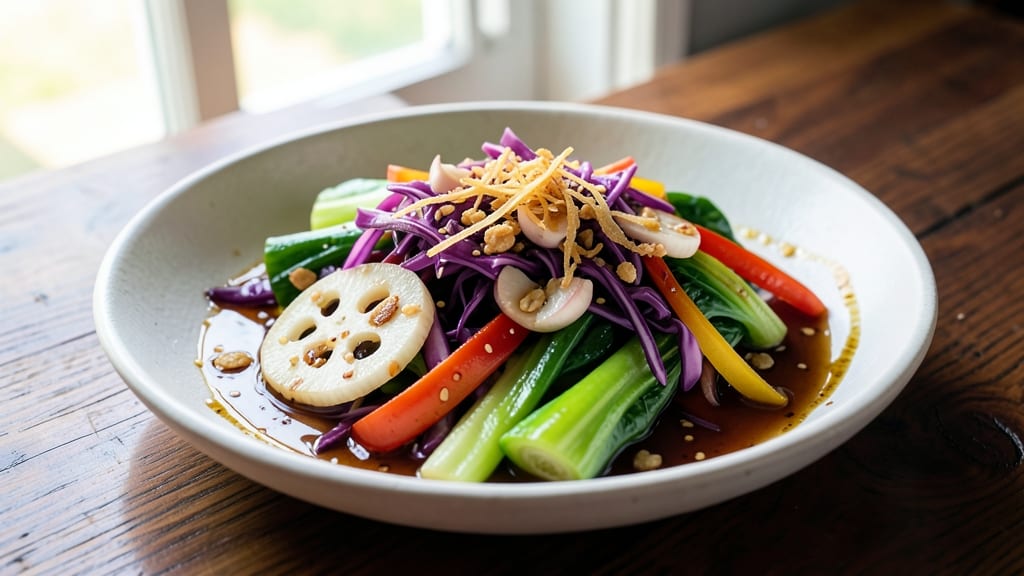
This Asian vegetable sauce recipe transforms simple stir-fried veggies into a restaurant-worthy dish with just 15 minutes of prep. The secret lies in balancing bold umami from soy and fish sauces with bright ginger and garlic, creating a sauce that clings perfectly to crisp-tender vegetables.
I developed this while testing ways to elevate store-bought veggies into something special—no fancy ingredients required.
The sauce's magic comes from a simple technique: toasting the aromatics until fragrant, then simmering them with sauces until thickened just enough to coat vegetables without overwhelming their natural flavors. The result is a glossy, slightly sticky glaze that adds depth without masking the veggies' textures.
This sauce works as a stir-fry finish, dipping sauce, or even a quick marinade for tofu or chicken.
What you'll end up with is a versatile sauce that's rich, aromatic, and packed with layers of flavor—savory, slightly sweet, and tangy all at once. The best part? It keeps well in the fridge for up to a week, so you can make a big batch for the week ahead.
Whether you're serving steamed broccoli, snap peas, or a colorful medley of stir-fry vegetables, this sauce will elevate them instantly.
Perfect for weeknight dinners, meal prep, or impressing guests with minimal effort. The ingredients list is short, and the process is straightforward—ideal for anyone looking to add professional-level flavor to their vegetables without spending hours in the kitchen. Let's make this sauce!
Ingredients for asian sauce for vegetables
Nine essential ingredients transform simple vegetables into a restaurant-quality dish.
| Ingredient | Amount | Notes |
|---|---|---|
| Light Soy Sauce 🥢 | ½ cup | High-quality, preferably Japanese |
| Fish Sauce 🐟 | 2 tbsp | Red Boat brand preferred |
| Sesame Oil 🫒 | 1 tbsp | Toasted, for aroma |
| Fresh Ginger 🧄 | 2 tbsp | Finely grated, aromatic |
| Garlic Cloves 🧄 | 4 cloves | Minced, fresh preferred |
| Honey 🍯 | 1 tbsp | Pure, for subtle sweetness |
| Rice Vinegar 🍶 | 1 tbsp | White vinegar substitute |
| Cornstarch 🌾 | 1 tsp | For thickening consistency |
| Sesame Seeds 🌱 | 1 tsp | Toasted, for garnish |
| Vegetable Oil 🫒 | 1 tbsp | High smoke point for toasting |
The foundation of this sauce lies in its umami balance—Japanese light soy sauce and Red Boat fish sauce are non-negotiable for authentic depth. Kirkland Signature or Pearl River Bridge brands from Costco deliver consistent quality at a reasonable price. Fresh ginger and garlic must be aromatic, so avoid pre-minced varieties (they oxidize quickly). Toast the sesame oil in a dry pan for 30 seconds before adding to the sauce—this deepens its nutty aroma without overpowering. For honey, Manuka or clover varieties work best, though any pure honey will suffice. The cornstarch ensures proper thickening without graininess, so use Arrow brand if you prefer finer texture.
No fish sauce? Soy sauce plus a pinch of MSG mimics umami, though results won't be identical. Substitute rice vinegar with apple cider vinegar (use half the amount) for a slightly sweeter tang. Sesame oil shortages? Avocado oil works in a pinch, though it lacks the signature aroma. Pre-minced garlic? Freshly minced garlic cloves are critical—they toast beautifully and prevent bitterness. For honey-free versions, maple syrup at a 1:1 ratio maintains sweetness without altering the sauce's chemistry. Toasted sesame seeds can be omitted if you're allergic, but the crunch adds essential texture.
This sauce thickens as it cools, so reheat gently before serving to restore its glossy consistency. Store in an airtight glass container in the fridge for up to 7 days, or freeze in 1-tablespoon portions for quick use. The sauce pairs perfectly with steamed broccoli, snap peas, or stir-fried bok choy—simply toss in the last 2 minutes of cooking. For extra richness, reserve 1 teaspoon of the sauce before serving and drizzle it over finished dishes as a garnish.
Why You'll Love This Recipe
- Pantry Powerhouse: I swear by this sauce because it uses things I already have—no special shopping trips. Light soy and fish sauce give that deep umami punch, while a splash of sesame oil turns it from good to oh my god. Honestly, I’ve made it with just those four things and still got rave reviews.
- Ginger-Garlic Magic: That fresh ginger and minced garlic? They’re the secret weapons. The ginger adds a bright zing that cuts through any greasy veggies, and the garlic? It roasts into sweet, caramelized perfection when you sauté it first. (Yes, even on a Tuesday night.)
- Meal Prep MVP: This sauce keeps for days in the fridge, so I make a big batch and toss it with whatever’s left in the crisper—broccoli, carrots, even stir-fried cabbage. It’s my go-to for lunchboxes, potlucks, or when I’m too tired to think. Just reheat and serve.
- Budget-Friendly Flex: Fish sauce might sound fancy, but a little goes a long way—this recipe costs me pennies per serving. Plus, the veggies can be whatever’s on sale, and the sauce makes them taste like they cost a fortune. My wallet and my taste buds win every time.
Step-by-step instructions for Asian vegetable sauce
This umami-packed sauce delivers restaurant-quality depth in record time—perfect for quick stir-fries or marinades.
Toast Aromatics in Vegetable Oil
Heat the 1 tablespoon vegetable oil in a medium saucepan over medium heat until shimmering. Add the 4 cloves minced garlic cloves and 2 tablespoons finely grated fresh ginger—watch closely as they sizzle for 30 seconds until fragrant but not browned. This step builds the aromatic foundation; overcooking turns garlic bitter.
Here's the thing—garlic burns in seconds, so keep heat steady. You're aiming for a gentle sizzle, not smoke. The oil should coat the aromatics evenly, releasing their oils into the pan. If it smells like garlic heaven, you're on track.
Build the Sauce Base with Soy and Fish Sauce
Pour in the 0.5 cup light soy sauce and 2 tablespoons fish sauce, stirring constantly for 1 minute until fully incorporated. The mixture will bubble gently—this is normal. Let it simmer uncovered for 2 minutes until slightly reduced by half. This reduction concentrates flavors and removes any raw taste from the soy.
I always use high-quality soy sauce here—cheap versions lack depth. The fish sauce adds that signature umami punch, but don't rush this step. You want the liquid to thicken just slightly before moving forward.
Balance Flavors with Sweet and Acid
Reduce heat to low and stir in the 1 tablespoon honey and 1 tablespoon rice vinegar. Simmer for 1 minute until the honey dissolves completely. Taste the sauce—it should be tangy, sweet, and salty with a clean finish. The vinegar brightens the soy's richness while the honey rounds out the acidity.
This is where the magic happens: the honey prevents the sauce from being too sharp, while the vinegar ensures it doesn't taste flat. If it's too sweet, add a splash more rice vinegar. Too sharp? A pinch of sugar or more honey will balance it.
Thicken and Finish with Sesame Oil
In a small bowl, whisk the 1 teaspoon cornstarch with 1 tablespoon cold water until smooth. Slowly pour this mixture into the sauce while stirring constantly over medium-low heat. The sauce will thicken immediately—simmer for 30 seconds until glossy and coatable.
Remove from heat and stir in the 1 tablespoon sesame oil and 1 teaspoon toasted sesame seeds. The sesame oil adds nutty aroma, while the seeds provide texture. Let the sauce sit for 2 minutes to allow flavors to meld completely before using.
Adjust Consistency and Serve
For a glossier finish, add 1-2 teaspoons hot water and stir until smooth. The sauce should coat the back of a spoon but remain pourable. If it's too thick, thin with water; if too thin, simmer uncovered for 1 minute to reduce further. This sauce works best when used immediately on fresh vegetables or proteins.
Real talk: this sauce transforms simple stir-fried veggies into a gourmet dish. The umami depth comes from proper reduction and sauce balance—don't skip the tasting step. Serve over steamed greens, noodles, or grilled meats for maximum impact.
Pro Tips For Making Asian Sauce For Vegetables
- Bloom the Ginger First: Toss finely minced ginger into the pan before adding oil—this way, it sizzles and releases aroma instantly instead of steaming into oblivion. I used to add it last, and the dish always smelled underwhelming until I realized how much flavor I was missing.
- Toast Garlic Low and Slow: Once the garlic hits the pan, turn the heat down to medium-low and walk away for 30 seconds—it’ll brown without burning. I learned this after three batches of bitter, blackened garlic that ruined the whole sauce.
- Whisk Soy Sauce Last: Add light soy sauce after the garlic and ginger have cooked, not at the start—this prevents it from turning bitter from prolonged heat. Fish sauce can handle a little heat, but soy sauce? Nope.
- Finish with Cold Sesame Oil: Drizzle sesame oil in at the very end, off the heat, to preserve its nutty aroma. Pouring it in early just makes the whole pan smell like a gym locker. (Yes, even if you’re impatient like me.)
Essential equipment for this recipe
Saucepan Essentials
Start with a medium-sized stainless steel saucepan—I use my All-Clad 3-quart—for even heat distribution and easy stirring. The flat bottom prevents hot spots that can burn your sauce. Avoid nonstick pans here; they can't handle the high heat needed for proper reduction.
For home cooks on a budget, the Cuisinart MultiClad Pro offers similar performance at a lower price. 🔥
Whisk for Smoothness
A balloon whisk is my go-to for blending the cornstarch slurry and preventing lumps. The OXO Good Grips model has a comfortable handle and durable wires that stand up to frequent use.
If you don't have one, a fork works in a pinch, though it requires more elbow grease. For larger batches, consider a French whisk—it cuts through thicker mixtures more efficiently.
Measuring Tools
Precision matters when balancing flavors. Use a liquid measuring cup for soy sauce and vinegar, and a small digital scale (like the OXO Good Grips) for accurate cornstarch measurements. A microplane for ginger and garlic is a game-changer—it creates fine, aromatic particles that infuse better than pre-minced versions.
For sesame seeds, a mortar and pestle gives you toasted crunch without burning.
Heat Control
An instant-read thermometer (I love the ThermoWorks Thermapen) helps monitor your sauce's temperature during reduction. Aim for 180-190°F—this ensures proper thickening without scorching. For stovetop control, a gas burner with precise knobs works best, but electric ranges can achieve similar results with medium-low heat settings.
Never let the sauce boil vigorously; simmering gently preserves flavor complexity.
Storage Containers
Transfer finished sauce to glass airtight containers—I prefer Le Parfait jars for their tight seals and stackable design. For freezing, use silicone ice cube trays to portion individual servings. Label containers with dates to track freshness.
The sauce's texture changes slightly after refrigeration, so reheat gently over low heat or in the microwave at 50% power to restore its glossy consistency.
Optional Upgrades
For professional results, add a fine-mesh strainer to remove any garlic bits before serving. A small ladle helps portion sauce evenly over dishes. If you love depth, invest in Red Boat fish sauce—its clean, funky umami elevates the sauce beyond basic soy-based versions.
For extra richness, toast sesame seeds in a dry pan until golden before adding to the sauce. 💫
Nutrition facts
Frequently asked questions
Can I make this sauce without fish sauce?
Yes! Replace the 2 tablespoons fish sauce with 2 tablespoons soy sauce plus ½ teaspoon MSG for umami depth. Alternatively, use 2 tablespoons coconut aminos (soy-free option) or 1 tablespoon soy sauce plus 1 tablespoon oyster sauce. The flavor will be slightly different but still delicious.
How do I adjust the sauce for spicier vegetables?
For heat-loving veggies like bell peppers or jalapeños, add ½ teaspoon chili flakes or 1 teaspoon sriracha to the finished sauce. For extra kick, stir in 1 teaspoon gochujang (Korean chili paste) when simmering the soy and fish sauce. Start with half the amount and adjust to taste.
Can I use this sauce on raw vegetables?
This sauce is best for cooked vegetables—it clings perfectly to crisp-tender stir-fried, steamed, or roasted veggies. For raw applications, thin the sauce with 1 tablespoon water and use as a light dressing (great for cucumber or carrot sticks). Never use on raw veggies without thinning first, as the uncooked starch may not adhere well.
Why did my sauce turn cloudy?
Cloudiness usually means the cornstarch wasn't fully dissolved or the sauce cooled too quickly. Fix it by whisking in 1 teaspoon hot water while reheating over low heat for 30 seconds. For prevention, always whisk the cornstarch with cold water first, then slowly add to the simmering sauce while stirring constantly.
What's the best way to store leftovers?
Transfer to an airtight glass container and refrigerate for up to 7 days. For longer storage, freeze in 1-tablespoon portions in silicone ice cube trays. Thaw overnight in the fridge and reheat gently over low heat or in the microwave at 50% power to restore texture. The sauce thickens when chilled, so thin with water if needed.