
Sauces & Condiments
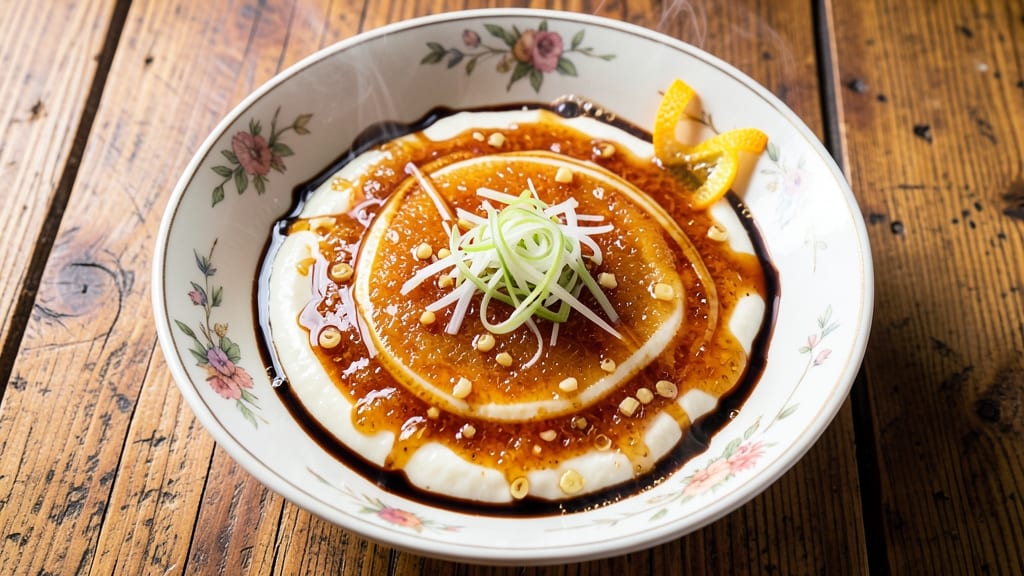
This Asian orange ginger sauce transforms any stir-fry into a vibrant, restaurant-quality dish with just 10 minutes of prep. The bright citrus and fiery ginger create a perfect balance of sweet, tangy, and aromatic flavors that elevate everything from noodles to grilled meats.
I developed this sauce after years of testing—it’s the one that finally stuck because it’s simple yet deeply flavorful.
The secret lies in the fresh ingredients: zesty orange juice, finely grated ginger, and aromatic shallots that infuse the sauce with depth. A touch of honey or sugar balances the acidity, while a splash of soy sauce adds umami richness.
Unlike store-bought versions, this sauce stays fresh for up to a week in the fridge, ready to enhance any dish with a single drizzle.
What makes this sauce special is its versatility—use it as a marinade for chicken or fish, a dipping sauce for spring rolls, or a glaze for roasted vegetables. The combination of citrus and ginger brightens even the simplest meal, turning a basic stir-fry into something extraordinary.
It’s the kind of sauce that becomes a pantry staple once you try it.
Once you make it, you’ll never reach for bottled sauces again. The process is straightforward, and the results are consistently delicious. Let’s get started—your taste buds will thank you.
Ingredients for asian orange ginger sauce
Fresh citrus, fiery ginger, and aromatic shallots make this sauce a pantry game-changer.
| Ingredient | Amount | Notes |
|---|---|---|
| Fresh Orange Juice 🍊 | ½ cup | Freshly squeezed, no pulp |
| Fresh Ginger Root 🌿 | ½ cup | Finely grated, peeled |
| Shallots 🧅 | 3 whole | Minced finely, about 2 tbsp |
| Honey 🍯 | 2 tbsp | Or light brown sugar |
| Soy Sauce 🍶 | 2 tbsp | Light or dark preferred |
| Rice Vinegar 🍶 | 1 tbsp | White or seasoned |
| Sesame Oil 🫒 | 1 tbsp | Toasted, for aroma |
| Garlic Cloves 🧄 | 2 cloves | Minced finely |
| Salt 🧂 | ½ tsp | Sea salt preferred |
| Black Pepper 🌶️ | ¼ tsp | Freshly ground |
The orange juice is the star—navel oranges give the best balance of sweet and tart. Grab fresh ginger from the produce section (the knobby, brown-skinned kind is ideal), and don’t skimp on the amount. Shallots? Trader Joe's sells them pre-minced in a jar, which saves time, but fresh minced has way more flavor. For honey, Manuka or clover work best—they add subtle floral notes that pair perfectly with the citrus. If you’re using sugar, make sure it’s light brown for that caramel depth.
No fresh ginger? Powdered ginger at half the amount works in a pinch, but trust me, fresh makes all the difference. Running low on rice vinegar? Apple cider vinegar gives a similar tang. The sesame oil is non-negotiable for that nutty aroma—toasted sesame oil from Asian markets is the best. Swap soy sauce for coconut aminos if you’re avoiding gluten. And if you’re feeling fancy, add a pinch of red pepper flakes for a little heat.
This sauce keeps beautifully—1 week in the fridge sealed tightly. For longer storage, freeze in ice cube trays, then transfer to a bag. Thaw overnight in the fridge or microwave for 20 seconds. I like to make a double batch—one for immediate use and one to freeze. The flavors actually deepen over time, so it’s worth prepping ahead. Just give it a quick stir before using to re-emulsify.
Why You'll Love This Recipe
- No Chopping Needed: I swear by this one—just peel and grate the ginger, slice the shallots, and let the blender do the work. Five minutes max, and zero mess.
- Bright & Tangy Magic: That zing from fresh orange juice cuts through the ginger’s heat, while the honey rounds it out like a perfect hug. It’s sweet, spicy, and umami all at once—no overpowering notes here.
- Dresses Everything: Slather it on grilled chicken, drizzle it over noodles, or toss it with roasted veggies. Honestly, I’ve even used it as a marinade or glaze—it’s my secret weapon for instant flavor.
- Makes Leftovers Shine: A little goes a long way, so you’ll have extra to stash in the fridge. Reheat it with a splash of water, and it’s just as vibrant as day one—no sad, watery sauce here.
Step-by-step instructions for Asian orange ginger sauce
Here's how to make this vibrant, zesty sauce that elevates any stir-fry.
Prepare the Ginger and Shallots
Start by peeling the 0.5 cup fresh ginger root and using a microplane or fine grater to create a smooth, finely grated texture. You want the ginger to be almost paste-like at this stage—this ensures it dissolves completely into the sauce. Set it aside in a small bowl.
Next, finely mince the 3 whole shallots—about 2 tablespoons once chopped—using a sharp knife. I like to cut them into very small pieces so they blend seamlessly into the sauce without any noticeable texture. If you're short on time, a food processor works great for this step, but chopping by hand gives you more control over the consistency.
Sauté Aromatics in Sesame Oil
Heat a small saucepan over medium-low heat and add the 1 tablespoon sesame oil. Let it warm for about 30 seconds until it shimmers slightly—this is when it's ready to take on your aromatics. Add the minced shallots and 2 cloves garlic cloves, stirring constantly for 1-2 minutes until they become fragrant and just begin to turn golden.
Here's the thing—don't let them brown too much, or they'll release bitter flavors that overpower the bright citrus notes we're building. You're looking for a gentle aroma that fills your kitchen, signaling the aromatics are ready to meld with the rest of the ingredients. Once fragrant, remove the pan from heat and let it cool for 30 seconds before adding the remaining ingredients.
Combine Wet Ingredients
In a separate bowl, whisk together the 0.5 cup fresh orange juice, 2 tablespoons honey, 2 tablespoons soy sauce, and 1 tablespoon rice vinegar. This mixture should be smooth and well-blended—no lumps allowed. The honey helps balance the acidity of the orange juice and rice vinegar, while the soy sauce adds depth and umami.
Now, add the grated ginger and the sautéed shallot-garlic mixture to the wet ingredients. Give everything a good stir to combine, then transfer the mixture back to the saucepan you used earlier. Place the saucepan over medium heat and let it simmer gently for 5-7 minutes, stirring occasionally, until it begins to thicken slightly.
Season and Simmer to Perfection
Taste the sauce and adjust the seasoning with 0.5 teaspoon salt and 0.25 teaspoon black pepper. You want a balance of sweet, tangy, and savory flavors—this is where the magic happens. The sauce should coat the back of a spoon with a glossy sheen, indicating it's reached the right consistency.
Continue simmering for another 2-3 minutes until the sauce reduces just enough to cling beautifully to your stir-fry. The color should be a stunning golden-orange, and the aroma should be intoxicating—bright, citrusy, and slightly spicy from the ginger. If the sauce thickens too much, add 1 teaspoon water to loosen it to your desired consistency.
Cool and Use Immediately
Remove the sauce from heat and let it cool for 5 minutes—this allows the flavors to meld even more. The sauce will thicken slightly as it cools, which is perfect for drizzling over hot stir-fries or noodles. It's best used fresh, but if you need to store it, transfer it to an airtight container and keep it refrigerated for up to 3 days. Reheat gently before using.
This sauce is incredibly versatile—drizzle it over grilled chicken, toss it with fresh vegetables, or use it as a glaze for tofu. The bright citrus notes cut through rich, savory dishes beautifully, making every bite feel fresh and exciting. Enjoy it while it's warm for the best experience!
Pro Tips For Making Asian Orange Ginger Sauce
- Peel Ginger Thin: Use a mandoline or sharp knife to shave off paper-thin slices—this way, the ginger infuses faster and dissolves smoothly without overpowering. I learned this the hard way after straining out chunks from my sauce and having to start over.
- Sauté Shallots Slow: Cook them on medium-low until golden, not browned—this keeps the flavor sweet and mellow. I used to rush this step, and the sauce always tasted bitter afterward.
- Strain Twice: First strain through a fine-mesh sieve to catch ginger fibers, then through cheesecloth for a silky finish. Yes, it’s extra work, but the difference in texture is noticeable.
- Balance Honey Last: Add it after simmering to preserve its floral notes—heating it too long turns it cloying. I was skeptical until I tried it, and now I swear by the bright, fresh finish.
Make-ahead tips for this dish
Double-Batch Prep
Make a double batch of this sauce and store it in two 8-ounce glass jars with airtight lids. This way, you always have one ready to use and one to freeze.
I like to label them with the date so I can track freshness. The extra sauce is perfect for quick weeknight meals or last-minute entertaining—just reheat and drizzle. 💫
Freezer Cubes
Portion the sauce into ice cube trays and freeze. Once solid, pop out the cubes and transfer them to a ziplock bag for easy storage. This method lets you use just what you need—thaw a few cubes in the fridge overnight for a quick sauce boost.
It’s especially handy for marinades or small dipping sauce portions. 🧊
Long-Term Storage
For up to 3 months of storage, freeze the sauce in 1-cup portions in silicone molds or small jars. When ready to use, thaw in the fridge overnight.
The sauce might thicken slightly after freezing, so add 1 teaspoon water per cup to restore its consistency. This is a lifesaver for busy weeks! ❄️
Flavor Boost Before Freezing
Before freezing, stir in an extra ½ teaspoon of fresh ginger or a pinch of red pepper flakes to intensify the flavors. This step ensures the sauce tastes even more vibrant after thawing.
I also like to add a dash of sesame seeds before freezing—they add texture and aroma when reheated. 🌶️
Reheating Like a Pro
Reheat the sauce gently in a small saucepan over low heat for 2-3 minutes until warm. Avoid microwaving—it can break down the delicate citrus and ginger flavors.
If the sauce separates, whisk in 1 teaspoon water or orange juice to re-emulsify. The gentle heat brings back that glossy, restaurant-quality finish. 🔥
Sauce as a Marinade
Use the frozen sauce cubes directly as a marinade for chicken, shrimp, or tofu. Thaw them in a bowl, then add 1 tablespoon of olive oil and 1 tablespoon of honey to create a sticky, flavorful coating.
Marinate for at least 30 minutes (or overnight for deeper flavor) before cooking. It’s a game-changer for grilled dishes! 🍗
Nutrition facts
Frequently asked questions
Can I use bottled orange juice instead of fresh?
Fresh orange juice gives the best flavor, but you can use bottled in a pinch. Choose 100% pure orange juice with no added sugars—it won't have the same brightness, but it'll still work. For extra zing, add 1 teaspoon of lemon juice to mimic the freshness. The sauce will taste slightly less vibrant, but the citrus notes will still shine through.
How spicy is this sauce, and can I adjust it?
The ginger provides a warm, zesty kick, but it's not overly spicy unless you use extra. For more heat, add ½ teaspoon of red pepper flakes or a dash of sriracha. If you prefer milder flavor, reduce the ginger to ¼ cup or omit it entirely—though I recommend keeping it for that signature zing! The sauce balances well with spicy dishes like pad thai or spicy noodles.
What's the best way to store this sauce?
Keep it refrigerated in an airtight container for up to 1 week. For longer storage, freeze in ice cube trays or small jars for up to 3 months. Thaw overnight in the fridge before using. The sauce thickens slightly when refrigerated, so stir in 1 teaspoon water or orange juice to restore its glossy consistency. Always reheat gently to preserve the flavors.
Can I make this sauce without honey?
Swap the honey for 1 tablespoon of maple syrup or 1 teaspoon of coconut sugar to maintain the sweetness. For a sugar-free version, add ½ teaspoon of vanilla extract to enhance the citrus flavors. The sauce will still balance well, though honey adds a unique depth that's hard to replicate. Adjust to taste after simmering.
What dishes pair best with this sauce?
This sauce is incredibly versatile! Drizzle it over stir-fries, noodles, or grilled meats like chicken or shrimp. Use it as a marinade for tofu or fish, or as a dipping sauce for spring rolls. It also works beautifully as a glaze for roasted vegetables. The bright citrus cuts through rich, savory flavors, making it perfect for balancing hearty dishes.