
Sauces & Condiments
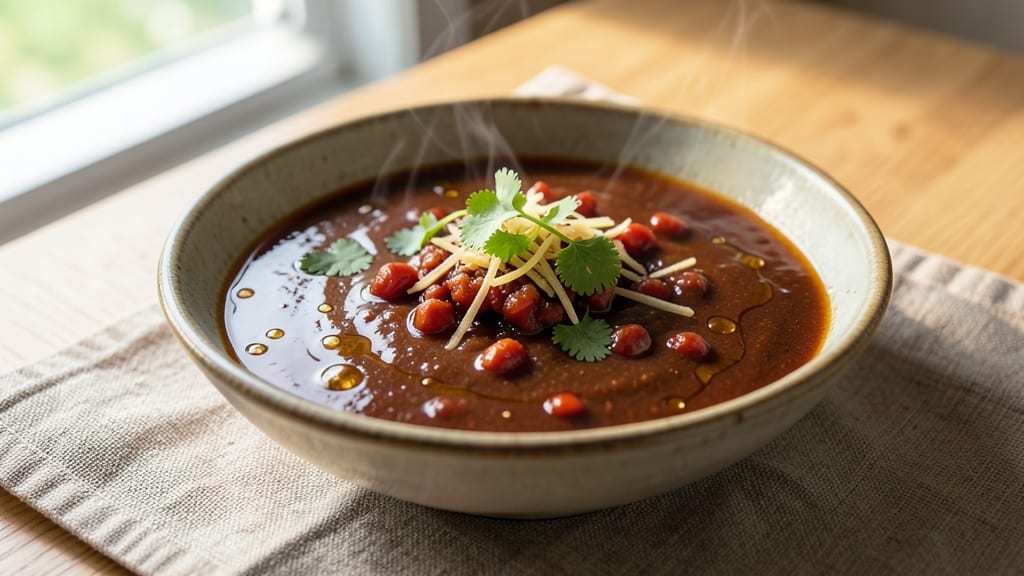
This Asian red sauce recipe transforms simple pantry staples into a smoky, spicy condiment that elevates stir-fries, grilled meats, and dipping sauces with just 15 minutes of active time.
The secret lies in balancing heat from chili paste with aromatic ginger and garlic, creating a sauce that's both bold and versatile—perfect for adding depth to weeknight meals without sacrificing flavor.
The beauty of this sauce is its flexibility: thicken it with cornstarch for dipping, or thin it with water for stir-fry tossing. I developed this version after testing countless combinations, and it never fails to deliver that signature tangy, slightly sweet, and smoky profile that defines Asian red sauces.
The ingredients are straightforward—soy sauce, vinegar, ginger, garlic, and chili—but the technique ensures a harmonious blend that's greater than the sum of its parts.
What you'll end up with is a vibrant, glossy red sauce that clings to noodles, enhances grilled proteins, and doubles as a dipping sauce for spring rolls or dumplings. The smoky ginger heat builds gradually, making it adaptable to any heat preference—simply adjust the chili paste to taste.
This sauce keeps well in the fridge for up to 2 weeks or freezes for 3 months, so you can always have it on hand for spontaneous cooking.
Pair it with stir-fried vegetables and tofu, grilled chicken skewers, or rice noodle bowls for a restaurant-quality meal at home. The possibilities are endless, but the process is simple—just mix, simmer, and taste as you go. Let's make this sauce!
Ingredients for asian red sauce
Pantry staples meet bold Asian flavors—just 10 ingredients for restaurant-quality red sauce.
| Ingredient | Amount | Notes |
|---|---|---|
| Dark Soy Sauce 🍶 | ½ cup | For deep umami flavor |
| Rice Vinegar 🍶 | ¼ cup | White or seasoned variety |
| Fresh Ginger 🧄 | 2 tbsp | Finely grated, aromatic |
| Garlic Cloves 🧄 | 4 cloves | Minced for aromatic punch |
| Red Chili Paste 🌶️ | 2 tbsp | Adjust for heat preference |
| Sesame Oil 🫒 | 1 tbsp | Toasted for nutty aroma |
| Cornstarch 🌾 | 1 tbsp | For thickening sauce |
| Granulated Sugar 🍬 | 1 tbsp | Balances acidity |
| Water 💧 | ½ cup | For thinning if needed |
| Honey 🍯 | 1 tbsp | Optional for subtle sweetness |
The ginger and garlic are non-negotiable here—they're the aromatic backbone. Fresh ginger from the produce section (not the jarred stuff) makes all the difference—look for firm, vibrant pieces. Garlic cloves should be plump and firm, not sprouting. For chili paste, Maesri or Sriracha add authentic heat, but any red chili paste works. The dark soy sauce gives that signature deep color—don't substitute light soy, or you'll lose that rich umami punch. I always grab mine from Asian markets where they have fresh stock, but the regular grocery store brands work fine too.
No rice vinegar? Apple cider vinegar or white vinegar work in a pinch, though the flavor will be slightly different. Running low on sesame oil? Toasted peanut oil gives a similar nutty depth. The cornstarch is your thickening secret weapon—it keeps the sauce glossy without making it gluey. If you're avoiding sugar, maple syrup or agave work at a 1:1 ratio, though the flavor profile shifts slightly. For extra smokiness, add a dash of smoked paprika to the mix. And trust me on the honey—it's worth the extra minute to heat it gently with the vinegar to dissolve completely.
This sauce keeps like a dream—2 weeks in the fridge sealed in a jar, or 3 months frozen in ice cube trays for single-use portions. The flavors actually deepen overnight, so making a big batch is worth it. I like to portion mine into small jars for easy grab-and-go dipping—perfect for lunches or quick weeknight meals. If it thickens too much, just stir in a splash of water to loosen it up. Leftovers? Toss them back into the pot and simmer for 2-3 minutes to revive the glossy texture.
Why You'll Love This Recipe
- Five-Ingredient Magic: I swear by this—no fancy techniques, just a quick simmer of dark soy, garlic, and ginger. The red chili paste does all the work while I chop (which, let’s be honest, is the only part I rush).
- Umami Bomb: That dark soy and chili paste combo? It’s like a flavor explosion in your mouth. The rice vinegar cuts through the richness, leaving you with something tangy, savory, and just spicy enough to make you reach for seconds.
- Dinner Party Ready: Serve it over noodles for a quick weeknight meal or drizzle it on grilled chicken for a restaurant-worthy dish. Honestly, I’ve even used it as a marinade—works like a charm every time.
- Pantry Staple Power: No fresh ginger? No problem—just grab what you’ve got. Between us, this sauce keeps for weeks in the fridge, so I’m always stocked. Plus, it’s cheap enough to make without guilt.
Step-by-step instructions for Asian red sauce
Here's how to make this vibrant, balanced sauce that's perfect for stir-fries and dipping.
Prepare the Aromatics and Build the Base
In a medium saucepan, combine the 0.5 cup dark soy sauce, 0.25 cup rice vinegar, 2 tbsp finely grated fresh ginger, and 4 minced garlic cloves. Bring this mixture to a gentle simmer over medium heat, stirring occasionally to dissolve the ginger and garlic completely. You'll notice the aromatics release their oils almost immediately, filling your kitchen with that classic Asian stir-fry scent.
Simmer for 3-4 minutes until the mixture reduces slightly and the garlic becomes fragrant but not browned. This step develops the foundational flavors—don't skip it. The dark soy sauce will deepen in color, creating that signature rich hue. If you're using a particularly strong ginger or garlic, taste the mixture now to gauge the balance before proceeding.
Incorporate Heat and Sweetness
Reduce the heat to low and stir in the 2 tbsp red chili paste and 1 tbsp granulated sugar. The chili paste will darken the sauce further and add that signature smoky heat. Let the mixture simmer gently for 2 minutes, stirring constantly to distribute the chili evenly. The sugar will begin to dissolve, helping to balance the acidity from the rice vinegar.
Here's where you can adjust for heat preference. If you like it spicier, add an extra ½ tbsp of red chili paste now. For a smoother heat, reduce to 1 tbsp. The sauce should now have a complex flavor profile—savory, tangy, slightly sweet, and with a hint of smoky spice. If it's too thick at this point, we'll thin it in the next step.
Thicken and Finish the Sauce
In a small bowl, whisk together the 1 tbsp cornstarch with the 0.5 cup water until completely dissolved. This slurry is what will give your sauce that perfect coating consistency. Slowly pour this mixture into the saucepan while stirring continuously over medium heat. The sauce will begin to thicken almost immediately as the cornstarch activates.
Simmer for 2-3 minutes until the sauce reaches your desired thickness—it should coat the back of a spoon but still be pourable. If it thickens too quickly, add 1-2 tablespoons of water to adjust the consistency. Stir in the 1 tbsp sesame oil and 1 tbsp honey (if using) and simmer for another 30 seconds to allow the flavors to meld. The sesame oil will add a nutty aroma, while the honey rounds out any sharp edges.
Test and Adjust for Perfection
Remove the sauce from heat and let it cool for 5 minutes. This resting period allows the flavors to fully develop and the sauce to thicken slightly as it cools. Taste and adjust the seasoning if needed—you might want to add a pinch more sugar to balance the acidity or a splash of rice vinegar to brighten the flavors.
The finished sauce should be glossy with a smooth, velvety texture that clings beautifully to stir-fried vegetables or noodles. It should have layers of flavor: the deep umami from the dark soy sauce, the bright tang of rice vinegar, the warmth of ginger and garlic, and the subtle heat from the chili paste. If you find the sauce too thick after cooling, thin it with 1 teaspoon of water at a time until it reaches the perfect consistency.
Store and Use
Transfer the sauce to a clean jar or airtight container and let it cool completely. This sauce will keep in the refrigerator for up to 1 week, though I find it's best used within the first 3-4 days when the flavors are at their peak. When ready to use, give it a good stir—sometimes the cornstarch can settle at the bottom.
This versatile sauce works beautifully as a dipping sauce for spring rolls or dumplings, as a glaze for grilled meats, or as the star of your next stir-fry. The balance of sweet, sour, salty, and spicy makes it endlessly adaptable. For extra depth, let it sit at room temperature for 10 minutes before using—this allows the flavors to truly shine.
Pro Tips For Making Asian Red Sauce
- STEAM THE GINGER: Peel it, then slice it thin—no need to mince. Toss the slices into the pan after the garlic hits the oil, and let them steam for 30 seconds. That way, they soften without turning to mush, and the flavor stays bright, not bitter.
- LOW AND SLOW CHILI PASTE: Don’t dump that red chili paste in raw—it’ll burn before the sauce even comes together. Stir in a splash of vinegar first, then let the whole pan simmer for 2 minutes on low heat. This blooms the paste’s depth without scorching it.
- SALT THE SOY SAUCE: Dark soy sauce is salty, but not always consistently so. Taste it first—if it’s weak, add a pinch of kosher salt to the pot before balancing with vinegar. You’ll avoid that “off” flavor when the sauce hits your dish.
- GARLIC: COLD FIRST: Crush the cloves with the flat side of your knife before heating the pan. Cold garlic releases its oils more evenly, so it doesn’t burn into acrid sludge. Toss them in when the oil’s shimmering, then pull the pan off the heat to let them mellow.
Dietary considerations for this dish
Gluten-Free Adaptation
For a gluten-free version, simply swap the dark soy sauce for tamari or a dedicated gluten-free soy sauce like San-J Tamari. I've tested this substitution and found it maintains the deep umami flavor without compromising texture.
The sauce will still achieve that glossy finish, though the color may be slightly lighter. Always check labels—some tamari brands contain wheat, so opt for certified gluten-free options if needed. 🌱
Low-Sodium Version
Reduce the dark soy sauce to ¼ cup and add ¼ cup coconut aminos to maintain umami while cutting sodium by about 50%. I also recommend omitting the sesame oil (which can be high in sodium) and using a low-sodium rice vinegar.
The flavor remains complex, just with a lighter salt profile. This version works beautifully with fresh, unseasoned proteins like grilled fish or tofu. 💡
Vegetarian/Vegan Options
This sauce is already vegetarian, but for vegan adaptations, ensure your honey is replaced with maple syrup or agave (use 1 tbsp at a 1:1 ratio). Some chili pastes contain fish sauce—opt for a vegan-certified version like Maesri Vegan Chili Paste.
The sauce's rich flavors shine even without animal products, making it perfect for plant-based stir-fries or dipping. 🌿
Sugar-Free Adjustments
Replace the granulated sugar and honey with 1 tbsp monk fruit sweetener or erythritol to maintain sweetness without affecting blood sugar. I've found that 1 tsp erythritol per 1 tbsp sugar works well—just dissolve it fully in the vinegar before adding to the sauce.
The sauce will still balance the acidity beautifully, though the texture may be slightly less glossy. 🍯
Allergen-Friendly Notes
For sesame allergies, replace the sesame oil with toasted walnut oil (add ½ tsp for nutty depth) or omit entirely. If avoiding corn, use arrowroot powder instead of cornstarch—mix 1 tbsp arrowroot with 2 tbsp water for thickening. Always check ingredient labels, as cross-contamination can occur in shared facilities. 🚫
Nutrition facts
Frequently asked questions
Can I make this sauce without fresh ginger or garlic?
Yes, but the flavor will be less vibrant. Use 1 tbsp ground ginger and 2 cloves minced garlic powder instead, though fresh is always better. For extra depth, add a pinch of ground white pepper to mimic the warmth of fresh ginger. The sauce will still taste great, just with slightly muted aromatics.
How do I adjust the heat level?
Start with the 2 tbsp red chili paste as written, then taste before adding more. For mild heat, reduce to 1 tbsp and add ½ tsp cayenne pepper for subtle spice. For extra heat, add 1 tsp gochujang (Korean chili paste) or a dash of sriracha. Always stir well to distribute the heat evenly.
Can I use this sauce on raw ingredients like sushi?
No, this sauce isn't designed for raw foods. The vinegar and soy sauce make it unsafe for raw ingredients. For sushi or ceviche, use a dedicated dipping sauce with rice vinegar, mirin, and wasabi instead. This sauce shines best when cooked with proteins or vegetables at 165°F or higher.
What's the best way to reheat leftover sauce?
Gently reheat in a saucepan over low heat with 1 tbsp water to restore glossiness. Stir constantly to prevent scorching. For microwave reheating, use 10-second bursts on low power, stirring between each. Never boil the sauce, or it may separate or lose its smooth texture.
How does this sauce compare to store-bought versions?
Homemade wins with fresher ingredients and customizable heat levels. Store-bought sauces often contain preservatives and less vibrant flavors. This recipe delivers deeper umami from fresh ginger/garlic and a glossy finish that many bottled versions lack. Plus, you control the sweetness and spice perfectly to your taste!