
Sauces & Condiments
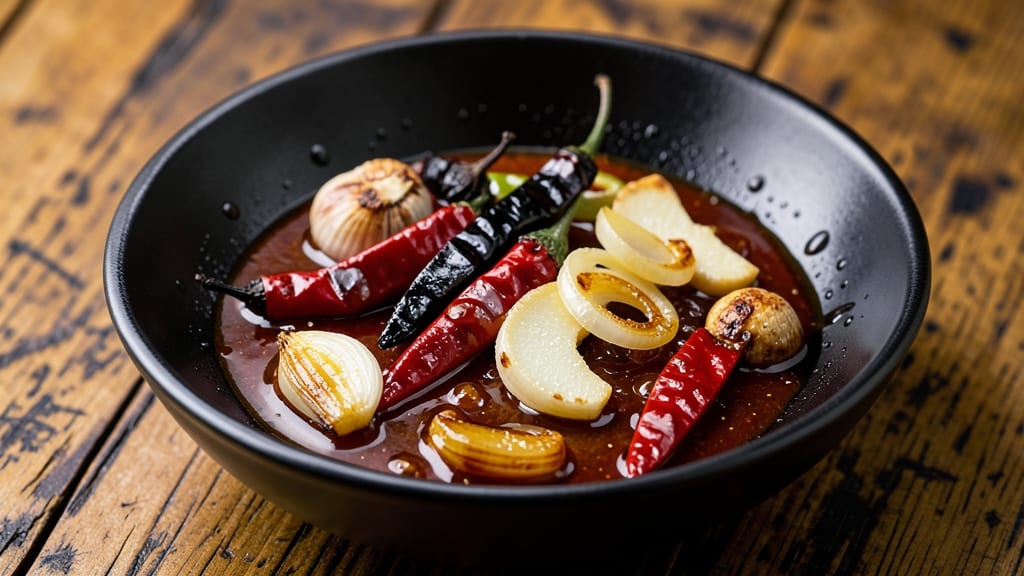
This Asian hot pepper sauce recipe delivers a perfect balance of fiery heat, bright acidity, and sweet depth in just 10 minutes—no complicated techniques required.
The secret lies in charring fresh chili peppers for smoky complexity before blending them with aromatic garlic, ginger, and a touch of vinegar to create a sauce that’s as versatile as it is addictive.
I developed this recipe after years of testing store-bought versions that never quite hit the mark, and now it’s my go-to for everything from stir-fries to marinades.
What sets this sauce apart is its three-stage process: first, the peppers are charred to deepen their flavor; then, they’re blended with garlic, ginger, and shallots for aromatic layers; and finally, the vinegar and sugar are added to balance the heat with tangy brightness.
The result is a smooth yet vibrant sauce that’s bold enough to stand alone but flexible enough to enhance any dish. Unlike many hot sauces that rely on processed ingredients, this version uses fresh, high-quality components for a cleaner, more authentic taste.
By the time you’re done, you’ll have a versatile condiment that can transform a simple bowl of noodles into a restaurant-worthy meal or add a fiery kick to grilled meats and seafood.
The sauce keeps well in the fridge for up to two weeks, making it perfect for meal prep or gifting. Whether you drizzle it over ramen, toss it with fried rice, or use it as a marinade, this hot pepper sauce will elevate your cooking with minimal effort.
The best part? You can adjust the heat level to your preference by controlling the number of peppers used—start with 2-3 for a mild kick and work your way up to 5-6 for serious spice lovers.
This recipe is a game-changer for anyone who wants to bring authentic, restaurant-quality flavor to their home kitchen without the fuss.
Ingredients for asian hot pepper sauce
Fresh peppers, aromatic aromatics, and a dash of tang—this sauce is pure flavor explosion.
| Ingredient | Amount | Notes |
|---|---|---|
| Fresh Thai Bird's Eye Chili Peppers 🌶️ | ½ cup | Stems removed, charred |
| Garlic Cloves 🧄 | 4 cloves | Freshly minced |
| Fresh Ginger 🌿 | 1 tbsp | Finely grated, peeled |
| Shallots 🧅 | 2 whole | Minced, peeled |
| Rice Vinegar 💧 | ¼ cup | White or seasoned |
| Cane Sugar 🍯 | 1 tbsp | White or brown |
| Sesame Oil 🫒 | 1 tbsp | Toasted for aroma |
| Soy Sauce 🍶 | 1 tbsp | Light or dark |
| Salt 🧂 | ½ tsp | Kosher or sea |
| Water 💧 | ¼ cup | For thinning if needed |
The peppers are everything here. Thai Bird's Eye chilies pack the most heat, but serrano or jalapeño work too if you want to dial it back. Grab them at Asian markets for the freshest, brightest flavor—they should be firm, vibrant, and free of soft spots. Char them directly over a gas flame or under a broiler until blackened in spots (about 5 minutes), then peel off the skins while still warm. This step is non-negotiable—it unlocks that smoky depth that separates homemade sauce from store-bought. For the aromatics, garlic and ginger from the bulk bins at Whole Foods or Trader Joe's always taste fresher than pre-minced jars.
No rice vinegar? Apple cider vinegar works in a pinch, but it’ll taste slightly different. Running short on sesame oil? Toasted peanut oil adds a similar nutty richness. The sugar is crucial—it balances the heat and cuts through the acidity, so don’t skip it. If you’re making a big batch, double the soy sauce for extra umami depth. For a smoother texture, strain the sauce through a fine-mesh sieve after blending. If you prefer it chunky, leave those charred pepper bits in—it’s all about your preference. And if the sauce turns out too thick, just add a splash of water until it reaches your ideal consistency.
This sauce is a fridge staple—keep it in an airtight jar for up to 2 weeks. The flavors actually improve over time as everything melds together. For a quick heat boost, freeze it in ice cube trays and pop out individual servings. If you’re gifting it, sterilize the jar first and it’ll stay fresh for 3 months in the freezer. Pro tip: Label it with the heat level (mild, medium, hot) so your family knows what they’re getting into!
Why You'll Love This Recipe
- No-Fuss Blend: I swear by this recipe because it’s basically five ingredients, 10 minutes—no fancy techniques, no waiting for hours. Just pulse the chilies, garlic, and ginger in a food processor, add vinegar, and boom. Done. Even my microwave-lunch-only days get a flavor upgrade.
- Heat That Stays Balanced: Between us, Thai bird’s eye chilies pack a punch, but the ginger and shallots here soften the burn into something complex—bright, tangy, and layered. That first drop on noodles? Pure satisfaction. (Yes, even on a Tuesday night.)
- Pantry-to-Table Magic: This sauce turns anything into a showstopper—drizzle it on grilled chicken, toss it into ramen, or use it to wake up a sad salad. Honestly, I’ve even dumped it into scrambled eggs when I was lazy. Works every time.
- Lasts Like a Champ: Make a big batch—it keeps for weeks in the fridge and freezes like a dream. I’ve got jars stashed for when I’m too tired to cook or when friends beg for “that spicy sauce” they loved last time. Zero waste, maximum flavor.
Step-by-step instructions for fiery, fresh Asian hot pepper sauce
Here's how to make this vibrant, spicy sauce that packs heat and depth in record time.
Char the Chili Peppers for Smoky Depth
Remove stems from the 0.5 cup fresh Thai bird's eye chili peppers and place them directly over a gas flame or under a broiler for 1-2 minutes per side until they develop blackened char marks. You're looking for a smoky aroma and slightly blistered skin—this adds incredible complexity to the sauce.
Work quickly but don't rush—burnt peppers will make the sauce bitter. Once charred, transfer the peppers to a heatproof bowl and cover with a towel to steam for 5 minutes. This softens their texture and makes them easier to blend while preserving their fiery punch.
Build the Flavor Base with Aromatics
While the peppers steam, heat 1 tablespoon sesame oil in a small skillet over medium heat. Add the 4 minced garlic cloves and 2 minced shallots, cooking for 2-3 minutes until fragrant and just beginning to turn golden. Watch closely—the garlic burns faster than you think.
Add the 1 tablespoon freshly grated ginger and cook for another 30 seconds until it releases its citrusy aroma. Immediately transfer this aromatic mixture to your blender—you want to preserve all that fresh flavor before it cooks further.
Blend All Ingredients for Perfect Texture
Add the steamed chili peppers, garlic-shallot-ginger mixture, 0.25 cup rice vinegar, 1 tablespoon cane sugar, 1 tablespoon soy sauce, and 0.5 teaspoon salt to your blender. Start on low speed and gradually increase to high, blending for 30-45 seconds until completely smooth.
Here's where the magic happens: The vinegar brightens the heat, sugar balances the acidity, and soy sauce adds umami depth. Taste as you go—you want a perfect balance of fiery heat, tangy brightness, and savory richness. If it's too thick, add 1-2 tablespoons of the 0.25 cup water at a time until you reach your desired consistency.
Strain for Ultra-Smooth Sauce (Optional)
For a completely smooth sauce, strain the blended mixture through a fine-mesh sieve into a clean bowl. This removes any fibrous texture while keeping all the flavor. I like to press gently with a spoon to extract every last drop of that vibrant sauce.
If you prefer some texture, skip this step—just give it one final taste and adjust seasoning. The sauce should be vibrant red-orange with a thin, pourable consistency. It'll keep in the refrigerator for up to 1 week, making it perfect for batch cooking ahead of time.
Pro Tips For Making Asian Hot Pepper Sauce
- Char, Don’t Burn: Thai Bird’s Eye peppers need a quick sear—just 30 seconds per side in a screaming-hot pan—until they blacken slightly but don’t turn to ash. I learned this the hard way after turning a batch into a smoky, bitter mess. Keep the heat high and move fast.
- Mince, Don’t Pulse: Shallots and garlic should be finely minced, not food-processed into a paste. A sharp knife and steady hand give you control over texture—too fine, and your sauce turns into a gluey blob. (Yes, even if you’re impatient like me.)
- Strain Twice: After blending, press the mixture through a fine-mesh sieve twice—once right after blending, then again after letting it sit 5 minutes. The second strain removes those stubborn, gritty bits that sneak in and ruin the silky finish.
- Vinegar Last: Add rice vinegar only at the very end, right after blending. If you mix it in early, the acid will dull the garlic and ginger flavors before they have a chance to develop. (Your future self will notice the difference.)
Creative variations of this asian hot pepper sauce
Thai-Inspired Sriracha Twist
Swap the rice vinegar for 2 tbsp fish sauce and add 1 tbsp lime juice to create a Thai-style sriracha variation. Use 2 tbsp tomato paste for color and body, then blend in 1 tsp sugar and 1 tsp salt.
This version works perfectly as a dipping sauce for spring rolls or a marinade for grilled shrimp. 🌶️
Japanese Shichimi Togarashi Fusion
For a Japanese-inspired version, add 1 tsp toasted sesame seeds, ½ tsp ground orange peel, and ½ tsp nori flakes to the base recipe. Replace the soy sauce with 1 tbsp mirin for sweetness and use 1 tbsp apple cider vinegar instead of rice vinegar.
This creates a complex, nutty heat that pairs beautifully with sushi or soba noodles.
Korean Gochujang Heat
Blend in 2 tbsp gochujang paste along with 1 tbsp honey for a Korean-inspired variation. Reduce the rice vinegar to 2 tbsp and add 1 tsp grated ginger and 1 tsp minced garlic for extra depth.
This sauce is perfect for drizzling over kimchi fried rice or as a marinade for bulgogi beef. The gochujang adds a fermented richness that balances the heat beautifully.
Vietnamese Nuoc Cham Style
Create a Vietnamese-inspired dipping sauce by adding 2 tbsp fresh shrimp paste (or ½ tsp shrimp powder if unavailable) and 1 tbsp lime juice. Reduce the sugar to ½ tbsp and add 1 tsp fish sauce for umami.
This version is ideal for dipping spring rolls or grilled meats, offering a tangy, salty, and spicy balance that’s quintessentially Vietnamese. 🍜
Sweet & Smoky BBQ Fusion
For a fusion twist, add 2 tbsp BBQ sauce (like Sweet Baby Ray's) and 1 tbsp molasses to the base recipe. Replace the rice vinegar with 2 tbsp apple cider vinegar and add ½ tsp smoked paprika for depth.
This sauce is perfect for glazing ribs or drizzling over pulled pork sandwiches, blending Asian heat with American BBQ flavors.
Herb-Infused Fresh Crunch
Add fresh herbs like 2 tbsp chopped cilantro, 1 tbsp chopped Thai basil, or 1 tbsp chopped mint for a bright, herbaceous twist. Pulse these in at the end of blending for a textured finish.
This version works wonderfully as a dipping sauce for grilled skewers or as a topping for summer salads. The herbs add a fresh contrast to the fiery heat. 🌿
Nutrition facts
Frequently asked questions
Can I adjust the heat level in this sauce?
Start with 2-3 Thai bird's eye peppers for mild heat, 4-5 for medium, and 6+ for serious spice lovers. For even more control, remove seeds and membranes before charring—they contain most of the capsaicin (the compound that creates heat). If the sauce is too fiery, balance it with an extra ½ teaspoon sugar or 1 teaspoon honey.
What's the best way to store this sauce?
Transfer to an airtight glass jar and refrigerate for up to 2 weeks. The flavors actually deepen over time! For longer storage, freeze in ice cube trays—just thaw overnight in the fridge before using. If you notice mold or an off smell, discard it immediately. Pro tip: Label your jar with the heat level so your family knows what they're getting into!
Can I make this sauce without fresh peppers?
Yes, but the flavor won't be as vibrant. Use 1-2 tablespoons of red chili flakes (like cayenne) instead of fresh peppers, but char them first in a dry skillet for 1-2 minutes to get that smoky depth. Add ½ teaspoon smoked paprika for extra complexity. For the best results, though, fresh peppers give you that authentic, bright heat that dried peppers can't match.
How can I use this sauce beyond dipping?
This versatile sauce works as a marinade for meats (try it on chicken or shrimp), a stir-fry sauce base, or even a glaze for roasted vegetables. For marinades, mix 2 tablespoons of sauce with 1 tablespoon soy sauce and 1 teaspoon honey—let it sit for 15-30 minutes before cooking. You can also drizzle it over noodles, rice bowls, or even popcorn for a spicy kick!
Why does my sauce look cloudy or separate?
This usually happens if the vinegar and oil haven't fully emulsified. Fix it by adding 1 teaspoon of cornstarch mixed with 1 tablespoon water and simmering for 2-3 minutes on low heat. For a smoother texture, strain the sauce through a fine-mesh sieve after blending. If the separation is minor, just give it a good stir before using—it won't affect the flavor!